
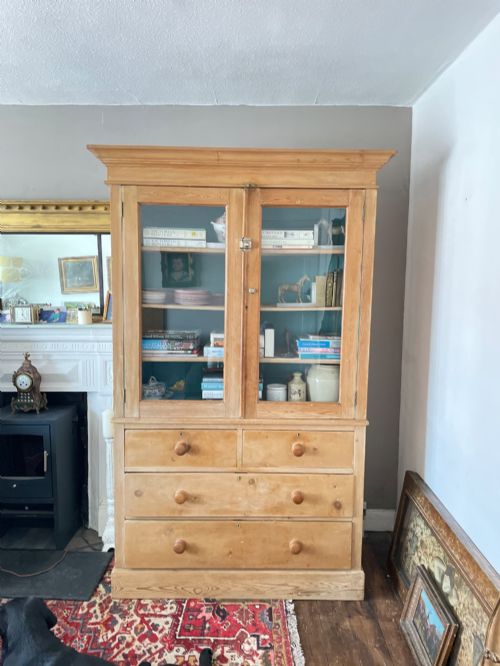
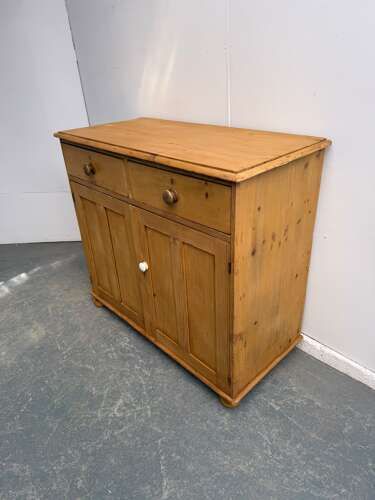
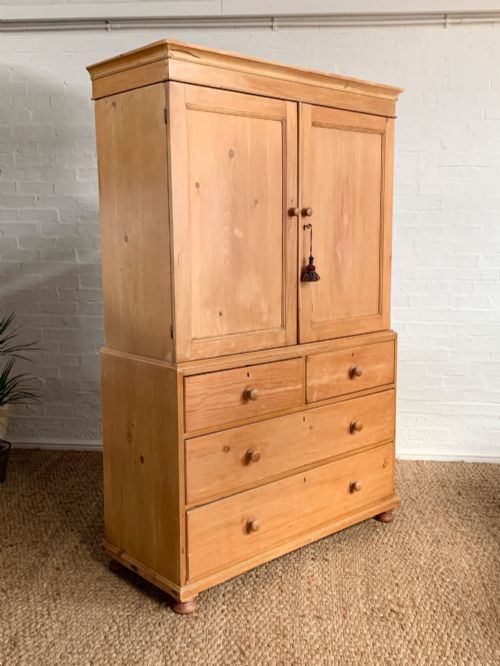
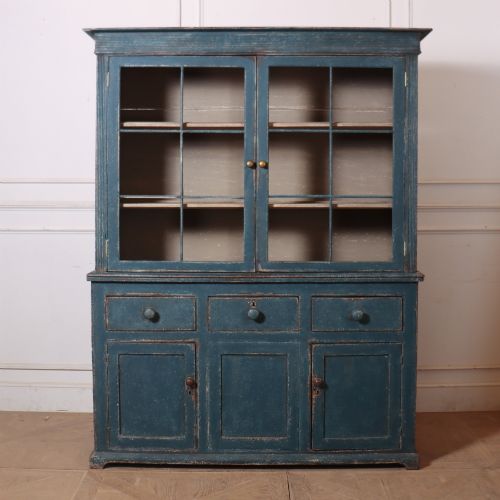
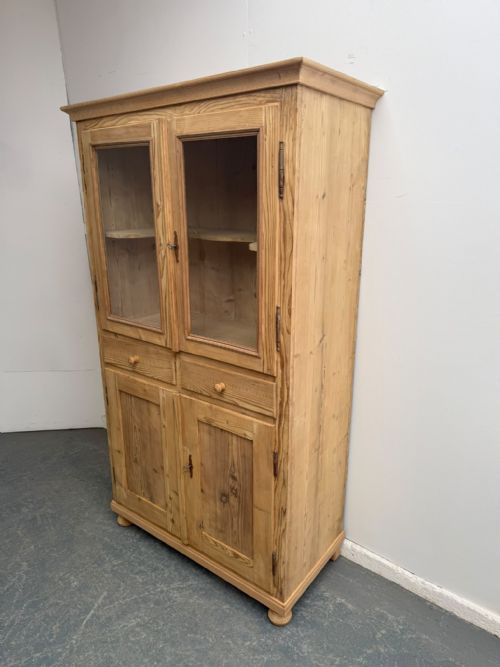
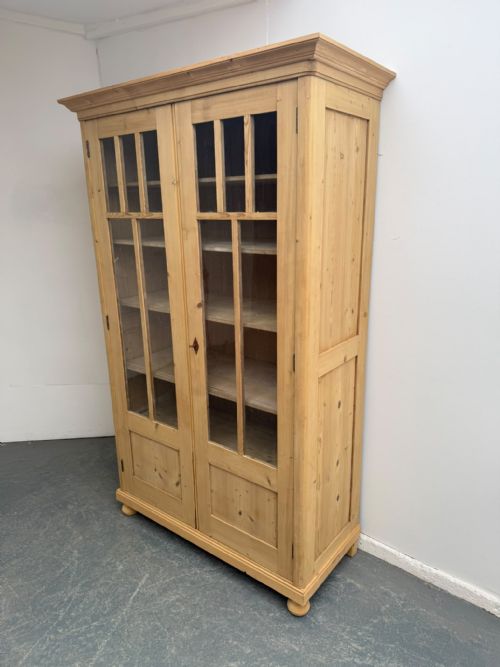
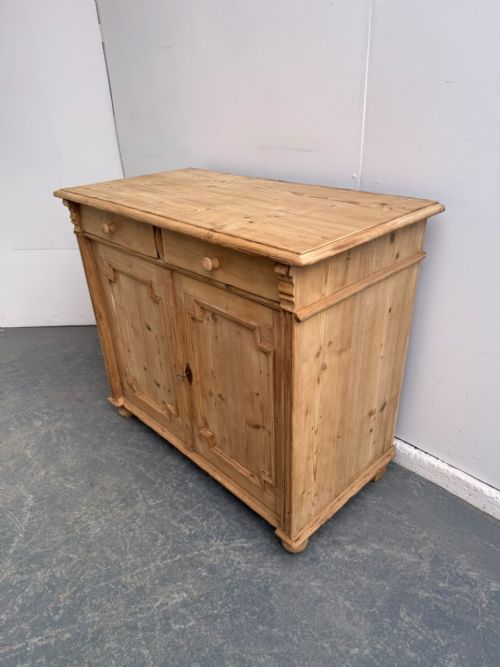
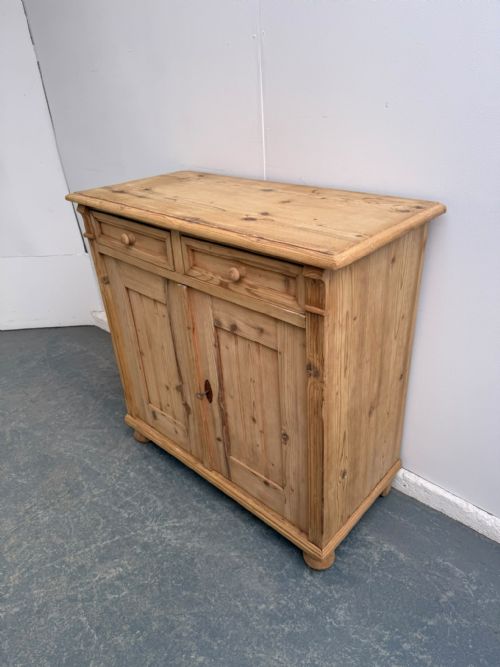
Two Door Pine Dresser
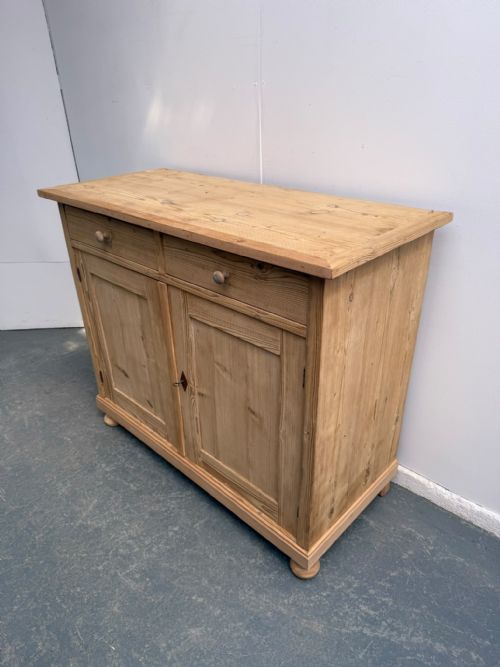
A two door pine dresser provides sturdy storage for domestic goods, combining the warmth of softwood with practical cupboard space for everyday living.
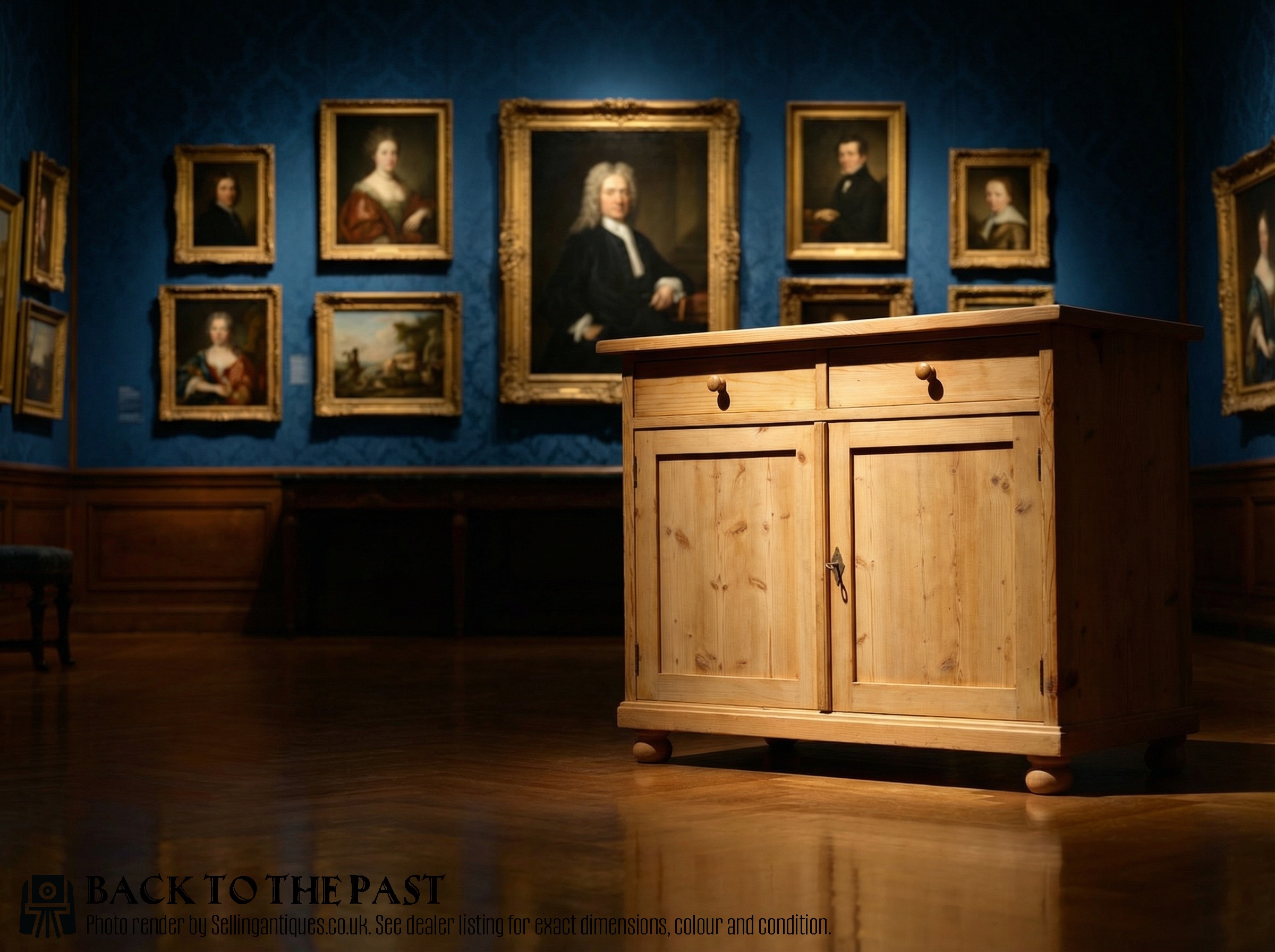
Two Door Pine Dresser
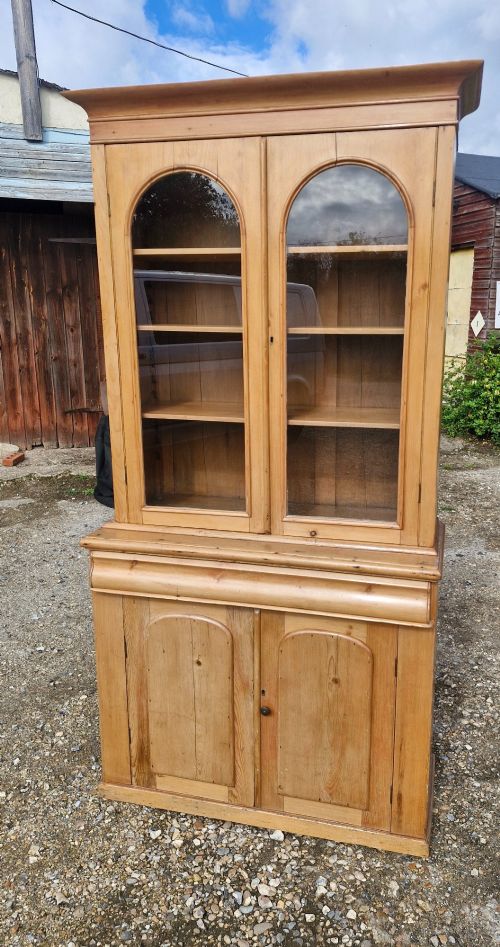
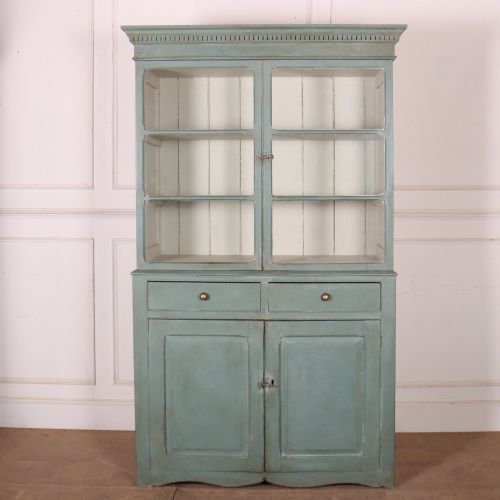
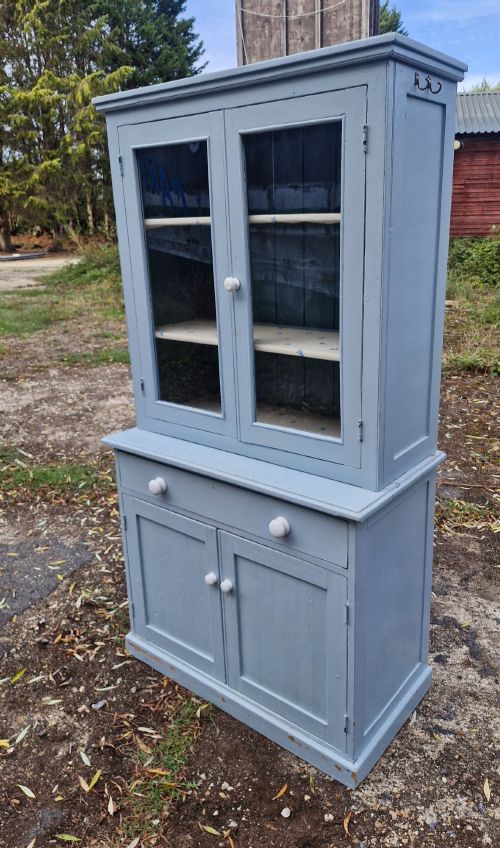
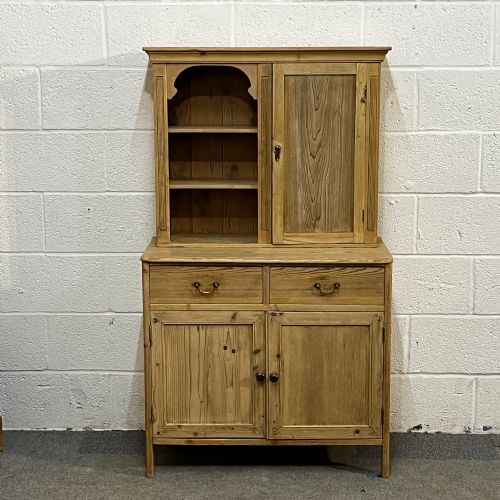
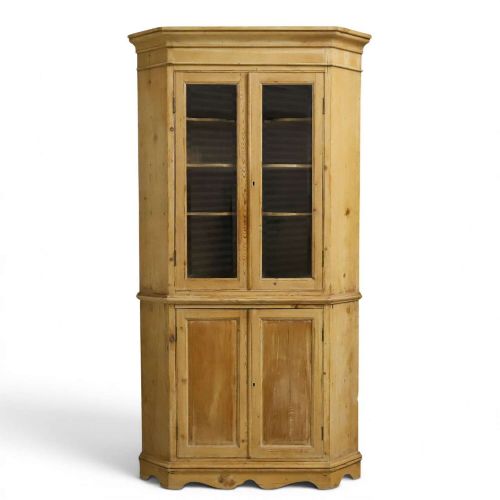
A two door pine dresser brings together kitchen utility and provincial furniture design across several distinct regional styles. Buyers seeking a two door pine dresser will encounter formats ranging from low cupboard bases to two-part glazed display cabinets.
The pieces on this page span the Victorian period, the nineteenth century, and the Georgian era, alongside later examples from the early twentieth century. Regional variations include English, Scottish, Welsh, and West Country pieces, together with continental examples from Scandinavia and Hungary.
Domestic storage forms dominate the selection, appearing as kitchen dressers, dresser bases, housekeeper's cupboards, and sideboards. These items served traditionally to store provisions, crockery, and household linens in daily domestic settings.
How they were made
Construction relies primarily on solid pine, handled either in a natural waxed finish or treated with historical schemes of paint. Surviving examples frequently retain original painted surfaces, including cream, teal, and black finishes, or show traces of later stripping.
Hardware and secondary elements incorporate brass, iron, and glass panels within glazed upper doors or display cabinets. Joinery methods reflect traditional regional workshops, producing two-part forms that separate for transport and solid single-piece carcass storage units.
Materials recorded across the inventory include solid pine, glass, brass, iron, and original painted finishes.
What varies in quality
Construction depth and proportion define the architectural presence of each piece, distinguishing shallow bases from substantial tall storage cupboards. Proportion dictates how well a cabinet sits within a modern domestic interior.
The preservation of original painted surfaces or the quality of early wax finishes determines the character of the timber. Untouched regional paintwork or cleanly stripped historic pine carries more integrity than heavily reworked surfaces.
The Two Door Pine Dresser Glossary
- Dresser base
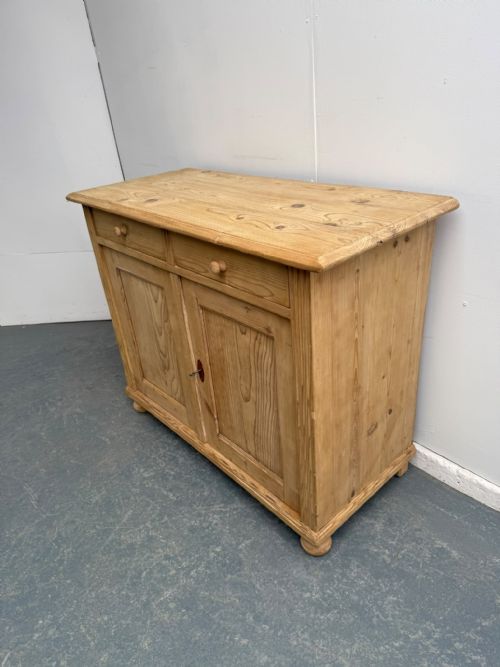
- A lower storage unit featuring cupboard doors, frequently paired with drawers above, designed to stand against a dining room or kitchen wall. These items function independently or serve as the foundation for an upper plate rack.
- Glazed display cabinet
- A storage piece incorporating glass panels within the doors to showcase china, books, or provisions. This form protects contents from dust while maintaining visual access.
- Housekeeper's cupboard
- A large scale utility cabinet utilised historically for storing linens, dry goods, and domestic supplies. These pieces often feature multiple internal shelves or hanging space.
- Chiffonier
- A compact sideboard or low cabinet developed during the nineteenth century to hold dining room china and silver. It combines lower cupboard storage with a surface top.
- Two-part form
- A piece of furniture built in separate upper and lower sections to ease transport and placement within domestic rooms. This construction method appears frequently in tall dressers and bookcase cabinets.
Two Door Pine Dresser: Frequently Asked Questions
What is a two door pine dresser?
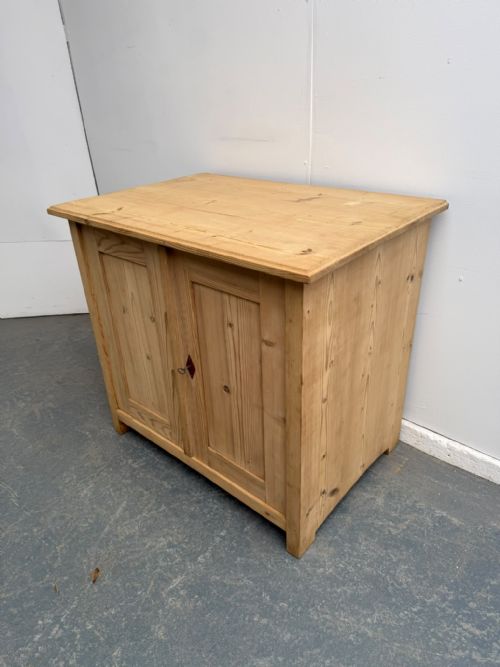
A two door pine dresser is a functional storage unit made from softwood timber, featuring a lower cabinet enclosed by two doors.
Such pieces often include drawers above the doors or sit beneath an upper shelving rack, serving historically for kitchen and dining room storage.
How do I date a pine dresser?
Dating relies on construction methods, timber characteristics, and hardware details associated with specific periods like the Victorian era or Georgian times.
Examining the backboards, drawer construction, and any retained paint layers helps establish the approximate age of the piece.
Are these dressers painted or waxed?
Pine furniture from these periods appears both in natural waxed finishes and with historic painted surfaces.
Many examples retain original cream, teal, or black paint, while others have been stripped to expose the bare timber grain.
Where were these pieces made?
The selection includes British regional pieces from England, Scotland, Wales, and the West Country.
Continental examples from Scandinavia and Hungary also feature, showing distinct folk art painting traditions and local construction traits.