


Two Door Oak Buffet
A two door oak buffet is a heavy timber storage piece built to anchor a dining room or hall.

Two Door Oak Buffet
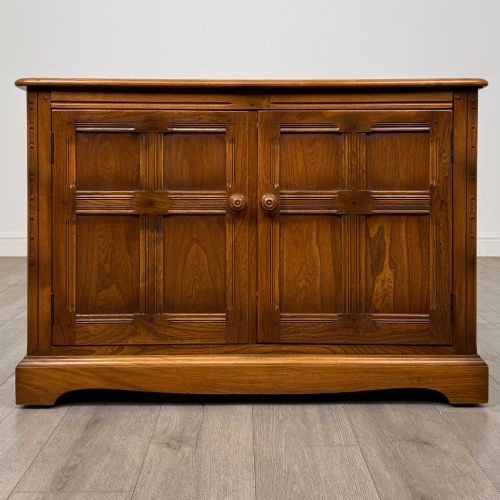
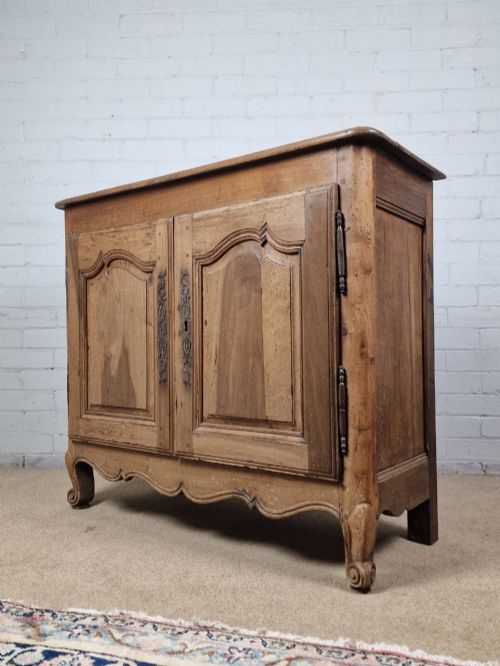
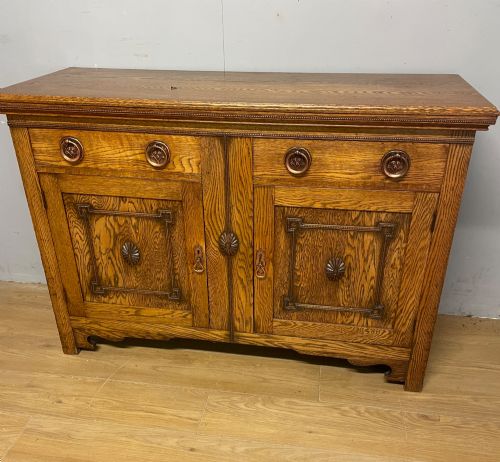
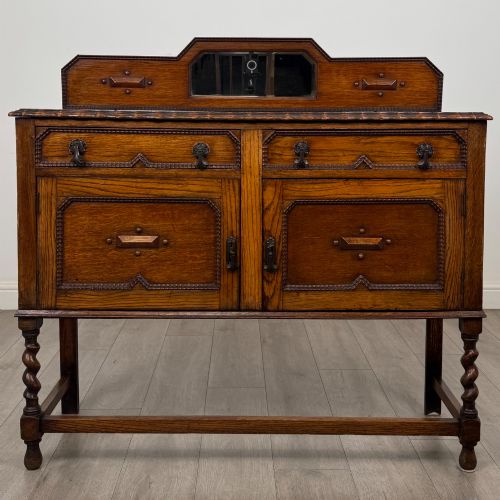
A two door oak buffet is a substantial timber storage piece designed for dining spaces and domestic halls, appearing across periods from the eighteenth century through the Edwardian era. When you search for a two door oak buffet, you encounter forms that double as sideboards, side cabinets, and house maid cupboards, originating from English workshops, French provincial kitchens, and Welsh houses.
The pieces on this page span styles ranging from Georgian and Victorian to Arts and Crafts, Gothic Revival, and French Provincial. Oak is the primary timber, sometimes supplemented by golden oak, fruit wood, walnut, chestnut, or limed finishes, giving you a choice of robust dark tones or lighter honeyed surfaces.
What varies in quality
Quality in these timber storage pieces rests on the selection of the wood and the crispness of any hand carving. Pieces utilising dense golden oak or fine regional walnut show superior material selection compared to simpler utility cupboards.
Construction methods also separate the range, with tight joinery and original brass or iron fittings indicating superior workshop standards. The presence of named makers or distinctive regional French provincial design elevates certain items above standard domestic storage.
Listings feature oak, golden oak, and limed oak alongside brass, copper, and wrought iron hardware.
Heals of London·Maple and Co
The Two Door Oak Buffet Glossary
- Buffet
- A low storage piece or sideboard used for serving food and storing dining utensils. These timber items typically feature cupboards enclosed by doors.
- Golden oak
- A warm, light-toned oak finish particularly popular during the Edwardian period and the Arts and Crafts movement. It highlights the natural grain of the timber.
- French provincial
- Furniture made in the regions of France outside Paris, often featuring regional fruit woods, chestnut, or oak with restrained carving. These pieces reflect local rural traditions.
- Limed oak
- Timber treated with a specialised finish that leaves a whitish pigment in the grain pores. This technique creates a distinct pale, textured surface seen in twentieth-century pieces.
Two Door Oak Buffet: Frequently Asked Questions
What is a two door oak buffet used for?
These pieces serve primarily as storage furniture for dining rooms, kitchens, and hallways, holding tableware, linen, and household items. The top surface also provides space for serving food or displaying decorative objects.
Historically, variations such as house maid cupboards and dresser bases kept domestic provisions organised within easy reach of the main living areas.
How do I date an oak buffet?
Dating relies on observing the timber, hardware, and stylistic details such as hand carving or finish. Eighteenth-century examples often feature heavier construction and regional French or Welsh characteristics, while Edwardian pieces frequently showcase golden oak.
Looking at the construction of the interior drawers and the type of metal used for hinges helps confirm whether a piece belongs to the Georgian, Victorian, or twentieth-century eras.
Where were these buffets made?
The pieces originate from various workshops across England, Wales, and provincial France. English examples often align with Georgian, Victorian, or Arts and Crafts traditions.
French provincial pieces incorporate regional timbers like chestnut and fruit wood alongside oak, reflecting local rural craftsmanship from the eighteenth and nineteenth centuries.
How do I care for antique oak furniture?
Maintain the timber by keeping it away from direct heat sources and strong sunlight, which can dry out and split the old wood. Regular dusting with a soft, dry cloth preserves the finish.
Applying a traditional beeswax occasionally helps nourish the oak and maintains the natural lustre of the surface without building up heavy chemical residues.