

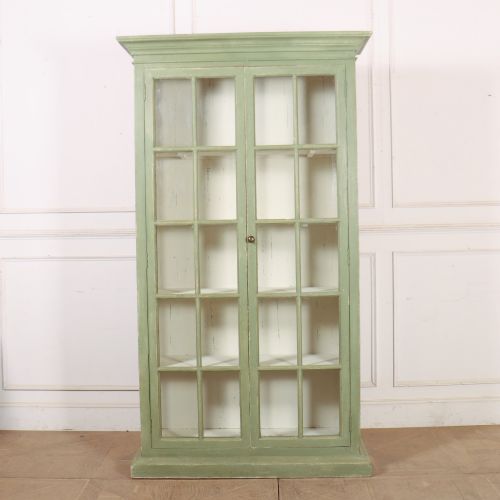
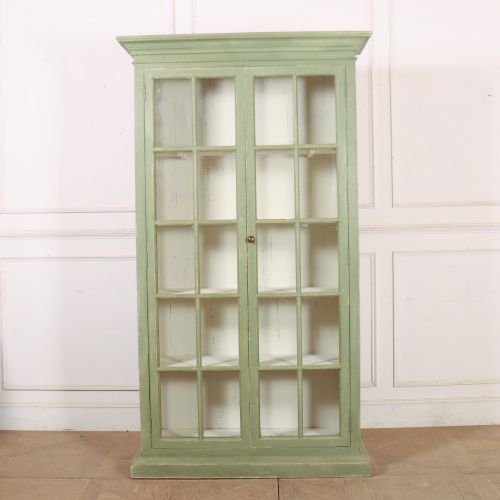
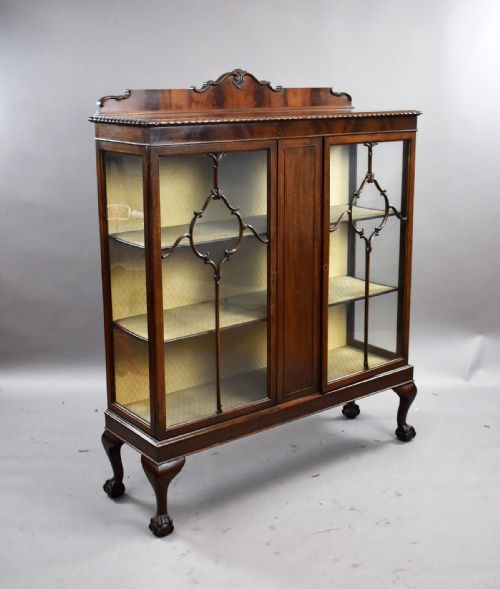
Two Door Glazed Vitrine
A two door glazed vitrine holds and frames precious objects behind glass, bringing order and visibility to a room.
Two Door Glazed Vitrine
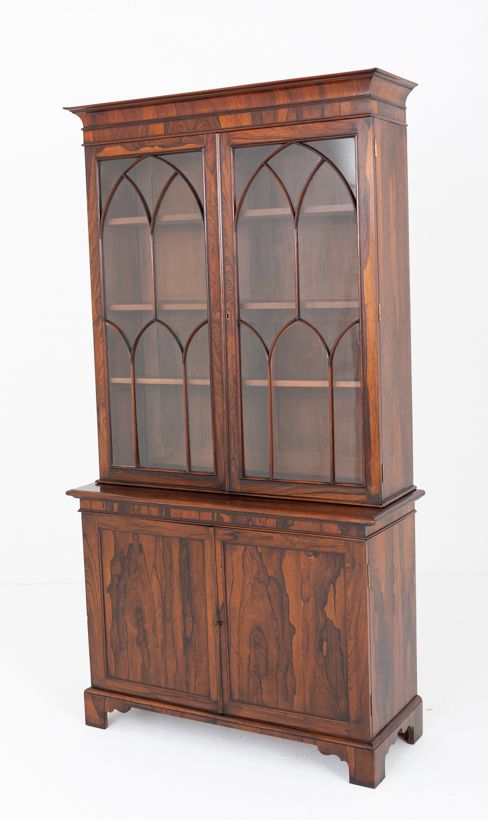
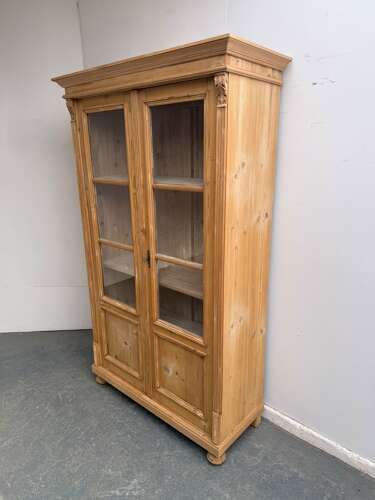
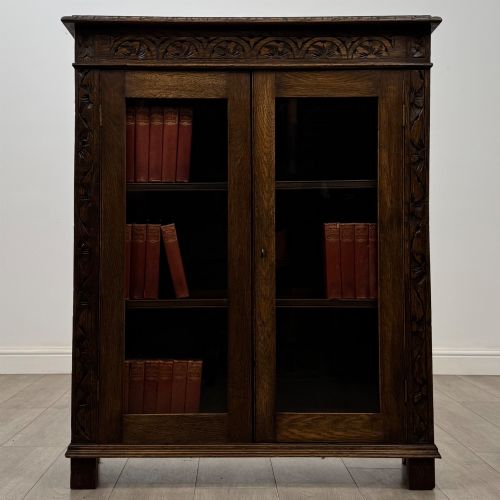
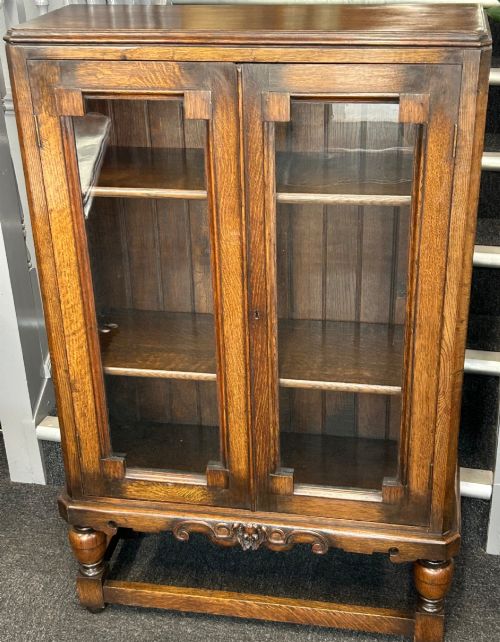
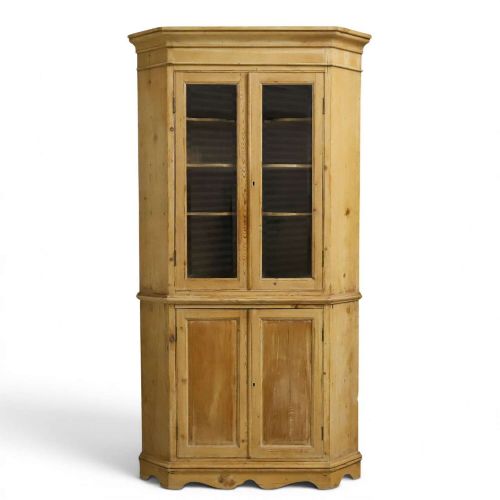
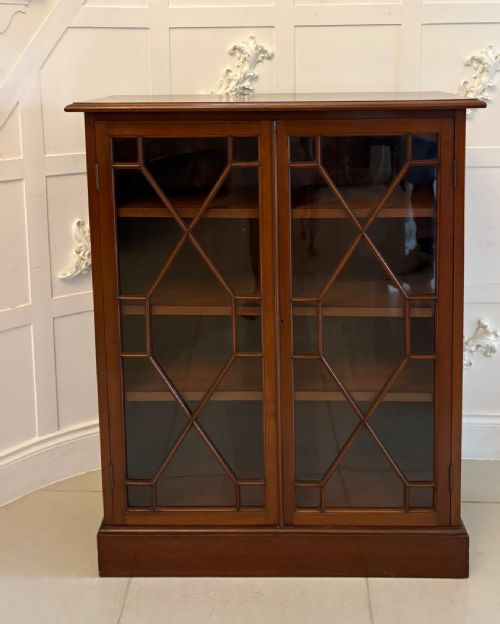
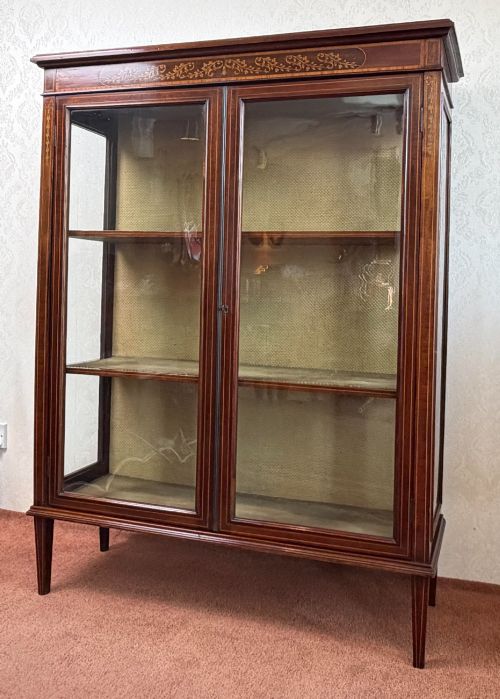
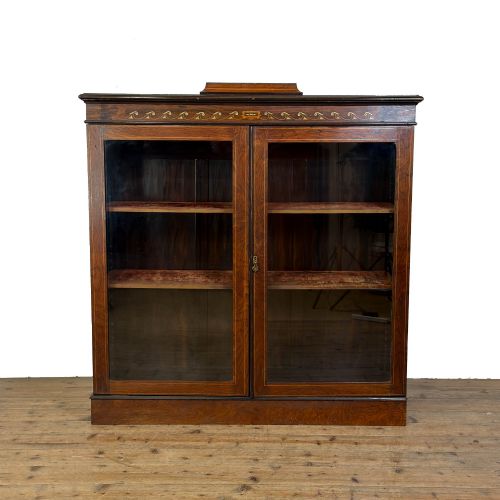
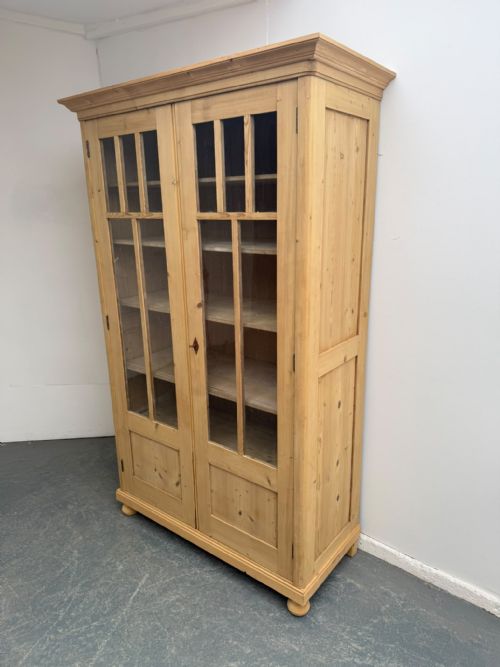
A two door glazed vitrine is primarily a display cabinet or bookcase designed to protect books and decorative objects behind glass doors. You will frequently encounter Victorian and Edwardian examples on this page, alongside pieces from the nineteen-thirties and the nineteenth century.
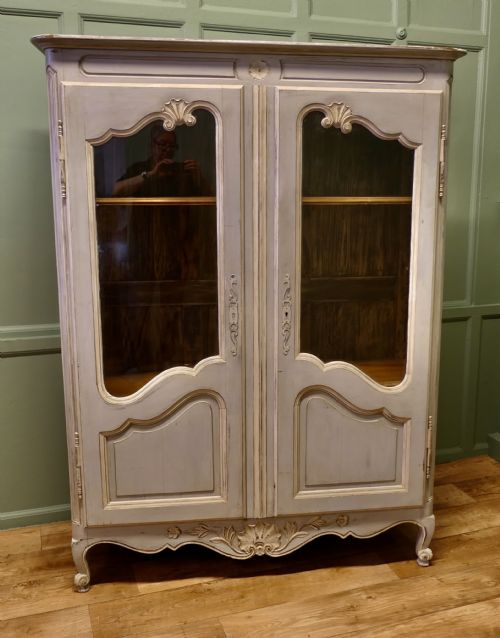
Makers constructed these cabinets in various forms, ranging from tall drawing-room bookcases to neat corner cupboards and freestanding display pieces. The core function remains the exhibition of contents while keeping dust at bay.
Materials and construction
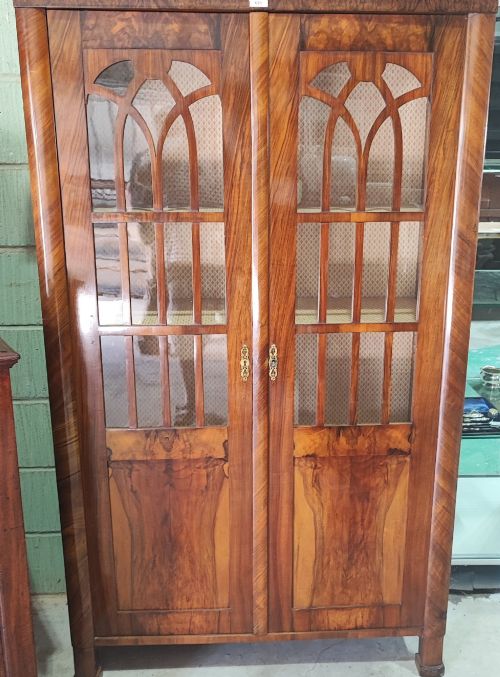
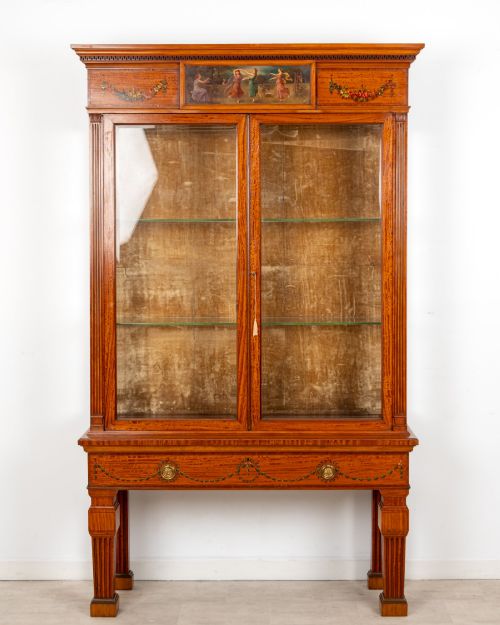
Carpenters built these cabinets using timber frames of mahogany, oak, walnut, and pine, often applying finer veneers like burr walnut, satinwood, or bird's-eye maple to the exterior surfaces. Brass and gilt metal mounts appear frequently as hardware and decorative detailing.
Glazing bars divide the glass panels into geometric or curved panes, while marquetry inlay and painted finishes decorate the timber bodies of later revival pieces.
Listings feature woods including mahogany, oak, walnut, satinwood, pine, and rosewood across the nineteenth and twentieth centuries.
Quality differences
The choice of timber and veneer defines the upper tier of production, where figured walnut, rosewood, and finely matched satinwood replace simple pine or standard oak. Skill in marquetry inlay and the delicacy of carved wooden or gilt metal mounts separate standard utility furniture from sophisticated drawing-room pieces.
Proportion and cabinet-making joinery dictate structural integrity, distinguishing cabinets built by skilled workshops from simpler regional or later provincial work.
Hampton and Sons·Epstein
The Two Door Glazed Vitrine Glossary
- Vitrine
- A glass-fronted cabinet designed specifically for displaying objects of curiosity or fine porcelain. The term originates from the French word for glass.
- Marquetry
- Decorative patterns formed by fitting together thin slices of various woods and veneers onto a solid carcase. This technique creates complex pictorial or geometric designs.
- Glazing bars
- The narrow strips of wood or metal that hold individual panes of glass within a door or window frame. They dictate the grid pattern of the cabinet front.
- Burl
- A woody outgrowth on a tree filled with distorted grain knots, sliced into burr veneer for decorative furniture panels. Walnut and maple burrs yield highly figured surfaces.
- Ormolu
- Gilded bronze mounts applied to furniture for decorative effect, common on nineteenth-century continental and revival cabinets.
Two Door Glazed Vitrine: Frequently Asked Questions
What is the difference between a vitrine and a bookcase?
A vitrine prioritises the display of ornamental objects with glass visible on multiple sides or large front panes, whereas a bookcase traditionally stores bound volumes on internal shelving.
Many period examples serve both functions interchangeably, functioning as glazed display cabinets that accommodate books and curiosities alike.
How do I date a mahogany display cabinet?
Dating relies on stylistic clues, construction methods, and timber choice, such as the heavier proportions typical of Victorian pieces compared to lighter Edwardian frames.
Revival styles often borrow motifs from earlier centuries, so examining the secondary woods inside and the type of glass helps confirm the period of manufacture.
Where should I place a two door cabinet in a room?
These cabinets suit drawing rooms, dining spaces, or studies where their glazed doors protect contents while adding architectural depth to a wall.
Placing them away from direct sunlight preserves the timber finishes and prevents fading on veneered surfaces like satinwood and walnut.
How are walnut and satinwood cabinets finished?
Cabinet makers polished these timbers with wax or French polish to seal the grain and highlight the natural figure of the wood.
Some pieces feature painted finishes or marquetry inlays that require gentle maintenance with soft cloths rather than modern chemical polishes.