

Two Door Buffet
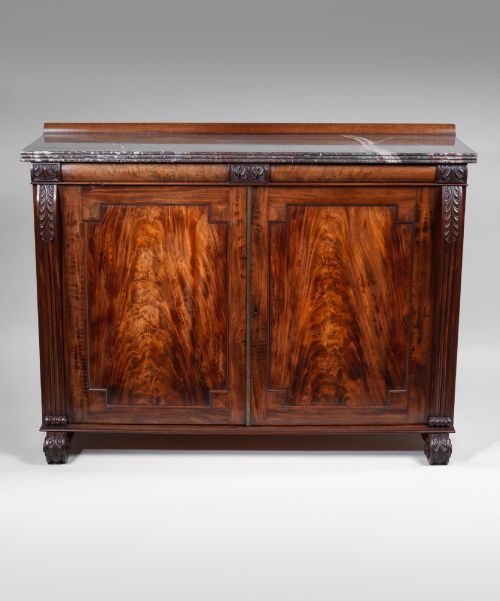
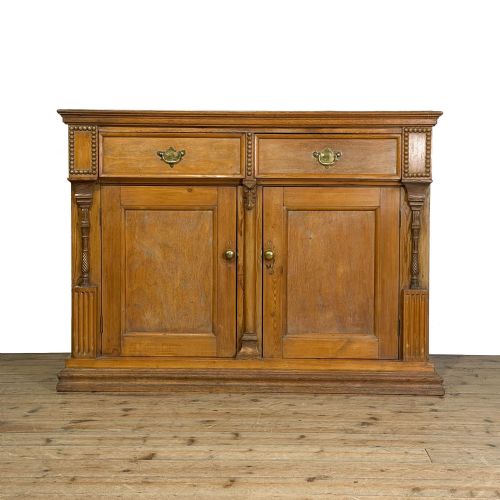
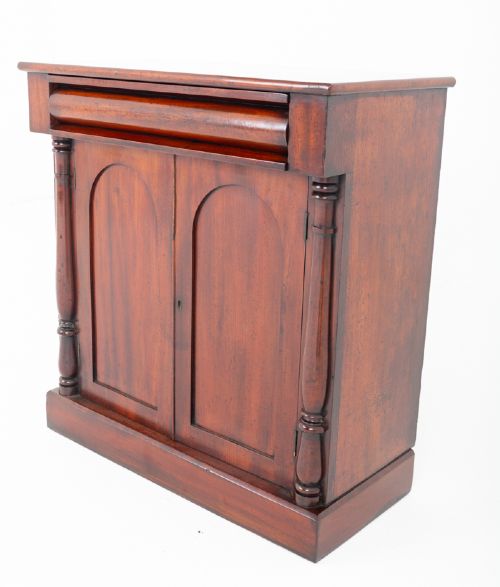
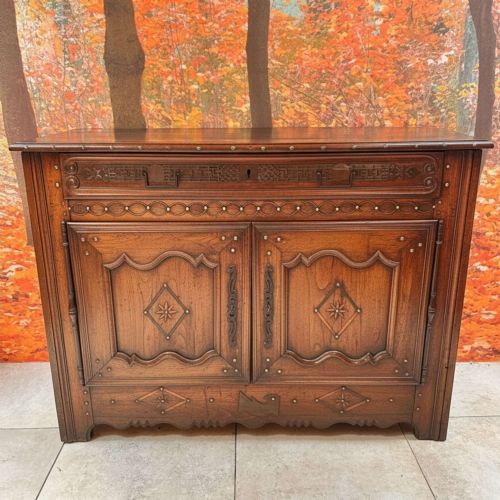
A two door buffet offers grounded storage and surface space, bringing practical utility and period character to a room.
Two Door Buffet
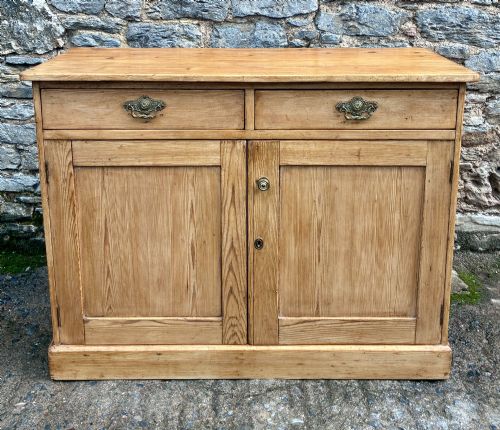
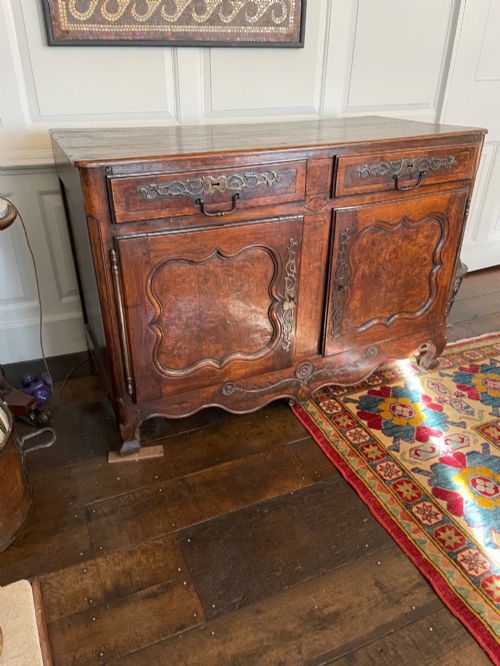
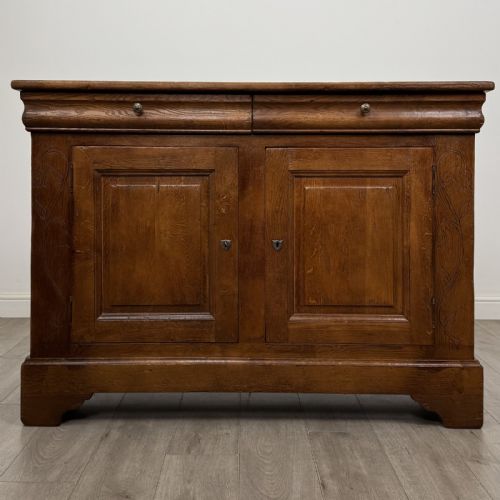
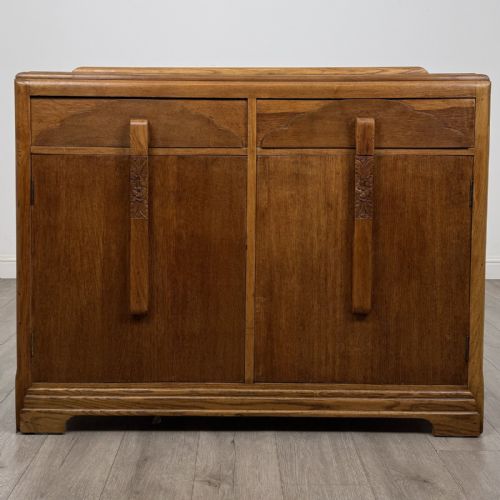
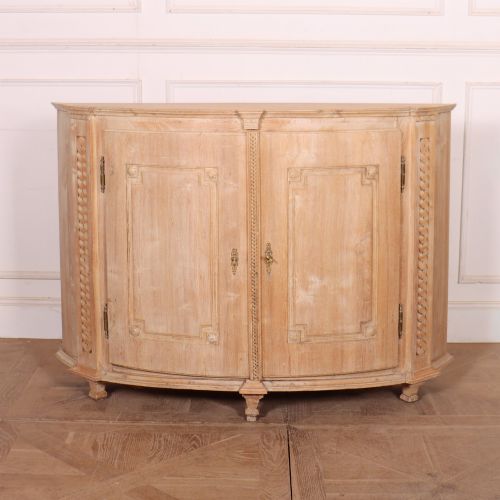
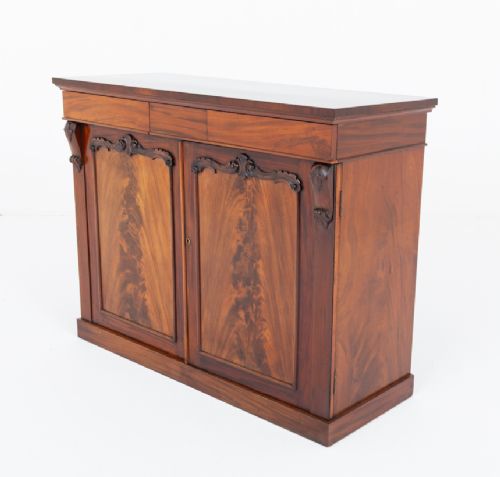
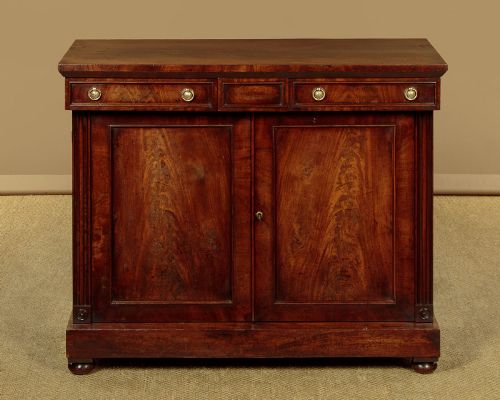
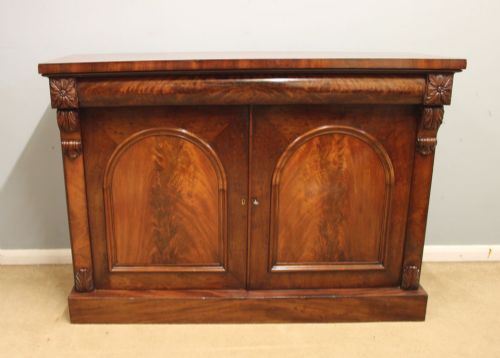
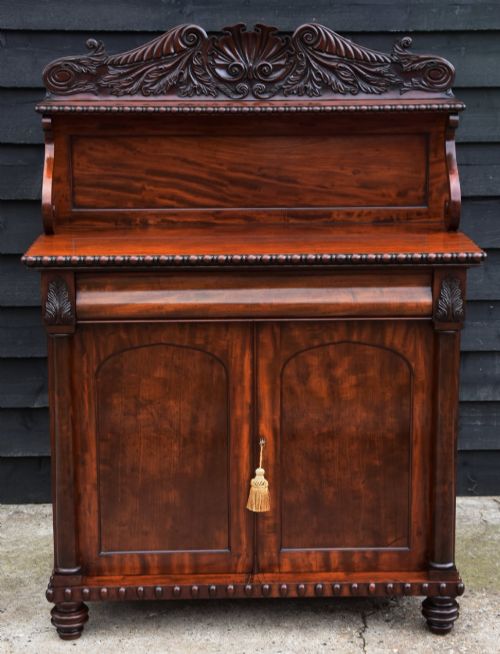
A two door buffet is a low storage piece designed to hold tableware, linen, or provisions while providing a flat top surface. These forms range from compact side cabinets and chiffoniers to broader dresser bases and cupboards.
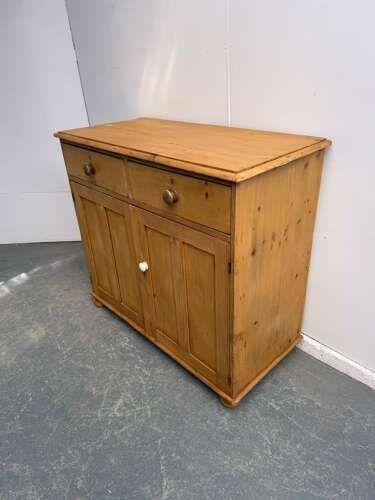
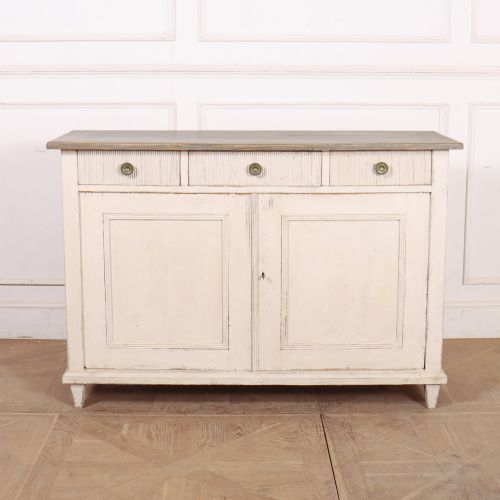
The versions met on this page span several centuries and regions, including Georgian and Victorian British pieces alongside French, Dutch, and Scandinavian provincial examples. Timber choices run from dense mahogany and figured walnut to durable oak and scrubbed pine.
Makers adapted the form for formal dining rooms, country kitchens, and narrow hallways alike. Buyers encounter everything from austere walnut servers to painted cupboards and marble-topped continental buffets.
How they were made
Cabinetmakers constructed these pieces primarily in solid hardwoods and softwoods, utilising oak, mahogany, walnut, pine, cherrywood, and chestnut. Joinery relied on traditional methods like dovetailing for drawers and mortise and tenon frames for doors.
Surfaces received various treatments depending on the regional style and period, from hand-waxed pine and polished flame mahogany to painted finishes, japanning, and pink marble tops. Brass hardware, iron fixtures, and carved detailing completed the construction.
Two Door Buffet Retail Price Guide 2026
Typical asking prices for two door buffet among the pieces listed under this phrase on Sellingantiques today, from the lower quarter to the upper quarter. They describe what is for sale here now, not the wider market.
Listings feature oak, mahogany, and walnut alongside painted pine from Georgian, Victorian, and continental traditions.
What varies in quality
The calibre of a two door buffet rests on the choice of timber and the precision of its construction. Pieces featuring figured veneers, select mahogany, or finely grained oak demonstrate superior material selection by the maker.
Proportion and detail elevate finer examples above utilitarian storage. Crisp carving, integrated galleries, harmonious inlay, and substantial brass mounts distinguish bespoke workshop output from simpler provincial carpentry.
The Two Door Buffet Glossary
- Chiffonier
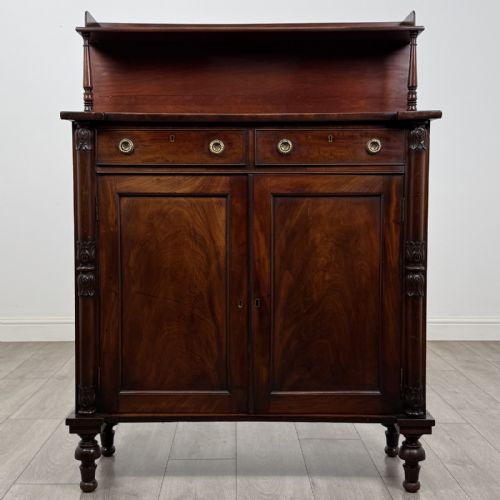
- A compact sideboard or side cabinet developed during the nineteenth century, often fitted with a raised shelf or gallery on the top surface.
- Dresser base
- The lower section of a kitchen or dining dresser, combining cupboard doors with drawers along the upper edge.
- Bowfront
- A curved front facade that swells outward in a convex arc, softening the linear geometry of the cabinet.
- Japanning
- A European imitation of East Asian lacquerwork, building up hard resin finishes in black or colours often decorated with raised motifs.
Two Door Buffet: Frequently Asked Questions
Where should I put a two door buffet?
These cabinets suit dining rooms, living spaces, and wide hallways where surface display and concealed storage are required. Their modest footprint allows them to fit against walls that cannot accommodate a larger sideboard.
Ensure there is sufficient clearance for the doors to swing open fully without hitting surrounding furniture. The top surface functions well for lamps, ceramics, or serving food during gatherings.
How do I care for a waxed or polished wood buffet?
Maintain wooden surfaces by dusting regularly with a soft cloth and applying a traditional beeswax periodically to nourish the grain. Avoid placing furniture in direct sunlight or near heat sources to prevent timber splitting.
Use coasters and placemats on the top surface to protect the polish or wax finish from moisture and heat rings. Painted or marble-topped variants require gentle wiping with a damp cloth rather than solvent cleaners.
Can I use a kitchen dresser base for storage?
Kitchen dresser bases provide deep cupboards and practical drawer space designed originally for culinary provisions and tableware. They integrate easily into modern kitchens or pantries for everyday crockery storage.
The sturdy timber construction handles heavy use, while the wide top gives extra prep or counter space. Many pieces retain a rustic charm from generations of domestic service.
What is the difference between a chiffonier and a sideboard?
A chiffonier is generally smaller and more enclosed than a traditional sideboard, frequently including a raised back tier or gallery. These pieces became popular in nineteenth-century interiors for compact reception rooms.
Sideboards tend to be longer and may combine multiple doors with central drawers. Both forms offer enclosed cabinet space, but chiffoniers emphasise compact elegance and display height.