



Twin Light Table Lamp
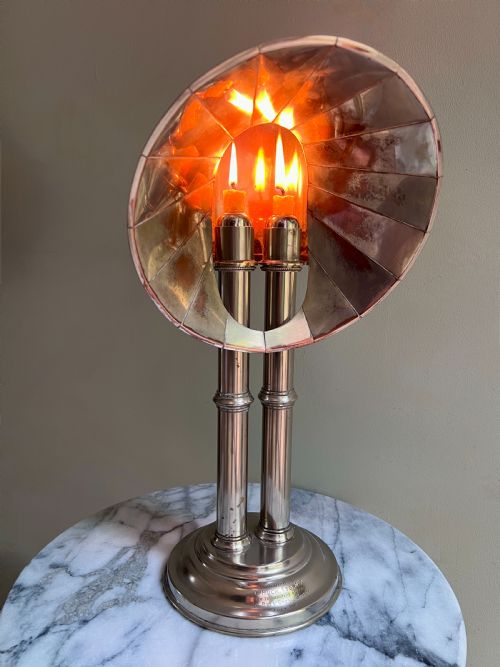
A twin light table lamp brings paired illumination to a desk, sideboard or night-table, offering double the functional glow with period character.
Twin Light Table Lamp
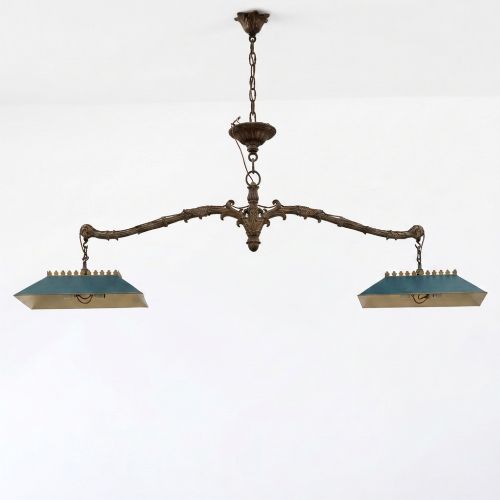
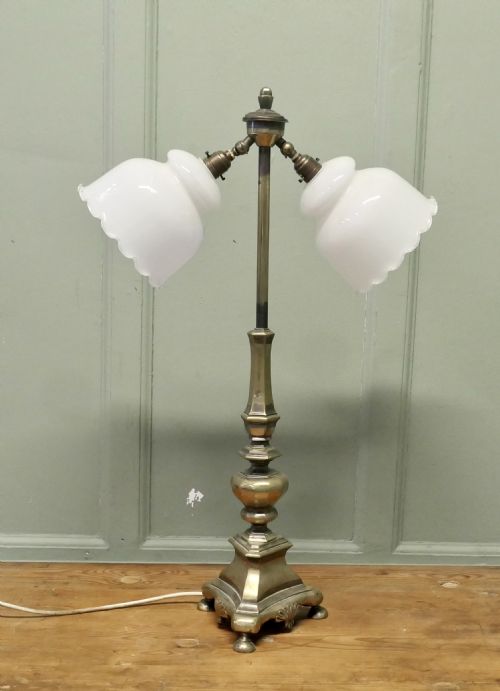
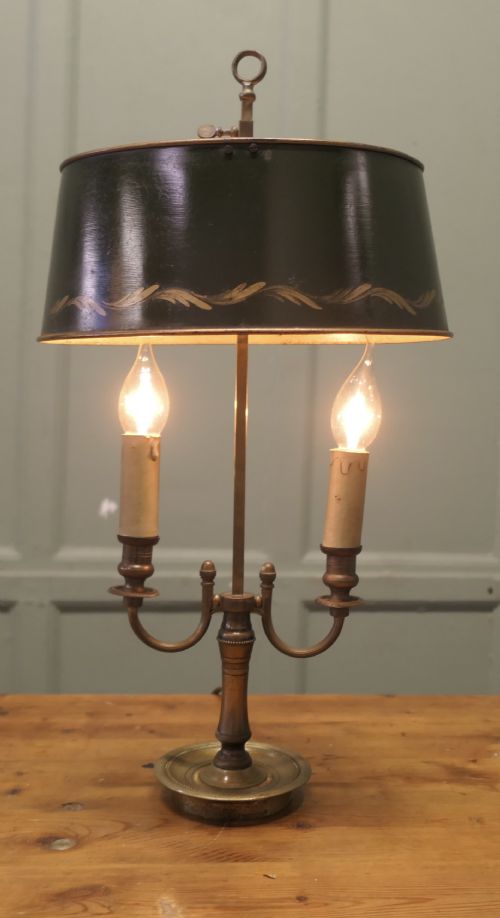
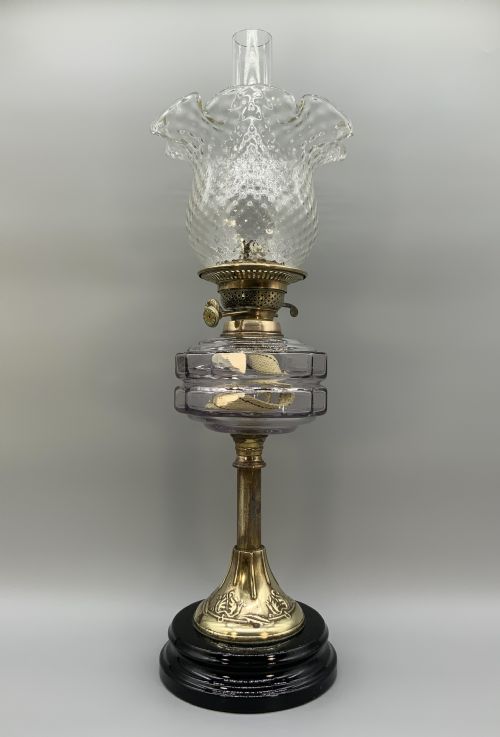
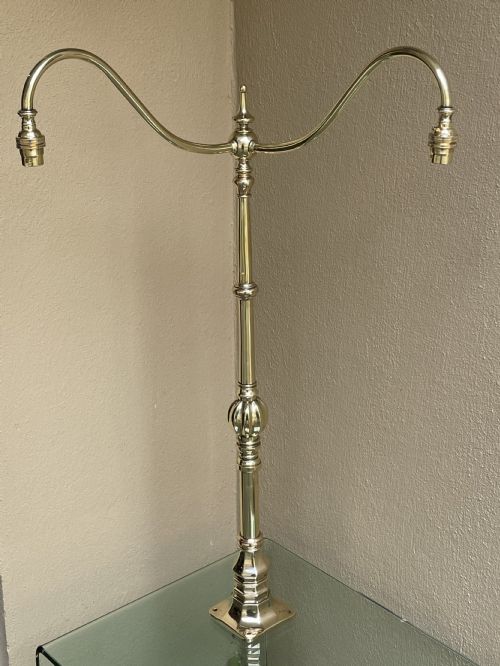
A twin light table lamp provides double illumination through dual burners, twin arms or paired bulbs, appearing in forms ranging from reading lamps to bouillotte desks lights. These pieces surface in periods spanning the Victorian era through the Art Deco years, capturing the design shifts of the nineteenth and early twentieth centuries.
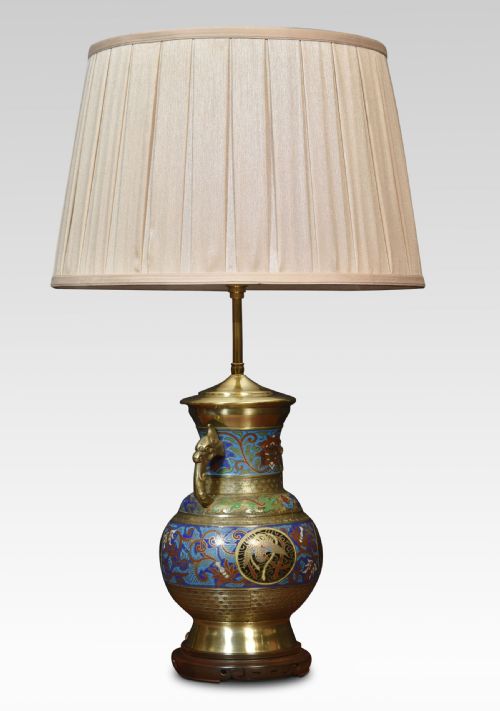
Makers and designers from various European and Asian traditions contributed to this group, including pieces bearing porcelain figures or cloisonne vases. Buyers encounter styles stretching from French Empire and Neoclassical down to modernist Art Deco and Art Nouveau.
Materials and Construction
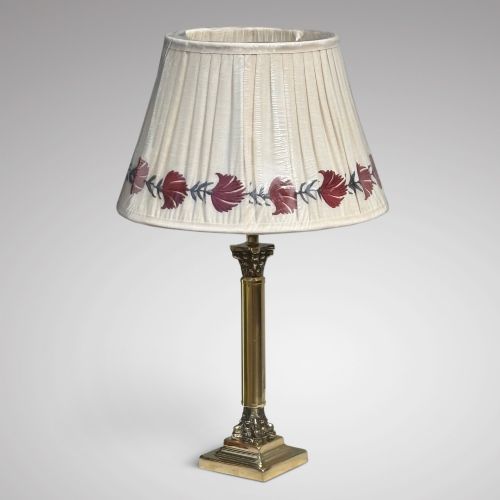
Metalworking forms the structural backbone of these pieces, utilising cast brass, bronze, silver-plate and toleware to shape twin arms, Corinthian capitals and dual chamber sticks. Artisans combined these metallic elements with hand-blown glass shades, frosted glass panels and cut crystal drops.
Ceramic and stone integration appears frequently, incorporating porcelain figures, blue and white vases, celadon vessels and solid marble plinths. Hand-painted details, cloisonne work and inscribed silver plating demonstrate the varied decorative techniques applied to the lamp bodies.
One notable Art Deco night light casts its glow directly over two sculpted Alsatian dogs resting on a marble base.
Assessing Quality and Execution
The distinction between standard examples and superior pieces rests upon the crispness of the casting work, particularly visible in the detailing of brass mounts, figural elements and Corinthian capitals. Heavier gauge metals, substantial marble bases and intricate hand-blown or frosted glass shades indicate higher manufacturing ambition.
Material selection and artistic collaboration elevate individual items, such as named porcelain factories or specialised metal finishers working in distinct styles like Art Nouveau or French Empire. The integration of dual light sources must balance proportion and mechanical execution harmoniously within the overall silhouette.
Karl Ens·Anton Buschelberger
The Twin Light Table Lamp Glossary
- Bouillotte lamp
- A traditional desk lamp featuring a central adjustable shade and twin candle arms, originally designed for the card game bouillotte. These typically combine a toleware or metal shade with a brass basin base.
- Newel post lamp
- A decorative light fixture designed to sit atop the terminating post of a staircase or entrance hall balustrade. They provide substantial illumination near entryways.
- Toleware
- Painted or lacquered sheet metal, frequently used for lamp shades and bodies in contrasting colours. This technique gained popularity for durable desk accessories.
- Corinthian capital
- The ornate, bell-shaped top of a classical column decorated with acanthus leaves, often replicated in the brass shafts of Edwardian lamps. It brings architectural formality to the piece.
- Candelabra lamp
- A lighting fixture adapted from or styled after multi-branched candle holders. These carry twin or multiple bulb fittings to mimic traditional wax candle illumination.
Twin Light Table Lamp: Frequently Asked Questions
What is a twin light table lamp?
A twin light table lamp is a lighting fixture designed with two distinct light sources, arms or burners on a single base. These pieces provide balanced illumination for reading or workspace tasks.
They appear across various historical periods, incorporating materials such as brass, bronze, glass and porcelain to match diverse interior schemes.
How were old twin lamps used?
These lamps served practical daily needs on desks, reading tables, night-stands and entrance halls where stronger or dual-direction light was required. Earlier versions often utilised oil or candles before converting to electricity.
Their dual burners or arms allowed users to illuminate a wider surface area during evening hours.
How do I date a twin lamp?
Dating relies on identifying stylistic markers, materials and manufacturing techniques characteristic of periods like the Victorian era, Edwardian years or Art Deco movement. Structural clues such as threaded wiring holes, casting methods and maker marks help narrow the era.
Comparing the decorative motifs, such as Neoclassical columns or modernist geometric lines, further clarifies the decade of origin.
Can I use modern bulbs in them?
Most antique lamps accommodate modern bulbs if the wiring and lamp holders meet current safety standards. Many pieces have been re-wired over time for safe domestic use.
Consulting a qualified electrician ensures that older brass or metal fittings safely handle contemporary electrical loads.
Where should I place one?
A twin light table lamp suits large desks, sideboards, buffets or wide bedside tables where its dual-arm spread can be fully appreciated. Their substantial presence anchors a room's lighting scheme.
They work well as statement accent pieces that combine functional task lighting with decorative historical character.