





Twentieth Century Oil Landscape
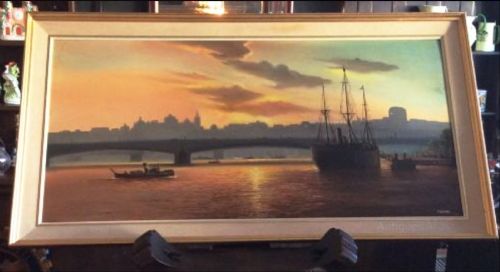
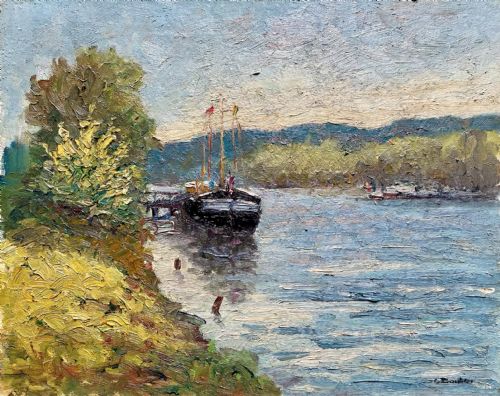
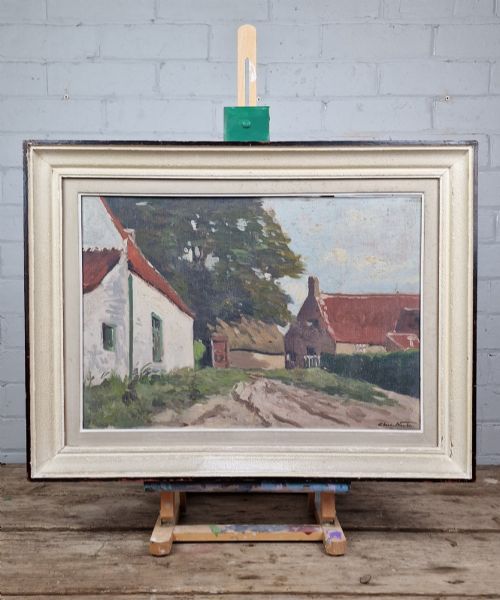
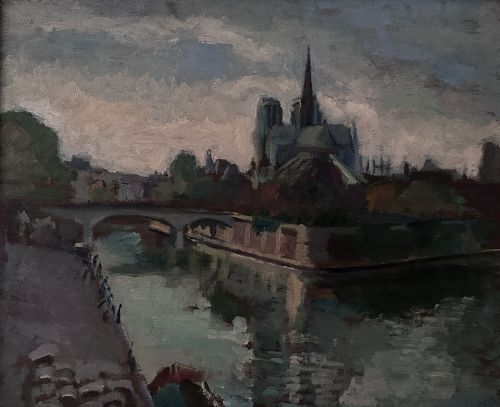
A twentieth century oil landscape captures the changing light and rural or urban expanses of the era through expressive brushwork.
Twentieth Century Oil Landscape
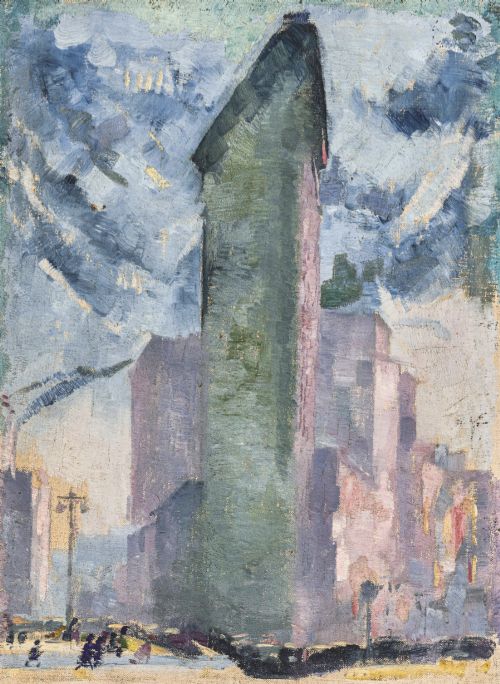
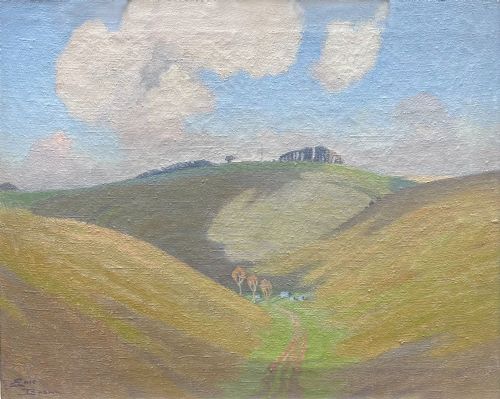
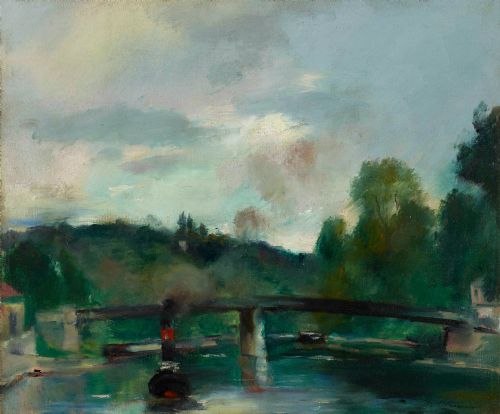
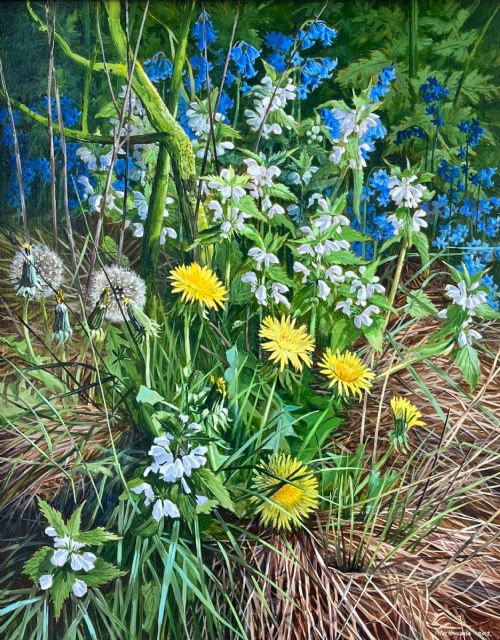
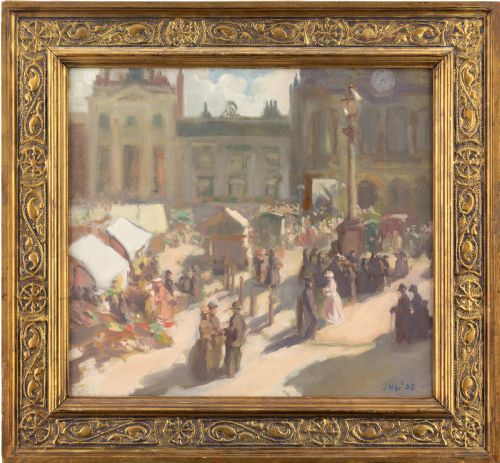
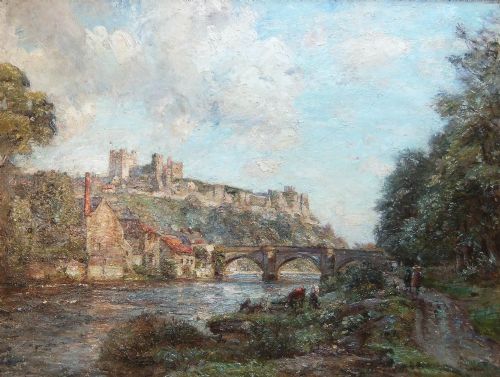
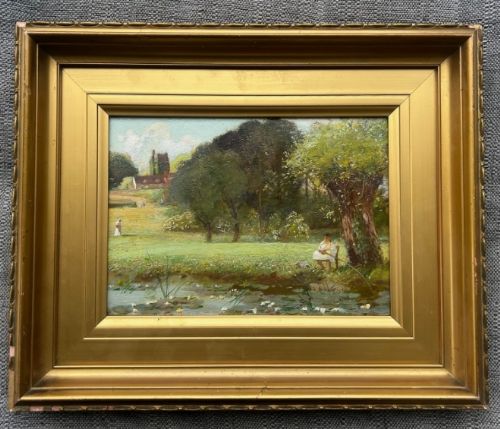
A twentieth century oil landscape brings together diverse regional views, ranging from Yorkshire valleys and Scottish rivers to French coastal scenes and bustling city streets. These paintings document both natural scenery and urban environments through various stylistic lenses.
The pieces on this page are most commonly found in mediums such as oil paint on canvas, board, or wood panel, often housed within original frames including giltwood.
Stylistic approaches span British Impressionism, Post-Impressionism, Modern British, and 20th Century Realism, reflecting the shifting aesthetic priorities of the decades from the 1900s onwards.
Materials and methods
Artists of this era applied oil paint directly onto stretched canvas, prepared wooden panels, or cardboard boards, utilising the slow-drying medium to build texture and depth.
Framing played a significant role in presentation, with many works retained in period frames, including ornate giltwood designs that complement the palette of the painting.
The selection includes works dated across multiple decades, utilising materials such as canvas, wood panels, and giltwood frames.
Evaluating the work
Quality in these landscapes depends upon the handling of light and the surety of the brushwork, where confident application distinguishes a spirited sketch from a laboured composition.
The relationship between the subject matter and the chosen scale also dictates success, as well as the preservation of the original paint surface and its framing.
Clifford Hanney·Charles Houben·Alfred Wolmark·Eric Brown·Henri Ottmann·Peter Newcombe·John Hodgson Lobley·Herbert Royle·Paul-Élie Gernez·Sir David Murray·Gabriel Dauchot·Merio Ameglio·Donald McIntyre·William Grant Murray·Florence Hess·Cecil R. Doyly-John·Helmut Reuter·William Lambert Bell·Robert Lesley Howey·Owen Bowen·Fred Stead·Ernest Cox·Ernest Higgins Rigg·Augustus William Enness·William Savage Cooper
The Twentieth Century Oil Landscape Glossary
- Oil paint
- A slow-drying medium composed of pigments suspended in a drying oil, typically linseed, allowing for rich blending and textured impasto.
- Post-Impressionism
- An art movement extending Impressionism while rejecting its limitations, focusing on more symbolic content and expressive use of paint.
- Impasto
- The process of applying paint thickly on a canvas, so that the brush or palette knife marks remain visibly standing out from the surface.
- Giltwood
- Wood carved and covered with a thin layer of gold leaf or gold paint, frequently used for period picture frames.
- Panel painting
- A painting executed on a flat panel made of wood rather than stretched canvas.
Twentieth Century Oil Landscape: Frequently Asked Questions
What defines a twentieth century oil landscape?
These works are original paintings created using oil-based pigments on canvas or panel during the 1900s up to the later decades. They capture natural and urban views through the evolving techniques of the period.
Subjects range from serene rural valleys and coastal scenes to industrial rivers and city bridges, reflecting diverse British and European artistic movements.
How should I hang these paintings?
These oil works suit traditional or contemporary wall spaces, provided they are kept away from direct heat sources and strong, prolonged sunlight. Ensuring stable indoor humidity protects both the wood or canvas support and the oil paint layer.
Matching the frame to your interior style helps integrate the piece, while utilising secure wall fixings supports the weight of framed canvas and panel works.
How do I identify the period of the painting?
Dating often relies on the artist's recorded working life, stylistic markers associated with movements like Post-Impressionism, and the construction of the canvas support or frame. Signatures, dates inscribed on the reverse, and exhibition labels also provide clear chronological evidence.
Comparing the handling of light and subject matter to documented works from the same decade helps narrow down the creation date.
Were these paintings meant for display indoors?
Yes, these fine art oil paintings were created from the outset as finished works intended for domestic or institutional interior display. They were typically framed promptly upon completion to protect the edges of the canvas or wood panel.
Their primary function was aesthetic enrichment, recording specific topographical locations or imaginative rural vistas for collectors of the era.