




Twentieth Century Floral Art
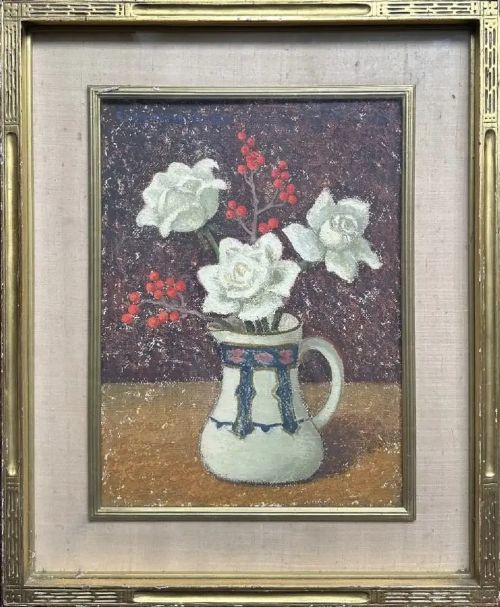
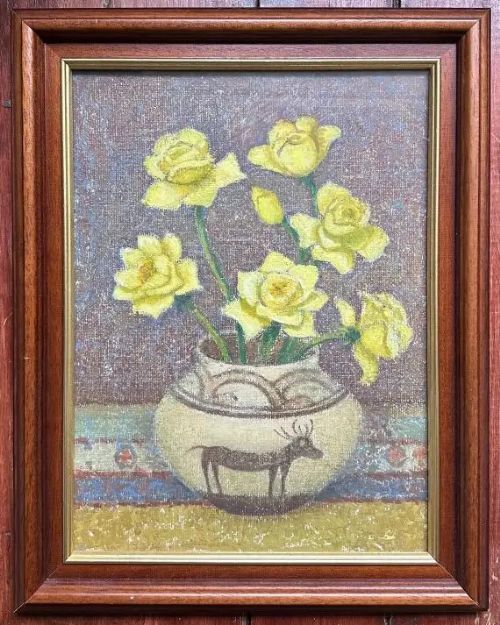
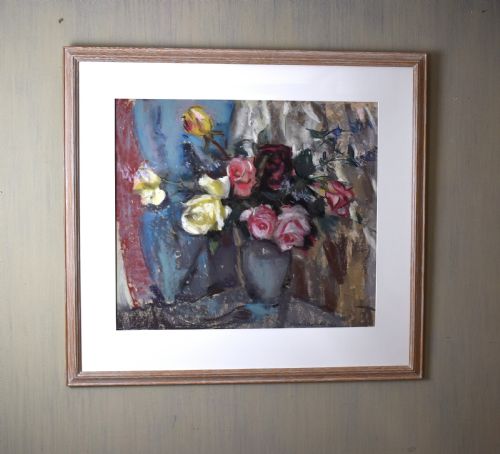
Twentieth century floral art brings blooms into the interior through paintings and vases that capture gardens, hedgerows, and gathered stems.
Twentieth Century Floral Art
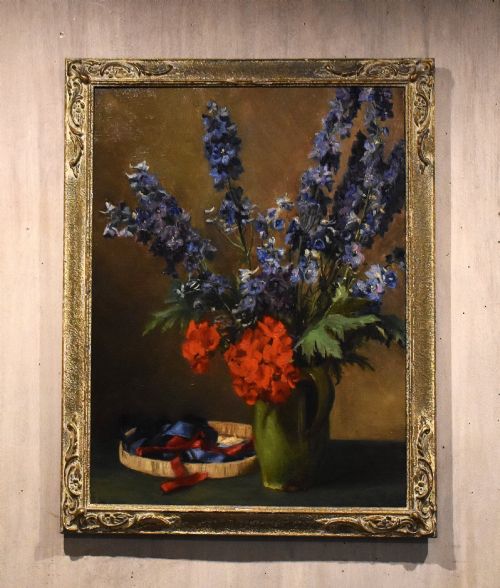
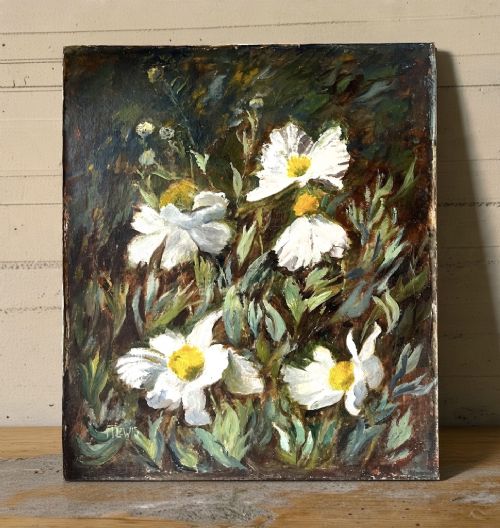
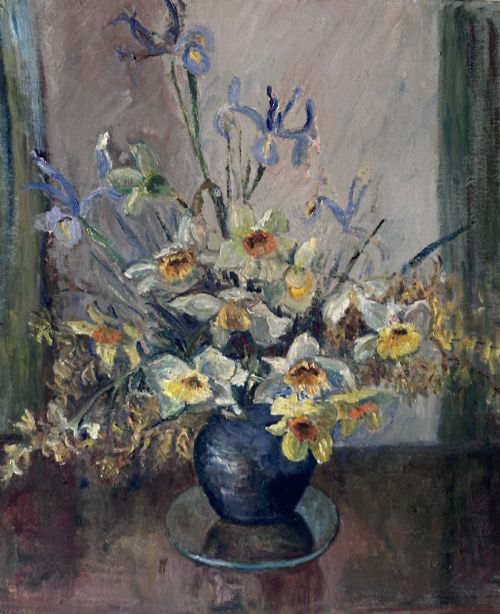
Twentieth century floral art spans oil paintings, watercolours, pastels, gouache, and pottery vases made across the decades. The selection includes British Impressionism, Modern British Realism, and Mid-Century works alongside early twentieth century pieces.
Vases and wall art feature prominently, showing botanical subjects from garden scenes to detailed studies of roses, lilies, and wallflowers. Works range from the nineteen-tens through to the nineteen-sixties and beyond.
Buyers encounter framed original artworks and pottery pieces created by named artists and regional makers. The grouping captures changing artistic interpretations of flowers throughout the hundred-year span.
Materials and construction
Paintings utilise oil on canvas, watercolour, gouache, and pastel on paper or canvas surfaces. Supporting elements include gilt frames and fabric mats that complement the visual weight of the compositions.
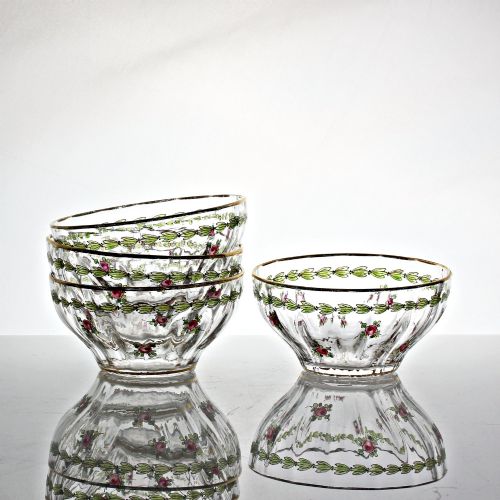
Glass and ceramic vessels are shaped using specialist techniques such as cameo glass etching and pottery throwing. Vases often incorporate painted floral decoration or textured surfaces suited to displaying cut stems.
Twentieth Century Floral Art Retail Price Guide 2026
Typical asking prices for twentieth century floral art among the pieces listed under this phrase on Sellingantiques today, from the lower quarter to the upper quarter. They describe what is for sale here now, not the wider market.
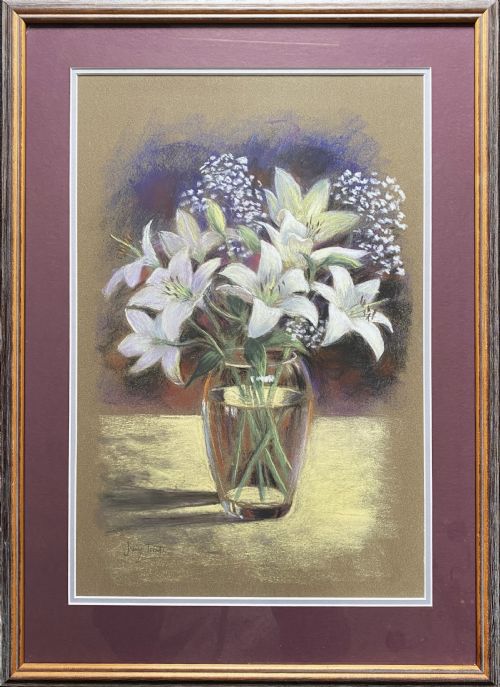
Springtime crocuses blooming in St James Park share space with still life arrangements of wallflowers and white lilies.
Assessing quality
Quality rests in the handling of the medium, whether the loose brushwork of an impressionist canvas or the precise detail of a botanical watercolour. Stronger pieces display confident draughtsmanship and harmonious colour relationships.
Condition of the surface, framing materials, and the preservation of the original pigment or glaze distinguish better examples. Original frames and intact glass surfaces add integrity to the finished piece.
Emma Fordyce MacRae·Peter Newcombe·Kershaw Schofield·Robin MacKertich·Lena M Alexander·Owen Bowen·Jennifer Toombs·Poole Pottery·Paul Nicolas·BEATRICE PARSONS·M.K Rhodes
The Twentieth Century Floral Art Glossary
- Gouache
- An opaque watercolour paint that dries to a matte finish. It allows for dense colour application and sharp botanical details.
- Cameo glass
- Glass formed with multiple layers of different colours, which are then etched or carved to create a raised design. This technique produces layered floral motifs on decorative vases.
- Pastel
- A dry drawing medium made of powdered pigment and a binder. Pastels yield velvety textures and luminous colour on paper surfaces.
- British Impressionism
- An artistic approach focusing on light, atmosphere, and rapid brushwork. Practitioners captured outdoor scenes and garden settings with expressive handling.
Twentieth Century Floral Art: Frequently Asked Questions
What periods do these pieces cover?
The selection spans from the early nineteen-tens through the nineteen-twenties, thirties, forties, fifties, and sixties, extending past nineteen-sixty.
Works reflect the artistic styles of their respective decades, from early twentieth century watercolours to mid-century paintings and pottery.
How should I display a pastel painting?
Pastel works on paper require framing behind glass with a suitable mount to keep the surface clear of the glass.
Positioning them away from direct sunlight protects the delicate pigments from fading over time.
Are these ceramic vases functional?
Pottery vases from this period were designed to hold cut flowers as well as serve as decorative objects.
Careful handling during cleaning preserves the integrity of the original glazes and surfaces.
What is the difference between oil and watercolour here?
Oil paintings utilise canvas supports and offer rich textures with deep colour layering. Watercolours on paper provide lighter, more luminous qualities.
Both mediums capture botanical subjects but offer distinct visual finishes for interior spaces.