


Turning Treen
Turning treen brings together small wooden objects shaped on the lathe, offering domestic utility and folk artistry from past centuries.
Turning Treen
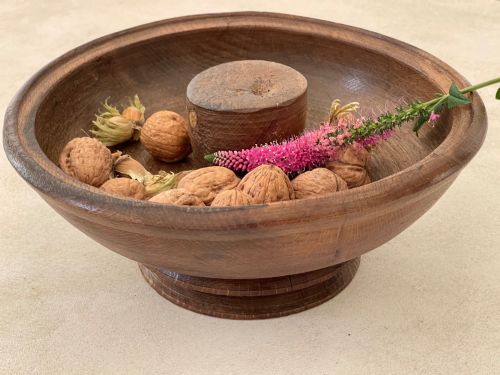
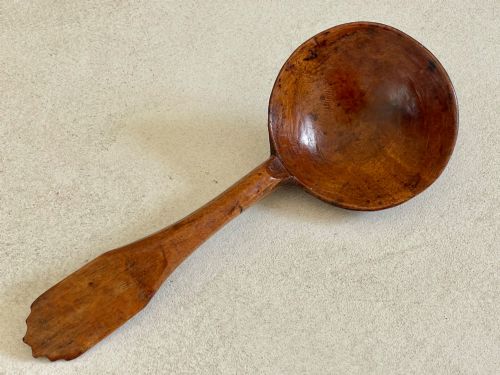
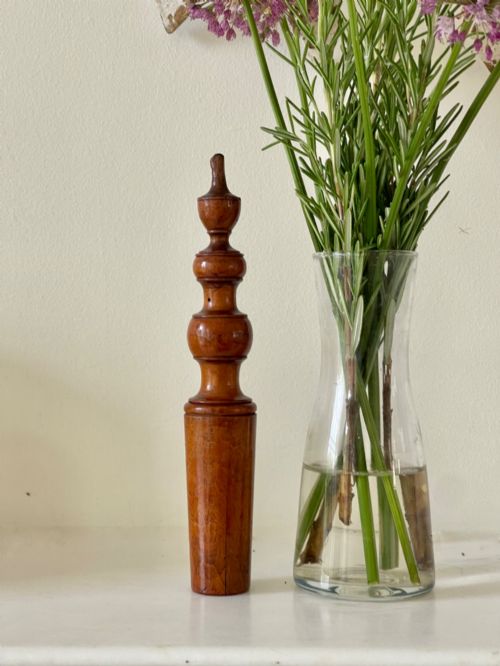
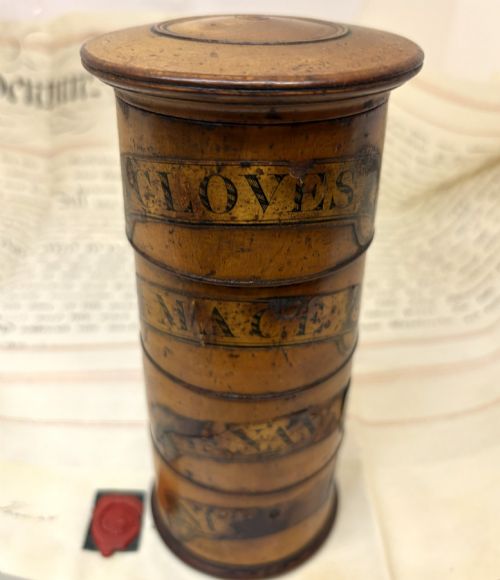
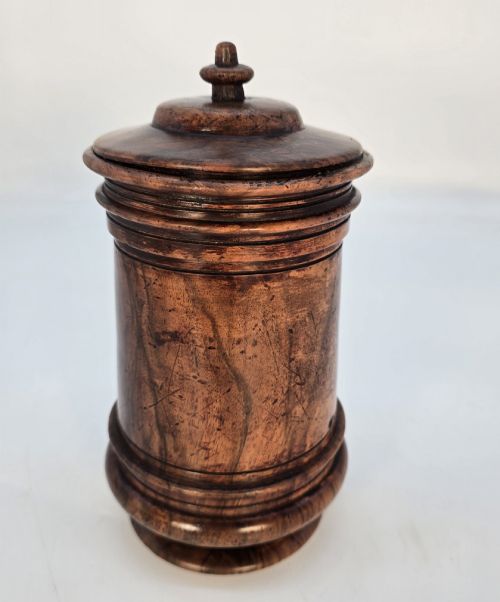
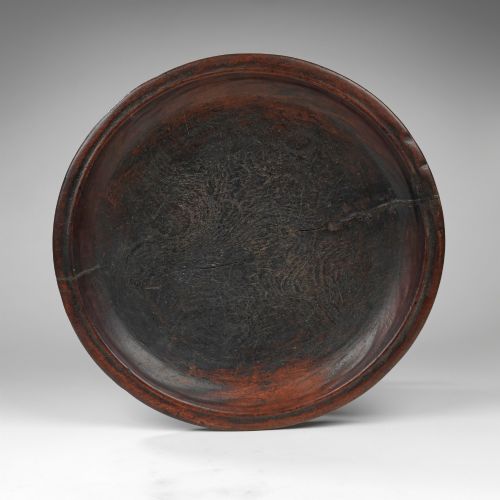
Turning treen encompasses utilitarian and decorative objects shaped from wood, ranging from dairy bowls and spice towers to string boxes and mortars. These pieces originate primarily from the seventeenth, eighteenth, and nineteenth centuries, reflecting domestic life and vernacular craft traditions.
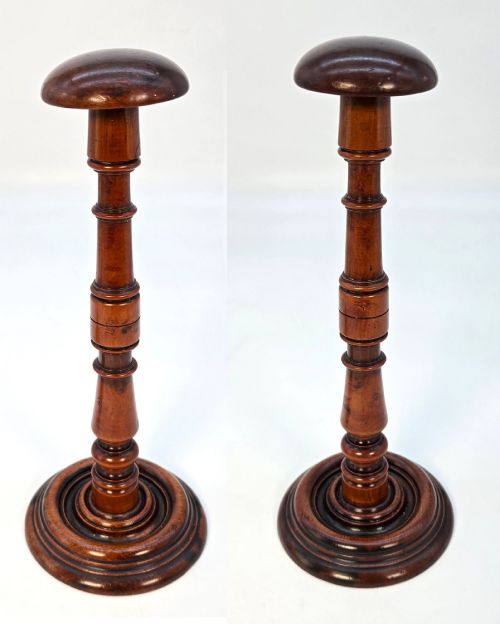
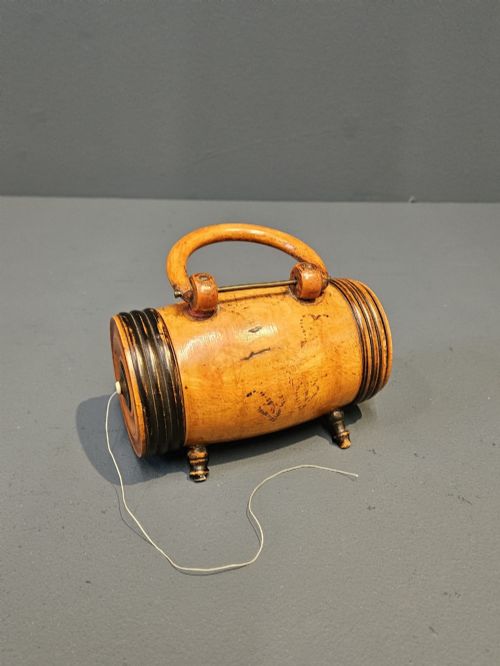
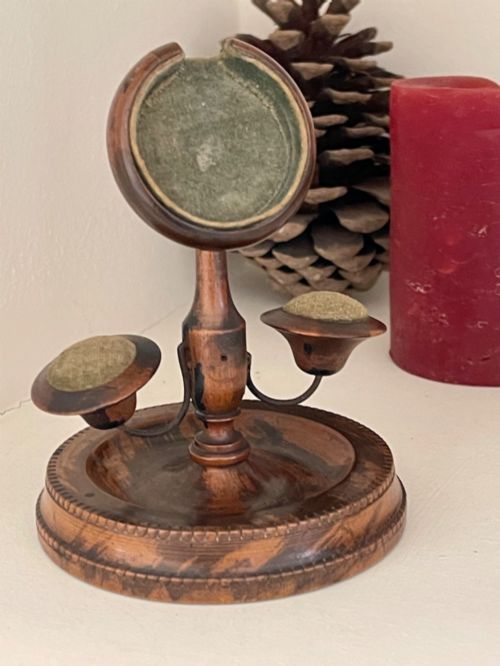
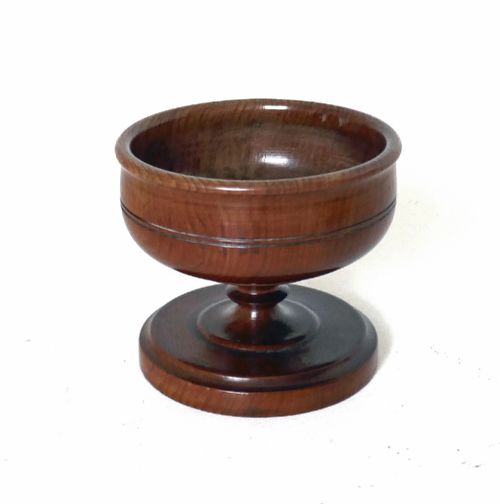
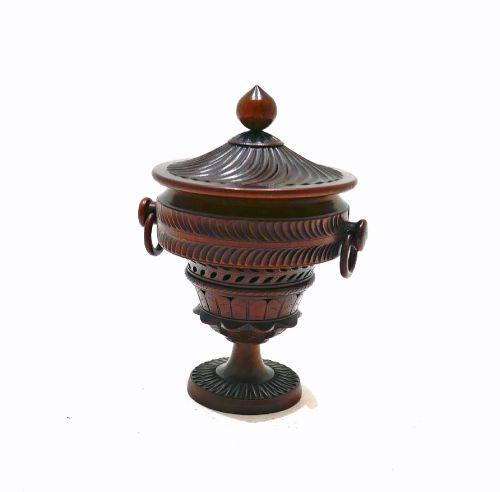
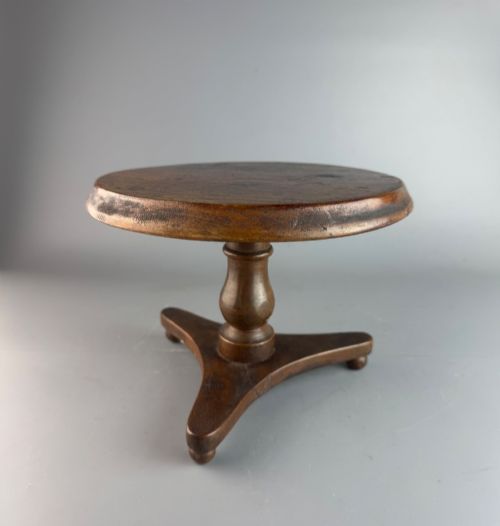
The objects on this page appear in various regional styles, including English country, Scottish folk art, and Victorian treen. Common forms include turned goblets, lidded cups, candlestands, and small containers shaped with functional utility in mind.
Woods and Lathe Turning
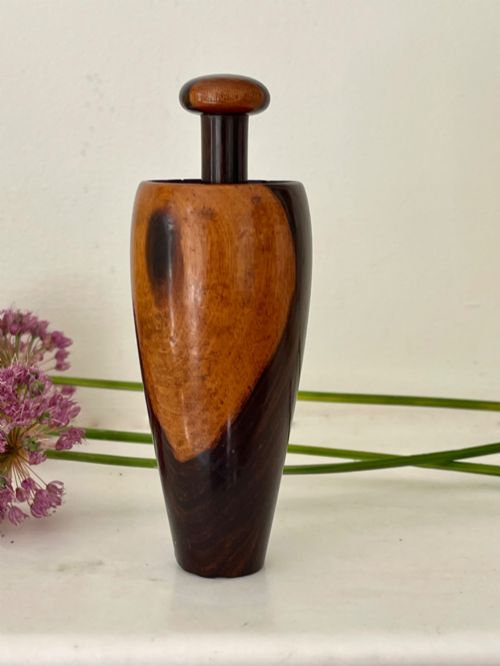
These items are shaped from hardwoods such as fruitwood, boxwood, sycamore, walnut, mahogany, laburnum, yew wood, and lignum vitae, often utilising the lathe to achieve spherical, cylindrical, and pedestal forms. Sycamore serves dairy bowls and platters, while denser timbers like lignum vitae and laburnum form mortars, goblets, and small turned boxes.
Makers shaped the timber while green or seasoned, employing simple lathe work alongside hand-carving for details like string box cutters, spice tower tiers, and raised bases.
Turning Treen Retail Price Guide 2026
Typical asking prices for turning treen among the pieces listed under this phrase on Sellingantiques today, from the lower quarter to the upper quarter. They describe what is for sale here now, not the wider market.
The listings feature pieces spanning the seventeenth, eighteenth, and nineteenth centuries, utilising woods including sycamore, fruitwood, walnut, and lignum vitae.
Material Density and Surface Patina
Quality rests upon the selection of timber and the crispness of the lathe turning, where tightly grained woods like boxwood or laburnum retain sharp mouldings and clean lines over centuries of handling. The depth of the surface patina, formed through continuous use and exposure to oils, defines the visual character of each piece.
Proportions also dictate distinction, seen in the balanced height of a spice tower, the symmetry of a pedestal goblet, or the stability of a raised base on a salt cellar.
The Turning Treen Glossary
- Treen
- Small handmade wooden domestic objects. The term derives from the Middle English word for tree.
- Spice tower
- A multi-tiered turned wooden vessel used for storing household spices. These containers unscrew section by section.
- Mortar and pestle
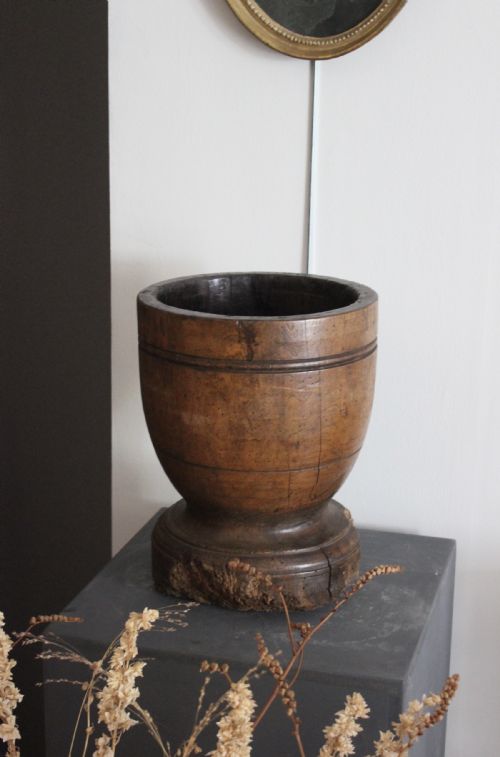
- A heavy bowl and club-shaped tool used for grinding materials. Examples in this category are turned from dense hardwoods like lignum vitae or walnut.
- Dairy bowl
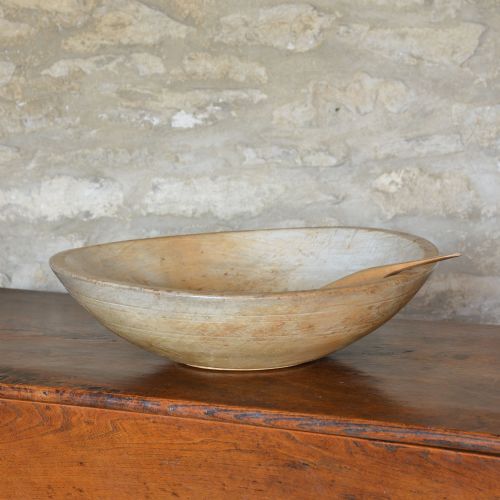
- A large shallow wooden vessel used in butter-making and milk processing. Sycamore is the standard timber for this form due to its clean grain and lack of strong odour.
- Lignum vitae
- A dense, heavy exotic hardwood used for turned drinking vessels and mortars. The timber sinks in water and resists splitting under pressure.
Turning Treen: Frequently Asked Questions
What is turning treen?
Turning treen refers to wooden objects shaped on a lathe for household or personal use. The items range from kitchenware and tableware to vanity and desk accessories.
These pieces showcase historical woodworking techniques applied to everyday domestic items across the seventeenth, eighteenth, and nineteenth centuries.
How do you date turned treen?
Dating relies on timber species, tool marks, wear patterns, and regional stylistic conventions. Georgian and Victorian examples often exhibit distinct turning profiles and assembly methods.
Changes in interior domestic habits across the eighteenth and nineteenth centuries also help place specific objects within a general timeframe.
Why is lignum vitae used for mortars?
Lignum vitae provides extreme density and natural oils that prevent the wood from absorbing moisture or splitting under heavy impact. This makes the timber ideal for grinding and pounding substances in mortars and pestles.
The weight of the wood also keeps the vessel stable during use.