


Turned Yew Wood
Turned yew wood brings together dense, richly figured grain and robust vernacular forms, offering functional seating and tables shaped by centuries of English country craftsmanship.
Turned Yew Wood
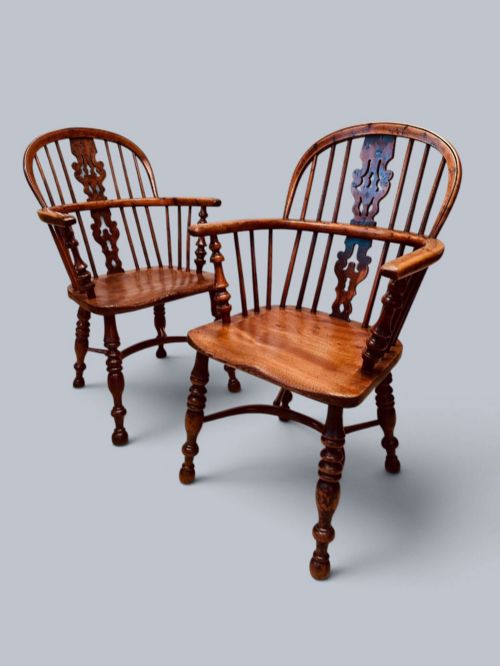
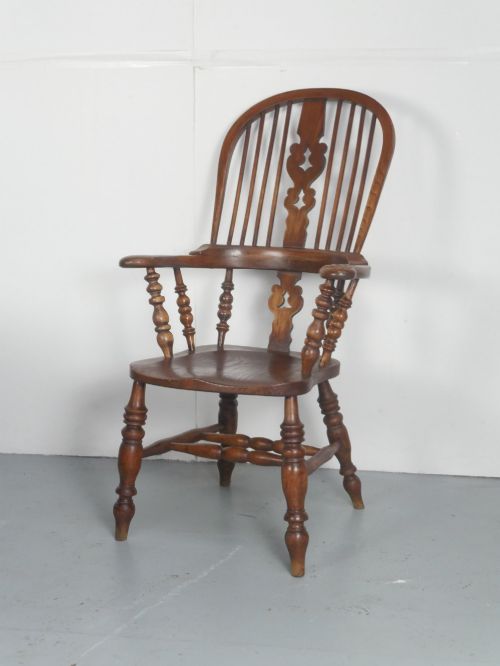
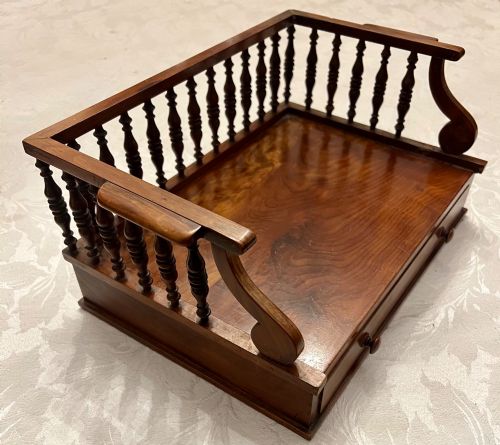
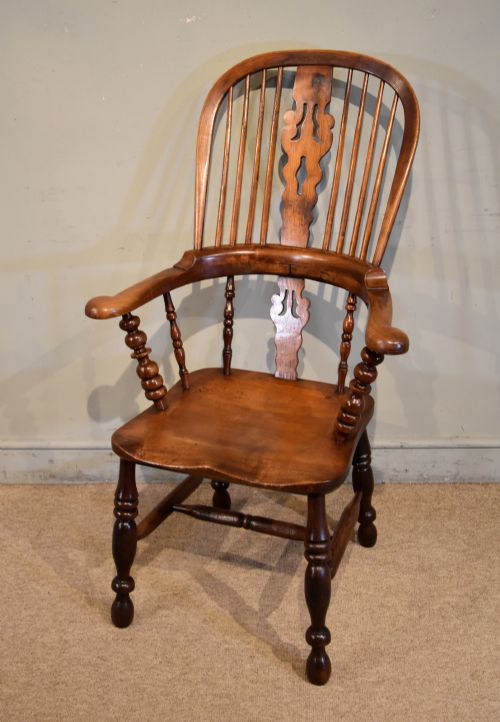
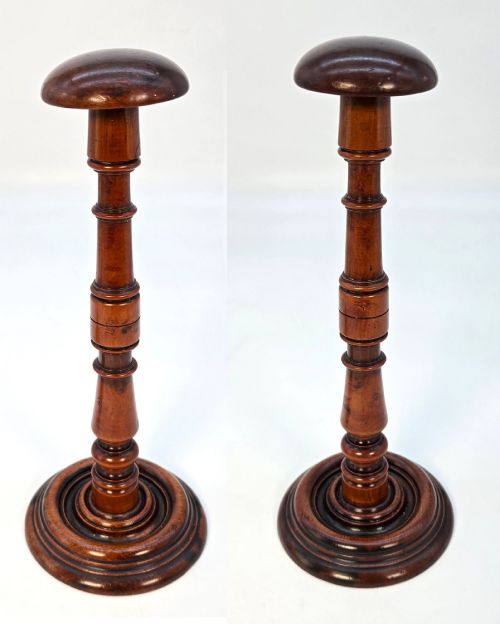
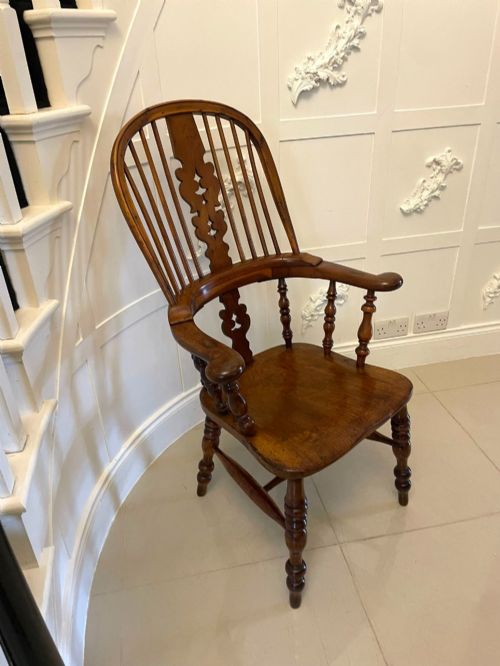
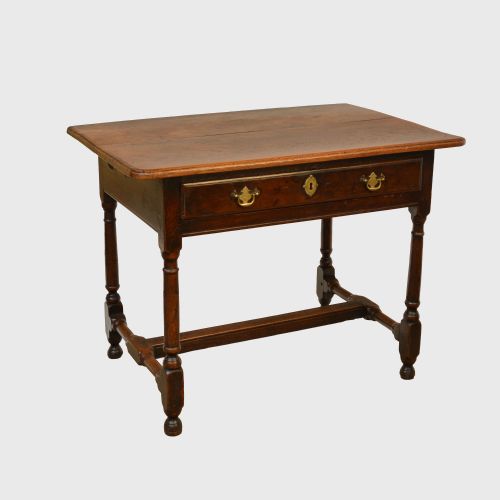
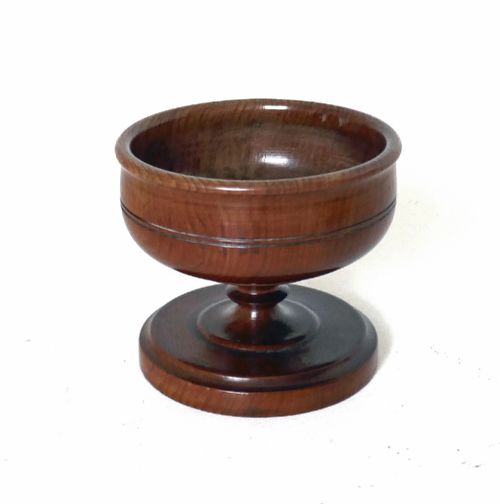
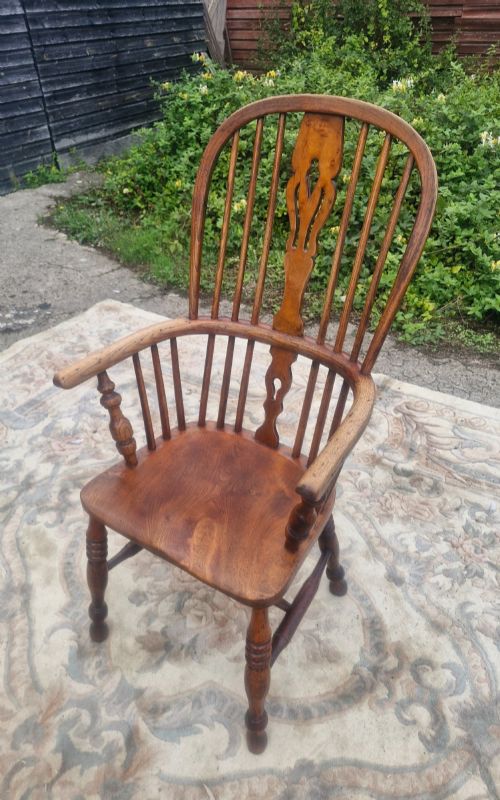
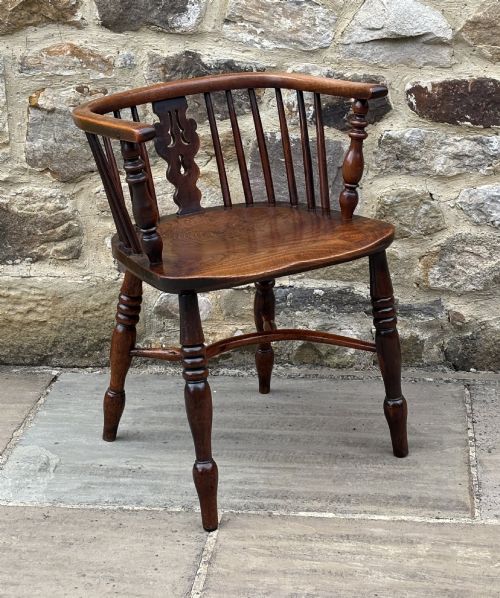
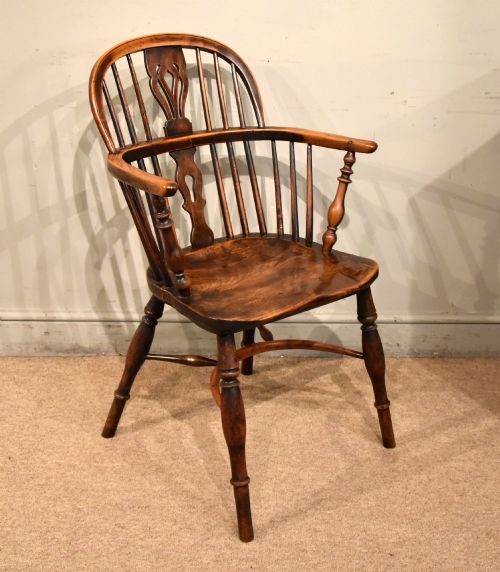
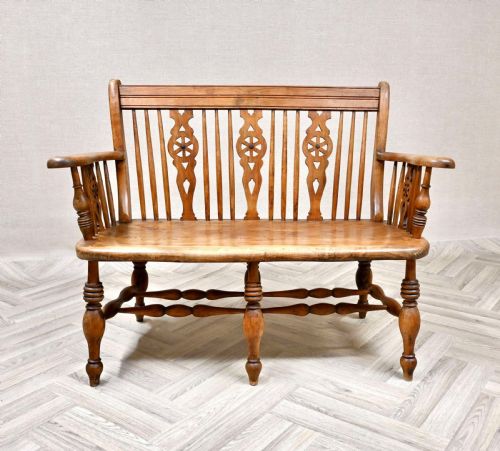
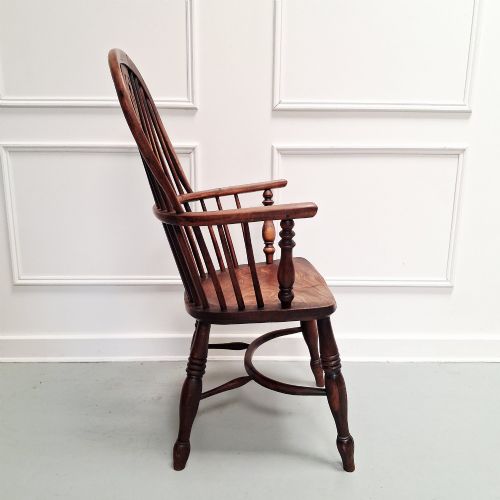
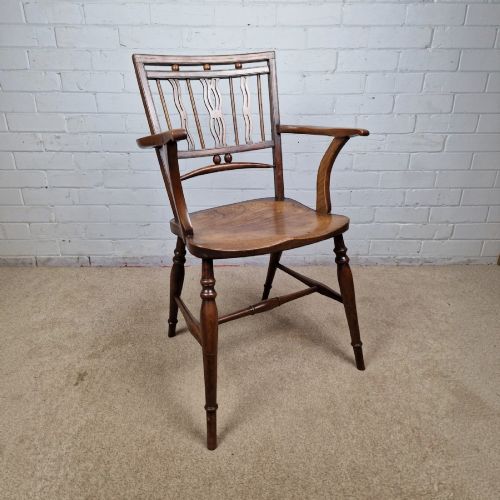
When searching for turned yew wood, buyers encounter an array of vernacular furniture and treen rooted in English country traditions from the eighteenth and nineteenth centuries. The selections on this page span Windsor armchairs, occasional tables, joint stools, and smaller treen items such as salts and wig stands.
Armchairs and Windsor variants dominate the offerings, frequently incorporating mixed woods like elm seats and ash stretchers alongside the characteristic yew components. These utilitarian items served domestic roles in country houses and farmhouses, relying on robust lathe-turned spindles and sturdy legs.
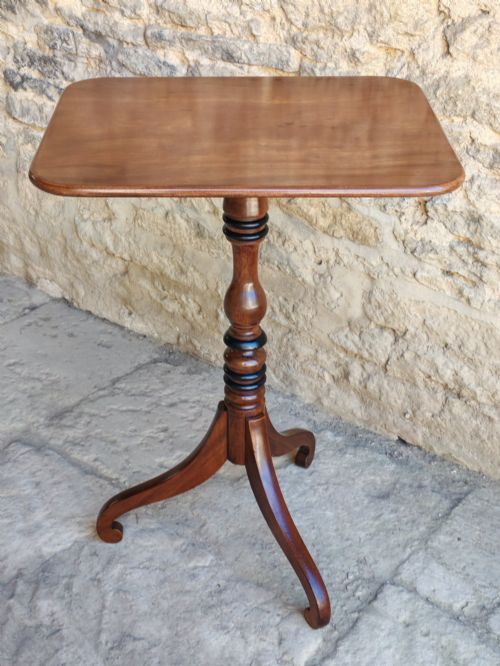
Smaller occasional tables and candle stand stools also appear, showcasing the warm, variegated grain inherent to the timber. Whether structured as gateleg tables or lamp tables, these objects demonstrate the versatility of yew in both seating and support furniture.
How they were made
Craftsmen utilised pole lathes to turn individual components such as spindles, stretchers, and legs from seasoned timber. This method produced tightly fitted joints and symmetrical turnings that imparted structural strength to chairs and small tables.
Cabinet makers and bodgers combined yew with complementary hardwoods, pairing yew wood frames and arms with elm seats and ash hoops. Brass fixings occasionally supplemented the wooden construction on specific tables and desk accessories.
Turned Yew Wood Retail Price Guide 2026
Typical asking prices for turned yew wood among the pieces listed under this phrase on Sellingantiques today, from the lower quarter to the upper quarter. They describe what is for sale here now, not the wider market.
The listings feature pieces from the 18th century, 19th century, Georgian, and Victorian periods, constructed from yew, elm, ash, and brass.
What varies in quality
The visual depth of the timber grain and the warmth of the surface finish distinguish superior examples from standard ones. Natural figures and rich patination accumulated through age elevate the visual impact of tables and chairs.
Structural integrity relies upon the precision of the original lathe work and the careful selection of mixed timbers. Well-balanced proportions in Windsor armchairs and tight joints in joint stools indicate skilled workshop production.
J SPENCER·Rockley
The Turned Yew Wood Glossary
- Windsor chair
- A wooden chair characterised by a solid sculpted seat into which the legs and back spindles are pegged directly. This form developed extensively in English country regions.
- Treen
- Small handmade wooden household objects produced by turning or carving. Items include turned salts and wig stands.
- Gateleg table
- A table with hinged leaves supported by swing legs that move outward like a gate. This construction allows the surface area to expand.
- Burr yew
- Wood taken from a tree growth or knot that produces highly swirling grain patterns. Cabinet makers prized this material for decorative table tops and small stools.
Turned Yew Wood: Frequently Asked Questions
What is a Windsor chair?
A Windsor chair is a wooden seat built with a thick timber seat slab that holds the legs and back spindles. Turned components form the back structure, offering sturdy support.
These chairs often combine yew wood frames with elm seats and ash spindles, reflecting regional English country construction methods.
How do I care for yew wood furniture?
Yew wood pieces require stable indoor humidity levels and protection from direct sunlight to preserve their rich grain and finish. Gentle dusting with a dry cloth maintains the surface patination.
Avoid placing these items near heat sources that could dry out the historic timber or loosen the turned joints.
Are these pieces from the eighteenth century?
The listings include examples originating from the eighteenth century through to the Victorian era. Georgian and Regency pieces sit alongside later nineteenth-century country items.
Examining the construction methods, tool marks, and wear patterns helps identify the approximate period of manufacture.
What is treen?
Treen encompasses small functional wooden objects created for domestic use through turning or carving. Examples range from salt cellars to wig stands.
These items highlight the versatility of turned wood in everyday household items prior to mass industrial production.