
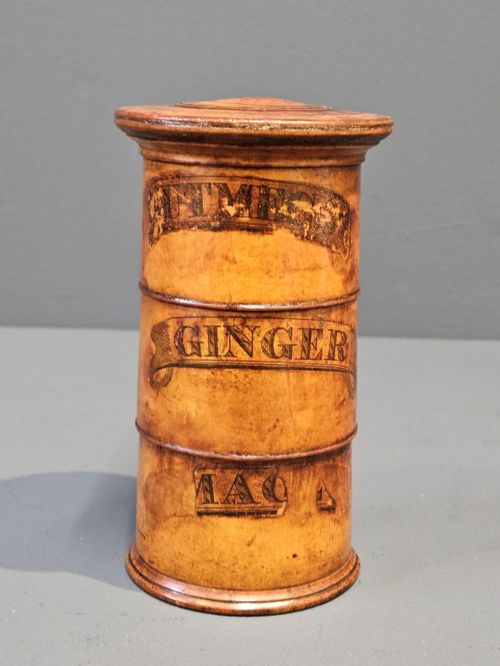
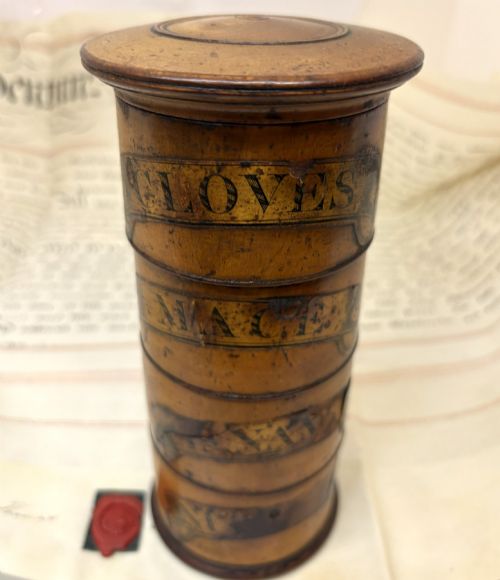
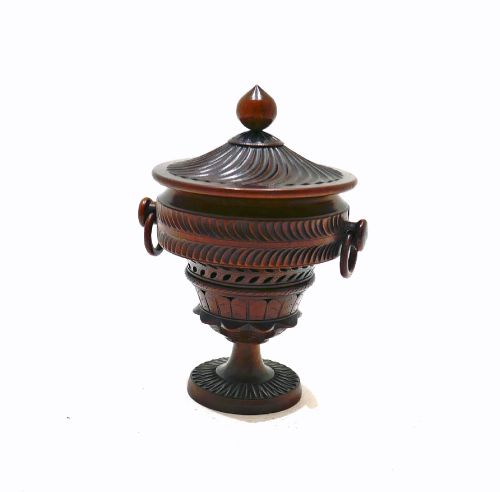
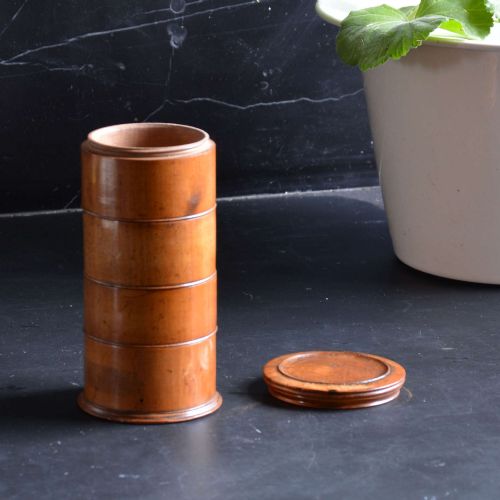




Turned Wooden Spice Container
These turned wooden spice container pieces are ingenious treen vessels built for domestic storage, offering tactile historical charm for any collector.
Turned Wooden Spice Container
The versions you are most likely to meet on this page hail from the Georgian and Victorian eras, with examples spanning the nineteenth century and the Edwardian period. They frequently appear as English country items or utilitarian folk art objects.
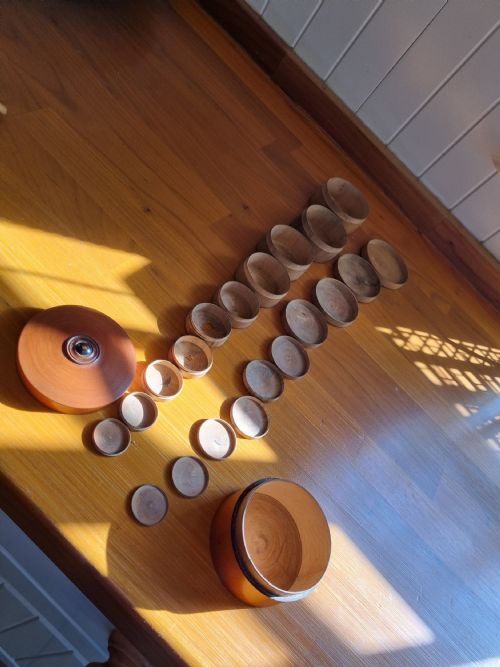
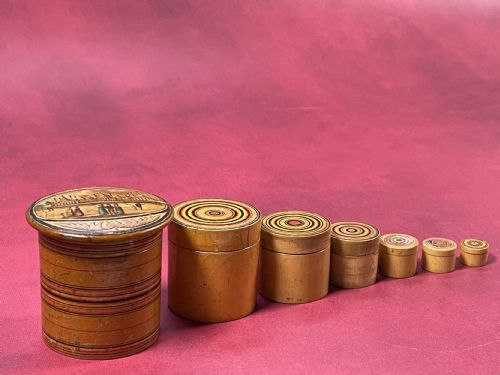
Makers produced these pieces using native timbers, sometimes forming stacking sections or holding nested smaller containers within a larger turned exterior. Their forms reflect the practical domestic needs of past centuries combined with neat lathe work.
How they were made
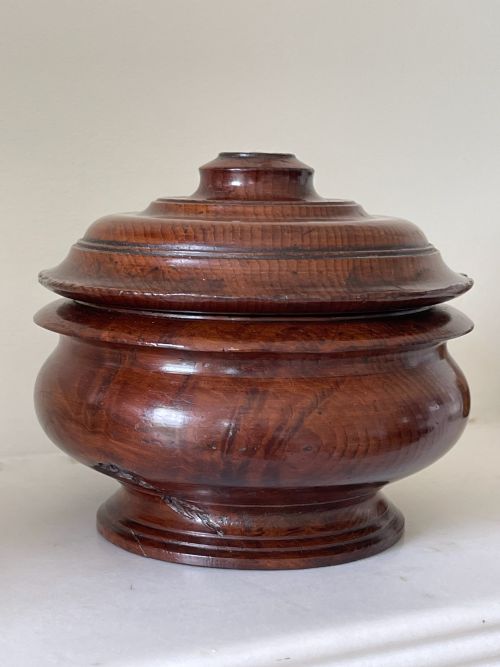
Craftsmen shaped these items on a lathe using various dense timbers, relying entirely on the natural grain of the wood for decoration. Boxwood, fruitwood, beech, sycamore, and yew feature prominently in the construction of these containers.
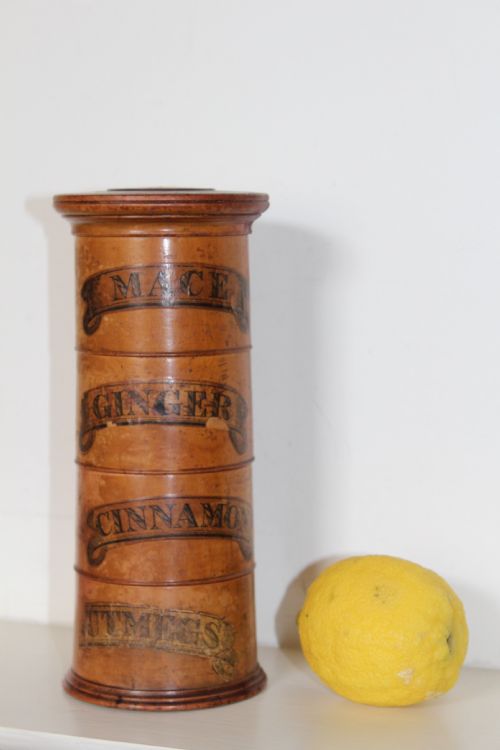
Some pieces incorporate clever multi-tier designs or stacking pots that fit precisely together. Occasionally, makers finished surfaces with paper labels or utilised specific regional woodworking traditions such as Tunbridge Ware.
The listings here span the Georgian and Victorian eras, utilising boxwood, fruitwood, sycamore, beech, and yew.
What varies in quality
The standard of these containers depends on the crispness of the lathe turning and the retention of original matching sections. Pieces that preserve their complete sets of inner compartments or secondary pots demonstrate greater completeness.
The choice of timber influences the character of the object, with dense boxwood and figured fruitwood offering finer detail than standard utility timber. Surface preservation and the integrity of fitted lids further distinguish better examples from simpler kitchen wares.
The Turned Wooden Spice Container Glossary
- Treen
- Small handmade wooden objects for domestic use. This broad term covers everything from kitchen containers to decorative boxes.
- Spice tower
- A multi-tiered turned wooden vessel with stacked compartments. These containers typically unscrew or separate to reveal individual storage sections.
- Boxwood
- A dense, pale hardwood favoured by turners. Its fine grain allows for sharp detail in small treen objects.
- Tunbridge Ware
- Woodware decorated with tiny mosaic tiles forming geometric or pictorial patterns. This technique originated in Kent and appears on souvenir whitewood pieces.
- Pomander
- A perforated container holding aromatic substances. These objects were designed to freshen the air or store sweet-smelling spices.
Turned Wooden Spice Container: Frequently Asked Questions
What are turned wooden spice containers?
These objects are small treen vessels shaped on a lathe to hold aromatic powders and kitchen seasonings in historical homes.
They appear as single jars, multi-tiered towers, or nested sets designed for practical domestic storage.
How do I date a treen container?
Dating relies on identifying the timber species, the turning style, and any associated labels or surface decoration characteristic of the Georgian or Victorian periods.
Examining the tool marks and the wear patterns on the base also helps establish the age of the wood.
What woods are typical for treen?
Turners selected close-grained hardwoods that resisted splitting and accepted fine lathe work without splintering.
Boxwood, fruitwood, sycamore, beech, and yew appear regularly across these nineteenth-century items.