


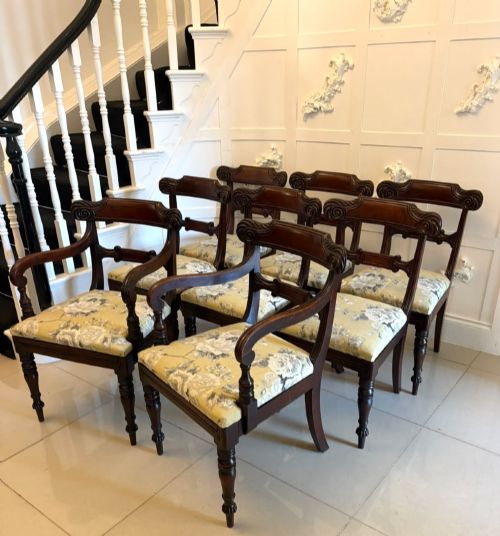
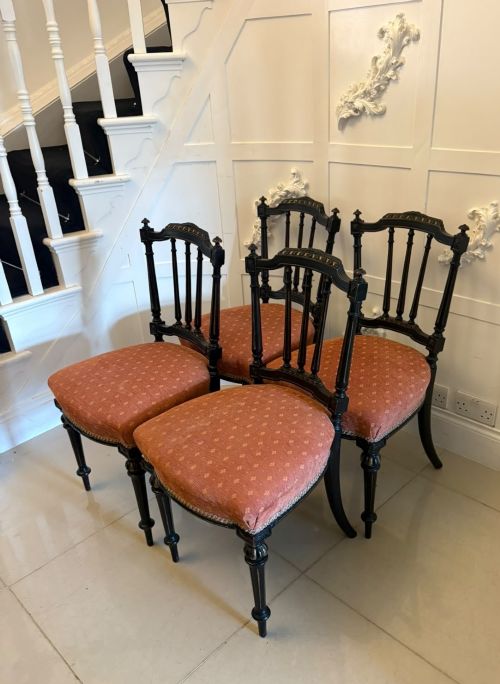
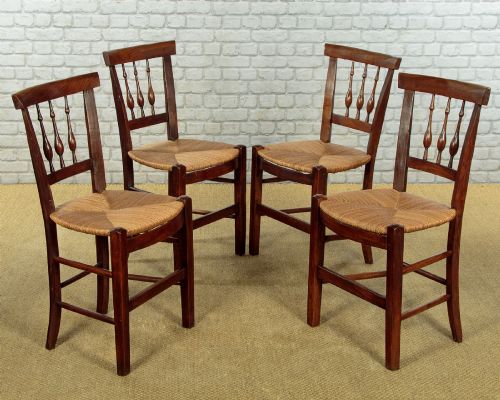
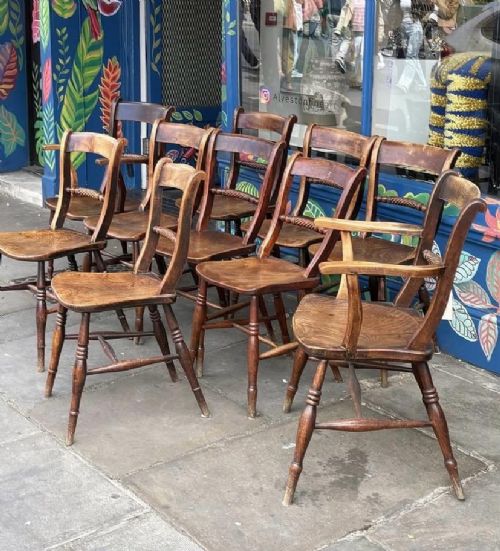
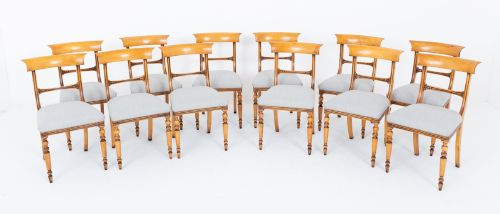
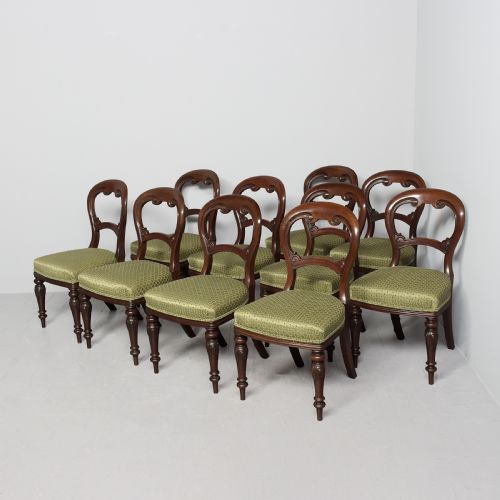
Turned Wood Side Chair
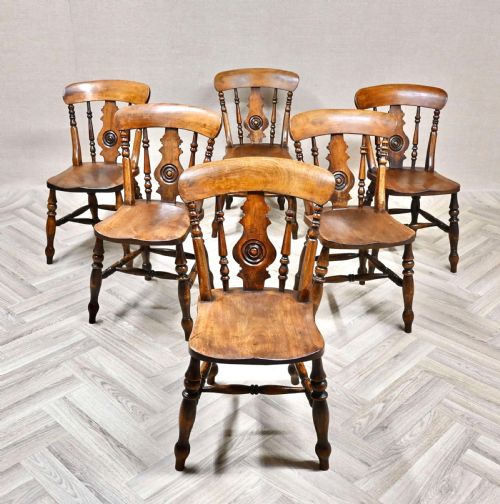
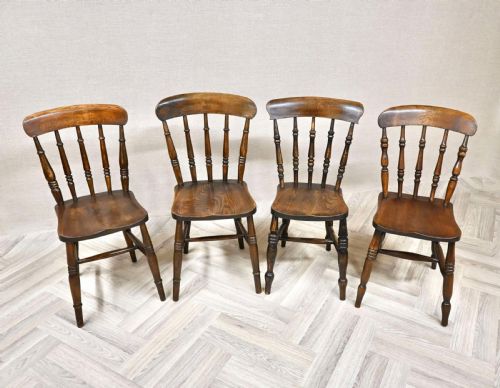
A turned wood side chair brings solid local craft and honest timber into a room, offering simple seating built with turned spindles and legs.
Turned Wood Side Chair
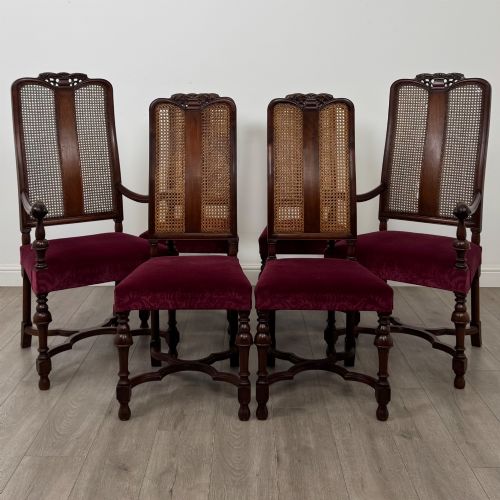
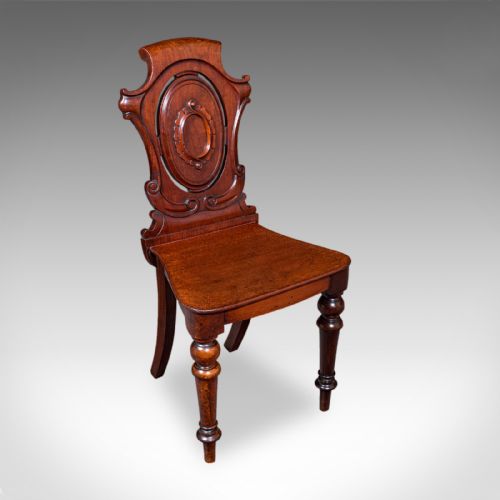
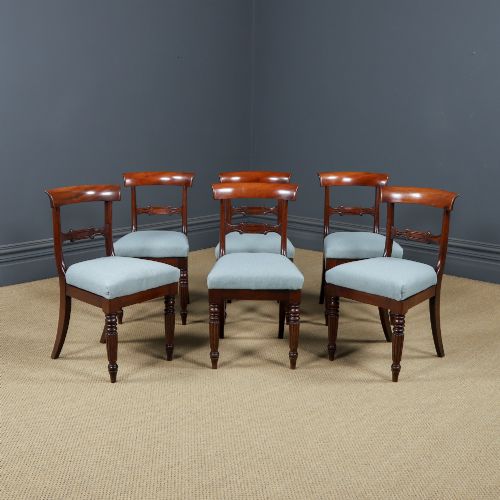
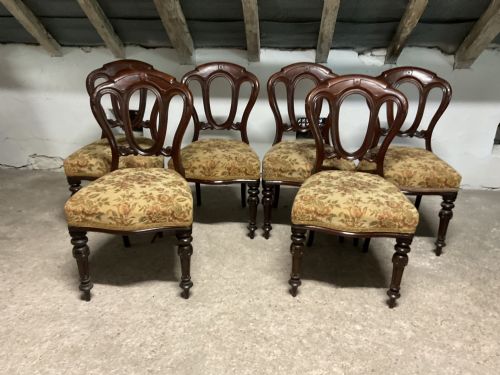
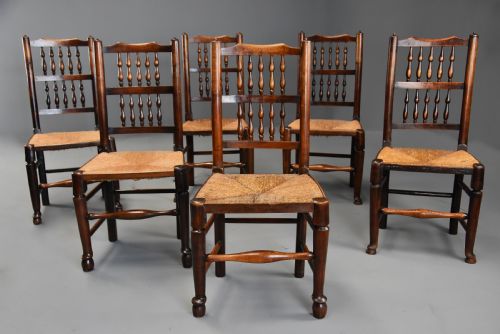
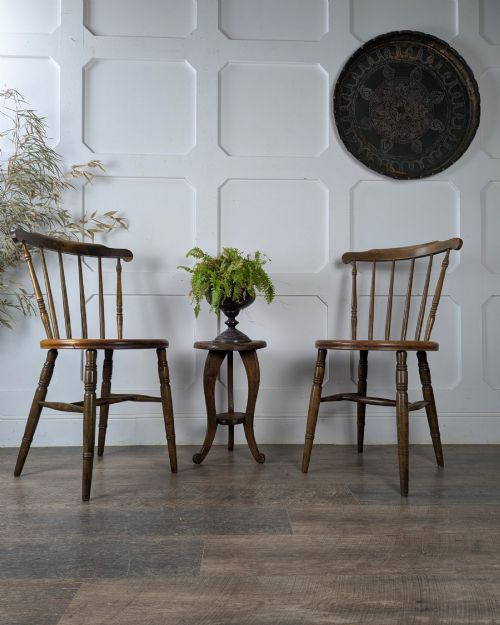
When you search for a turned wood side chair, you encounter a variety of forms rooted in traditional seating, from kitchen windsors and farmhouse chairs to delicate bobbin-framed bedroom seats. These pieces rely on lathe-turned components like stretchers, legs, and spindle backs to provide structural strength without heavy frames.
Makers shaped these side chairs for dining rooms, hallways, and informal spaces, utilising domestic timbers shaped by regional turners. Whether you find an eighteenth-century ash turner’s chair or a Victorian bobbin-turned chair, each piece displays the functional versatility expected of everyday seating.
Materials and construction
Makers selected robust timbers such as ash, elm, oak, beech, and mahogany, depending on regional availability and the intended function of the chair. Hardwoods provided the necessary strength for slender turned spindles and weight-bearing legs.
Lathe-turning formed the core technique, shaping vertical members and horizontal stretchers that locked the frame together. Joinery relied on traditional pegging and mortise-and-tenon methods, often augmented by rush seating or drop-in upholstered pads.
Turned Wood Side Chair Retail Price Guide 2026
Typical asking prices for turned wood side chair among the pieces listed under this phrase on Sellingantiques today, from the lower quarter to the upper quarter. They describe what is for sale here now, not the wider market.
Some nineteenth-century sitters enjoyed the gentle bounce of a nimble penny chair or a hand-painted Welsh spinning seat.
Factors of quality
Quality depends upon the integrity of the turned frame and the crispness of the lathe work. Sharply defined turnings and tight joints separate superior seating from loose or heavily restored examples.
The choice of timber and the preservation of original surface patination dictate the standing of a piece. Chairs retaining their authentic rush or timber seats display the intended character of the workshop.
Codina·Liberty and Co·Thonet
The Turned Wood Side Chair Glossary
- Bobbin turned
- A style of furniture leg or stretcher shaped on a lathe to resemble a series of wooden bobbins or spools linked end to end.
- Windsor
- A traditional chair construction where the legs and back fit directly into a solid carved wooden seat rather than a traditional frame.
- Rush seat
- A seating surface woven from dried marsh rushes, providing a flexible and resilient platform within a wooden frame.
- Spindle back
- A chair back composed of multiple slender, turned vertical wooden rods secured between a top rail and the seat.
Turned Wood Side Chair: Frequently Asked Questions
What is a turned wood side chair?
A turned wood side chair is an un-armed seat constructed using lathe-turned spindles, legs, and stretchers for structural support. These pieces range from vernacular kitchen seating to formal dining chairs.
The listings show examples spanning the eighteenth to the twentieth centuries, utilising materials like ash, elm, beech, and mahogany alongside rush seating.
Where were these chairs used?
These chairs served multiple domestic functions across the home, including dining rooms, kitchens, bedrooms, and reception hallways. Their portable nature made them suitable for moving between rooms as needed.
Evidence demonstrates their presence in country farmhouses, Scottish townhouses, and formal dining settings alike.
How do I care for a turned wood chair?
Maintaining a turned wood chair involves keeping the timber nourished with appropriate wax and protecting rush or fabric seats from damp environments. Regular dusting preserves the surface patination.
Avoid placing wooden seating near direct heat sources to prevent the shrinkage and cracking of turned joints.
How do I identify the period of a turned chair?
Period identification relies on examining the timber species, turning profiles, construction techniques, and overall form. Earlier pieces often display vernacular ash or oak construction, while later Victorian and Edwardian examples incorporate mahogany, beech, or ebonised finishes.
Comparing structural details against documented regional patterns helps narrow down the date of manufacture.