



Turned Wood Mirror
Turned wood mirror designs bring character to a room through circular lathe-worked frames that span centuries of cabinet-making.
Turned Wood Mirror
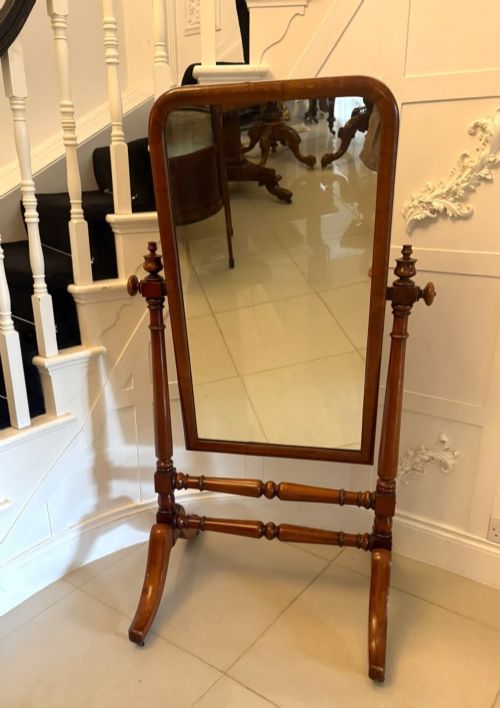
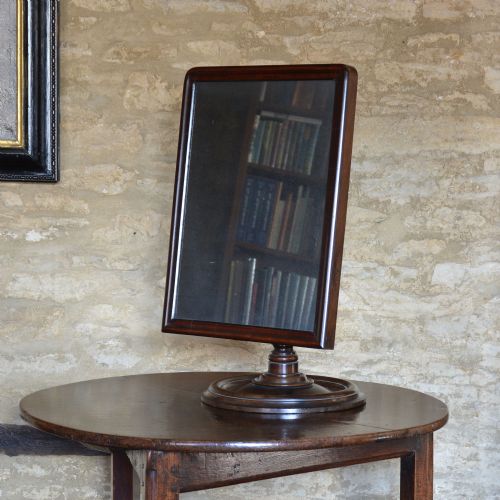
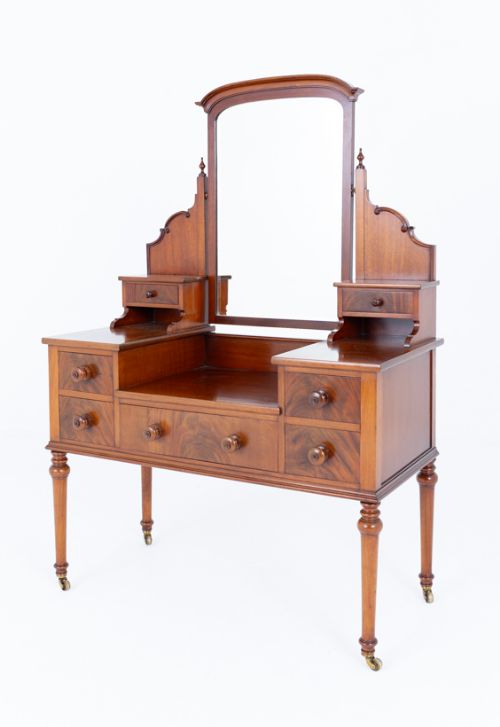
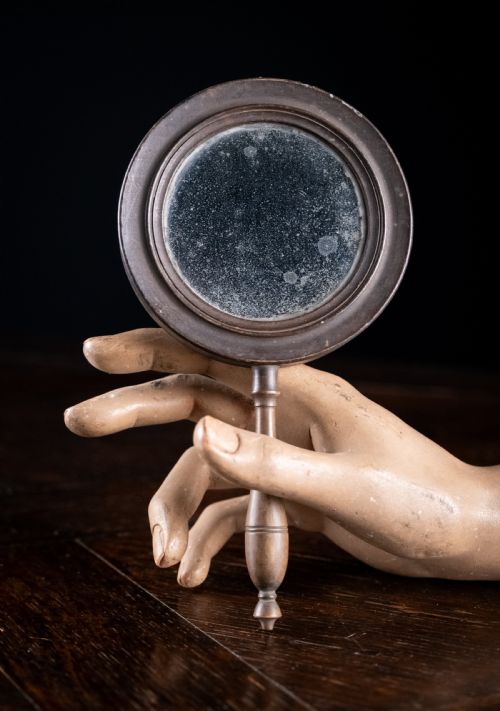
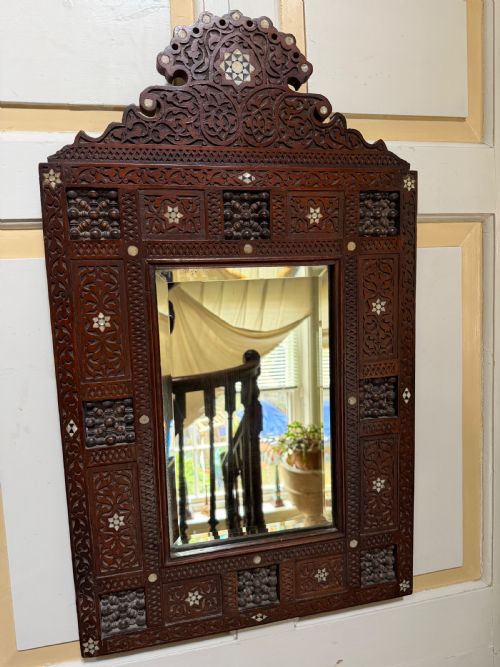
A turned wood mirror encompasses everything from small hand-held vanity pieces to large freestanding cheval glasses and compact shaving mirrors. You encounter compact table models and wall-hung frames alongside substantial dressing mirrors designed for bedrooms.
The material vocabulary draws on traditional timbers including mahogany, walnut, boxwood, and ash, often shaped on a lathe to create distinctive profiles around the glass. These domestic accessories served practical grooming functions in period homes and country houses.
Examples on this page bridge multiple eras, stretching from seventeenth-century constructions through Regency elegance to Victorian and early twentieth-century interpretations. The turned wooden elements provide tactile rhythm to the borders of each piece.
Materials and construction methods
Makers shaped solid woods like mahogany, walnut, and boxwood on woodturning lathes to produce decorative rims and supports. Secondary materials such as brass fittings, metal accents, and glass plates complete the construction.
Frames often combine turned spindles or applied mouldings with traditional joinery to secure the mirror glass. Certain pieces incorporate specialised decorative elements like boxwood inlay or carved details alongside the turned woodwork.
Turned Wood Mirror Retail Price Guide 2026
Typical asking prices for turned wood mirror among the pieces listed under this phrase on Sellingantiques today, from the lower quarter to the upper quarter. They describe what is for sale here now, not the wider market.
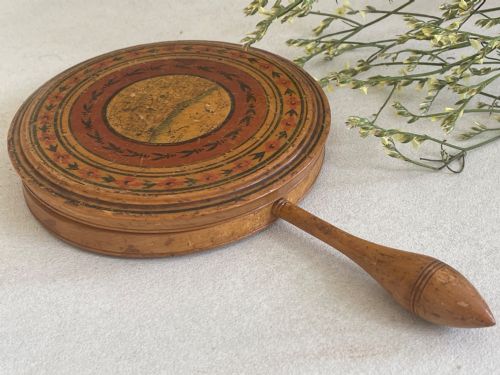
Travelling toilet mirrors folded neatly away so gentlemen could pack their reflections for life on the bumpy coaching routes.
Assessing quality in turned frames
Quality rests in the crispness of the lathe-work and the selection of dense, richly figured timbers like walnut or mahogany. Superior examples demonstrate precise joinery and well-balanced proportions between the wooden frame and the glass.
The integrity of the original mirror glass and the depth of the timber patination distinguish higher-grade pieces. Finer specimens retain their original swing mechanisms, mounts, and backing boards without modern alterations.
The Turned Wood Mirror Glossary
- Cheval mirror
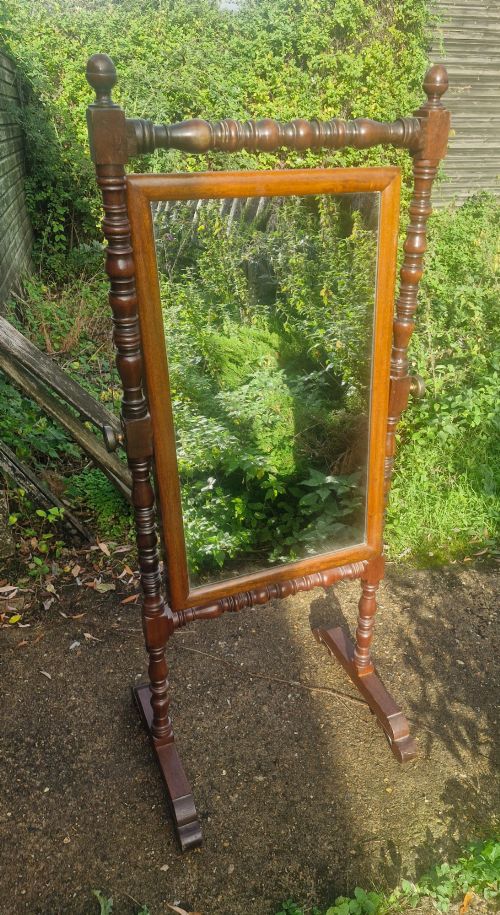
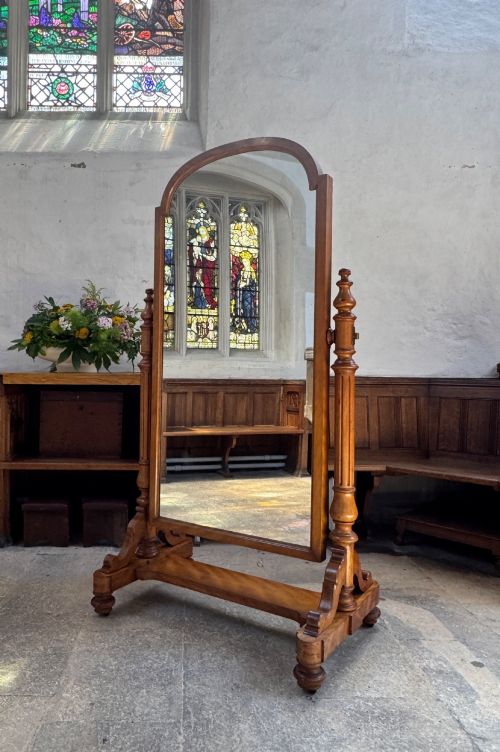
- A freestanding full-length dressing mirror mounted in a frame with pivoting side supports. These large pieces allow a complete view of attire.
- Pier mirror
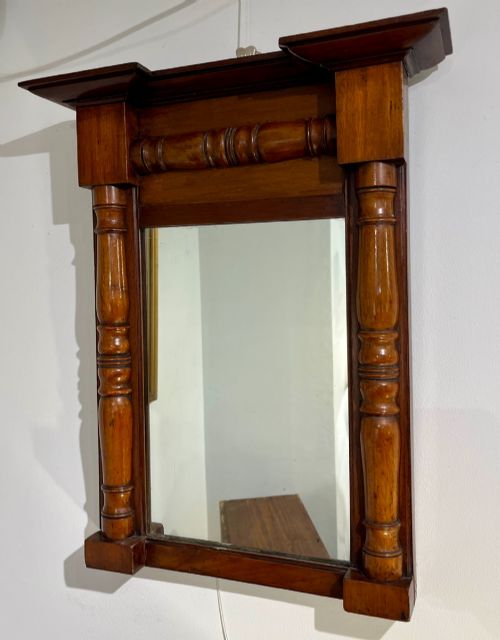
- A tall mirror designed to hang on the wall between windows or above a pier table. They frequently feature rectangular or arched mahogany frames.
- Shaving mirror
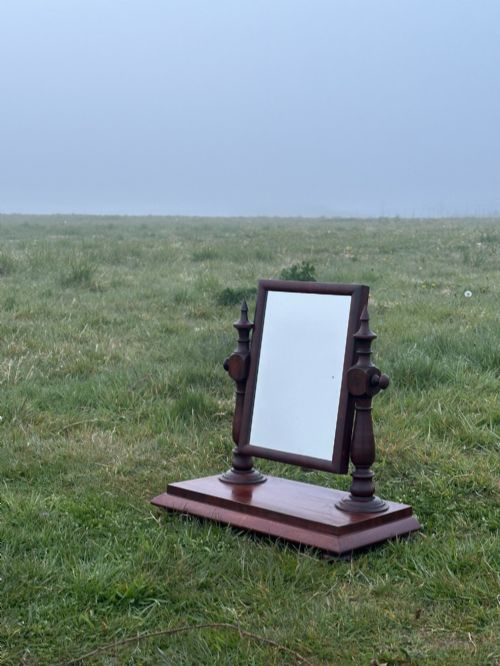
- A small adjustable mirror used for grooming, often mounted on a small chest or supported by turned uprights above a drawer base.
- Faux bamboo
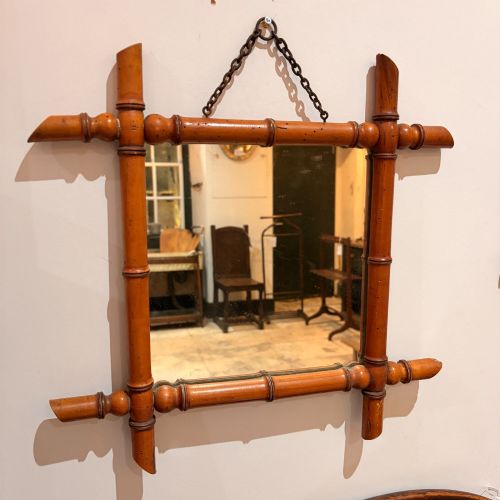
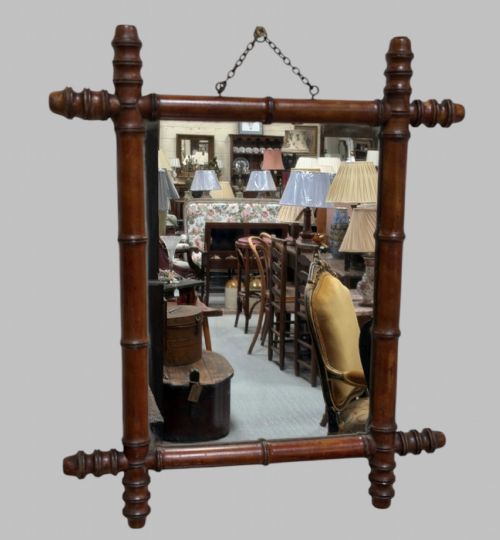
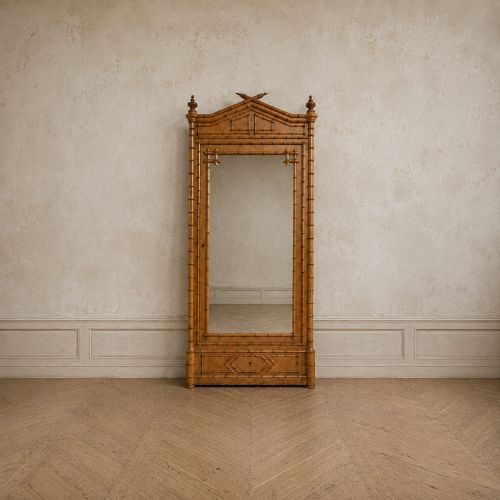
- Wood carved, painted, or turned to imitate the segmented stems of natural bamboo. This decorative technique appeared frequently in nineteenth-century French and English frames.
- Tunbridge Ware
- Small wooden items decorated with intricate mosaic patterns made from tiny segments of naturally coloured woods. This technique created geometric borders on specialty travel mirrors.
Turned Wood Mirror: Frequently Asked Questions
What is a cheval mirror?
A cheval mirror is a freestanding dressing glass suspended on vertical pivots within a sturdy frame. This allows the user to tilt the glass to various angles for full-length viewing.
Such pieces typically stand on four legs or sturdy feet and served a central role in nineteenth-century bedrooms and dressing rooms.
How do I date a turned wood mirror?
Dating relies on examining the timber species, the profile of the turned spindles, and the construction methods used for the frame. Mahogany and walnut indicate earlier periods, while ash and faux bamboo often point to later eras.
Inspect the backboards, fixings, and the composition of the glass plate for additional clues regarding the manufacturing date.
Where should I hang a pier mirror?
Pier mirrors work best on narrow wall spaces, particularly between two windows or directly above a console table or mantelpiece. Their vertical proportions help reflect light into darker corners of a room.
Ensure the wall fixings can support the combined weight of the heavy wooden frame and glass.
How do I maintain an antique mirror frame?
Keep wooden frames clean by dusting gently with a soft dry cloth to prevent dirt accumulation in the turned recesses. Avoid harsh chemical cleaners or excessive moisture on the timber and glass.
Applying a light microcrystalline wax occasionally helps nourish the polished wood surfaces without harming the original finish.