




Turned Wood Bottle Stand
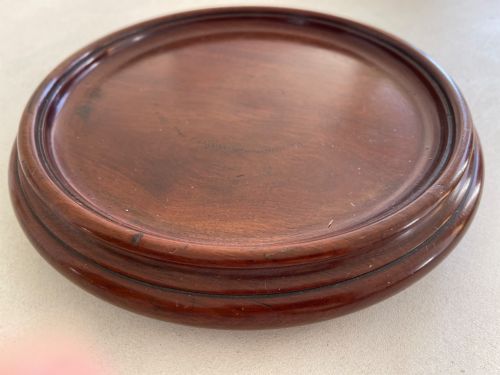
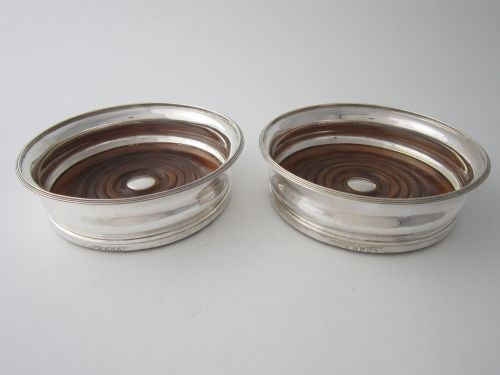
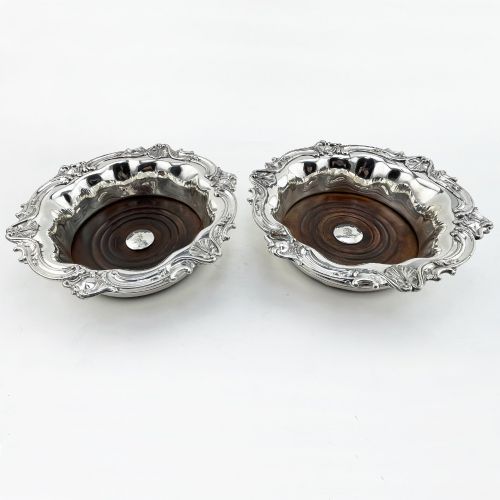
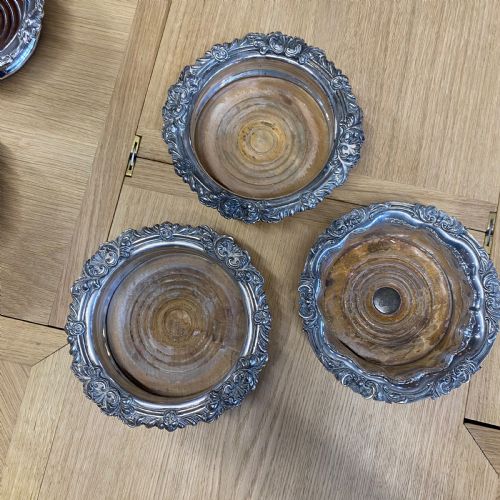
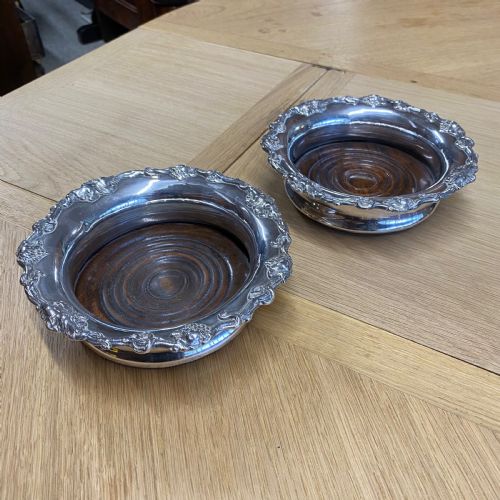
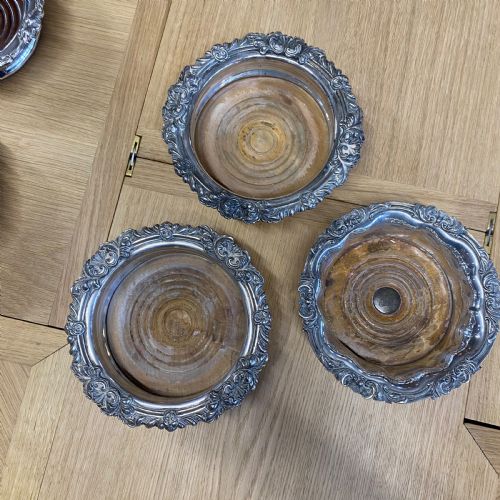
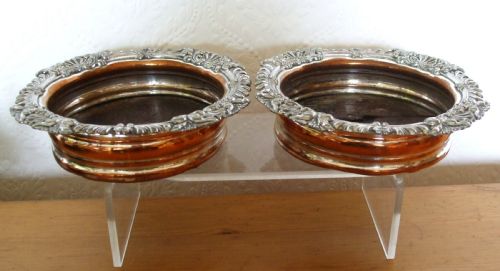
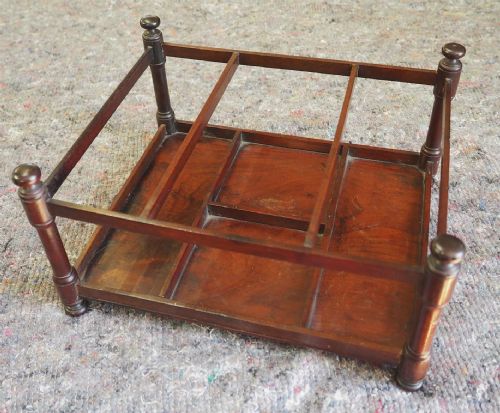
These turned wood bottle stand examples protect tables and hold decanters steady with practical circular frames.
Turned Wood Bottle Stand
A turned wood bottle stand serves primarily as a wine coaster or decanter holder for dining tables and sideboards. These practical barware items catch drips and allow bottles to slide smoothly across surfaces during meals.
The selections here encompass pieces from the Georgian, Regency, and Victorian eras, alongside nineteenth-century examples. Many designs incorporate wood such as mahogany and rosewood, sometimes paired with silver, brass, or copper elements.
Buyers frequently encounter paired items and single holders intended for wine bottles and decanters. Scottish and English origins appear across the listings, showing various regional turning techniques and metal mounts.
How turned wood bottle stand items were made
Woodturning formed the central body of these stands, shaping dense timbers like mahogany and rosewood on a lathe into circular rims and bases. Craftsmen often integrated turned wooden inserts to support the base of a glass bottle.
Metal components such as sterling silver, silver plate, Old Sheffield plate, copper, and brass were frequently fitted to the wooden frames. These metals provided protective rims, shields, or central buttons, occasionally mounted on castors.
Turned Wood Bottle Stand Retail Price Guide 2026
Typical asking prices for turned wood bottle stand among the pieces listed under this phrase on Sellingantiques today, from the lower quarter to the upper quarter. They describe what is for sale here now, not the wider market.
Some nineteenth-century examples roll across the table on tiny castors, turning passing the port into a miniature driving experience.
What varies in quality
The definition and crispness of the wood turning dictate visual appeal, with sharper profiles and balanced proportions marking superior work. The integration between the turned wooden body and any applied metal mountings also distinguishes finer pieces.
Materials elevate the status of an object, particularly when solid sterling silver or early Old Sheffield plate accompanies the turned wood. Maker attributions and complete matching pairs further separate standard items from superior examples.
Matthew Boulton·Mein of Kelso
The Turned Wood Bottle Stand Glossary
- Decanter coaster
- A low circular tray designed to hold a decanter and protect table surfaces from moisture and rings. These items often feature turned wooden bases with metal rims.
- Old Sheffield plate
- A composite material formed by fusing a thin sheet of silver to a copper base, common in eighteenth and nineteenth-century tableware. This technique precedes modern electroplating.
- Castor
- A small swivelling wheel attached to the underside of certain larger bottle stands. These allowed the holder to glide easily along the mahogany surface of a dining table.
- George III
- The period spanning the reign of King George the Third from seventeen sixty to eighteen twenty. Pieces from this era reflect distinct classical furniture styles.
Turned Wood Bottle Stand: Frequently Asked Questions
What is a turned wood bottle stand used for?
These items hold wine bottles and decanters on dining tables to protect polished wood surfaces from moisture and condensation.
They also allow bottles to be passed smoothly between guests during formal dinners without lifting heavy decanters.
How do I identify a Georgian bottle stand?
Georgian pieces align with the decorative styles and material choices of the late eighteenth and early nineteenth centuries. Look for dense timbers like mahogany combined with early silver plating techniques.
Construction methods and simpler turning profiles often point towards this earlier period rather than later Victorian production.
Can I use these stands for modern wine bottles?
Most standard wine bottles and decanters fit comfortably within the interior dimensions of these historical holders. The circular wooden base accommodates standard base diameters.
Magnum-sized examples exist for larger vessels, though standard widths suit most contemporary wine bottles.
How should I care for antique wood and metal?
Keep wooden frames away from direct heat sources and excessive moisture to prevent timber movement or cracking. Gentle dusting preserves the polished finish of the wood.
Metal components require occasional careful cleaning with appropriate agents to avoid touching the surrounding wooden areas.