



Turned Treen Bowl
Turned treen bowl examples are honest wooden vessels shaped by the lathe, prized for domestic utility and tactile warmth.
Turned Treen Bowl
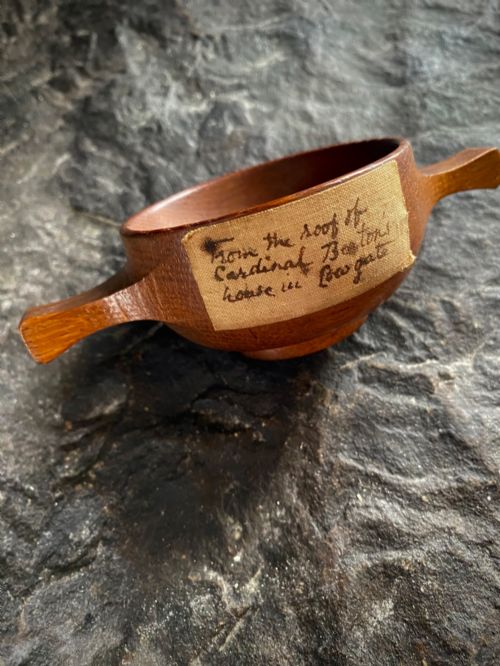
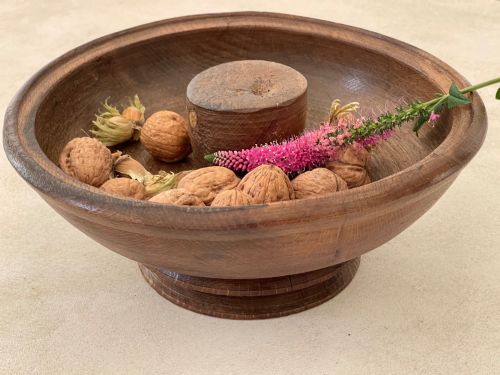
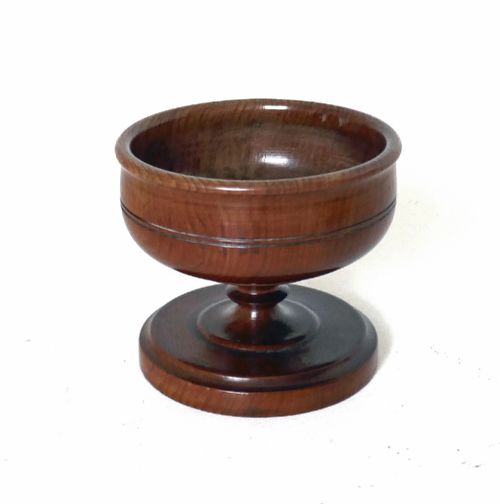
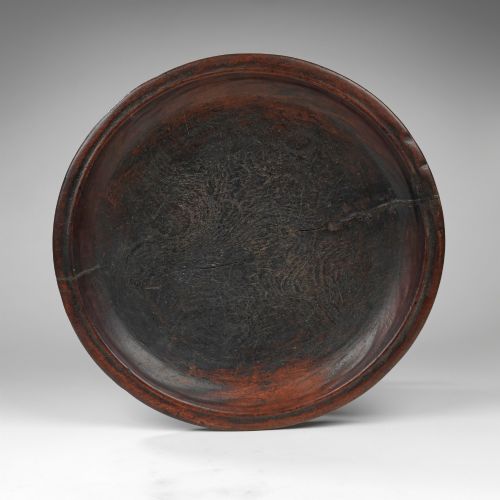
A turned treen bowl represents domestic woodenware shaped on a lathe across the seventeenth, eighteenth, and nineteenth centuries. These utilitarian objects served various household tasks, from dairy preparation to table service, displaying simple functional forms that evolved through regional vernacular traditions.
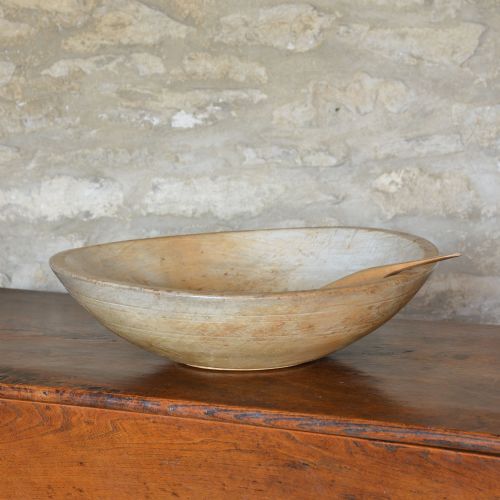
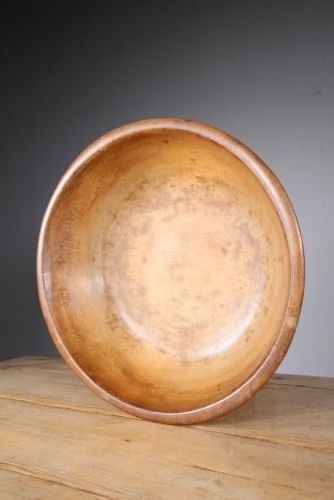
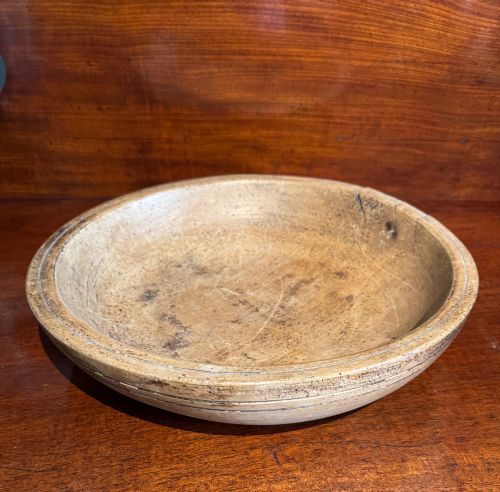
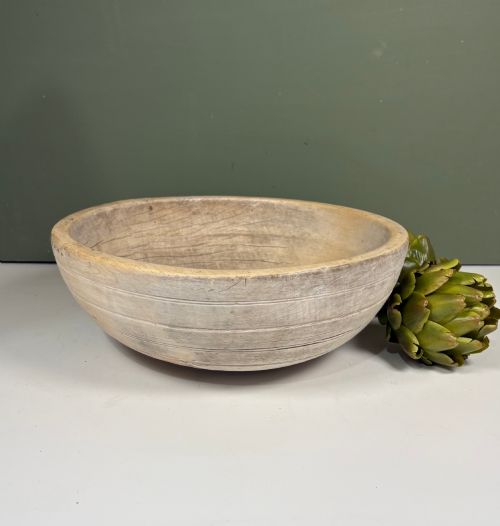
The most common form encountered on this page is the dairy bowl, typically turned from pale timbers such as sycamore. These vessels often feature simple rounded profiles designed for practicality in country houses and farm kitchens.
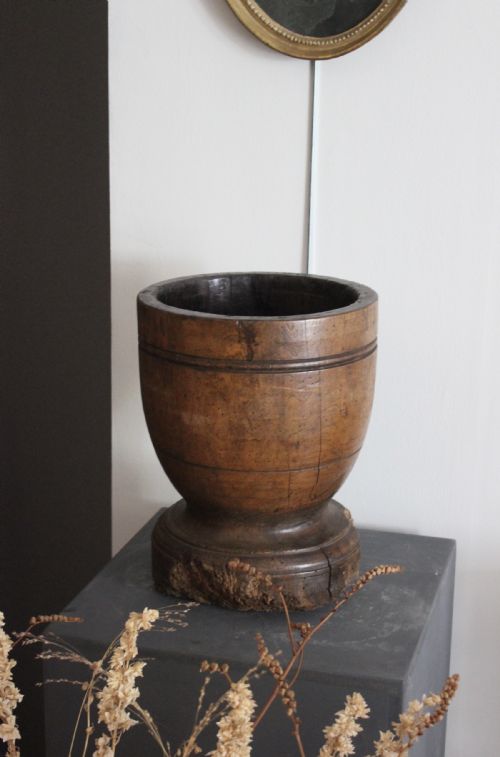
Geographic origins span English, Welsh, Scottish, and French vernacular workshops, incorporating distinct local timber preferences and turning practices. Collectors also encounter related wooden forms such as mortars, salts, and platters alongside the primary bowl types.
Assessing quality in turned woodenware
Quality rests upon the balance of the turned profile and the preservation of the original wood surface over centuries of use. Superior examples retain crisp execution at the rim and foot while showing honest signs of domestic wear.
The choice of timber and the resulting figure of the grain significantly influence the visual merit of each piece. Denser woods with rich natural patination command greater appreciation among collectors than plain or overly restored surfaces.
Turned Treen Bowl Retail Price Guide 2026
Typical asking prices for turned treen bowl among the pieces listed under this phrase on Sellingantiques today, from the lower quarter to the upper quarter. They describe what is for sale here now, not the wider market.
The Turned Treen Bowl Glossary
- Treen
- Small handmade wooden objects for domestic use. The term derives from the old English word for tree.
- Dairy bowl
- A wide shallow vessel used historically for setting milk and skimming cream. These pieces were usually turned from sycamore to resist absorbing odours.
- Patina
- The surface sheen and colour developed by wood through age, handling, and regular polishing. This layer distinguishes antique timber from modern finishes.
- Lignum-vitae
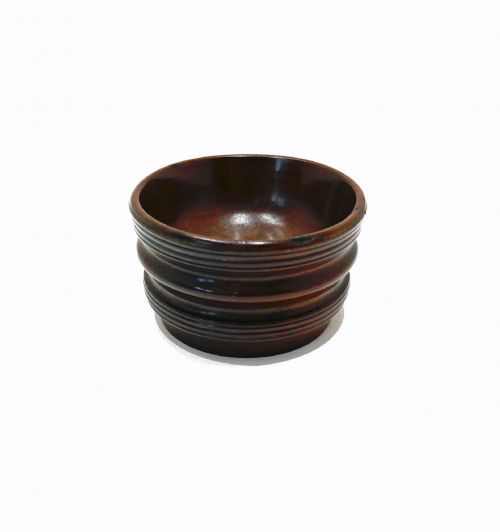
- A remarkably heavy and dense dark hardwood traditionally utilised for mortars and implements requiring high impact resistance.
Turned Treen Bowl: Frequently Asked Questions
How do I clean an antique wooden bowl?
Maintenance requires only a dry cloth or a very slightly damp cloth to remove dust without raising the grain. Modern detergents and soaking in water will damage the historic timber and ruin the surface.
A light application of food-safe mineral oil or beeswax helps nourish dry wood when necessary. Avoid placing these items near direct heat sources or in bright sunlight.
What wood was used for dairy bowls?
Makers relied heavily on sycamore for dairy vessels because the timber is pale, clean, and imparts no unwanted flavours to milk or cream. Fruitwood and other dense hardwoods appear less frequently in specific regional forms.
The choice of timber directly reflects the practical demands of the dairy kitchen where hygiene and durability mattered most.
How can I tell the age of treen?
Dating relies on observing tool marks, timber species, wear patterns, and regional turning characteristics. Eighteenth-century and earlier pieces often display distinct profile curves and foot formations compared to later nineteenth-century examples.
Patina and the method of construction also offer reliable clues to the period of manufacture. Comparing pieces against documented vernacular examples helps confirm age.
Were these bowls used for food?
Historical usage centred on food preparation, particularly dairy work, serving dry goods, and holding provisions. Many vessels saw daily service in farmhouses and domestic kitchens long before entering collections.
Today, collectors typically display them as decorative objects rather than putting them back into active culinary service.