


Turned Timber Candle Stand
A turned timber candle stand is a sturdy wooden support for lighting, offering simple height and classic form for any room.
Turned Timber Candle Stand
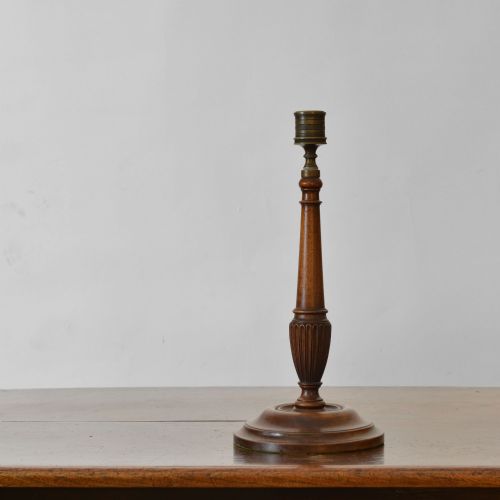
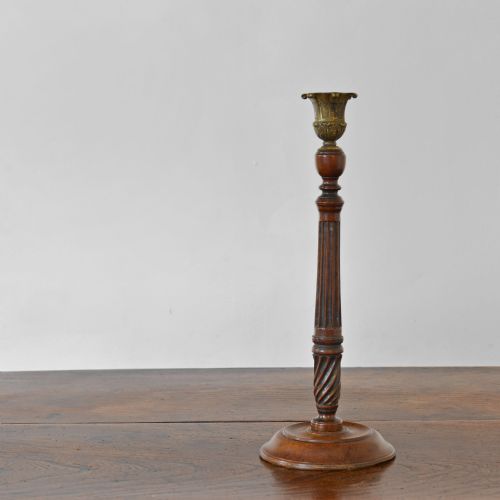
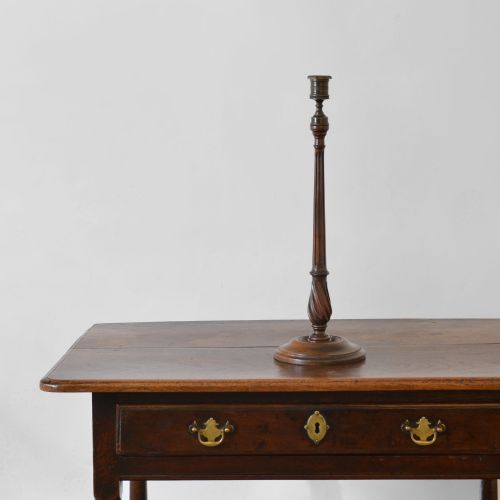
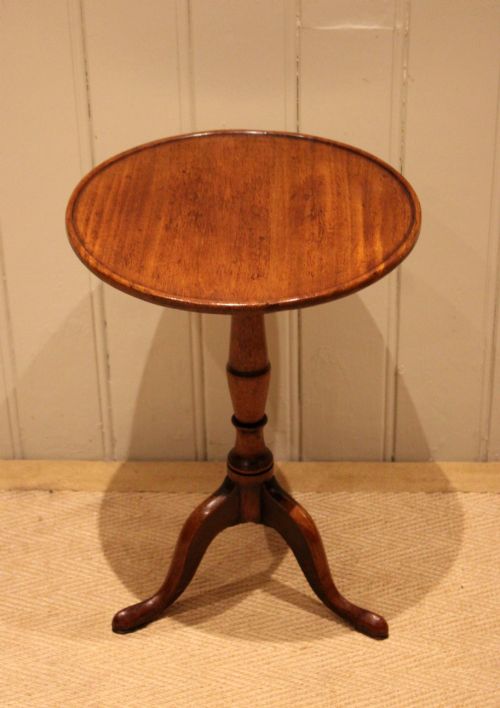
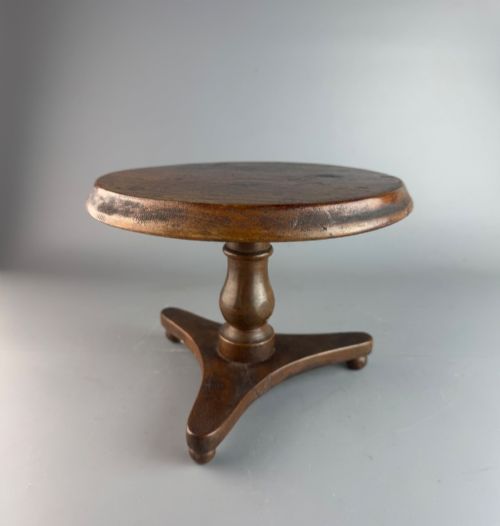
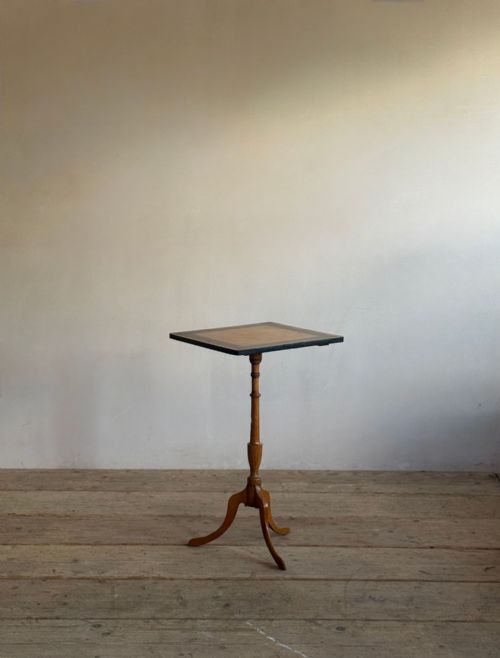
A turned timber candle stand is a sturdy wooden support for lighting, offering simple height and classic form for any room. When you examine a turned timber candle stand, you encounter pieces spanning the Georgian, Victorian, and Regency periods alongside later twentieth century examples. The selection ranges from tall candlesticks and treen tapers to small tripod occasional tables and torchere stands.
Most pieces show traditional turning techniques executed in dense timbers like mahogany, walnut, sycamore, ash, and yew wood. Forms vary from simple slender shafts on three legs to elaborate tilt-top tables and carved pinewood torchere columns. Many pieces double as small wine tables or lamp tables, reflecting how domestic lighting furniture adapted over the centuries.
Materials and construction methods
Turned timber candle stands rely on the lathe for their primary vertical shafts and columns, shaping hardwoods into slender profiles. Dense timbers such as mahogany, walnut, ash, and sycamore provide the structural stability needed for tall candlesticks and tripod bases.
Secondary decorative techniques appear alongside plain woodturning, including penwork decoration, brass fittings, and lacquer finishes. Tripod bases are joined securely to central turned pillars, while tilt-top mechanisms allow circular table tops to pivot on brass or wooden hinges.
The documented periods span Georgian, Regency, Victorian, and the early twentieth century, including folk art and Adam style influences.
Assessing quality in turned woodwork
Quality rests in the crispness of the lathe work, the choice of timber figure, and the stability of the tripod joint. Superior examples display balanced proportions, clean turning rings, and well-seasoned hardwoods that resist warping over time.
The sophistication of the design sets finer pieces apart, from simple folk art treen to formal Adam style mahogany or Italian carved pinewood. Original surfaces, such as aged lacquer or untouched penwork, elevate the standing of a turned timber candle stand.
The Turned Timber Candle Stand Glossary
- Treen
- Small handmade wooden domestic objects produced before the age of mass manufacturing. These items showcase everyday woodworking skills and practical utility.
- Torchere
- A tall ornamental stand designed to support a candle or light fixture. They often feature carved wooden columns and elevated platforms.
- Tripod base
- A three-legged support structure commonly found on small tables and candle stands. This design ensures stability on uneven floor surfaces.
- Tilt-top
- A table mechanism allowing the surface to pivot into a vertical position when not in use. It saves space and highlights the timber grain of the top.
- Penwork
- A decorative technique using ink to draw intricate patterns onto a wooden surface. It creates detailed contrasting ornamentation without carving.
Turned Timber Candle Stand: Frequently Asked Questions
How do I date an antique candle stand?
Dating relies on examining the timber species, turning profiles, construction joints, and any decorative additions like penwork or brass. Georgian and Regency pieces often feature dense mahogany with refined classical turning.
Later Victorian and early twentieth century examples introduce folk art elements, sycamore, ash, or alternative decorative finishes. Tool marks and assembly methods provide further clues to the period of manufacture.
Where should I place a candle stand at home?
These stands suit corners, beside seating, or on top of sideboards where their height adds vertical interest to a room. Tripod candle stands and wine tables work well as low accent surfaces for lamps or small decorative objects.
Because many examples feature slender shafts or tilt-top mechanisms, they fit easily into compact spaces without dominating the floor plan.
What is the difference between a candlestick and a torchere?
A candlestick is a smaller portable or stationary implement designed directly to hold a single candle taper. A torchere is a much taller freestanding pillar or stand intended to elevate a light source higher in the room.
Torcheres frequently feature more elaborate carved or turned wooden columns compared to the simpler profiles of standard candlesticks.