

Turned Mahogany Armchair
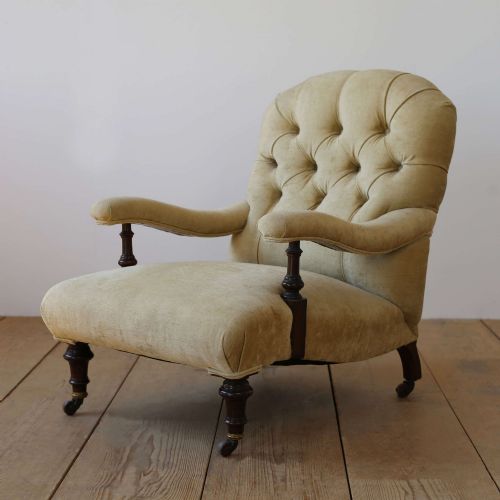
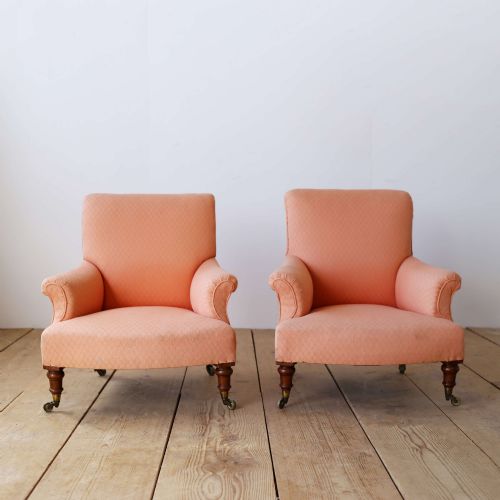
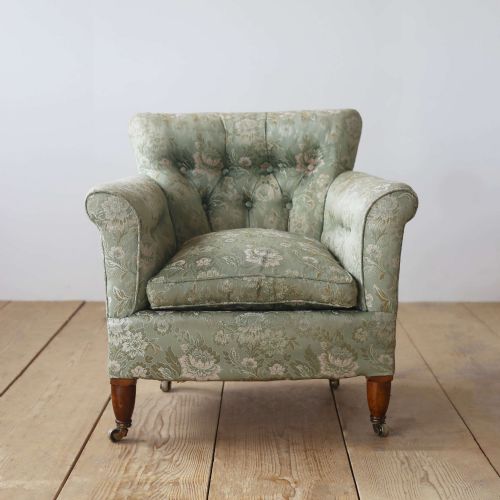
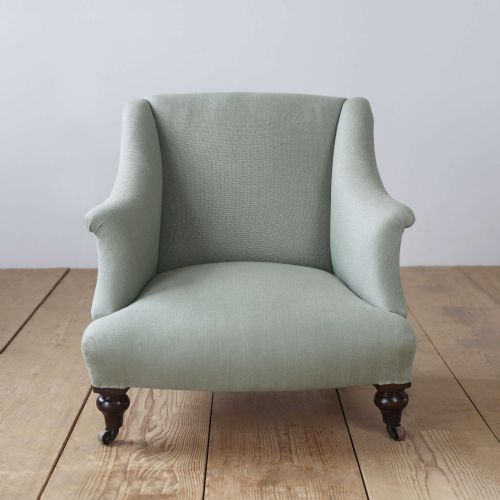
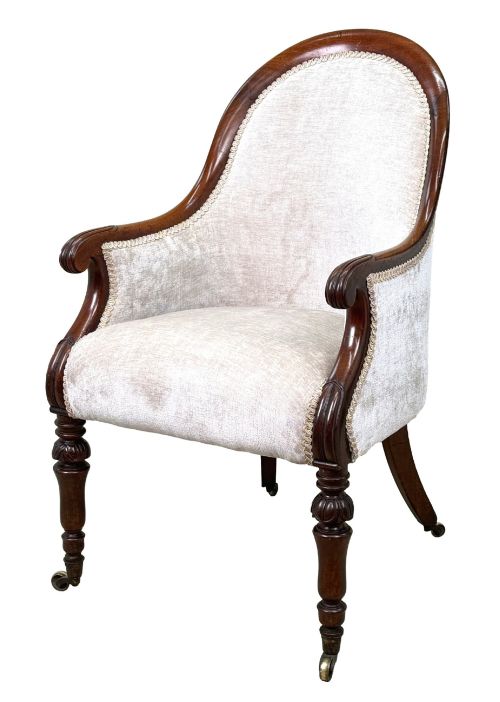
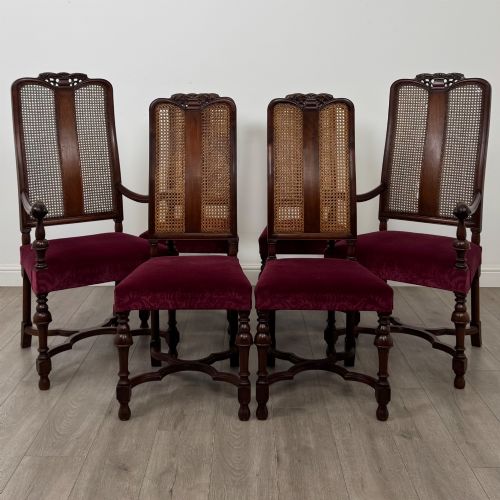
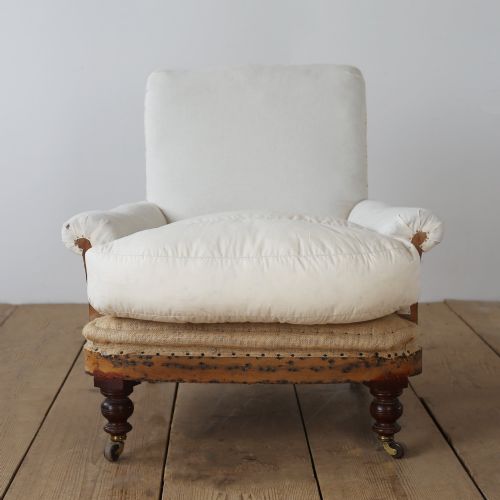
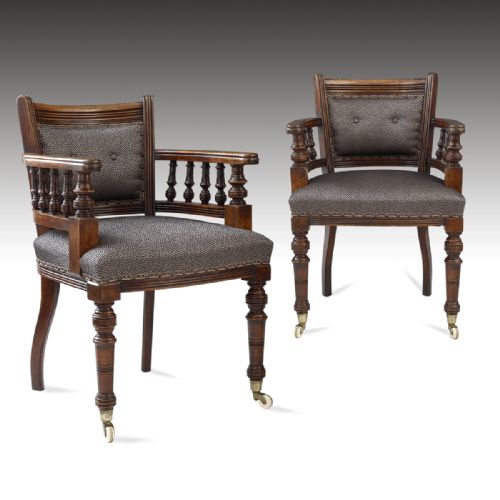
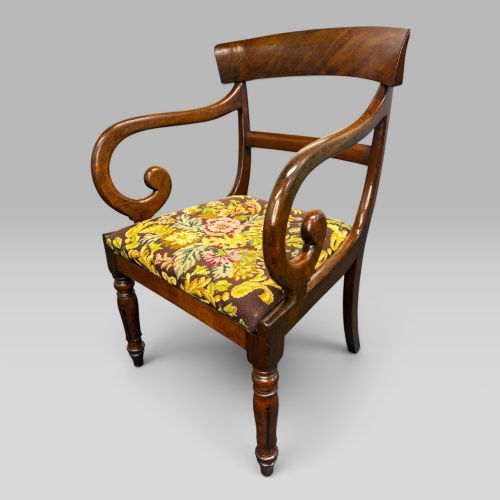
These turned mahogany armchairs offer sturdy timber framing and carved supports, providing the solid seating sought by period collectors.
Turned Mahogany Armchair
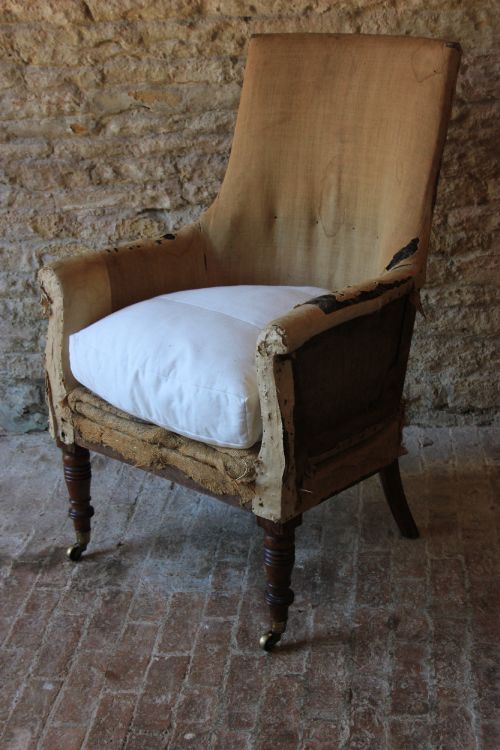
A turned mahogany armchair combines dense tropical hardwood frames with rounded, lathe-cut spindle or leg details, appearing primarily across nineteenth-century styles. Buyers encounter these seats configured as library desks, reading chairs, or heavy country house armchairs originating from Georgian, Regency, William IV, and Victorian periods.
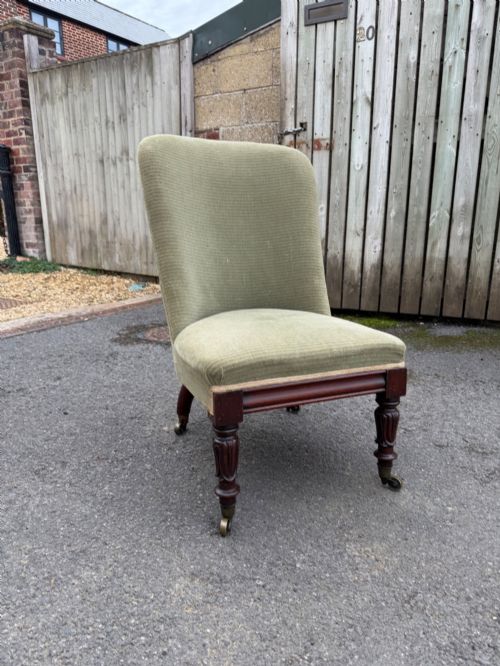
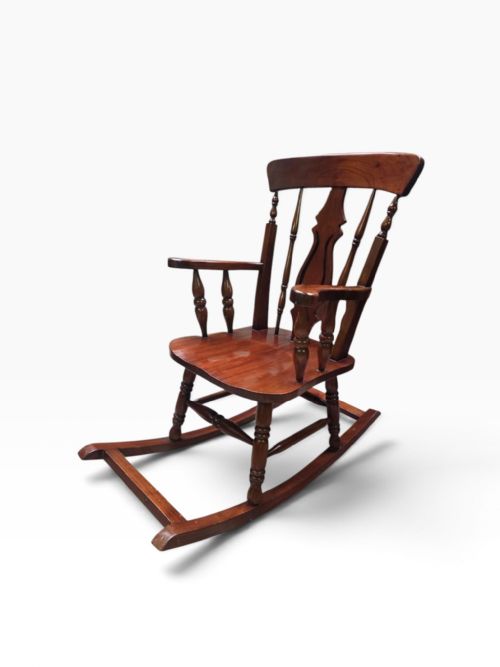
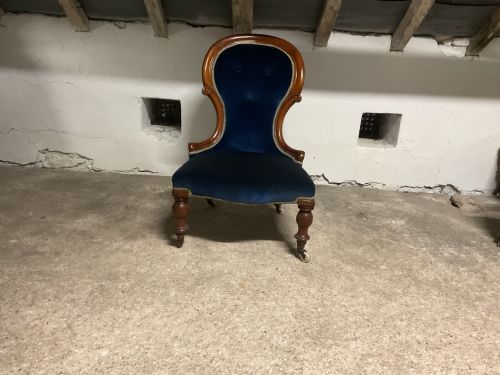
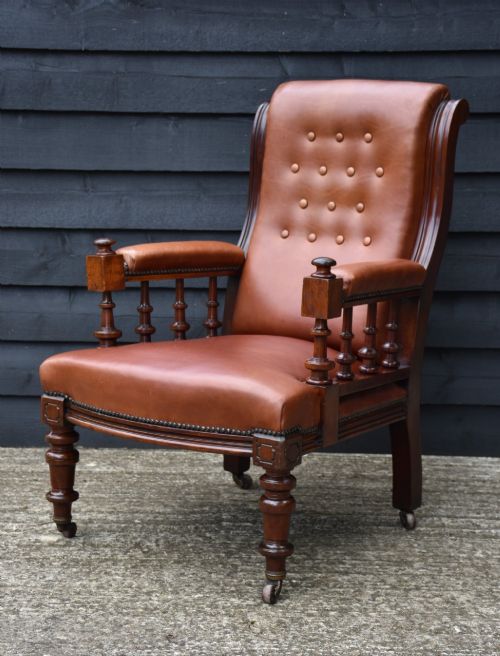
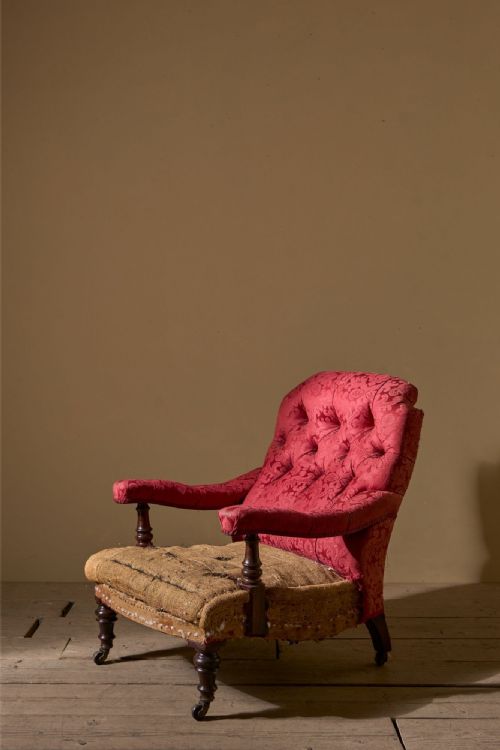
The inventory on this page ranges widely from upholstered library tub chairs and button-back reading seats to spindle-backed country rockers and dining carvers. Most pieces date from the Victorian era or the broader nineteenth century, reflecting the material durability and popularity of mahogany throughout that period.
Form and function dictate the specific variety met here, spanning low bedroom nursing chairs, revolving desk seats, and deep-seated reading models. The turned elements appear consistently on the front legs, arm supports, or spindle backs, distinguishing them from plain or square-leg alternatives.
Measures of quality and execution
Quality rests in the precision of the lathe work and the selection of the mahogany timber, where tighter grain and richer natural patination indicate superior craftsmanship. Workshop execution defines the finer examples, particularly those retaining original turned legs and structural integrity.
The execution of the turning itself separates standard production from superior pieces, with crisp, deeply cut reeding or bobbin details showing higher skill. Upholstery finishing, from hand-stitched leather panels to well-sprung down sacks, marks the distinction between utilitarian seating and high-end library chairs.
Some armchairs incorporate bobbin turned spindles that resemble rows of threaded wooden spools.
Howard and Sons·Morris and Co·Gillows·Morison and Co·Holland and Sons·William Birch
The Turned Mahogany Armchair Glossary
- Mahogany
- A durable tropical hardwood known for its deep reddish-brown colour and fine grain. It provides the primary structural material for these frames.
- Turning
- A woodworking technique where wood is shaped on a lathe while rotating. This process creates the rounded legs, spindles, and bobbin details found on these chairs.
- Carver
- An armchair designed to match a set of dining chairs, usually featuring open arms. These pieces offer wider seating dimensions than standard dining chairs.
- Tub chair
- An upholstered armchair with a continuous curved back and arms forming a low, enclosed shape. This form provides a supportive seat for reading or desk work.
- Reeding
- Parallel convex moulding carved into wood to resemble bundled reeds. This decorative technique appears frequently on nineteenth-century chair legs and arm supports.
- Castor
- A small wheel fitted to the base of a chair leg to allow easy movement. Brass cappings often secure these wheels to Victorian library chair feet.
Turned Mahogany Armchair: Frequently Asked Questions
What is a turned mahogany armchair?
A turned mahogany armchair is a nineteenth-century seating form featuring a solid tropical hardwood frame decorated with lathe-turned legs, spindles, or arm supports.
These pieces encompass library chairs, desk seats, and low parlour models produced across the Georgian, Regency, and Victorian eras.
How do I identify a Regency armchair?
Regency armchairs display neoclassical influences through clean lines, carved mahogany details, and classical proportions dating from the early nineteenth century.
They often feature reeded woodwork and open arm designs rather than the heavier padding seen in later Victorian models.
Were these chairs used for reading?
Library and tub variants served specifically for reading and study in nineteenth-century homes, offering low enclosed backs and upholstered arms for comfort.
Many incorporate leather upholstery and brass castors for functional mobility around a study or library.
How do I care for mahogany wood?
Mahogany requires minimal maintenance, benefiting from occasional cleaning with a soft cloth and preservation of its natural finish.
Keeping the timber away from direct heat sources prevents the wood from drying out and maintains the original surface patination.