
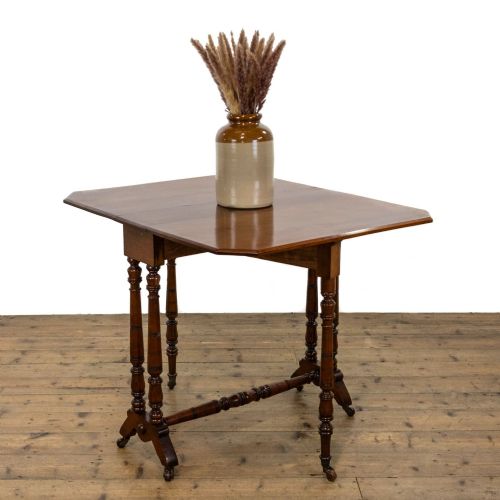
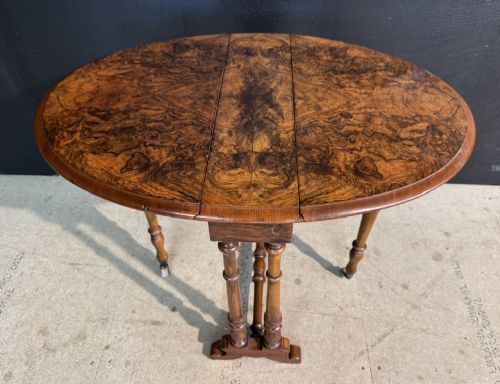
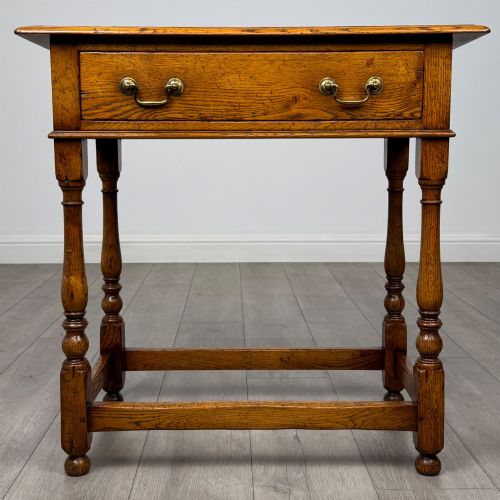
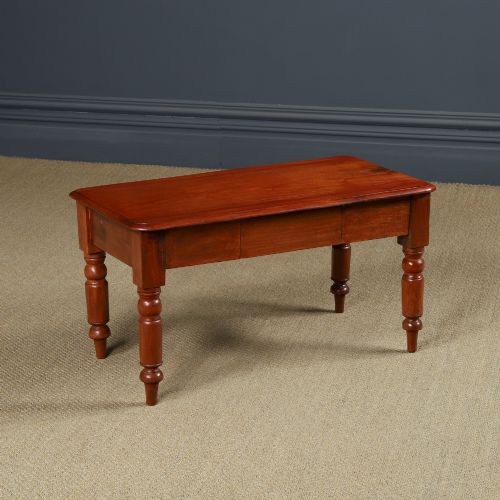
Turned Leg Sofa Table
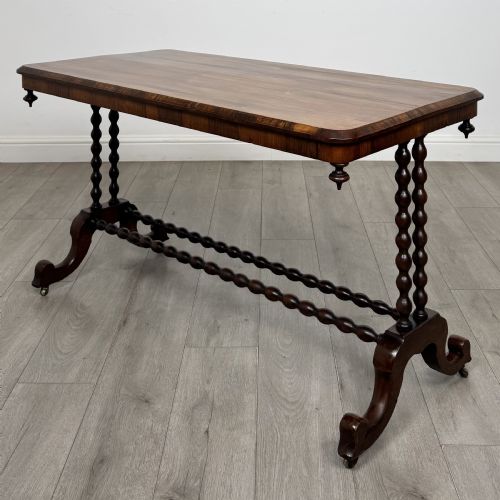
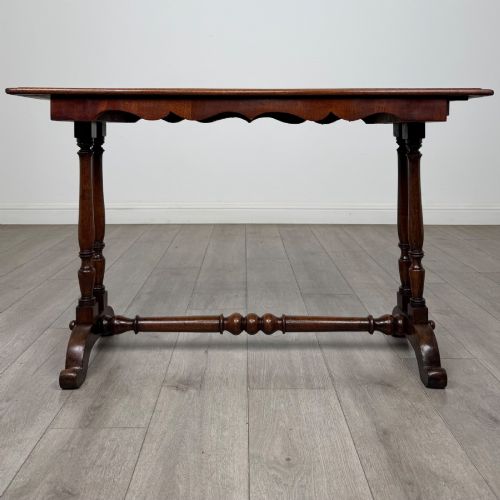
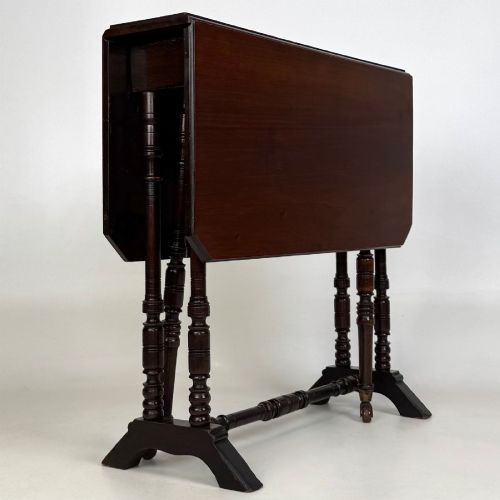
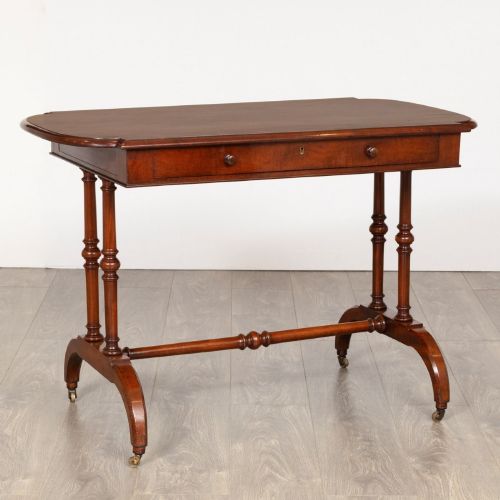
A turned leg sofa table brings versatile drop-leaf surfaces and distinct spindle-turned supports into a room.
Turned Leg Sofa Table
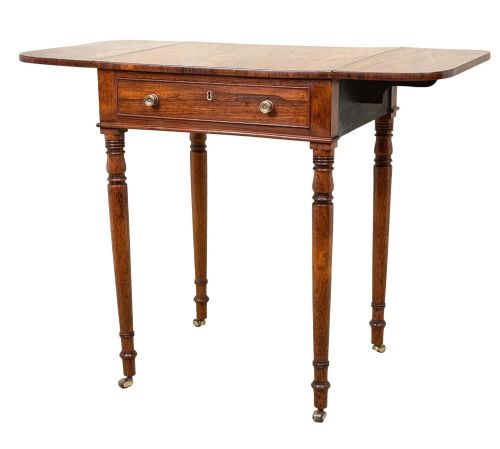
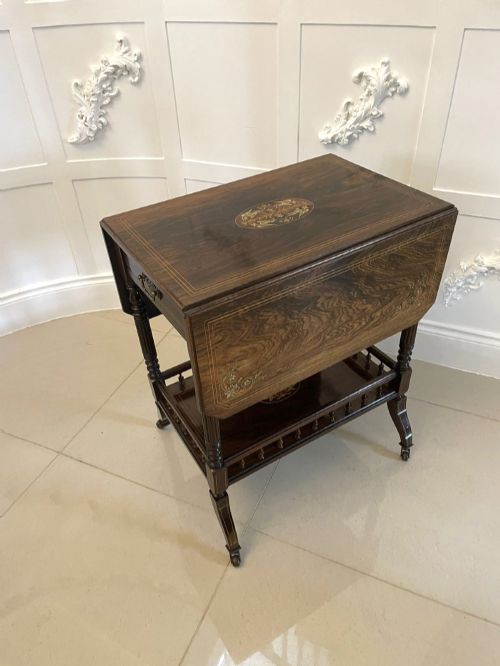
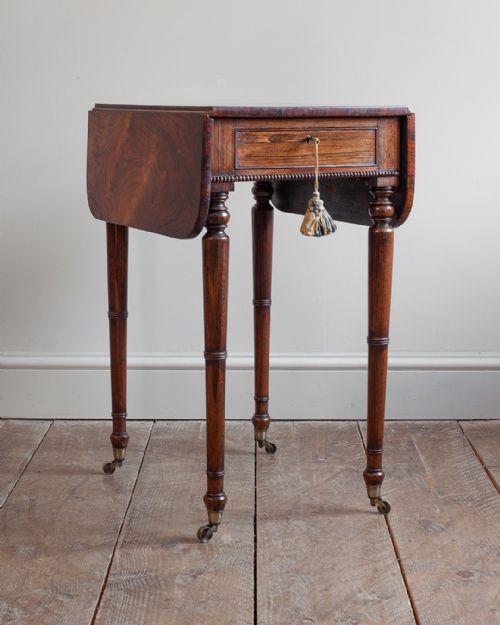
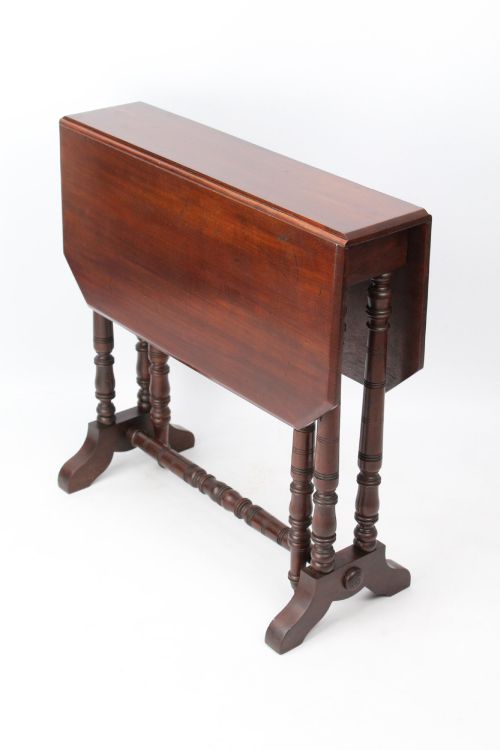
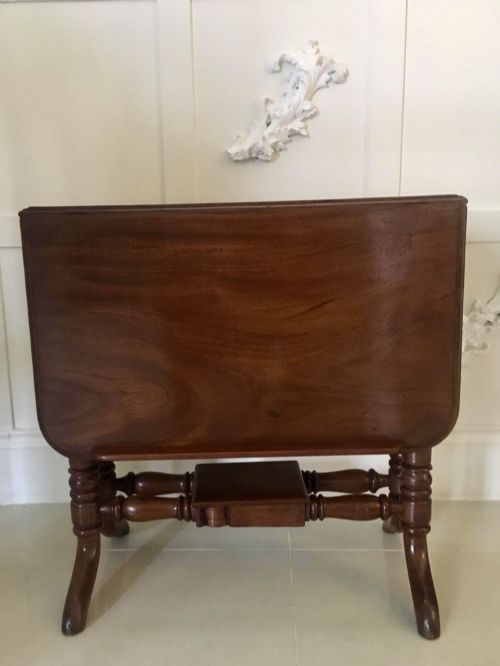
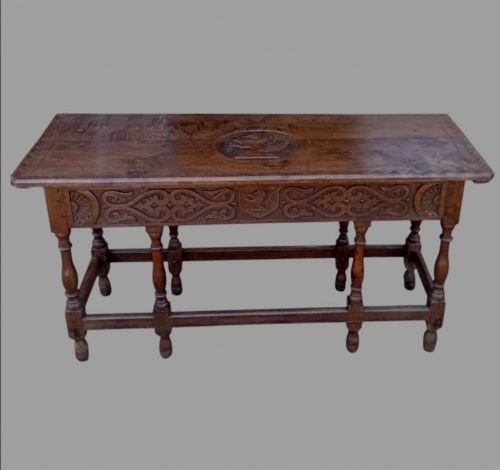
A turned leg sofa table represents a specific form of drop-leaf table designed to stand behind a sofa or freestanding in a room, featuring characteristic lathe-turned supports. The selection spans Regency and Victorian periods alongside Edwardian examples, capturing centuries of cabinet-making traditions.
Buyers encounter variations including mahogany, rosewood, and walnut timbers, frequently fitted with drawers or drop leaves. These pieces function variously as centre tables, writing tables, and side tables while retaining their defining turned supports.
Materials and construction
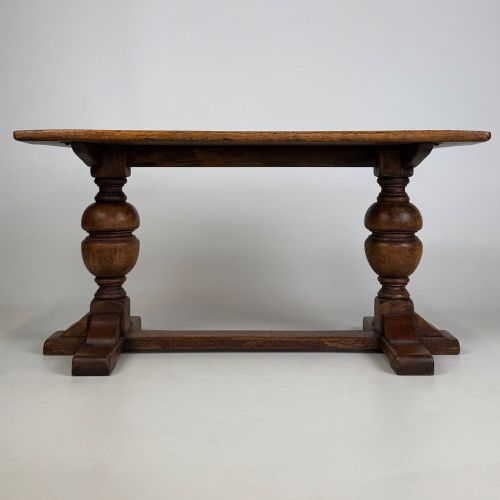
Cabinet makers utilised dense hardwoods like mahogany, walnut, rosewood, and oak, often highlighting figured veneers such as burr walnut or satin birch. Brass casters, ceramic elements, and leather writing inserts appear across the pieces.
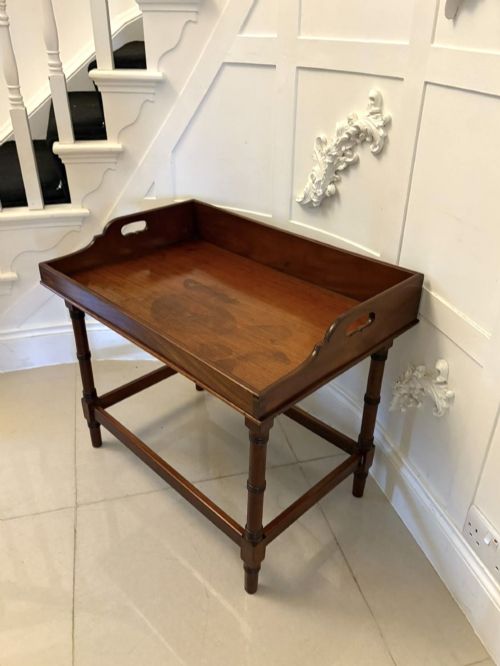
Lathes shaped the signature turned legs, ranging from simple bobbin forms to elaborate ring-turned and bamboo-turned profiles. Drop-leaf hinges and dovetailed drawers reveal traditional joinery techniques employed to ensure stability.
Some tables include hidden writing slides designed for clandestine correspondence.
Assessing quality
Quality rests upon the selection of timber figures and the crispness of the lathe-turned leg details. Finely executed ring-turning and solid secondary woods distinguish superior examples from standard production.
The integration of drawer construction, original brass hardware, and the preservation of polished patination dictate the standing of an individual table.
Johnstone and Jeanes
The Turned Leg Sofa Table Glossary
- Sofa table
- A long, narrow drop-leaf table traditionally placed behind a sofa, often fitted with drawers. These tables originated in the late eighteenth century for domestic utility.
- Turned leg
- A wooden leg shaped on a lathe, producing cylindrical forms such as ring-turned, bobbin, or bamboo styles. This technique adds decorative texture to the support structure.
- Pembroke table
- A small drop-leaf table with hinged flaps on opposite sides. It typically includes one or more drawers and square or turned legs.
- Centre table
- A freestanding table finished on all sides for placement in the middle of a room. They frequently utilise walnut, mahogany, or rosewood.
Turned Leg Sofa Table: Frequently Asked Questions
What is a sofa table used for?
Sofa tables provide surface space behind a sofa or in the centre of a room for lamps, books, and decorative items. The drop leaves allow the footprint to expand when extra surface area is needed.
They also function as writing desks or side tables in sitting rooms and hallways, adapting to various domestic spaces through their movable flaps.
How do I date a turned leg sofa table?
Dating relies on timber choices, leg turning styles, and construction methods. Regency pieces often display fine ring-turning in mahogany or rosewood, while Victorian examples frequently utilise burr walnut and heavier proportions.
Edwardian interpretations introduce lighter oak and satin birch timbers alongside bamboo-turned profiles.
Are drop leaves original to these tables?
Original drop leaves share the timber grain, colour, and patination of the main top. Brass hinges connecting the flaps typically match the age of the piece.
Replacements or alterations usually show discrepancies in wood species and hinge styles upon close inspection.
How do I care for antique wood surfaces?
Maintain antique mahogany, walnut, and rosewood by keeping them away from direct sunlight and extreme humidity fluctuations. Regular dusting with a soft, dry cloth preserves the polished finish.
Avoid silicone-based sprays and apply occasional quality wax to nourish the timber.