
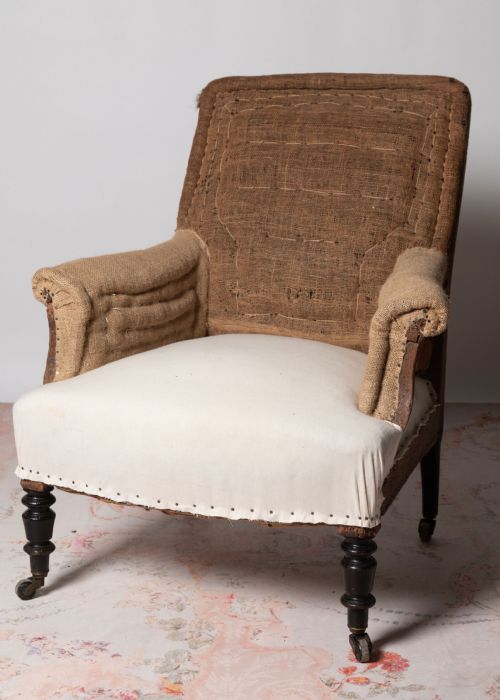
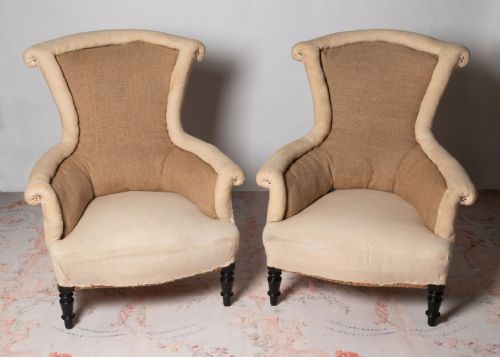


Turned Leg French Armchair
A turned leg french armchair brings genuine antique character to a room, offering classic seating shaped by centuries of European craftsmanship.
Turned Leg French Armchair
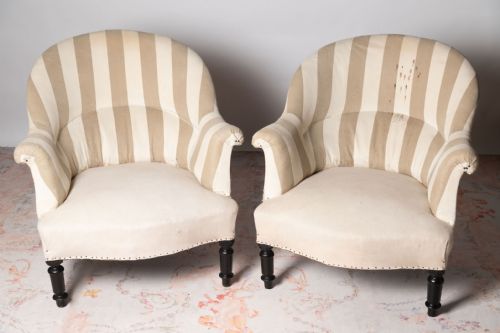
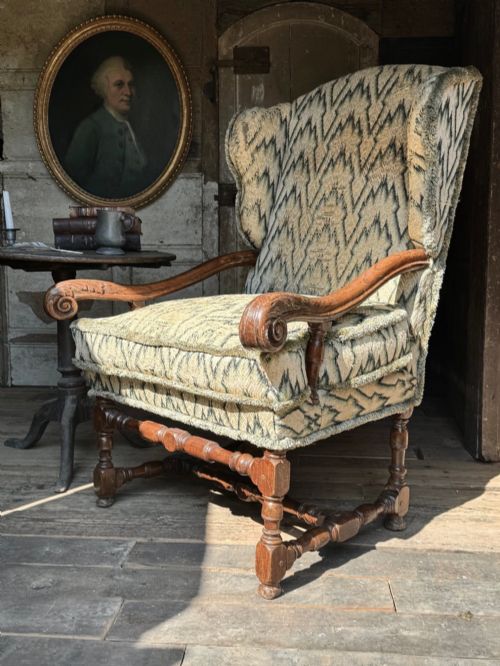
When you search for a turned leg french armchair, you encounter seating originating predominantly from the nineteenth and eighteenth centuries. These pieces encompass various styles such as Napoleon III, Regency, and French Country, reflecting the distinct aesthetic movements of their respective periods.
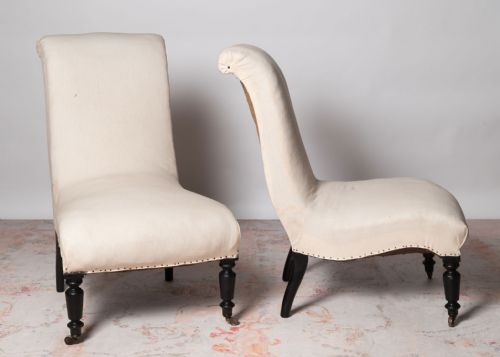
The selection on this page includes armchairs, tub chairs, slipper chairs, and larger salon suites. You are most likely to meet nineteenth-century examples alongside earlier eighteenth-century oak and walnut open armchairs.
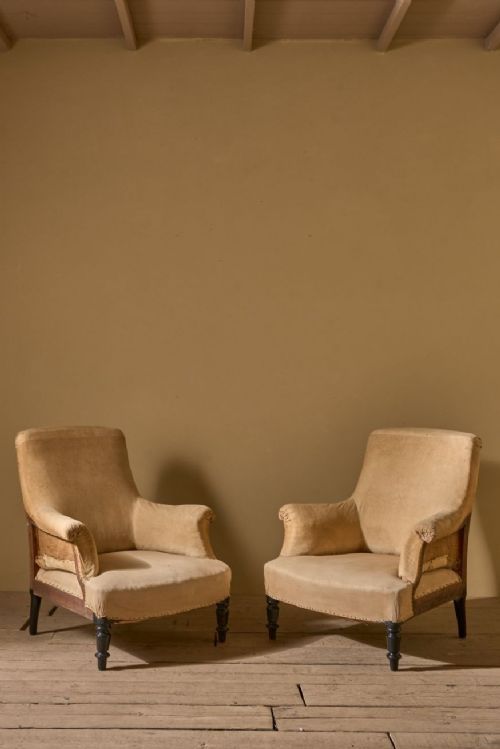
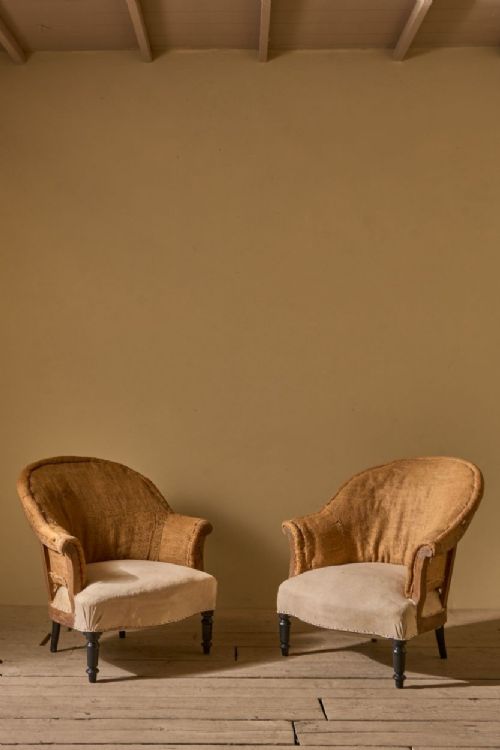
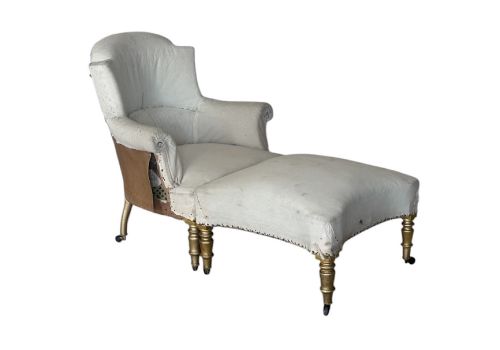
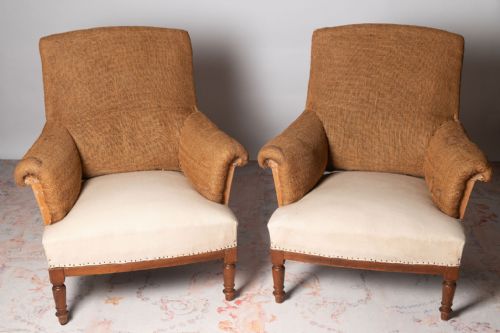
Makers and creators utilised traditional forms, ranging from square back armchair pairs to scroll back slipper chairs and Duchess Brisee sets. Each object displays the characteristic turned woodwork that defines this seating category.
How these armchairs were constructed
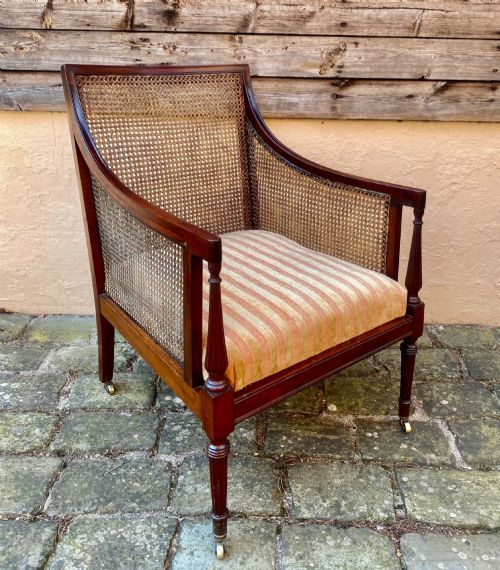
The framework relies heavily on solid hardwoods such as oak, walnut, beech, and mahogany, shaped and joined to support frequent use. Turned woodwork forms the structural legs and supports, showcasing skilled carpentry from the period.
Upholstery techniques involve traditional stuffing materials covered in fabrics like hessian, calico, cotton, and leather. Buttoned backs and brass detailing frequently appear, adding both structural tension and decorative finish.
Listings feature beech, mahogany, oak, and walnut frames paired with hessian, calico, cotton, and leather upholstery.
What separates examples of varying quality
The integrity of the wooden frame and the precision of the turned legs dictate the baseline quality of the piece. Timbers like walnut and oak generally indicate higher craftsmanship compared to simpler secondary woods.
The condition and authenticity of the upholstery materials, whether original leather, cotton, or calico, influence the overall character. Surviving historical fabric layers and traditional stuffing methods preserve the piece's integrity better than modern replacements.
The Turned Leg French Armchair Glossary
- Napoleon III
- A nineteenth-century French design style associated with eclectic revivals and ornate upholstery. It frequently incorporates buttoned backs and heavy textile coverings.
- Duchess Brisee
- A two or three-part chaise longue combination consisting of an armchair and matching stool. This form allows the user to recline fully with integrated support.
- Hessian
- A coarse woven fabric typically utilised as a foundational layer beneath outer upholstery. It provides sturdy support for traditional stuffing materials within antique seating.
- Tub Chair
- An armchair featuring a rounded back that curves continuously into the arms. This compact seating style appears frequently in nineteenth-century French variants.
Turned Leg French Armchair: Frequently Asked Questions
How do I date a French armchair?
Dating relies on examining the timber species, construction joints, and stylistic markers specific to periods like the eighteenth century or the Napoleon III era. Secondary elements such as upholstery tacks and webbing also offer chronological clues.
Comparing the turned leg profiles and arm shapes against documented historical examples helps narrow down the decade of manufacture.
Are these armchairs comfortable for daily use?
Most antique French armchairs provide a supportive seat, though traditional stuffing materials feel firmer than modern foam cushioning. The ergonomic recline and arm height vary significantly depending on whether the piece is a salon chair or a library armchair.
Sitting in the chair remains the best test to ensure the proportions suit your personal comfort preferences.
What is a salon suite?
A salon suite consists of matching seating furniture designed for formal reception rooms, typically including a settee and several armchairs. These matched sets share identical wood turning, upholstery fabric, and stylistic detailing.
They offer a cohesive aesthetic for large living spaces or drawing rooms.
How do I care for antique upholstery?
Preserving antique fabric and leather requires gentle surface cleaning and protection from direct sunlight to prevent fading. Regular light vacuuming with a soft brush attachment removes dust without damaging fragile fibres.
Professional conservation cleaning is recommended for historical textiles to maintain the material's structural integrity.