




Turned Feet Pine Chest
These turned feet pine chest items are utilitarian storage pieces with character, offering sturdy timber construction and practical drawer configurations for everyday use.
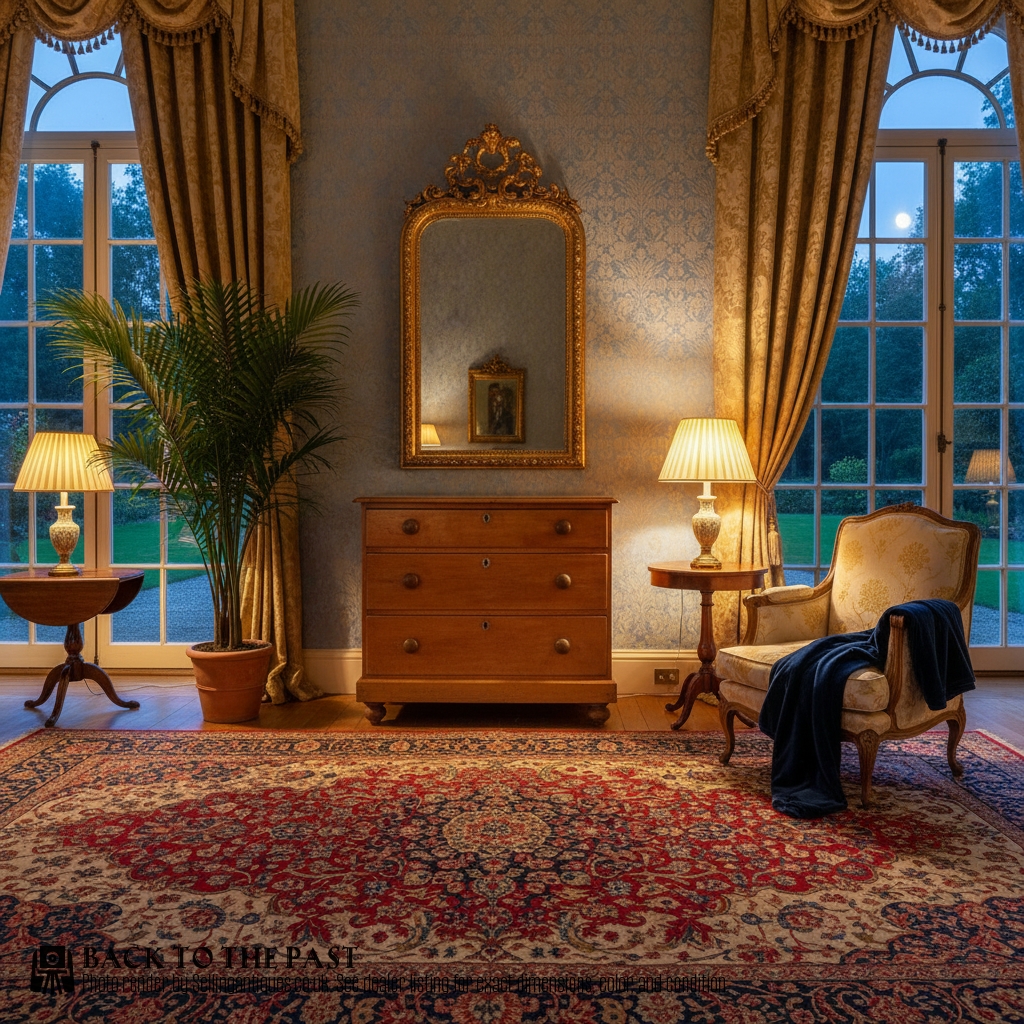
Turned Feet Pine Chest
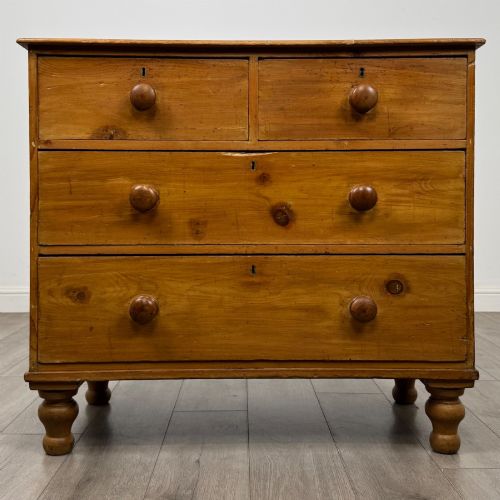
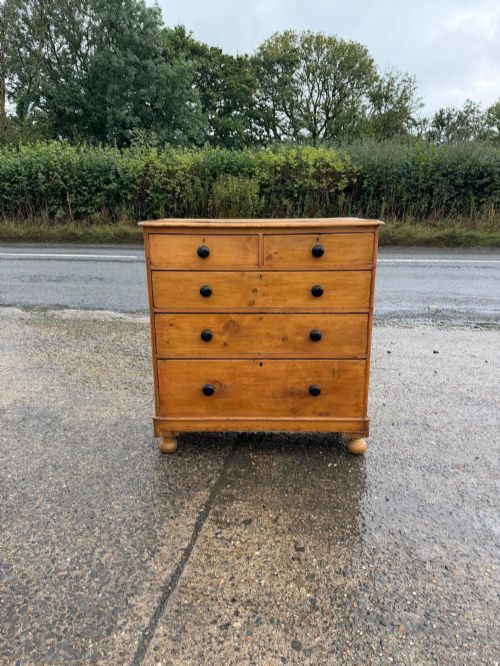
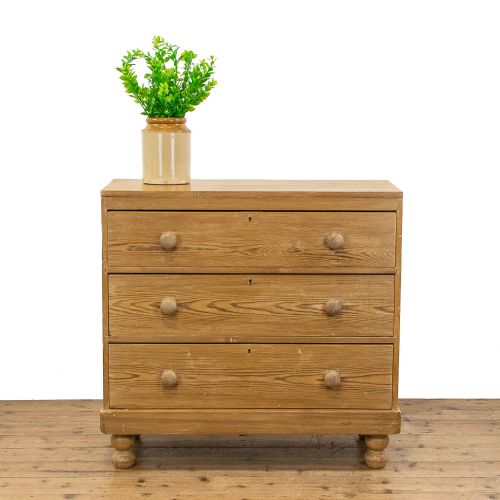
A turned feet pine chest is a traditional storage form primarily encountered from the Victorian and Regency periods. These pieces take the shape of chests of drawers, featuring combinations such as two small drawers over three larger ones.
The objects stem from Victorian and Regency contexts, including Victorian country iterations. Alongside standard drawer chests, the form extends to deep grain chests or coffers raised on distinct foot elements.
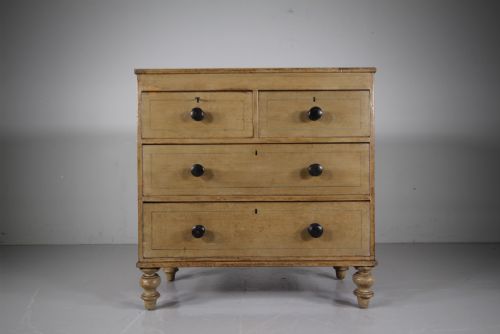
Buyers seeking this phrase frequently encounter painted timber finishes alongside natural wood surfaces. The design relies on functional simplicity paired with the decorative detail of turned wooden feet and knobs.
How they were made
Construction relies upon pine and timber, frequently shaped into robust chests of drawers and coffers. Makers utilised wood as the primary structural material, sometimes enhanced with paint layers.
Hardware details incorporate brass, iron, and metal components for handles and fastenings. Surfaces showcase original paint or dry scraped finishes revealing underlying colour, complemented by turned wooden knobs and feet.
Some chests took the long road home, emerging from dry scraping with their original colours intact beneath decades of stubborn overpaint.
What varies in quality
Quality differences rest upon the preservation of original surfaces, such as dry scraped finishes or untouched original paint. Pieces retaining their original turned knobs and feet demonstrate higher integrity than those with replaced elements.
The refinement of the timber and the crispness of the turned foot details separate standard examples from finer specimens. Regency and Victorian pieces show varying degrees of joinery sophistication.
The Turned Feet Pine Chest Glossary
- Pine
- A softwood commonly utilised for constructing traditional furniture carcasses and drawer fronts. It accepts paint finishes readily and forms the basis of these chests.
- Turned feet
- Support elements shaped on a lathe to create a rounded, decorative profile. They elevate the chest off the floor.
- Regency
- A stylistic period spanning the early nineteenth century known for classical restraint and elegance. Pieces from this era show specific architectural proportions.
- Victorian
- The historical period spanning the reign of Queen Victoria, encompassing diverse vernacular and formal styles. Most listed chests originate from this extensive era.
- Dry scraped
- A conservation technique where later paint layers are carefully removed to expose the original historic colour beneath. This reveals the early surface texture of the timber.
Turned Feet Pine Chest: Frequently Asked Questions
What periods do these chests come from?
The available evidence indicates these pieces originate from the Regency and Victorian eras, with specific dates extending into the eighteen-sixties and seventies.
Buyers will find that Victorian examples dominate the selection, often reflecting country workshop traditions alongside more formal Regency designs.
Are these chests painted or natural wood?
Examples appear in both natural timber and painted finishes, including original paint and dry scraped surfaces. Some retain their early painted decoration while others display the bare grain of the pine.
Hardware elements such as brass, iron, and metal fittings accompany these finishes, alongside the characteristic turned wooden knobs.
How were these chests used?
These pieces functioned as practical bedroom and household storage furniture for garments and domestic items. The multi-drawer layouts allowed users to organise clothing efficiently.
Deapest variants also include coffer-style storage chests designed to hold bulky blankets or linens.
What is a two plus three drawer layout?
This configuration consists of a top row of two smaller side-by-side drawers positioned above three wider full-width drawers below. It is a standard arrangement seen across numerous Victorian examples.
This specific layout provides varied compartment sizes for different types of clothing and personal belongings.