


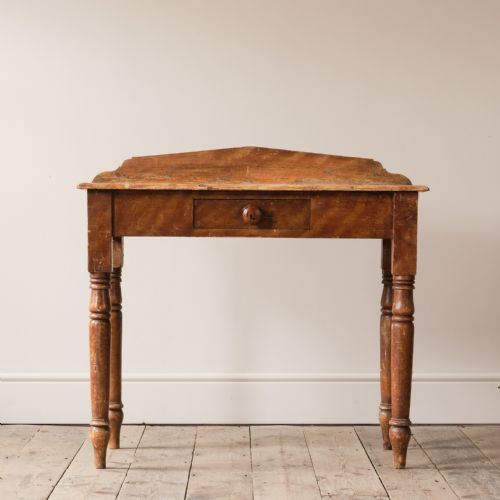

Turn of the Century Pine Table
A turn of the century pine table brings practical warmth to a room, offering honest timber surfaces shaped for everyday utility.
Turn of the Century Pine Table
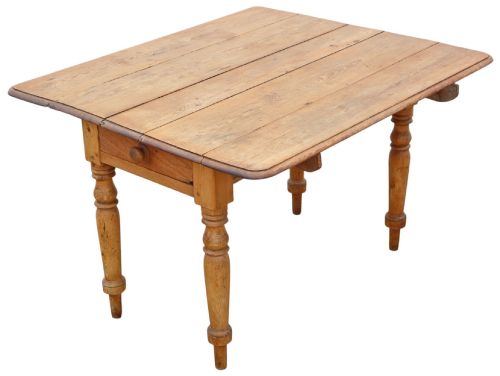
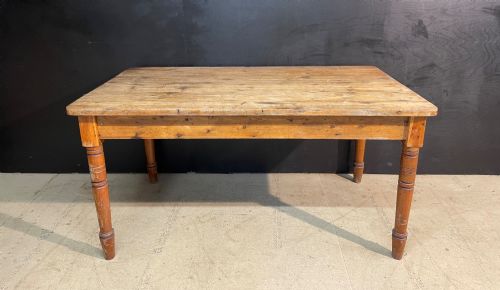
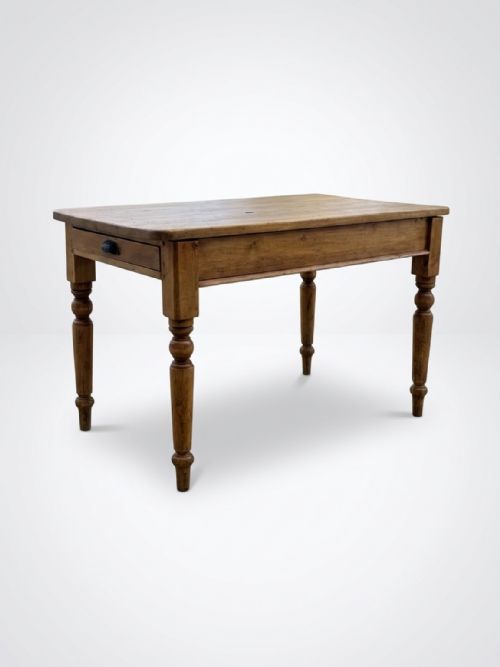
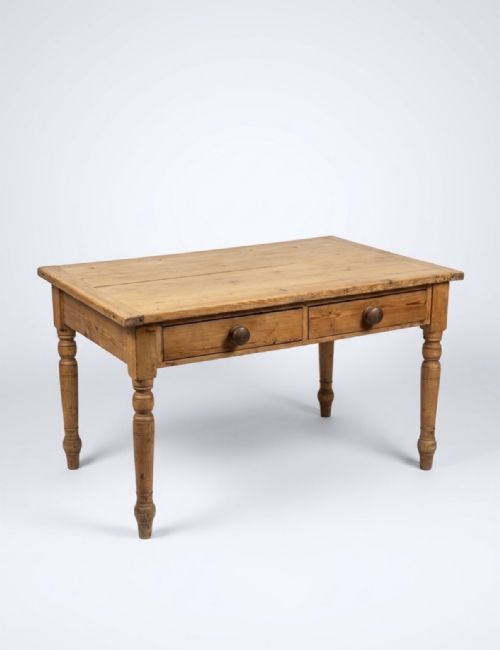
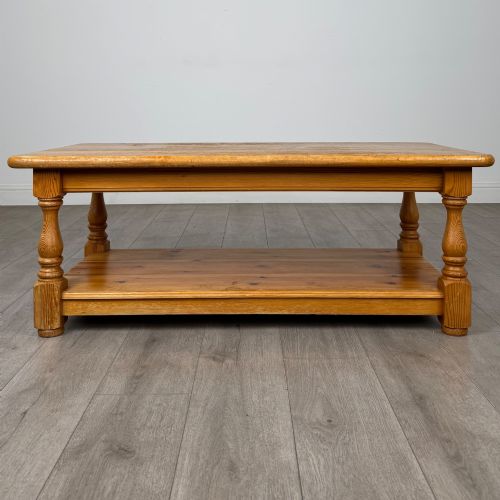
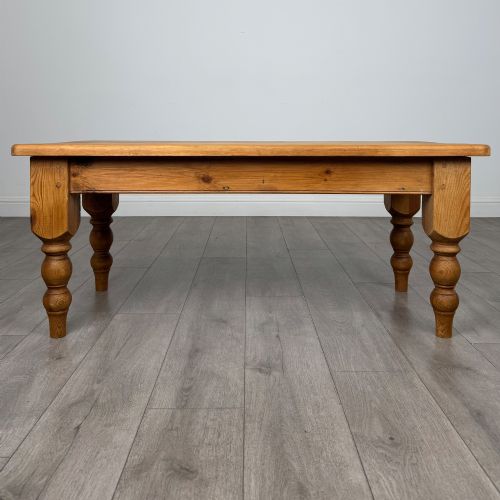
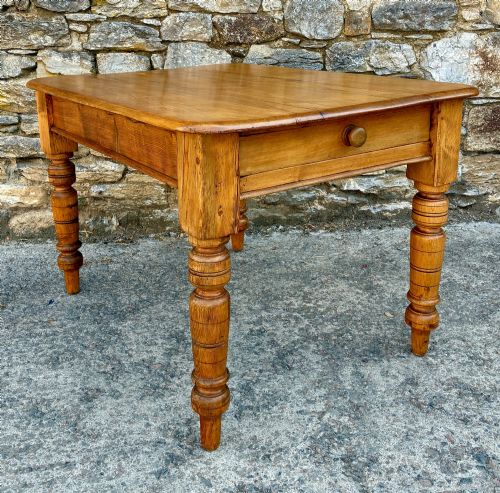
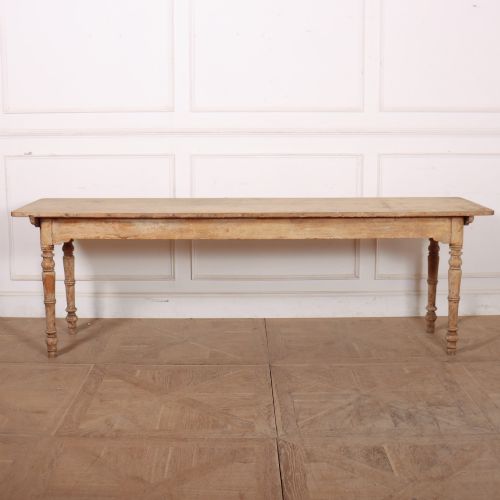
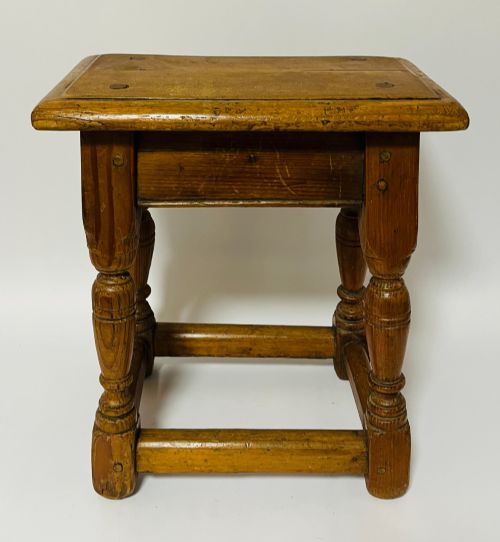
When searching for a turn of the century pine table, buyers encounter functional furniture built primarily during the Victorian and Edwardian eras, alongside earlier Georgian and 18th-century examples. These pieces typically take the form of kitchen and dining tables, side tables, and coffee tables intended for daily domestic use.
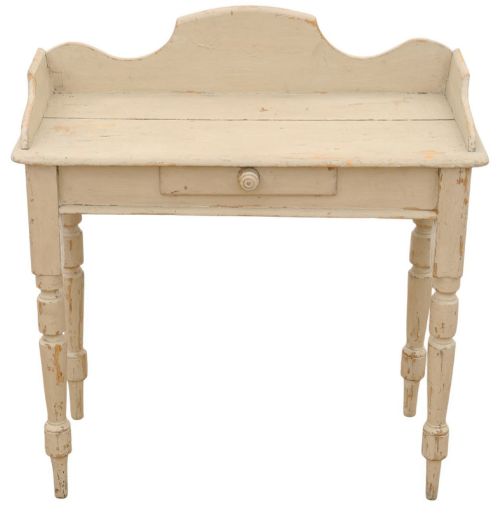
The versions met most frequently on this page span robust farmhouse dining tables, smaller side tables with single drawers, and occasional tables. Materials extend beyond standard pine to include pitch pine, painted wood, and combinations involving oak or fruitwood.
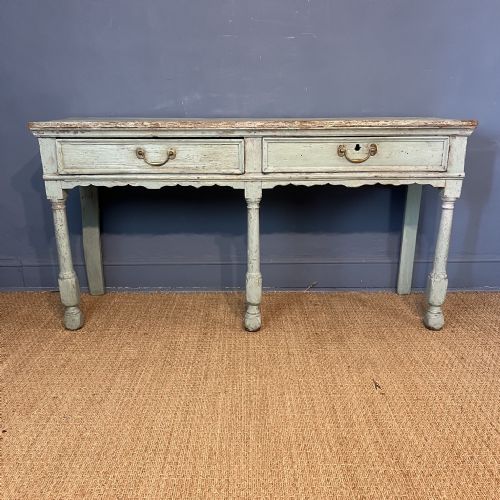
Origins vary from English and Welsh country workshops to Scottish preparation surfaces and continental European examples such as Swedish demilune tables and Italian console tables. Each piece reflects the utilitarian needs of its period, whether designed for food preparation, writing, or serving.
Materials and construction methods
Construction relies heavily on solid pine and pitch pine, selected for accessibility and strength in domestic furnishings. Carpenters frequently combined pine with secondary timbers like elm for table tops or fruitwood for drawers, ensuring durability in high-wear areas.
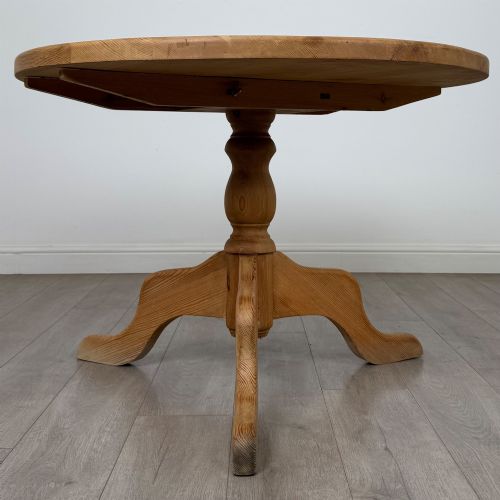
Surface treatments recorded in the evidence range from plain scrubbed timber to original paint finishes, stained surfaces, and decorative details such as bobbin-turned legs. Joinery methods prioritise stability, resulting in sturdy four-legged frames, folding drop-leaf mechanisms, and tilt-top designs.
The listings show pieces spanning from the 18th century through the Victorian and Edwardian periods, constructed in pine, pitch pine, and painted wood.
Distinguishing quality across the range
The upper tier of these tables is distinguished by the survival of original paintwork, authentic patination, and high-quality secondary timbers such as fruitwood or pitch pine. Superior examples often incorporate functional integration like fitted drawers with traditional jointing, or specific regional turning on the legs.
Lower-grade items show more severe wear or unsympathetic modern interventions that remove the historical surface texture. The presence of unaltered original structures and well-maintained timber surfaces determines where a piece sits within the historical range.
The Turn of the Century Pine Table Glossary
- Pitch pine
- A dense, resinous variety of pine timber often utilised for durability in heavy-use furniture such as servers and large dining tables.
- Cricket table
- A small, lightweight table supported by three legs, historically designed to stand steady on uneven cottage floors.
- Demilune
- A half-moon shape characteristic of certain occasional and console tables designed to sit flush against a wall.
- Drop leaf
- A table top configuration featuring hinged flaps that fold down to save space when not in use.
Turn of the Century Pine Table: Frequently Asked Questions
What defines a turn of the century pine table?
These tables are practical domestic pieces made from softwoods like pine and pitch pine, originating largely from the nineteenth and early twentieth centuries.
They encompass various forms including kitchen work tables, farmhouse dining tables, and compact side tables with integrated drawers.
How were these tables used originally?
They served as central work surfaces for domestic food preparation, family dining, and general household administration in kitchens and parlours.
Smaller variants functioned as side tables, washstands, or occasional surfaces for holding lamps and writing equipment.
How do I care for an antique pine table?
Maintain the timber by keeping it away from direct heat sources and extreme humidity fluctuations that can cause the wood to split.
Clean surfaces with a dry or lightly damp cloth, avoiding harsh chemical polishes that strip historical patina and original paint layers.
Can I use a kitchen table for daily dining?
Most of these pieces were constructed specifically for heavy daily tasks, making them robust enough for regular contemporary dining and kitchen use.
Care should be taken with unsealed or painted tops to protect the historical surface from moisture and heat damage during meals.