

Turn of the Century Dresser
When you search for a turn of the century dresser, you find sturdy storage furniture spanning several historical eras.
Turn of the Century Dresser
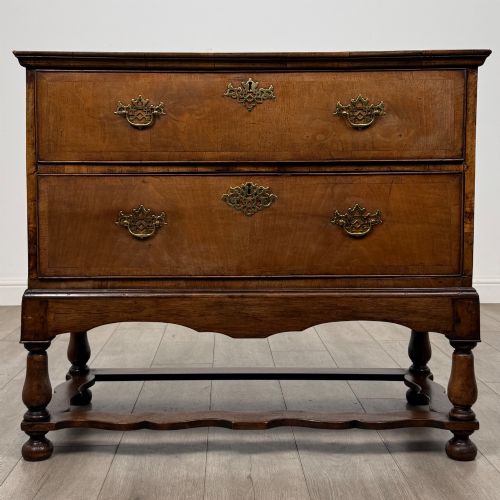
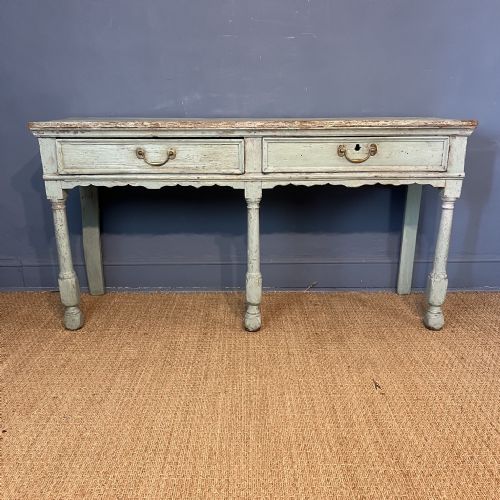
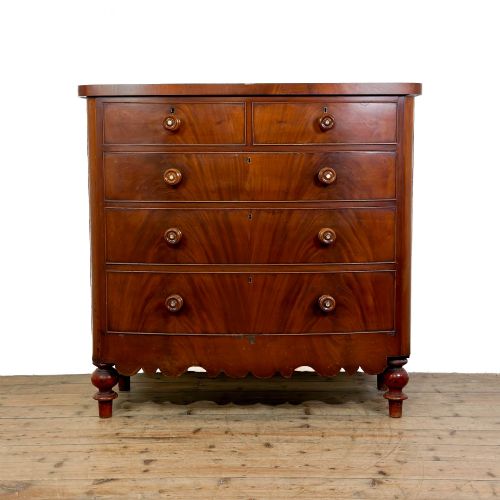
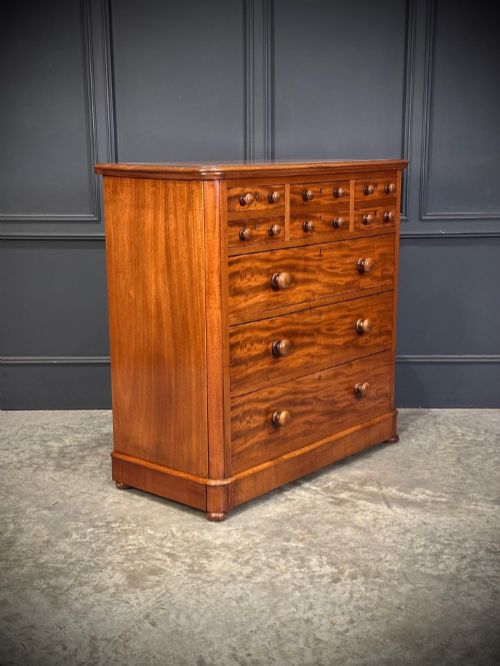
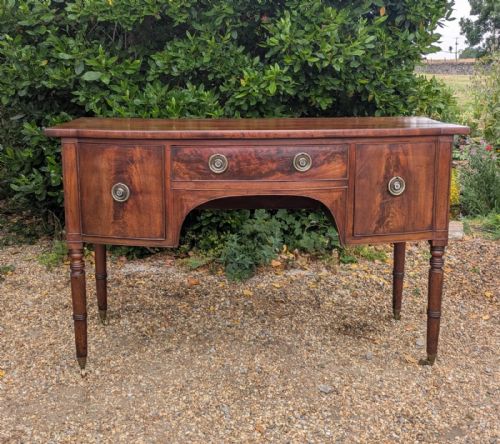
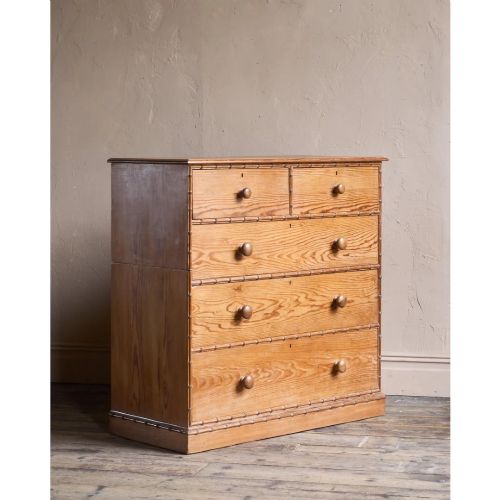
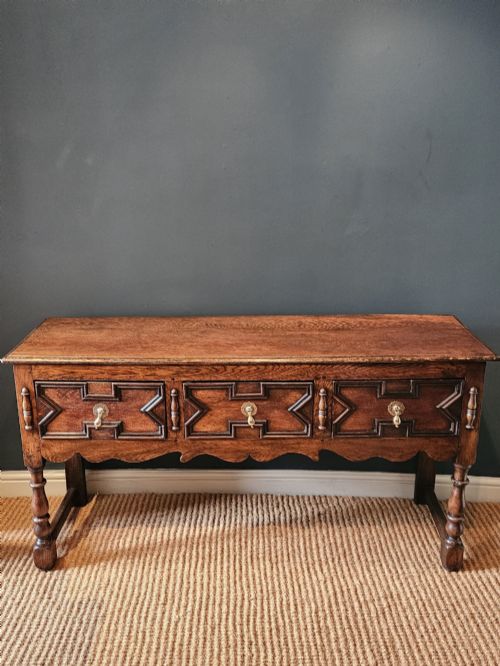
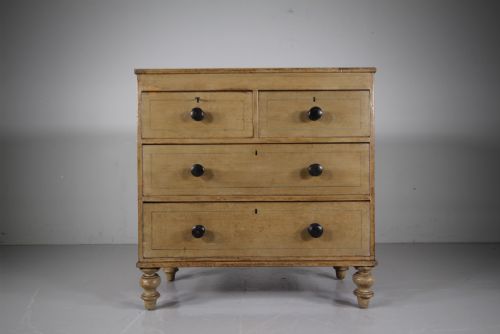
A turn of the century dresser covers multiple object types including chests of drawers, dresser bases, sideboards, and side tables. These pieces emerge from periods ranging from the seventeenth century through the Edwardian era and Victorian times.
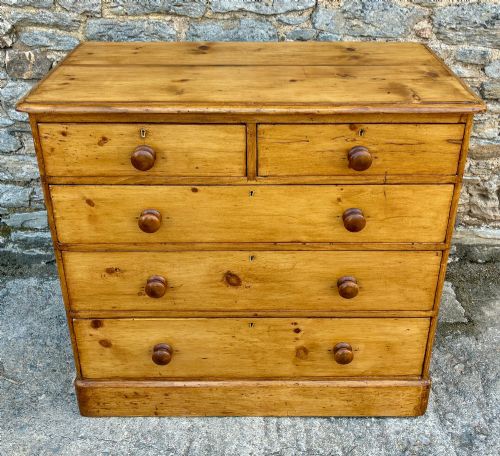
Buyers encounter forms constructed in pine, oak, mahogany, walnut, and satinwood alongside painted finishes. Styles span from Jacobean and Queen Anne to Regency, Victorian, and Edwardian designs.
How they were made
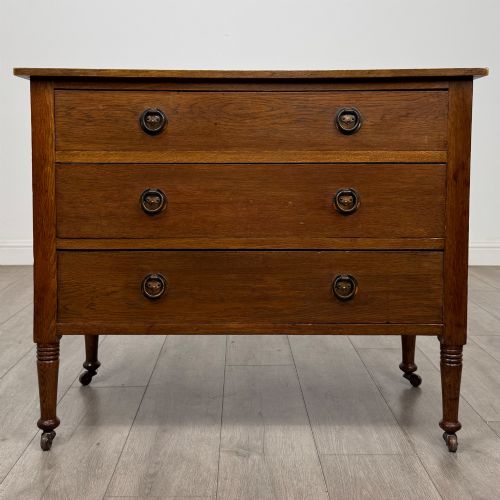
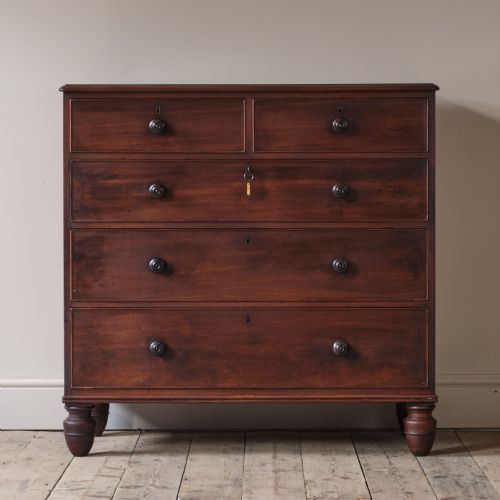
Construction relies heavily on solid timbers such as oak and mahogany, often enhanced by flame mahogany veneer, walnut panels, or pine carcasses. Joinery methods include traditional techniques suited to geometric mouldings, block fronts, and tongue and groove boards.
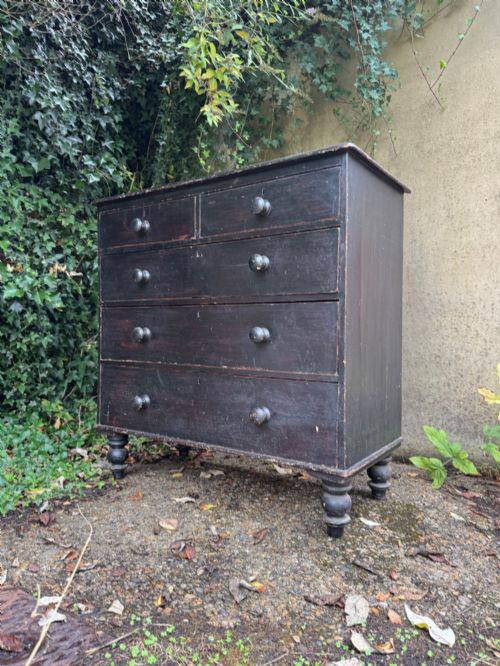
Surface treatments involve painted finishes, natural waxes, and polished wood surfaces that highlight the grain of the materials. Brass hardware and turned wooden handles complete the construction of these storage pieces.
Listings feature woods such as pine, oak, mahogany, walnut, and satinwood alongside painted finishes.
What varies in quality
Quality differences lie in the selection of timber figures, such as flame mahogany veneer or rich walnut grain, compared to plain pine boards. The finesse of decorative elements like geometric mouldings and inlaid details separates standard examples from finer ones.
Structural integrity depends on the precision of the drawer construction, including secret drawers and dovetailed joints. The originality of the surface finish and hardware also distinguishes exceptional pieces from standard utilitarian items.
T G Seddon·Howard and Sons
The Turn of the Century Dresser Glossary
- Dresser base
- A low sideboard or cabinet with drawers, originating from earlier centuries as a surface for food preparation or display. These pieces usually feature solid oak or pine construction.
- Bow front
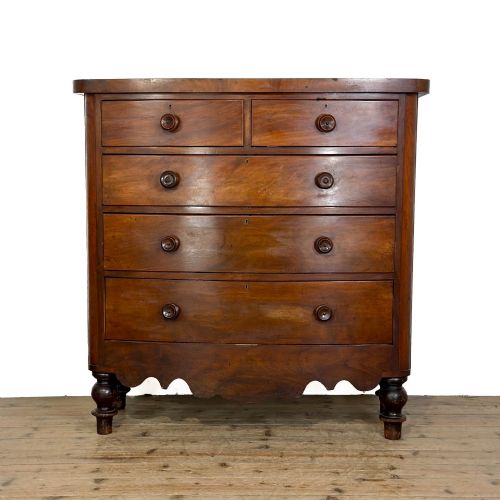
- A convex curved front elevation common on nineteenth-century chests of drawers. This design softens the profile of large wooden storage units.
- Flame mahogany veneer
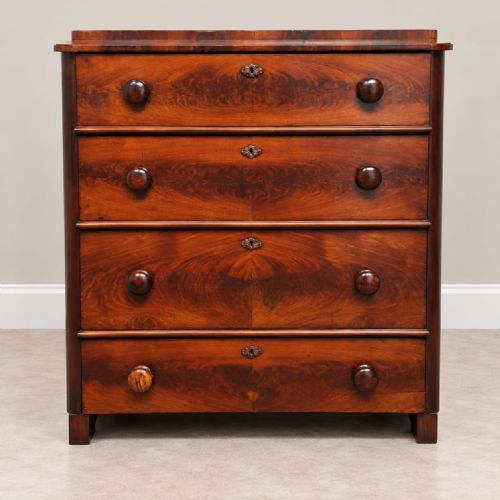
- A thin decorative slice of mahogany wood applied to a primary surface to create a flamy, figured grain pattern. Cabinet makers utilise this technique for visual impact.
- Pot board
- An open lower shelf built into early dresser bases, originally intended for storing pots and heavy kitchen utensils. It forms an integral part of the piece's framework.
Turn of the Century Dresser: Frequently Asked Questions
What is a dresser base?
A dresser base is a low storage cabinet featuring multiple drawers and occasionally a pot board beneath. These sturdy oak or pine units served practical functions in domestic spaces.
Over time, these forms transitioned into decorative sideboards found in living areas and dining rooms.
How do I identify mahogany veneer?
Mahogany veneer consists of a thin layer of figured wood applied over a secondary timber core. This technique allows cabinet makers to display striking grain patterns without using solid exotic wood throughout.
Flame variations create distinct, rippling patterns across drawer fronts.
Where were these pieces used?
These storage units served bedrooms, living spaces, and hallways for organising clothing and household goods. Chests of drawers provided essential private storage in sleeping quarters.
Sideboards and dresser bases functioned in dining rooms and kitchens for holding tableware and linens.
How do I clean waxed pine?
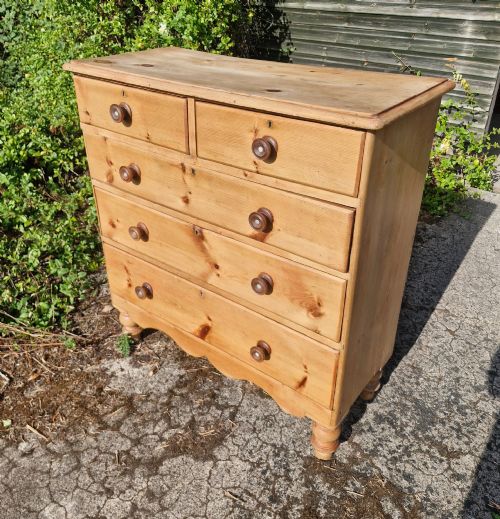
Clean waxed pine gently using a soft, dry cloth to remove dust and surface debris. Avoid harsh chemical cleaners that strip the traditional wax finish.
Applying a specialist beeswax polish periodically helps maintain the lustre and moisture of the wood.