

Turn of the Century Console
A turn of the century console brings period character to a hallway or reception room through practical surfaces and rich timber frames.
Turn of the Century Console
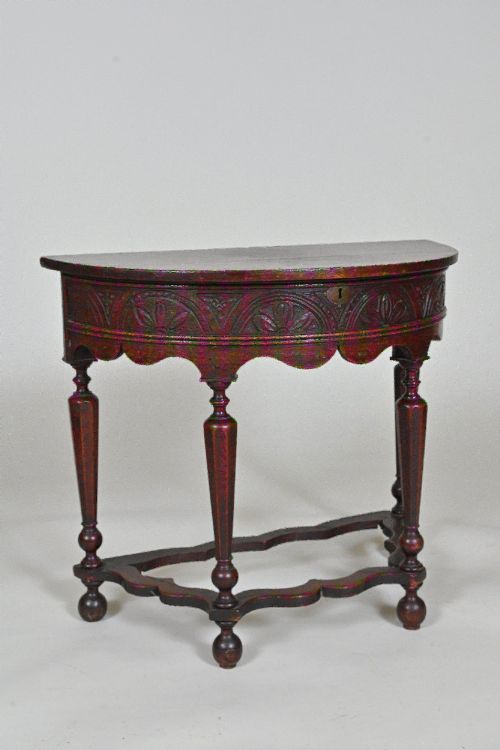
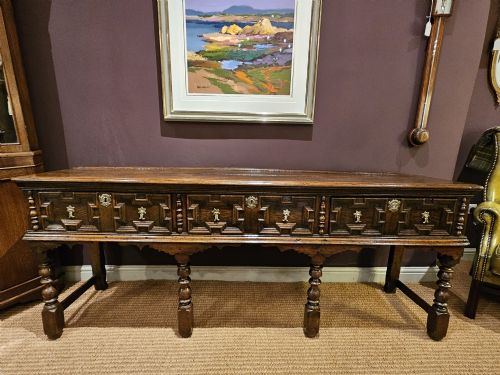
When buyers search for a turn of the century console, they encounter a variety of side tables, console tables, and occasional tables spanning the Victorian, Edwardian, and early twentieth-century periods. These forms served utilitarian purposes in hallways, drawing rooms, and dining spaces, often acting as surfaces for lamps, writing materials, or decorative objects.
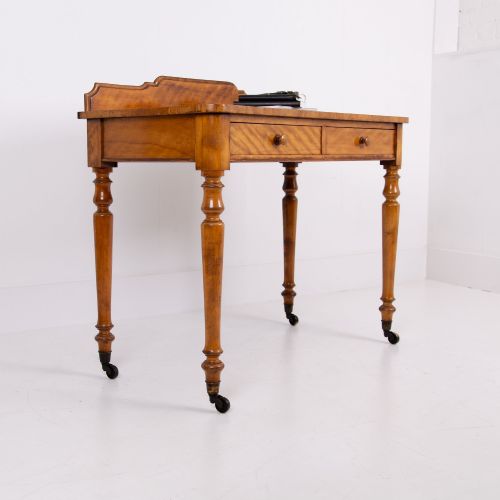
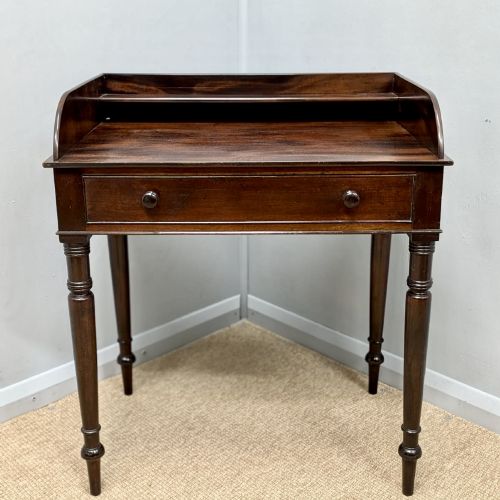
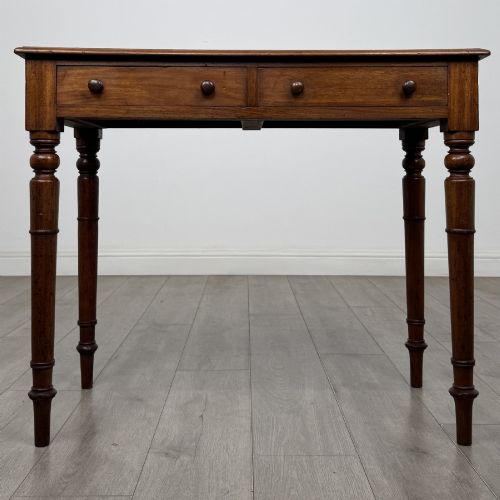
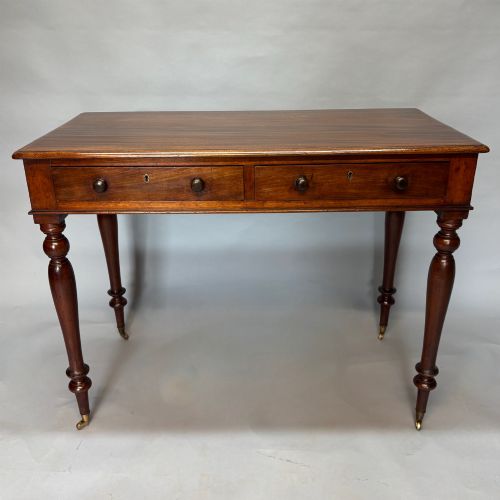
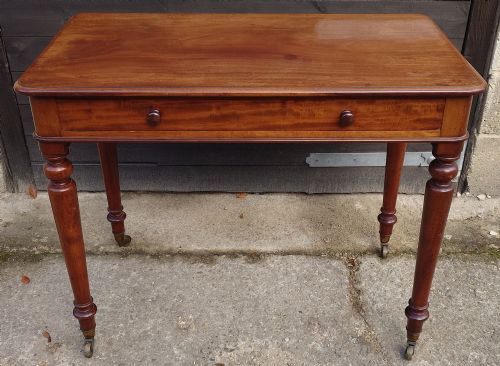
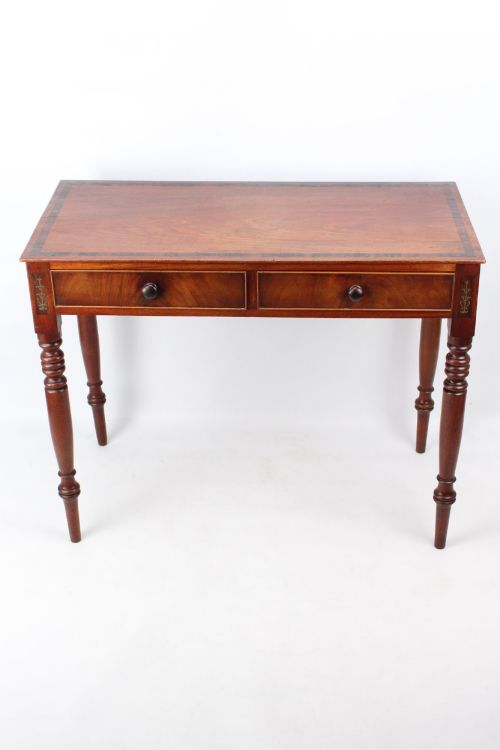
The most common examples on this page are Victorian and early twentieth-century pieces, frequently constructed in mahogany or oak. Alongside dedicated console tables, the selection includes related side tables, writing desks, and washstands that share the same narrow footprint and wall-adjacent placement.
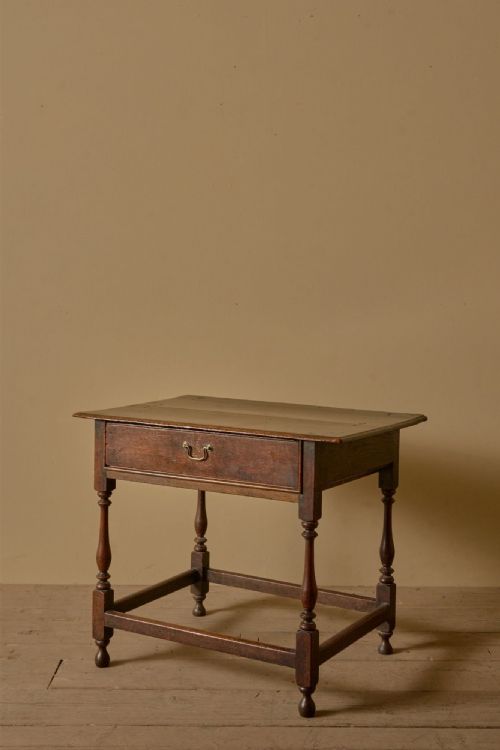
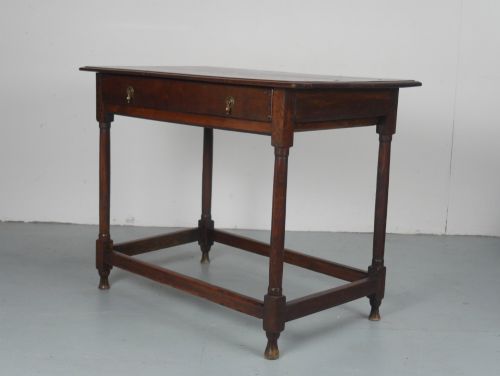
Origins stretch from seventeenth-century oak designs up to pieces dated around nineteen-twenty in light oak or golden oak. The stylistic vocabulary spans Jacobean Revival, Georgian influences, and the clean lines of the Regency period, offering distinct silhouettes for varied domestic interiors.
Materials and construction methods
Timbers dominate the construction of these tables, with dense mahogany, figured walnut, and sturdy oak appearing across multiple centuries. Secondary woods such as pine, elm, and yew are utilised in carcases and lesser-seen structural elements.
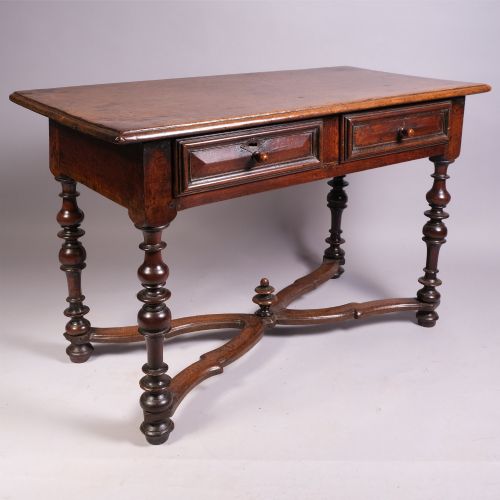
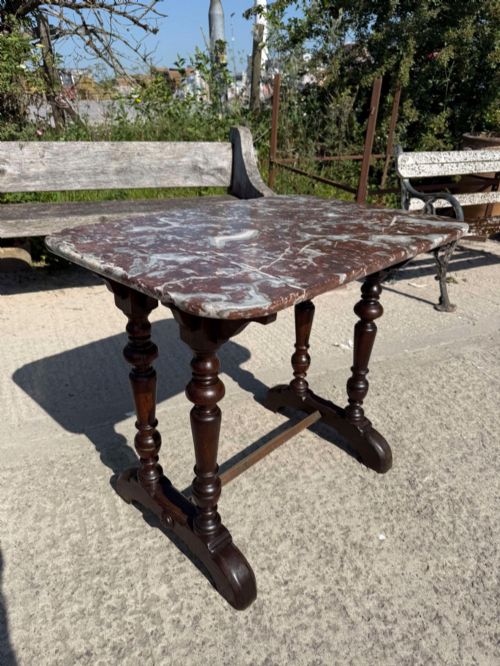
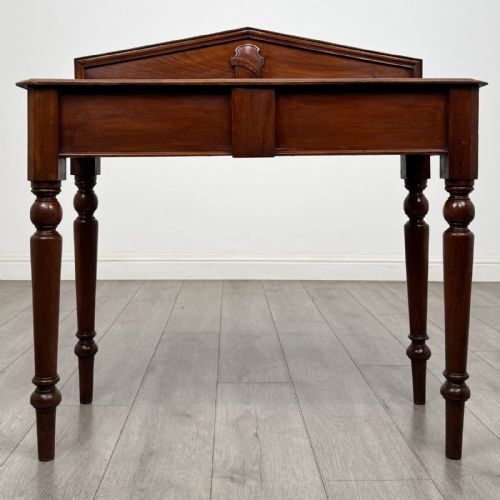
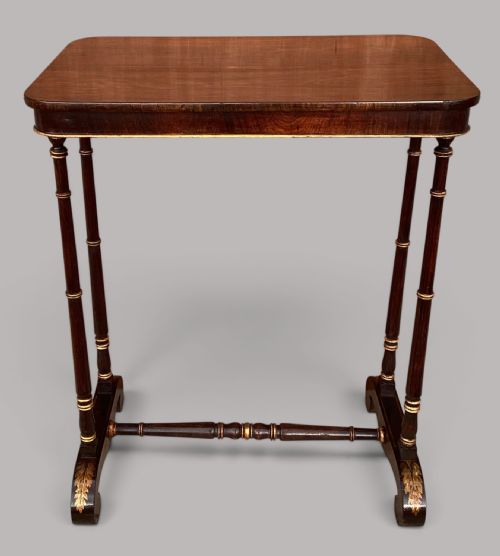
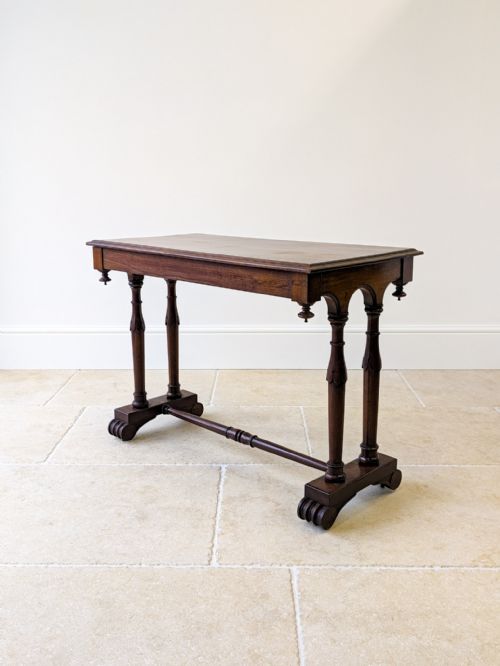
Surface treatments and decorative details include brass inlay, marble tops, painted finishes, and raised pediment backs. Joinery methods range from traditional mortise and tenon joints in seventeenth-century oak tables to turned stretchers and bobbin-turned legs on later Victorian specimens.
Turn of the Century Console Retail Price Guide 2026
Typical asking prices for turn of the century console among the pieces listed under this phrase on Sellingantiques today, from the lower quarter to the upper quarter. They describe what is for sale here now, not the wider market.
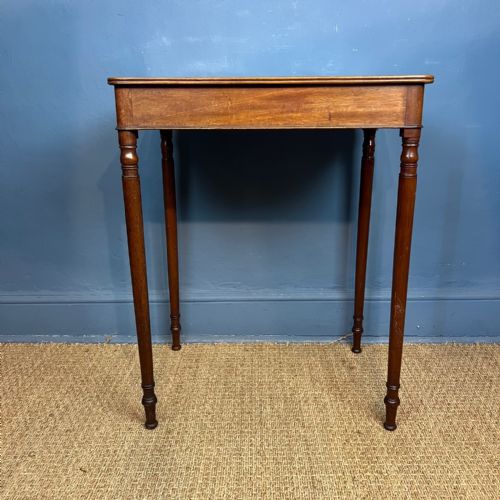
Bobbin-turned legs bring a tactile rhythm to Victorian tables, resembling a string of polished wooden beads.
Evaluating craftsmanship and integrity
Quality rests in the selection of timber and the precision of the joinery rather than mere age. Pieces featuring well-figured Cuban mahogany or quartersawn oak demonstrate a superior grade of raw material chosen by the maker.
Heal and Son·Gillows
The Turn of the Century Console Glossary
- Console table
- A table designed to be fixed against a wall, often supported by two front legs and secured with brackets.
- Pediment back
- A raised vertical timber section at the rear edge of a table top, preventing items from sliding off and protecting the wall.
- St stretcher
- A horizontal timber connecting the legs of a table to provide structural rigidity and stability.
- Marble top
- A polished stone surface fitted to the top of a washstand or hall table, valued for its cool and water-resistant properties.
- Occasional table
- A small movable table intended for intermittent use in a living space or bedroom.
Turn of the Century Console: Frequently Asked Questions
What is a console table used for?
These tables provide a narrow surface for placement against a wall in hallways, reception rooms, or living spaces.
They hold lamps, correspondence, or decorative objects without obstructing passage through domestic pathways.
How do I distinguish oak from mahogany?
Oak exhibits a prominent, open grain with visible medullary rays and a golden-brown hue.
Mahogany displays a tighter, smoother grain pattern with deep reddish-brown tones that darken with age.
Where should I place a side table?
Side tables fit naturally beside seating arrangements, against empty hallway walls, or beneath windows.
Their compact proportions allow them to occupy tight spaces while offering functional surface area.
How do I identify a Victorian console?
Victorian examples often feature dark mahogany or walnut timber, turned legs, and sometimes raised pediment backs.
Construction details from this era frequently include sturdy framing intended for heavy everyday household use.