

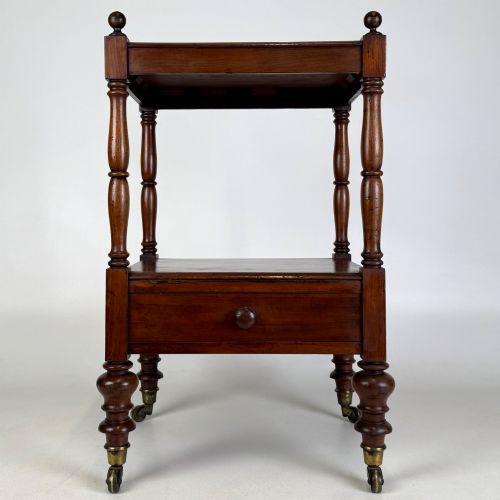
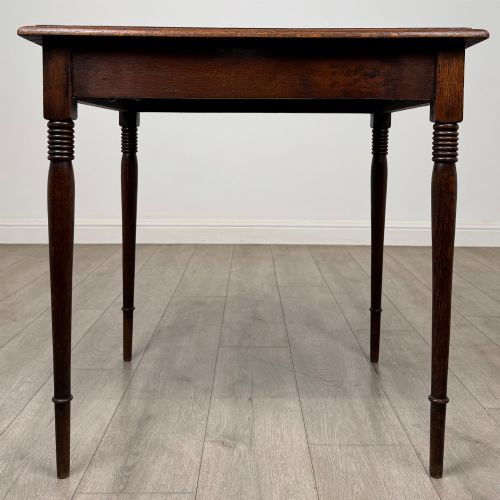
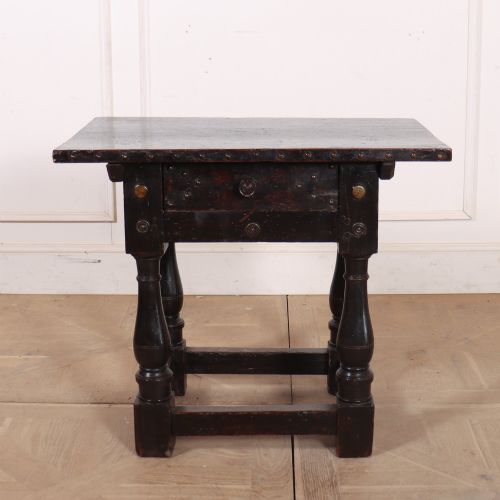
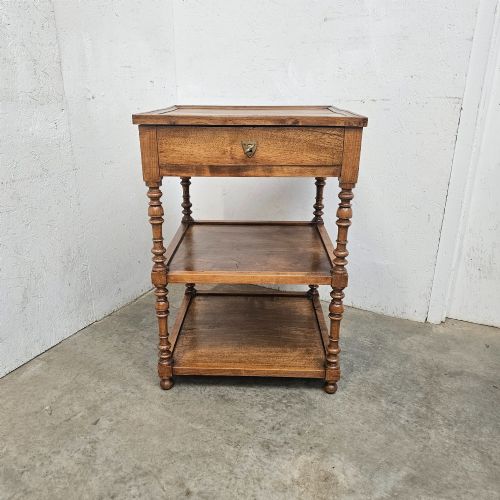
Turn of Century Nightstands
Turn of century nightstands bring practical surface space and period character to a bedroom, combining functional storage with historic timber craftsmanship.
Turn of Century Nightstands
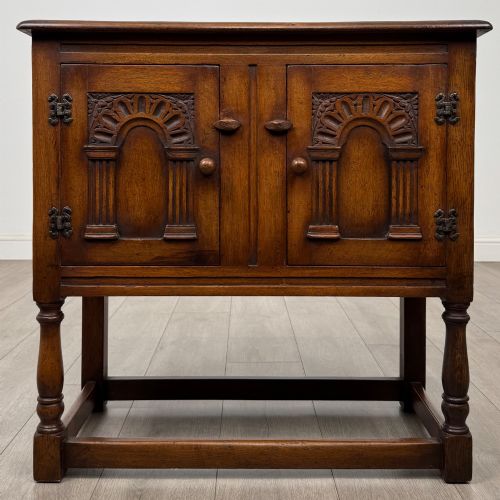
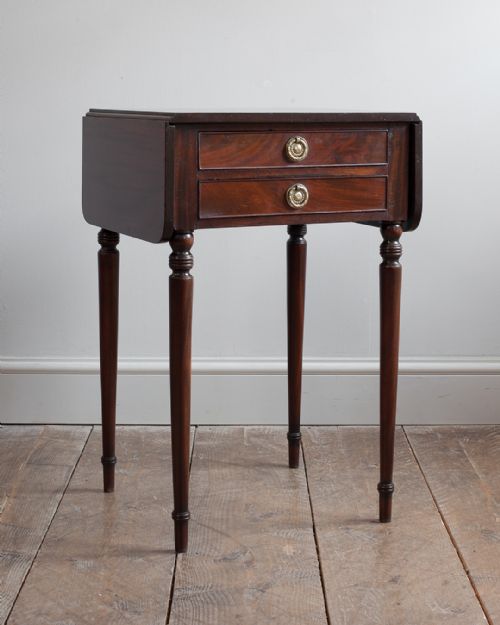
Turn of century nightstands encompass compact bedside tables, small cabinets, and pot cupboards designed to sit beside a bed for nightly utility. These pieces bridge late Victorian and Edwardian aesthetics, alongside earlier Georgian and Regency forms adapted for bedside use.
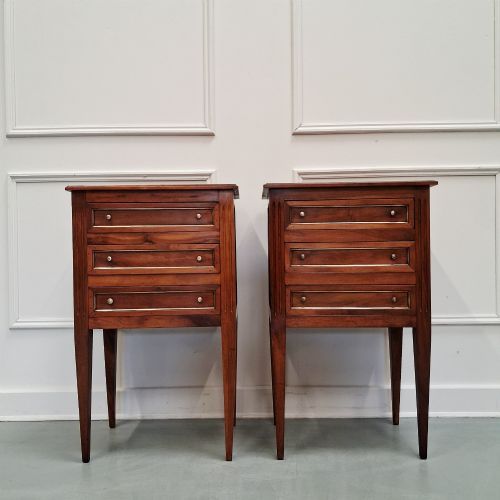
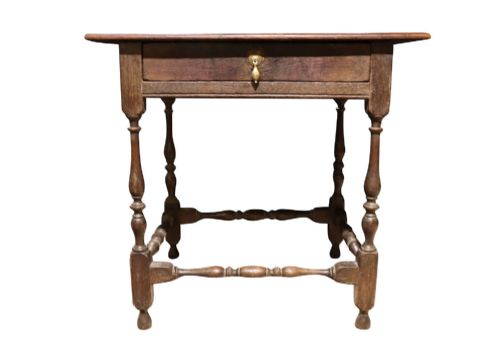
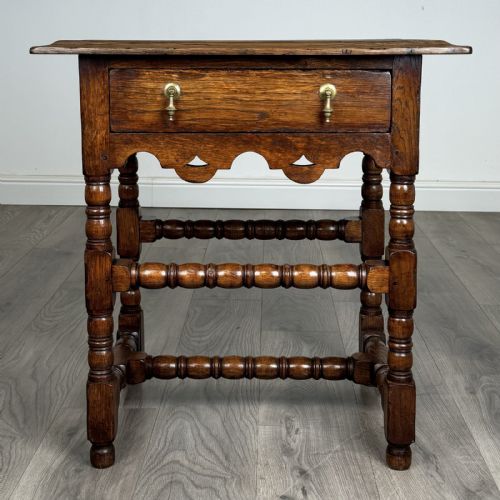
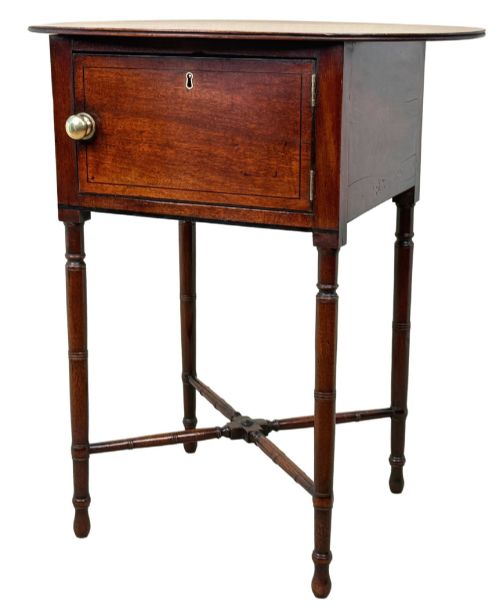
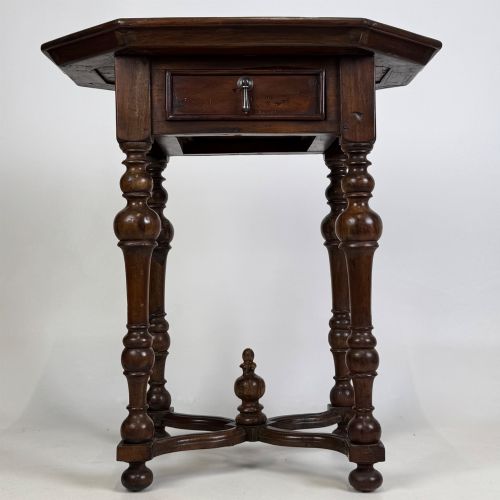
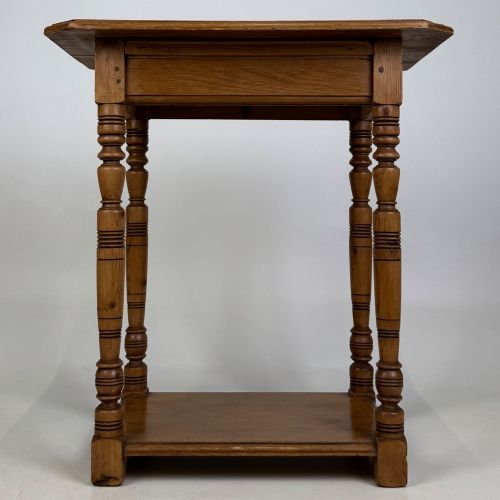
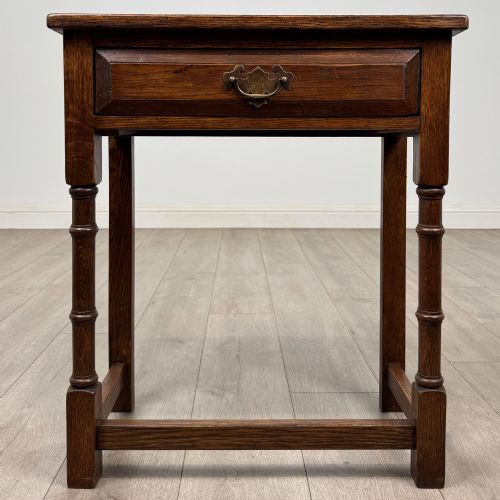
Buyers encounter a strong representation of oak and mahogany structures on this page, often featuring single drawers, cupboards, or open lower tiers. The forms range from simple occasional tables to pairs of painted bedside cabinets and pot cupboards.
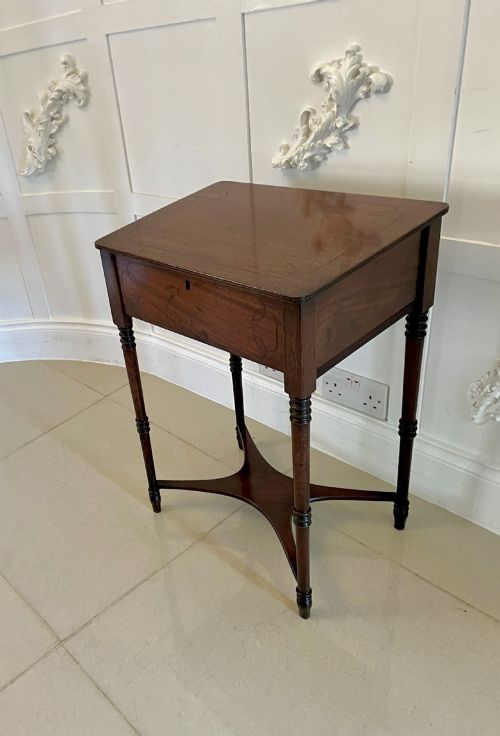
Origins span English country and city workshops as well as continental examples, providing a varied selection of timbers like walnut, fruitwood, and pine. Smaller side tables and lamp tables frequently double as nightstands due to their modest proportions.
Distinguishing Quality in Period Pieces
Quality reveals itself in the crispness of the timber grain, the weight of the mahogany or oak, and the integrity of the structural joints. Finer examples display thoughtful proportion, restrained decorative turnings, and well-fitted drawer construction.
The presence of matching pairs elevates the desirability of bedside cabinets, while uniform fading and honest patination on the wood indicate careful preservation over generations.
Listings span multiple eras from the eighteenth century to the mid-twentieth century, with a strong concentration of oak and mahogany side tables.
The Turn of Century Nightstands Glossary
- Pot cupboard
- A small bedside cabinet originally designed to house a chamber pot behind a single door. These enclosed pieces keep items hidden from view.
- Pembroke table
- A small table featuring drop leaves on either side supported by hinged brackets. They offer flexible surface area in compact bedrooms.
- Lamp table
- A sturdy, small-scale occasional table intended to hold a lighting fixture. Their compact footprints suit placement next to a bed.
- Etagere
- A set of open shelves providing tiered storage for books and small objects. They introduce vertical display space within a compact footprint.
- Patina
- The surface sheen and softening of colour developed by timber over decades of handling and exposure to light. It serves as an indicator of age.
Turn of Century Nightstands: Frequently Asked Questions
What defines a turn of century nightstand?
These pieces date from the transition between the nineteenth and twentieth centuries, spanning late Victorian, Edwardian, and early nineteen-twenties eras.
They take the form of small bedside cabinets, pot cupboards, and compact side tables built from timbers like oak and mahogany.
How do I use a historic nightstand today?
Historic bedside tables provide surface space for reading lamps, books, and small personal items while adding period character to a modern bedroom layout.
Enclosed cabinets and pot cupboards also offer discreet interior storage for nighttime essentials.
Are these tables usually found in pairs?
While many historic tables survive as single items, matched pairs of bedside cabinets and side tables do appear in the listings.
Pairs often feature painted finishes or matching mahogany and oak construction suited for placing on both sides of a bed.
What woods were commonly used?
Mahogany and oak dominate the selection, providing durable and stable surfaces with rich grain patterns.
Walnut, fruitwood, pine, and maple also appear across various regional and continental pieces from different eras.