






Turkmen Tribal Bagface
A turkmen tribal bagface is a rich piece of Central Asian weaving that brings authentic nomadic texture into a modern interior.
Turkmen Tribal Bagface
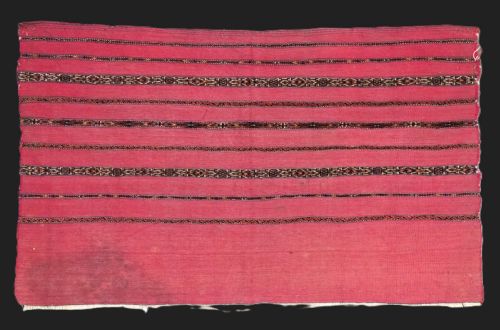
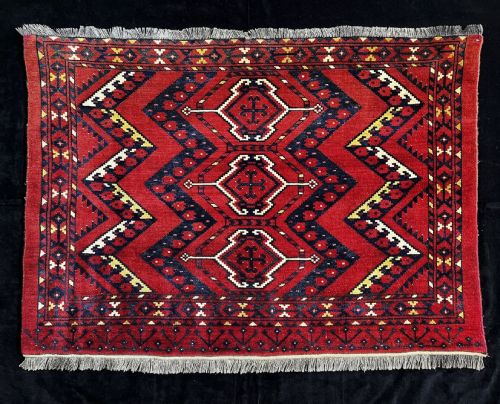
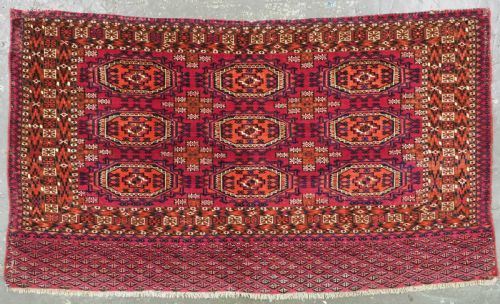
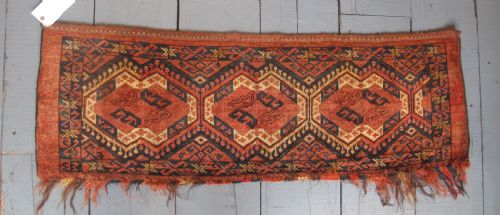
When you search for a turkmen tribal bagface, you are looking at fragments and complete faces of nomadic storage sacks created by various tribes across Central Asia during the nineteenth century. These textiles include chuval faces, torba faces, and spindle bags originating from the Ersari, Yomut, Saryk, and Tekke Turkmen groups. The pieces range from smaller dowry weaving examples to large storage bagfaces produced in regions such as Beshir.
On this page, you are most likely to meet Tekke Turkmen torba faces and chuval faces dating from the 1860s through to the 1890s. These items often showcase traditional gul motifs, fine weaves, and curled leaf designs passed down through tribal traditions. Each object represents a functional item of nomadic daily life transformed into patterned textile art.
What varies in quality
The refinement of the weave distinguishes the finer examples from standard pieces, with tighter knot counts indicating greater labour and skill. Density in the pile and precision in executing traditional gul motifs elevate certain torba and chuval faces above others.
Preservation of the original structure and the clarity of the wool dyes also determine the standing of a textile. Pieces retaining complete formats or displaying exceptional dowry weaving command closer attention from those studying Central Asian textiles.
Turkmen Tribal Bagface Retail Price Guide 2026
Typical asking prices for turkmen tribal bagface among the pieces listed under this phrase on Sellingantiques today, from the lower quarter to the upper quarter. They describe what is for sale here now, not the wider market.
Spindle bags were made specifically to keep wandering spinning tools from rolling away in a tent.
The Turkmen Tribal Bagface Glossary
- Chuval
- A large tent storage bag used by nomadic tribes for household possessions. These bags were often made in front faces and later separated.
- Torba
- A smaller tribal wall bag used for storage inside the yurt. They frequently feature detailed guls and fine geometric layouts.
- Gul
- A medallion motif repeated across Turkmen carpets and bagfaces. Each tribal group utilised distinct forms of these octagonal patterns.
- Beshir
- A region in Turkmenistan associated with distinct Ersari weaving traditions. Pieces from this area often incorporate bolder ikat-inspired layouts.
- Igsalyk
- A specific spindle bag woven by Yomut tribes to hold spinning tools. These functional objects display practical narrow proportions.
Turkmen Tribal Bagface: Frequently Asked Questions
What is a turkmen tribal bagface?
A turkmen tribal bagface is the decorated front panel of a nomadic storage sack from Central Asia. These nineteenth-century wool textiles were woven by various tribes for domestic use inside yurts.
Over time, many of these functional bags were separated into individual faces. They served as storage for bedding, clothing, and household goods.
How were these bags used?
Nomadic families utilised these bags to organise and store possessions within traditional tents. Smaller torbas hung on tent walls while larger chuvals held bulkier items.
They also formed part of traditional dowry furnishings created by women for marriage ceremonies. The woven pieces represented both utility and tribal identity.
How do I date a bagface?
Dating relies on examining the wool quality, the natural dye palette, and structural characteristics. Pieces on this page span the nineteenth century, from the 1860s through to the 1890s.
Earlier examples generally show finer wool preparation and specific tribal colour distributions. Comparing structural density helps place an object within this period.
How do I care for wool textiles?
Display these wool textiles away from direct sunlight to protect the natural dyes from fading. Gentle vacuuming through a mesh screen helps remove dust without damaging the pile.
Keep the environment dry and well-ventilated to prevent moisture retention in the old wool fibres. Professional textile conservators should handle any major cleaning needs.