



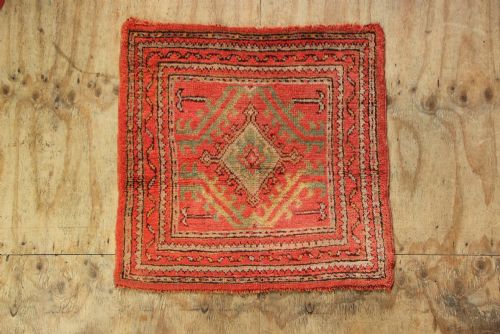
Turkish Oriental Carpet
When you search for a turkish oriental carpet, you are looking at woven history from Anatolia that grounds a room with rich texture and deep colour.
Turkish Oriental Carpet
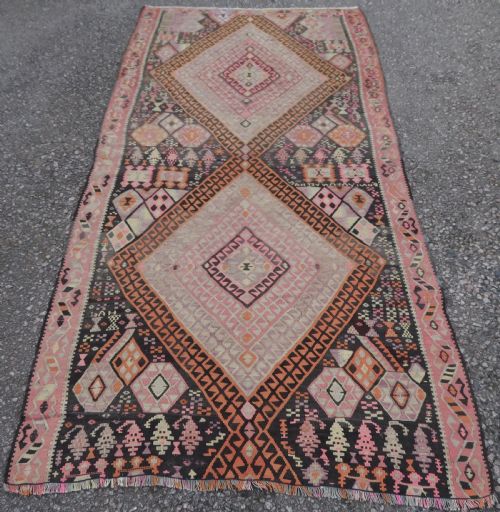
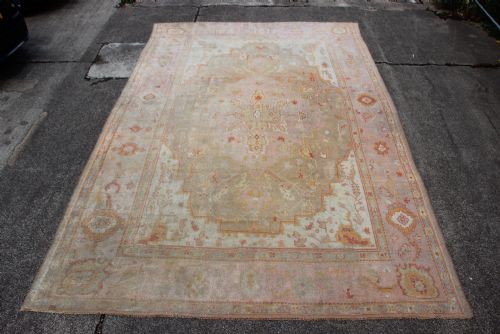
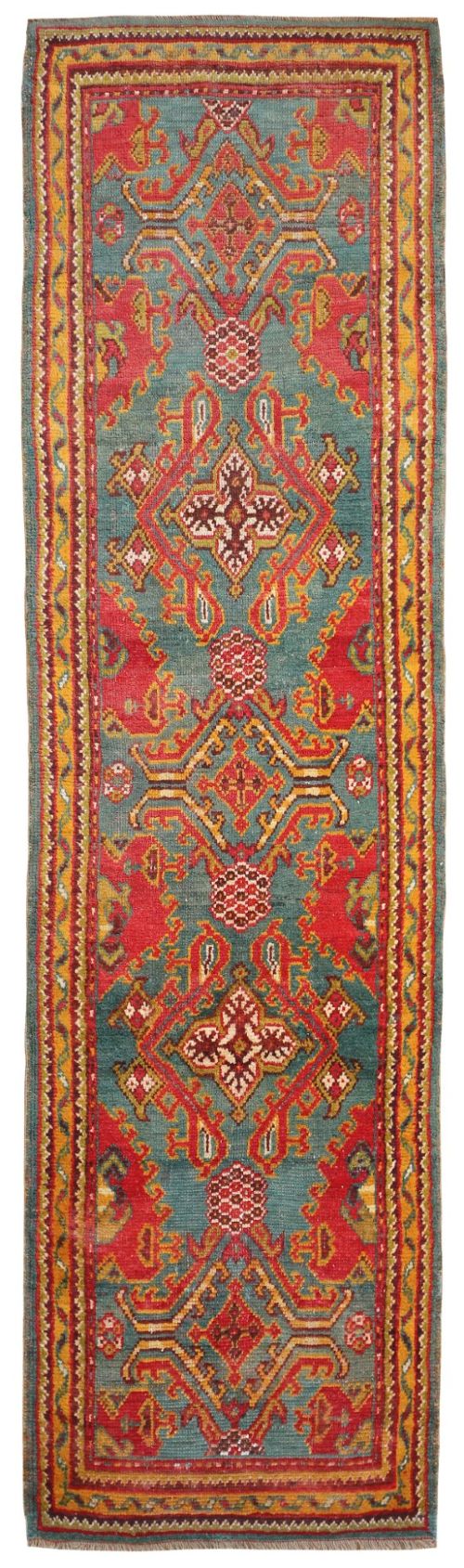
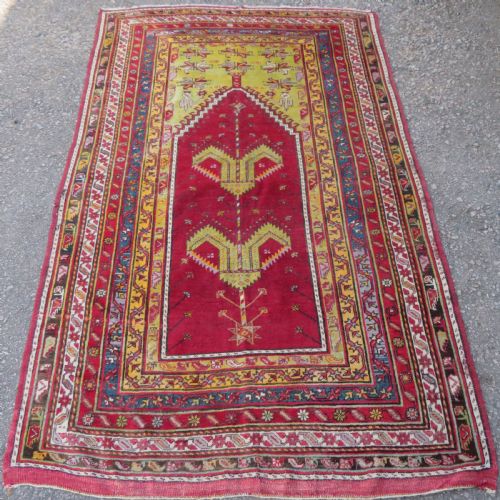
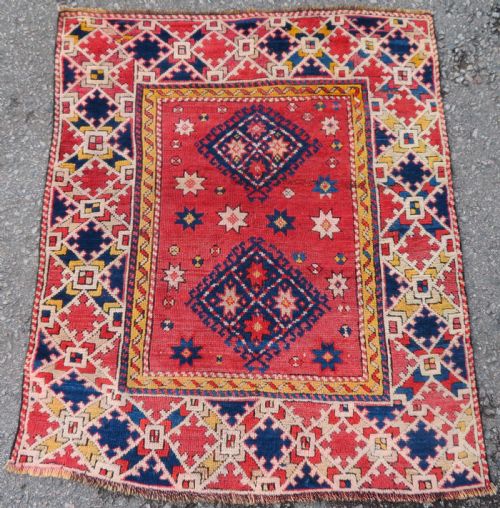
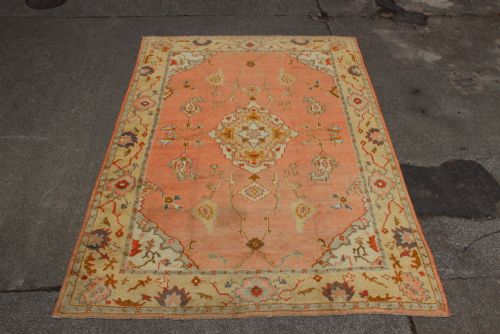
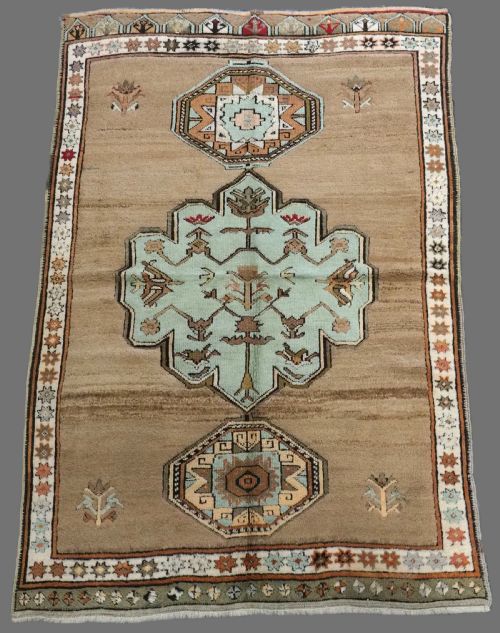
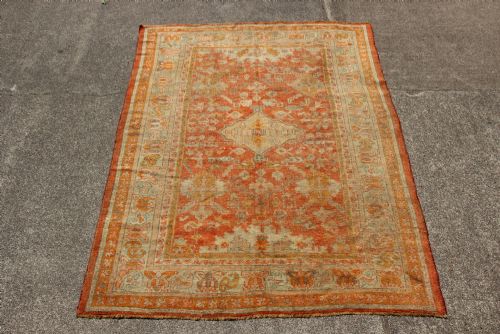
A turkish oriental carpet brings centuries of weaving traditions straight from Anatolia into domestic spaces, appearing in forms that range from small square mats to oversized floor coverings. The selection here leans heavily towards nineteenth-century and early twentieth-century examples, including village formats and grand Oushak carpets.
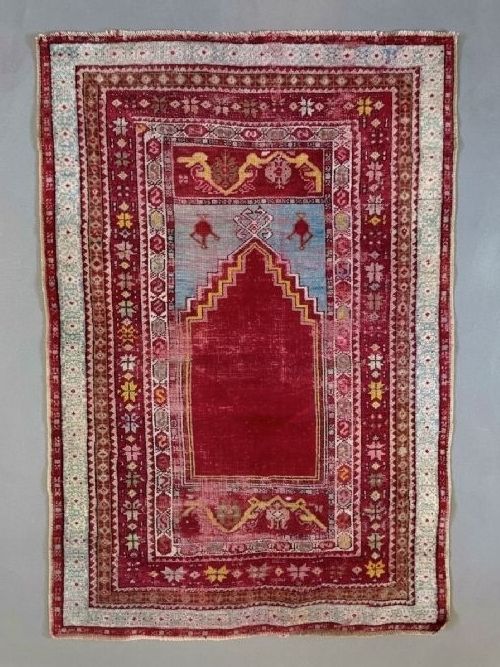
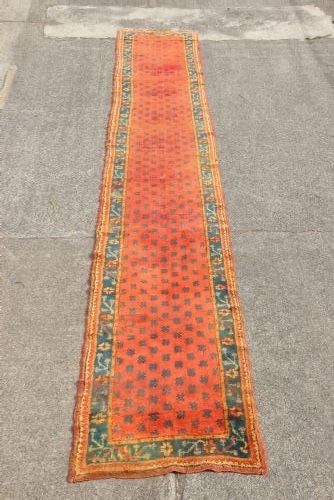
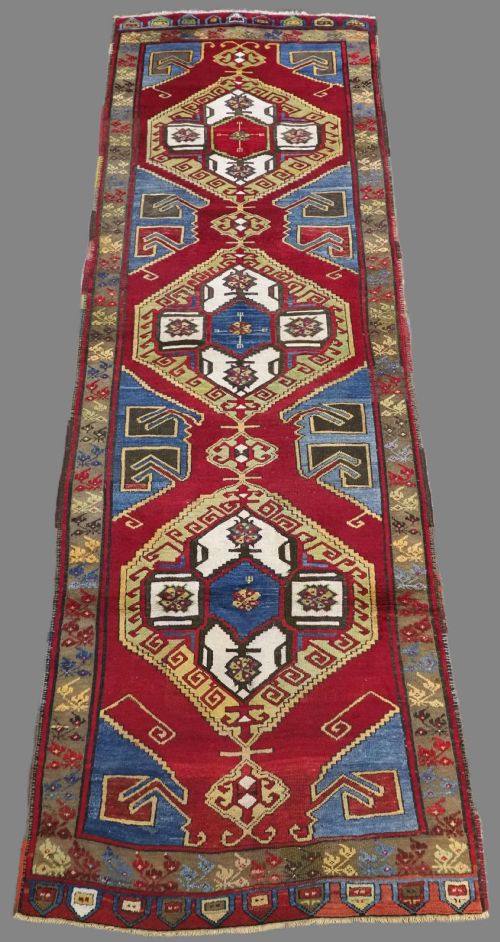
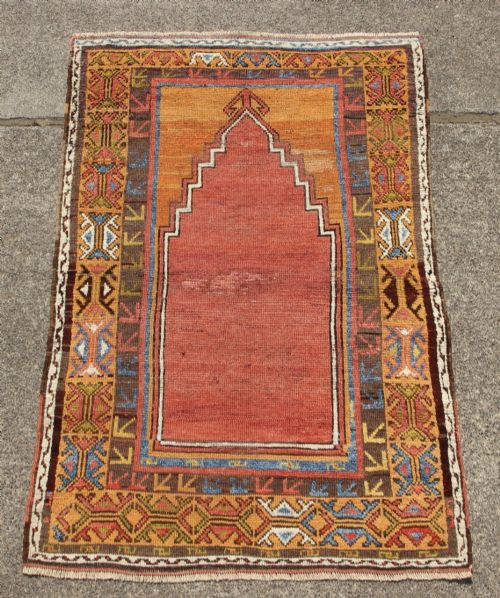
Buyers encounter distinct regional types such as prayer rugs, runners, and large room-sized carpets created in towns and villages across Turkey. These pieces often display traditional motifs passed down through generations of weavers, linking modern interiors directly to historical workshops.
Formats vary significantly, from long narrow runners designed for hallways to wide square carpets and compact accent pieces. Each piece carries the distinct stylistic markers of its origin, whether that is the soft palette of an Oushak or the geometric precision of a Konya.
How they were made
Weavers utilised natural materials including wool, cotton, silk, and camel wool, often relying on hand-spun yarns that absorb dye with rich tonal variation. Cotton frequently forms the foundation warp and weft of these textiles, providing structural stability for the softer wool pile above.
Construction techniques involve hand-knotting pile weaves alongside flat-woven kilim structures, depending on the specific regional tradition. The integration of these materials and methods ensures durable textiles that withstand generations of use while retaining their structural integrity.
Hunting scenes woven into antique silk rugs remind us that weavers sometimes translated royal court pastimes directly onto the loom.
What varies in quality
Quality in these textiles depends heavily on the fineness of the knotting, the purity of the wool, and the complexity of the dye work. Superior examples demonstrate a careful balance of proportion, crispness in the drawn motifs, and depth of colour that develops gracefully over time.
The choice of materials also dictates the upper tier of the range, with fine silk examples or pieces utilising hand-spun camel wool offering distinct tactile and visual richness. Lesser examples may exhibit rigid drafting or flat colouration that lacks the luminous quality found in masterworks.
Maple and Co
The Turkish Oriental Carpet Glossary
- Anatolian
- Pertaining to the geographical region of Asia Minor that forms the bulk of modern Turkey, known for its historic weaving centres.
- Oushak
- A town in western Anatolia famous for producing large-scale decorative carpets with expansive medallion designs and soft pastel or terracotta palettes.
- Prayer rug
- A small format rug featuring a mihrab or niche design at one end, traditionally oriented towards Mecca during daily prayers.
- Kilim
- A flat-woven carpet or runner made without a pile, created by tightly interlocking the warp and weft threads to produce geometric patterns.
- Warp
- The vertical threads stretched tightly on the loom that form the foundational skeleton of a knotted carpet.
Turkish Oriental Carpet: Frequently Asked Questions
Where were these carpets originally woven?
These textiles originate from various towns, cities, and nomadic tribal regions across Anatolia, each developing distinct weaving dialects.
Major production centres such as Oushak, Konya, and Ghiordes contributed specific colour palettes and structural techniques that define their geographic origin.
How do I care for an antique wool carpet?
Regular gentle vacuuming without a rotating brush helps remove embedded dust and grit that can damage the foundation fibres over time.
Professional cleaning by specialists in antique textiles is recommended every few years to maintain the integrity of the natural wool and dyes.
Can I use a runner in a high traffic hallway?
Many of these long narrow formats were constructed precisely to handle movement in corridors, utilising dense wool pile for durability.
Using a quality underlay beneath the textile prevents slipping and cushions the weave against hard flooring surfaces.
How can I tell the difference between regional styles?
Regional attribution relies on examining the specific knot density, structural materials, and characteristic motifs unique to each weaving community.
For instance, Oushaks often display large floral sprays and muted tones, whereas village pieces from Konya frequently feature bold geometric fields.