
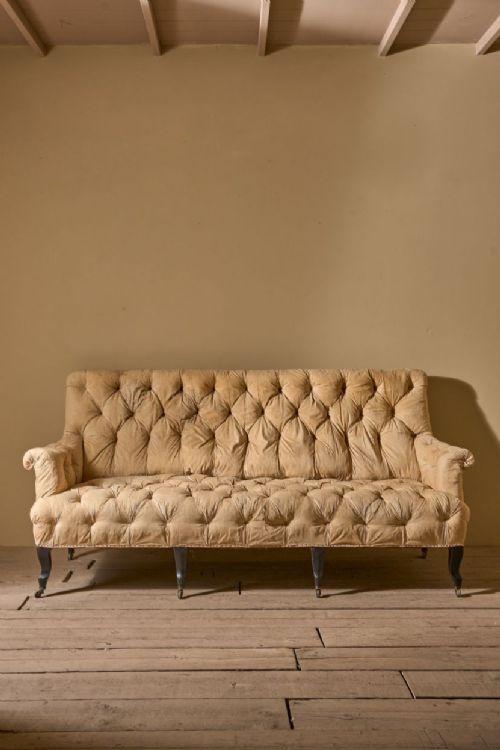
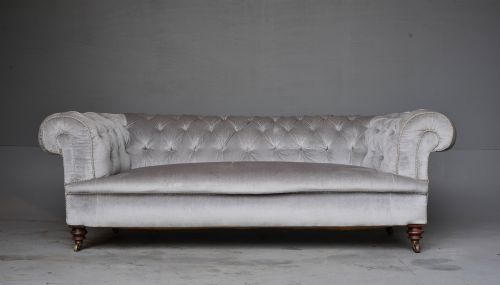
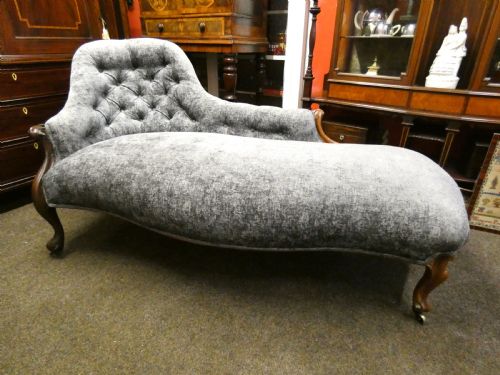
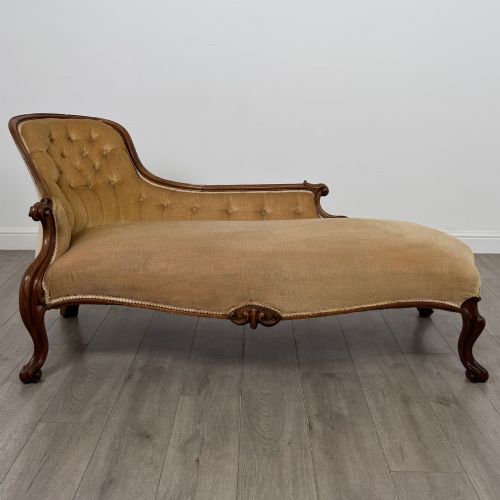


Tufted Velvet Couch
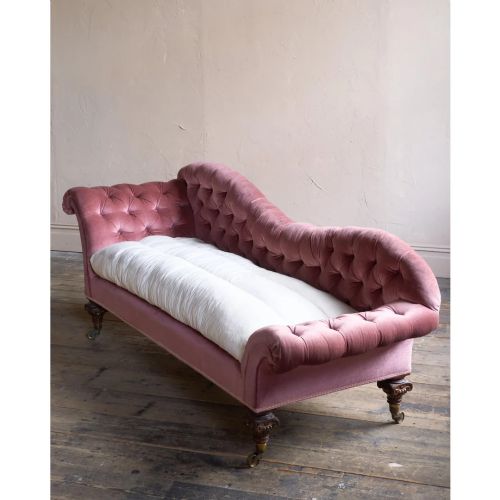
A tufted velvet couch brings deep buttoning and rich pile together, offering a stately anchor for a period room.
Tufted Velvet Couch
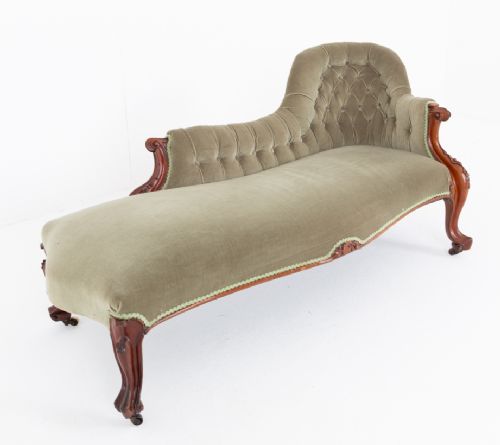
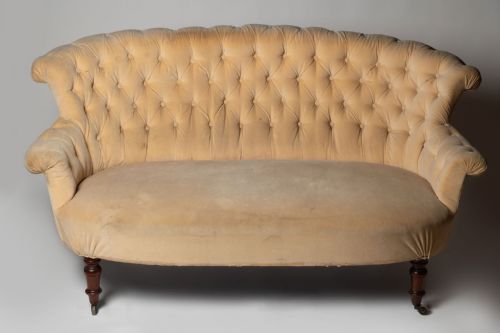
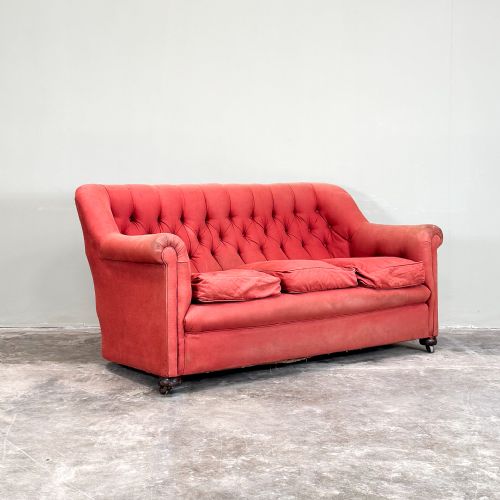
When buyers search for a tufted velvet couch, they encounter a range of nineteenth-century seating including Victorian settees, Chesterfield sofas, and chaise longues. These pieces combine deep upholstery with buttoning across the back and seat.
The most common examples on this page date from the nineteenth century, particularly the Victorian period, alongside Regency and Napoleon III pieces. Forms vary from conversational seats and daybeds to traditional three-seat sofas.
Makers often shaped these frames from mahogany, walnut, or rosewood, sometimes adding carved details or brass castors. Buyers select them for historic character and distinct period presence.
Factors separating standard pieces from exceptional examples
Framing timber quality dictates the structural integrity of each piece, with solid rosewood and figured mahogany sitting above softer woods. Carved detail depth and the sharpness of turnings demonstrate the skill of the original cabinetmaker.
Upholstery execution separates ordinary items from superior ones, visible in the precision of the buttoning alignment and the stability of the internal spring system. Frame proportions and the preservation of original timber patination complete the distinction.
Victorian conversation seats let sitters chat without turning their necks, proving the nineteenth century took gossip very seriously.
Howard and Sons·Hampton and Sons
The Tufted Velvet Couch Glossary
- Button back
- A style of upholstery where buttons are pulled tight into the stuffing to form a geometric grid of deep indentations. This technique keeps the padding evenly distributed.
- Chesterfield
- A traditional sofa style characterised by arms and back of the same height, traditionally upholstered in deep-buttoned leather or velvet. It remains a staple of nineteenth-century seating.
- Barley twist
- A form of wood turning resembling a twisted rope, commonly found on the legs and structural supports of Victorian furniture. It added texture to walnut and mahogany frames.
- Day bed
- A piece of furniture functioning as both a sofa and a bed, intended for daytime resting. These often appear in Regency and nineteenth-century inventories.
Tufted Velvet Couch: Frequently Asked Questions
What is a tufted velvet couch?
A tufted velvet couch is a nineteenth-century upholstered seat featuring deep buttoning across a velvet surface. These pieces include Victorian Chesterfoilds, settees, and chaise longues.
Makers built the frames from hardwoods like mahogany and walnut, shaping them in styles ranging from Regency to Victorian Rococo Revival.
How do I date a tufted velvet couch?
Dating relies on timber choices, frame styles, and construction details recorded in the listings. Victorian pieces often use rosewood or walnut with ornate carving, while Regency examples lean towards mahogany.
Turned legs, such as barley twist or ionic columns, also point to specific decades within the nineteenth century.
Where were these couches used originally?
These pieces sat in nineteenth-century drawing rooms, libraries, and country house bedrooms as formal seating or resting places. Daybeds and chaise longues served private chambers, while larger settees occupied reception rooms.
Conversation seats allowed multiple people to sit facing different directions in formal settings.
How do I care for velvet upholstery?
Velvet requires gentle brushing to maintain the pile direction and prevent dust accumulation in the deep tufting. Keeping the fabric away from direct sunlight protects the colour of the textile.
Professional cleaning preserves the integrity of the original buttoning and underlying stuffing.