
Tufted Upholstered Seating
Tufted upholstered seating brings together deep buttoning and rich textiles across Victorian, Edwardian and Regency forms.
Tufted Upholstered Seating
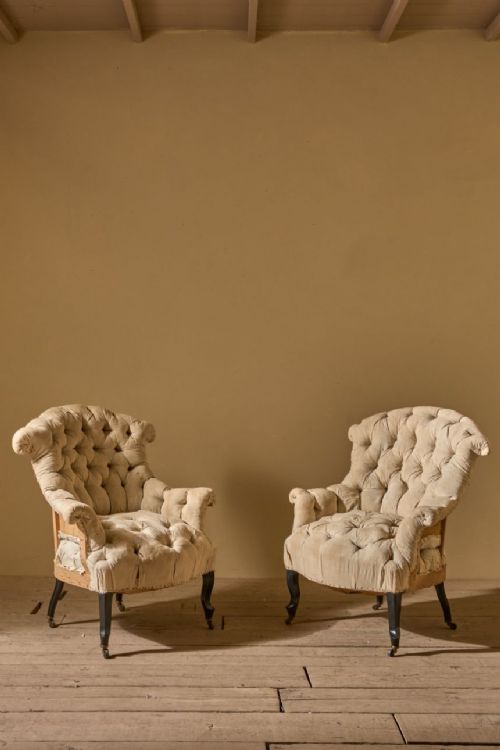
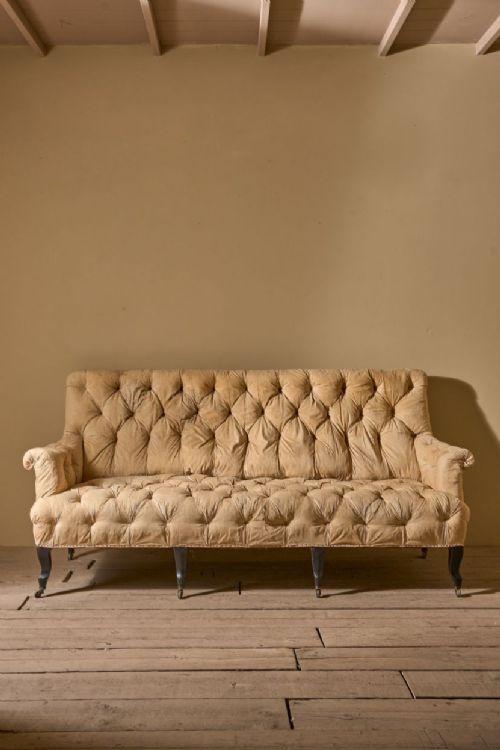
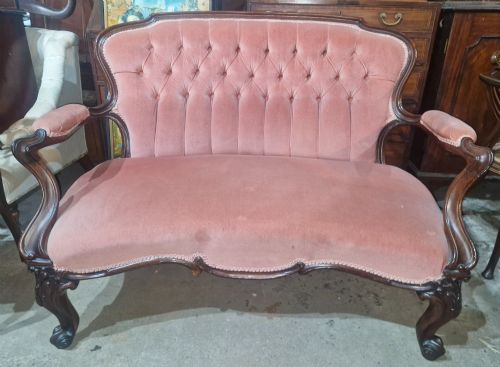
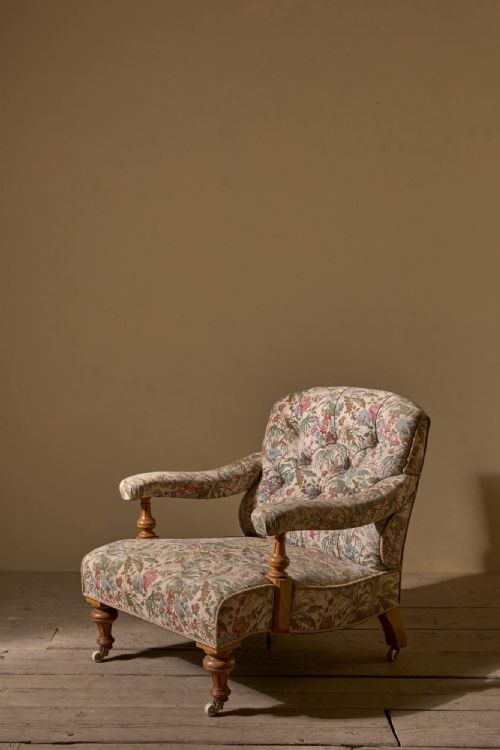
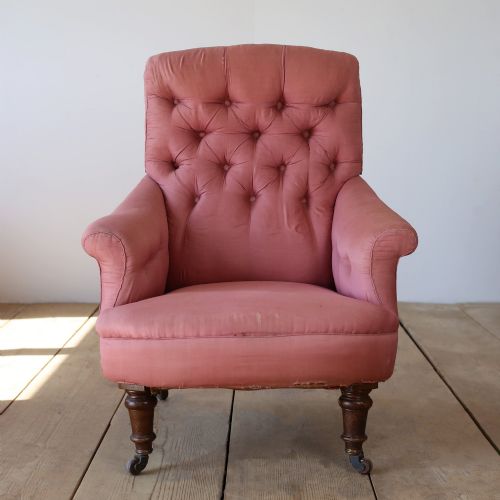
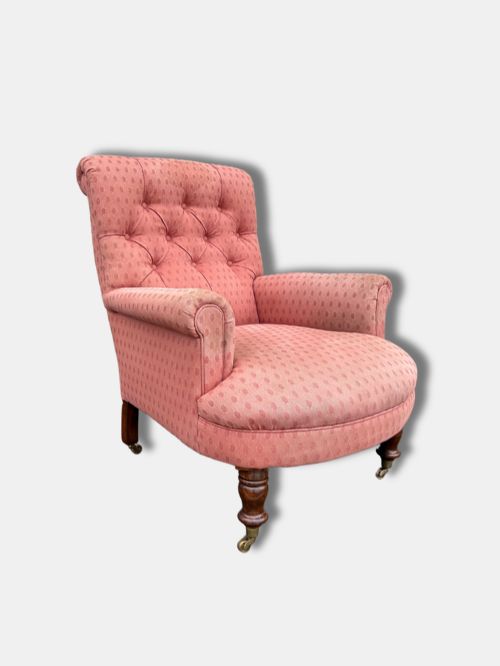
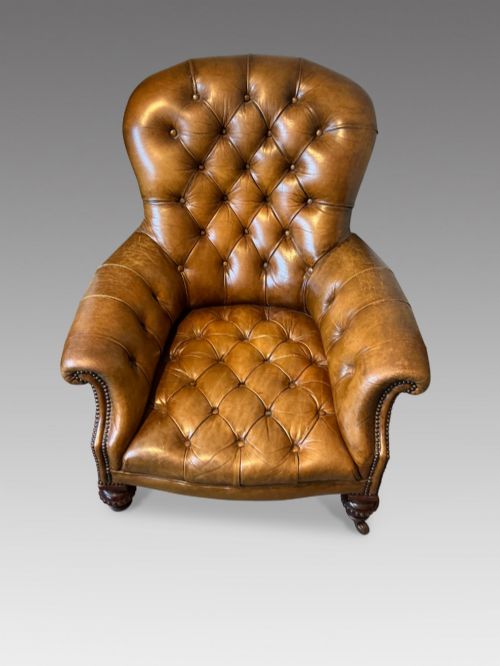
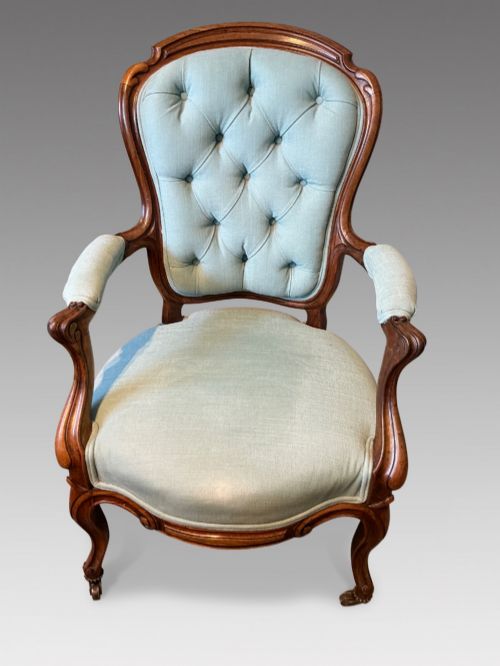
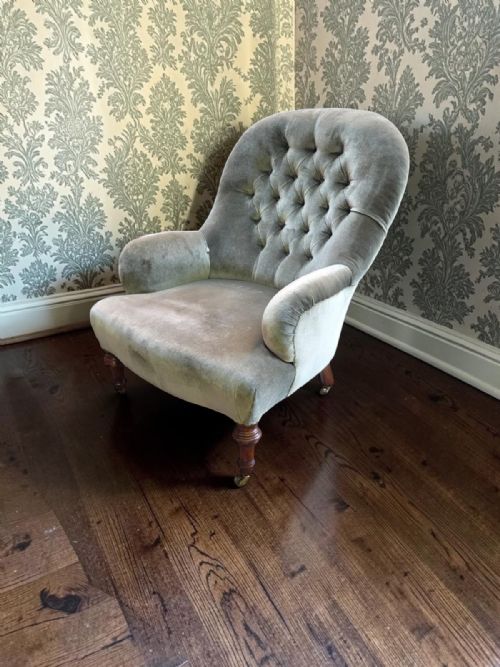
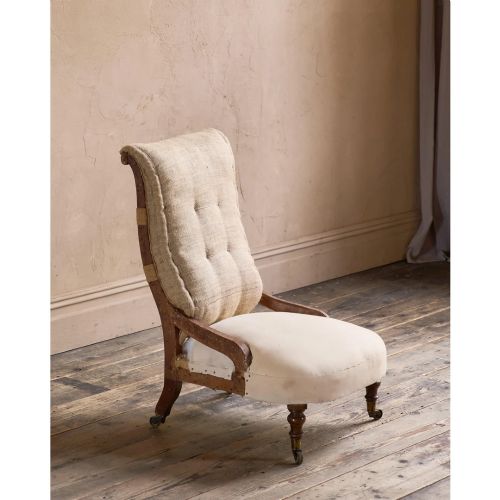
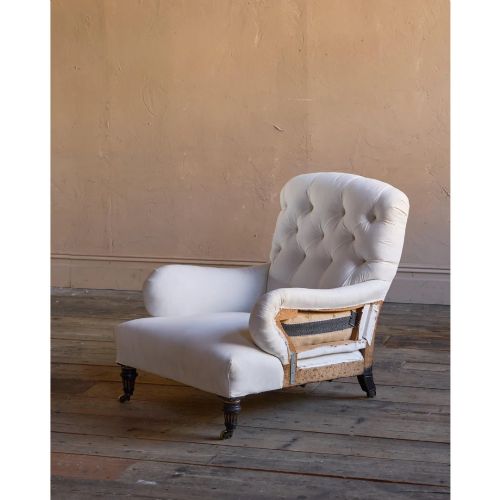
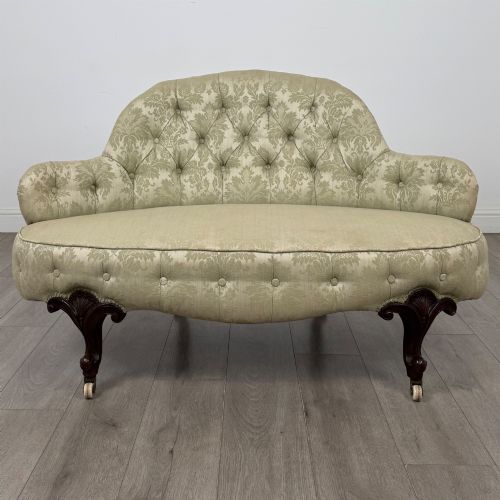
Tufted upholstered seating encompasses armchairs, sofas, settees, window seats, club fenders, and slipper chairs originating primarily from the nineteenth and early twentieth centuries. These pieces reflect Victorian, Edwardian, and Regency aesthetic developments, frequently incorporating button back designs and low profiles.
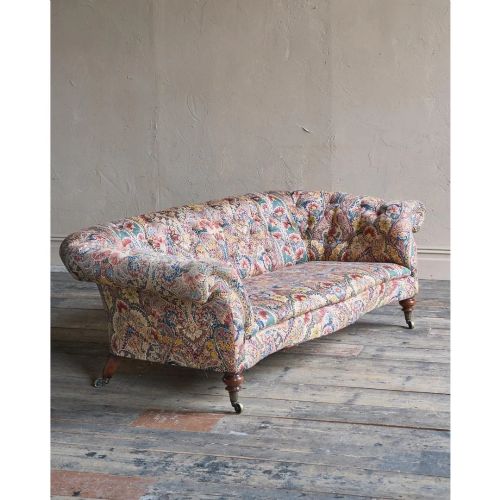
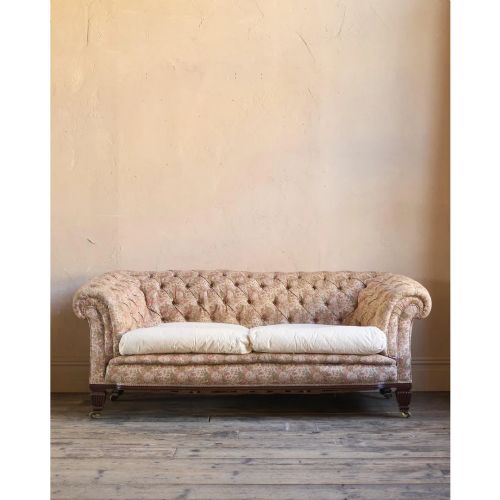
The most common examples on this page are Victorian button back armchairs and nineteenth century slipper chairs, alongside larger Chesterfield sofas and salon suites. Makers employed various structural woods including mahogany, walnut, oak, and rosewood to frame these upholstered forms.
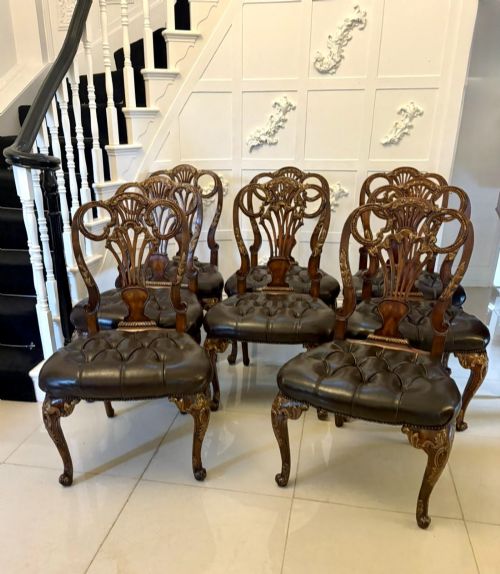
Regional variations span English country house pieces, Scottish seating, and French salon furniture including Napoleon III and Rococo Revival styles. Buyers encounter both single occasional chairs and matched pairs or sets of dining chairs.
Assessing Quality
Quality rests in the integrity of the timber frame and the precision of the upholstery work, where traditional hand-tied springs and deep buttoning dictate the resilience of the piece. Finer examples maintain crisp carving on exposed mahogany, walnut, or rosewood elements without structural looseness.
Proportion and execution separate standard seating from exceptional works, particularly in items associated with prominent makers or specific regional country house commissions. The harmony between the fabric choice, whether velvet or leather, and the underlying period style governs the overall visual balance.
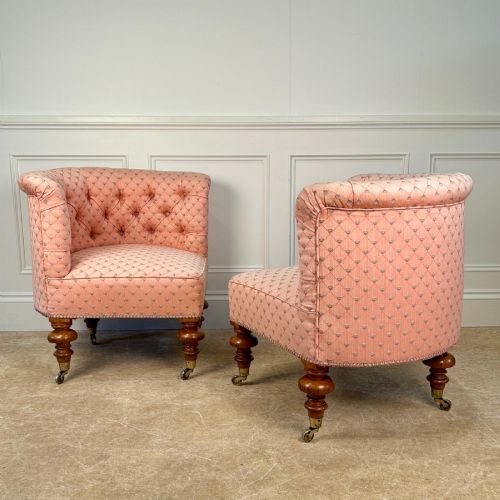
Victorian ladies utilised low slipper chairs so their heavy garments would not drag on the floor while dressing.
Howard and Sons·Gillows
The Tufted Upholstered Seating Glossary
- Button back
- A style of upholstery where upholstery buttons are pulled tight through the padding to form a geometric pattern of indents. This technique provides structural stability to the filling while creating a decorative texture.
- Slipper chair
- A low-set upholstered armchair traditionally designed for bedrooms to assist with putting on shoes. These pieces typically feature short legs and a deep seat.
- Club fender
- A low, padded seat structure placed around a fireplace hearth, usually constructed from brass and upholstered in leather. They provide fireside seating while protecting occupants from heat.
- Cabriole leg
- A furniture leg that curves outward at the knee and tapers inward at the ankle, ending in a pad or foot. This form derives from classical Chinese motifs and became prominent in eighteenth and nineteenth century furniture.
- Chesterfield sofa
- A large upholstered settee characterised by rolled arms and back of the same height, traditionally featuring deep button tufting. The design dates back centuries and remains a staple of traditional interiors.
Tufted Upholstered Seating: Frequently Asked Questions
What is tufted upholstered seating?
Tufted upholstered seating refers to chairs, sofas, and stools featuring deep buttoning that pulls the fabric tightly against internal padding. This method creates a textured diamond pattern across the backrest or seat.
Such pieces range from Victorian button back armchairs to Edwardian slipper chairs and nineteenth century Chesterfield sofas.
How do I identify a Victorian armchair?
Victorian armchairs often feature dark wood frames made from rosewood, walnut, or mahogany, combined with heavy textile coverings like velvet or leather. Look for characteristic design revivals such as Rococo or Aesthetic Movement details.
Many examples incorporate exposed wooden carved elements alongside sprung seats and buttoned upholstery.
Where were slipper chairs used?
Slipper chairs were traditionally placed in nineteenth century bedrooms to provide a low, comfortable seat for dressing and putting on footwear. Their reduced height made them practical for private quarters.
Today, their compact proportions make them versatile accent chairs for modern living spaces and dressing rooms.
How do I care for antique leather upholstery?
Antique leather requires gentle cleaning using specialised conditioners to maintain flexibility and prevent the material from drying out over time. Avoid placing leather furniture in direct sunlight or near heat sources.
Regular dusting and minimal moisture help preserve the natural finish of Victorian and Edwardian leather seating.