
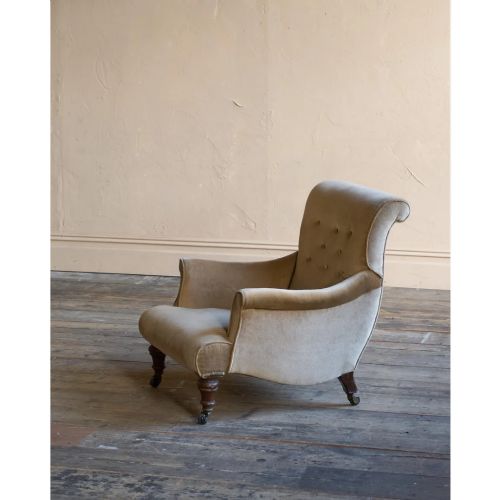
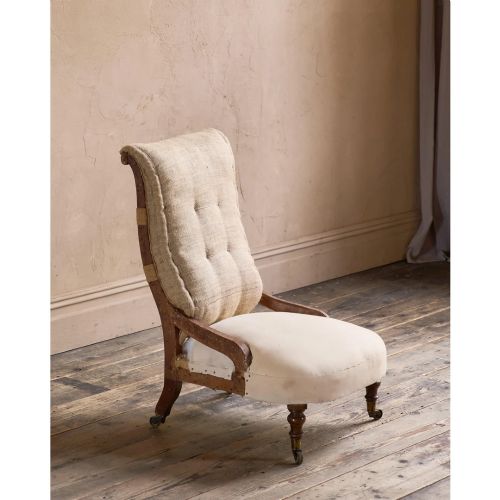
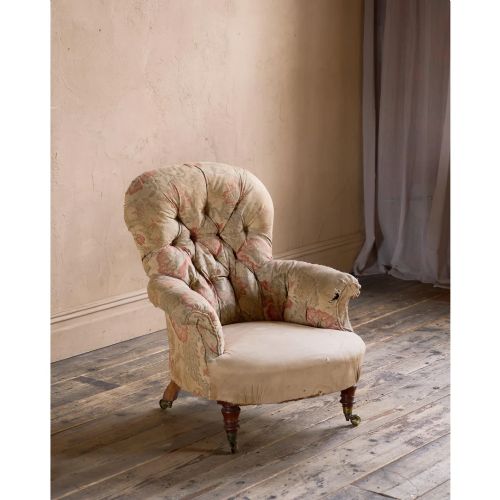
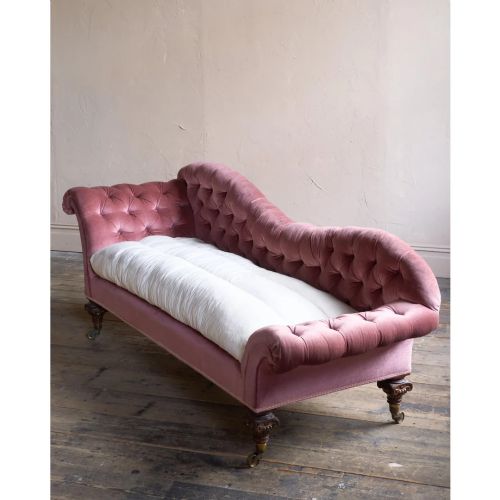
Tufted Upholstered Lounge Chair
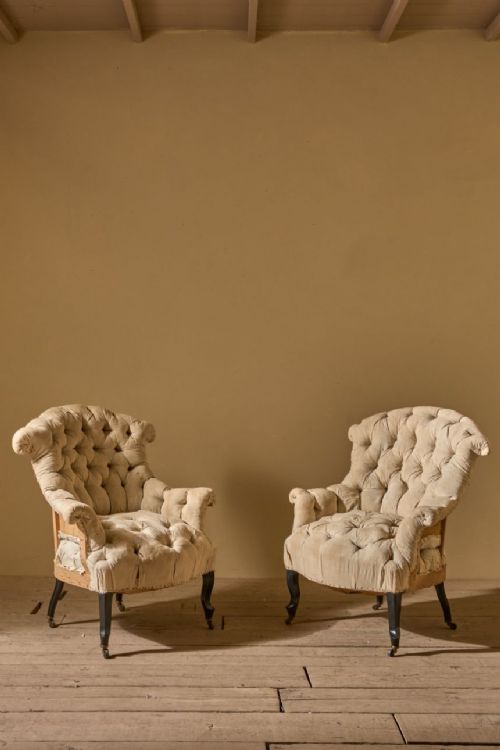
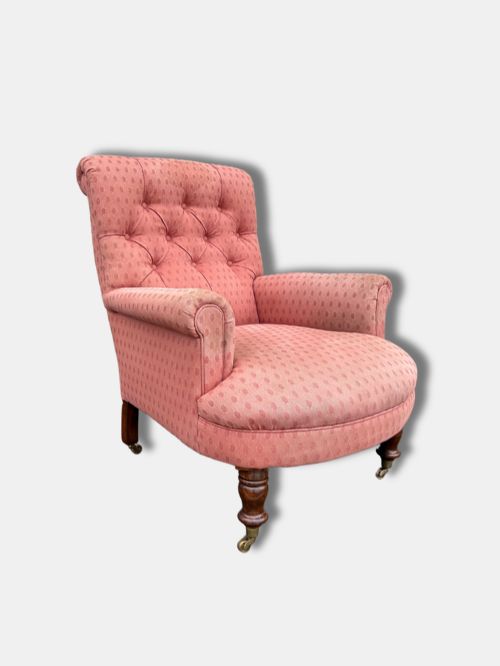
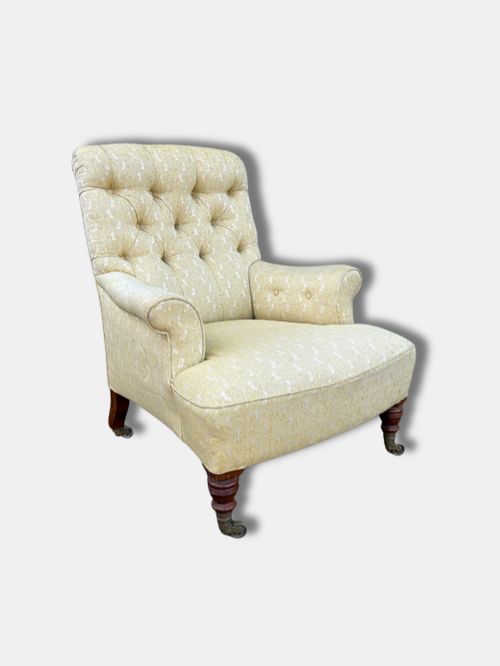
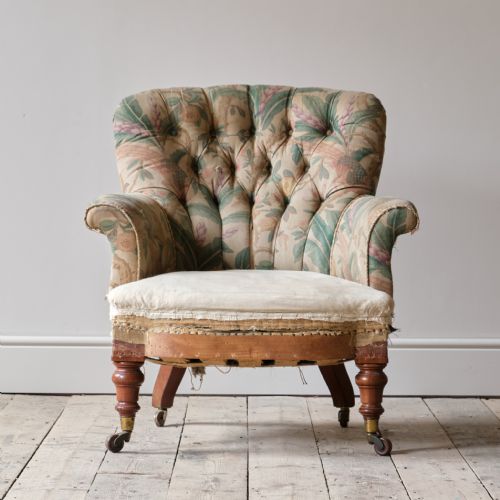
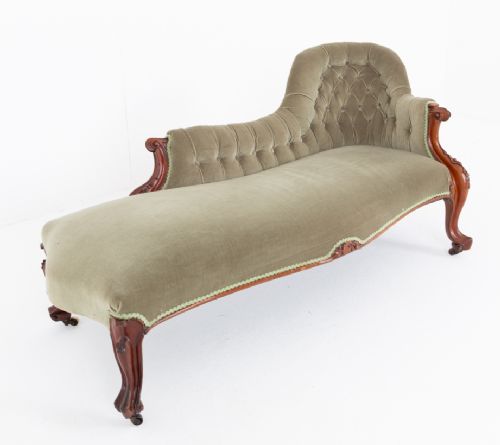
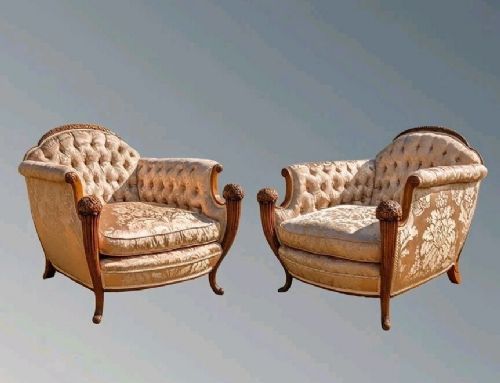
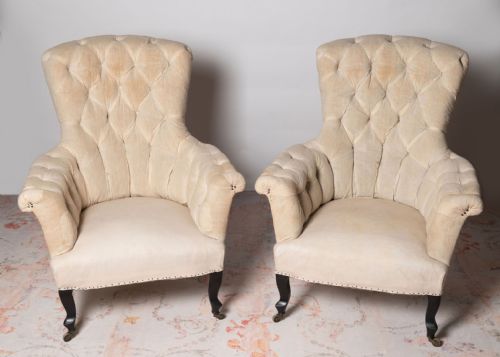
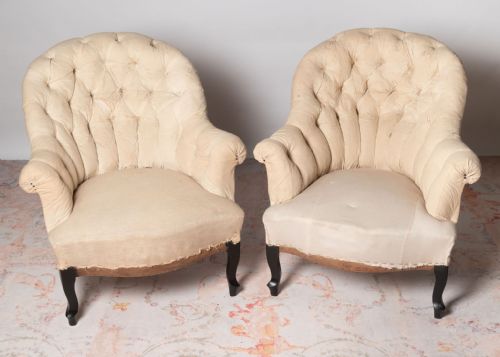
These tufted upholstered lounge chair examples bring deep buttoning and generous padded seats from the nineteenth century into modern rooms.
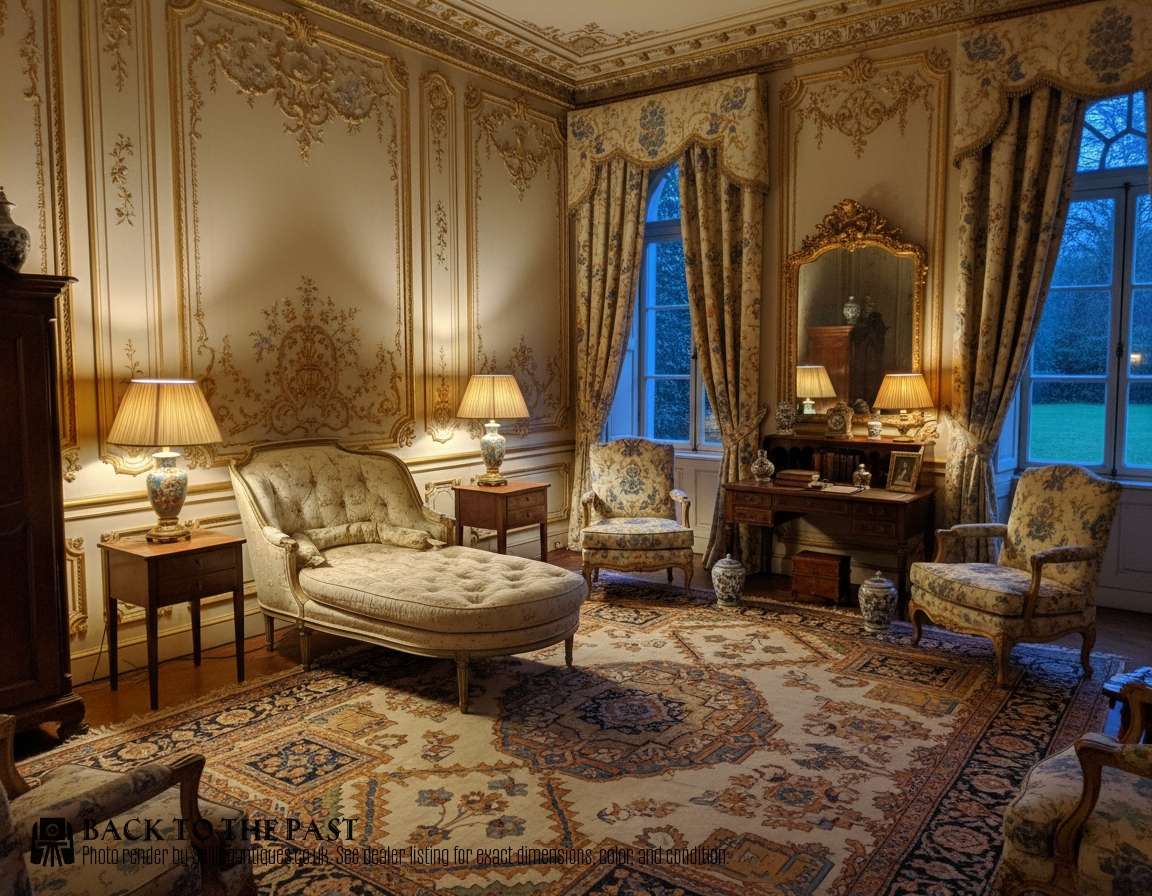
Tufted Upholstered Lounge Chair
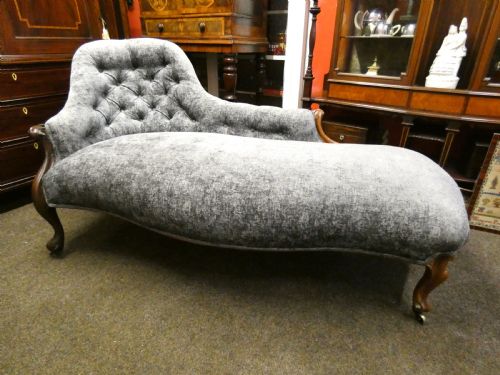
A tufted upholstered lounge chair is designed for relaxation, appearing primarily as nineteenth century armchairs, gentleman's chairs, and chaise longues. These pieces emerge from Victorian and French Napoleon III contexts, carrying distinct padded backrests.
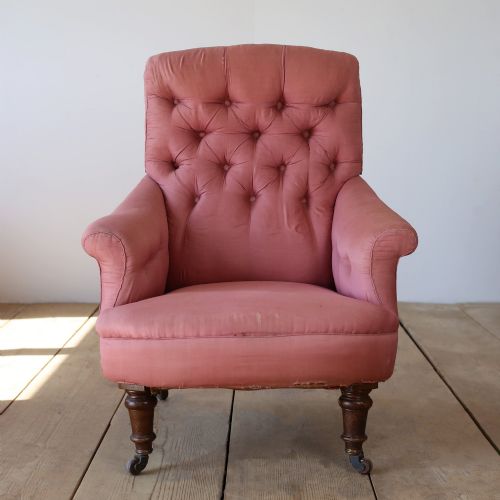
Buyers will encounter button back armchairs alongside slipper chairs and daybeds. The form focuses on low seating positions and substantial cushioning intended for prolonged lounging.
Origins stretch across English country houses and French salons, showcasing regional framing choices from robust walnut and mahogany to lighter timber structures.
Materials and construction methods
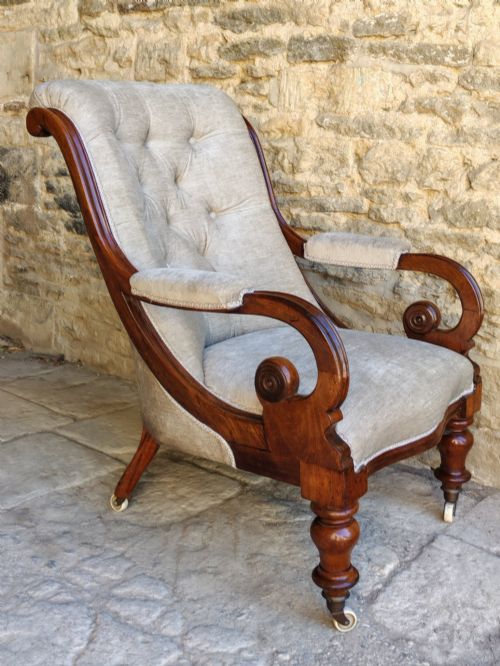
Frames rely on solid timbers including walnut, mahogany, rosewood, and general wood, often shaped with carved showwood or barley twist supports. Structural rigidity underpins the deep upholstery.
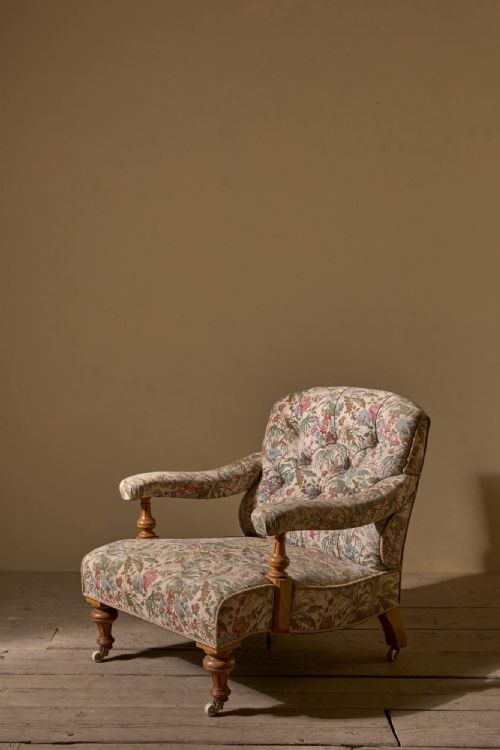
Surface work incorporates buttoning across velvet, silk, fabric, calico, and ivory textiles. Brass fittings and fringing frequently complete the decorative detailing of these nineteenth century seats.
Some nineteenth-century daybeds arrive with bobbin turnings that make the wooden frame resemble a collection of stacked wooden beads.
Factors of distinction
The integrity of the timber frame determines structural endurance, separating straightforward joinery from finely carved showwood examples in walnut or rosewood. Intricately turned barley twist supports or ionic column legs demand precision in woodworking.
Upholstery execution dictates comfort and visual depth, seen in the regularity of buttoning and the choice of covering materials such as silk, velvet, or calico. The preservation of original fabric and framing influences the overall character of each chair.
Howard and Sons·Holland and Sons·Hindley and Sons
The Tufted Upholstered Lounge Chair Glossary
- Button back
- A style of upholstery where depressions are created across the padding by securing buttons tightly to the backing. This technique secures internal stuffing while forming a patterned, textured surface.
- Showwood
- Exposed wooden framing around the upholstered portions of a chair. It highlights the carved timber details rather than concealing them beneath fabric.
- Spoon back
- An armchair backrest shaped in a concave oval resembling the bowl of a spoon. This nineteenth century form fits the contours of the human body.
- Barley twist
- A type of furniture turning resembling a spiral rope. This decorative woodwork appears frequently on Victorian chair legs and supports.
Tufted Upholstered Lounge Chair: Frequently Asked Questions
What is a tufted upholstered lounge chair?
A tufted upholstered lounge chair is a nineteenth-century seating form featuring deep buttoning and padded upholstery designed for comfortable reclining.
These pieces include gentleman's chairs, slipper chairs, and armchairs originating from English and French traditions.
How do I identify a Victorian lounge chair?
Victorian lounge chairs typically present button-backed upholstery set within walnut, mahogany, or rosewood frames. Look for characteristic stylistic details like carved showwood and barley twist legs.
Many examples reflect mid-nineteenth-century preferences for heavy padding and comfortable, low seating.
Where were these chairs used historically?
These lounge chairs were placed in domestic spaces such as drawing rooms, libraries, and grand country house bedrooms. They provided comfortable seating for reading, resting, and formal entertaining.
Chaise longues and daybeds were additionally utilised in private chambers for daytime lounging.
How do I care for antique velvet upholstery?
Antique velvet requires gentle brushing with a soft-bristled brush to maintain the pile direction and prevent crushing. Keep these textiles away from direct sunlight to preserve the original colour.
Professional textile conservation is recommended for deep cleaning aged fabrics without damaging the underlying buttoning.