




Tufted Leather Fireside Chair
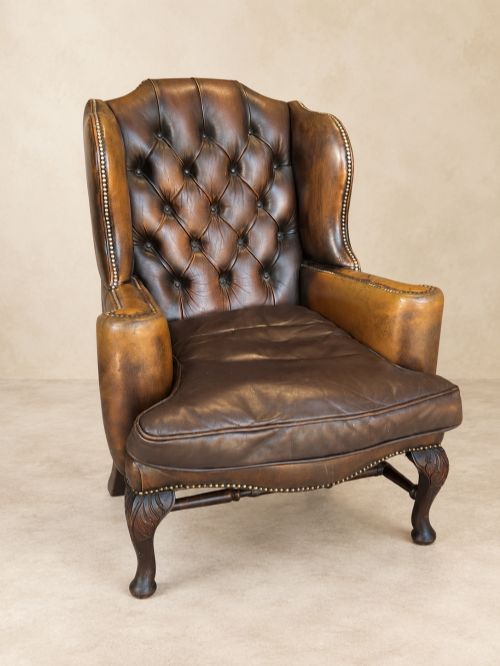
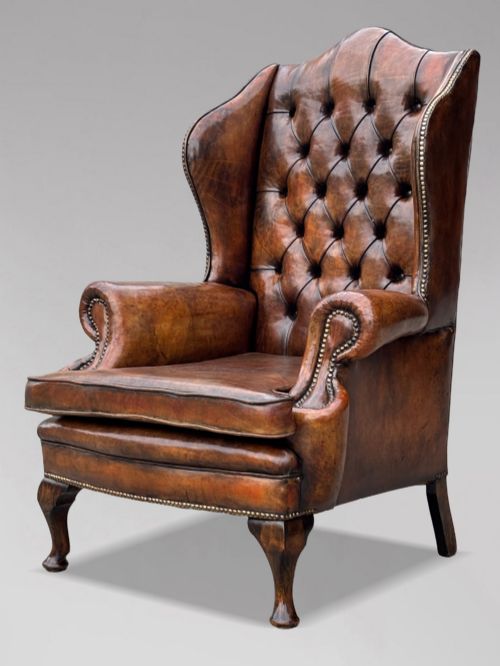
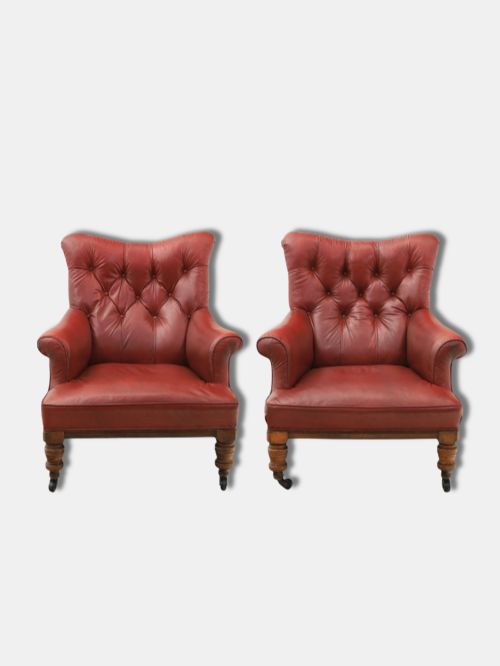
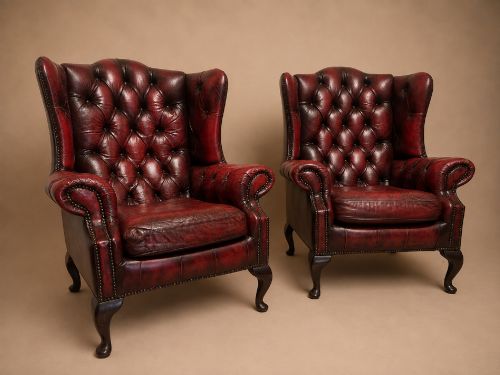
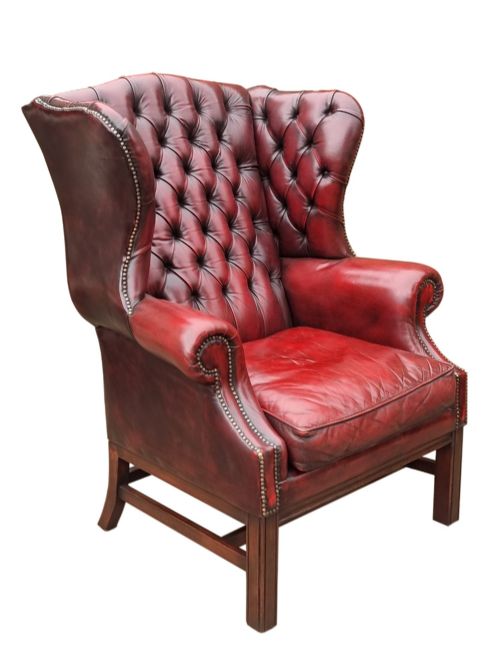
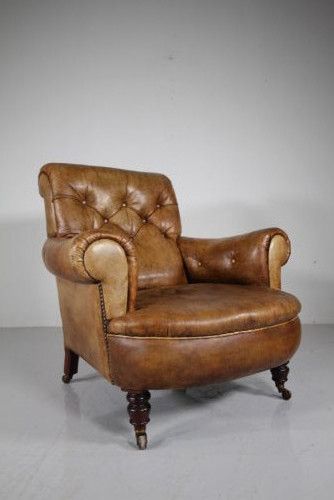
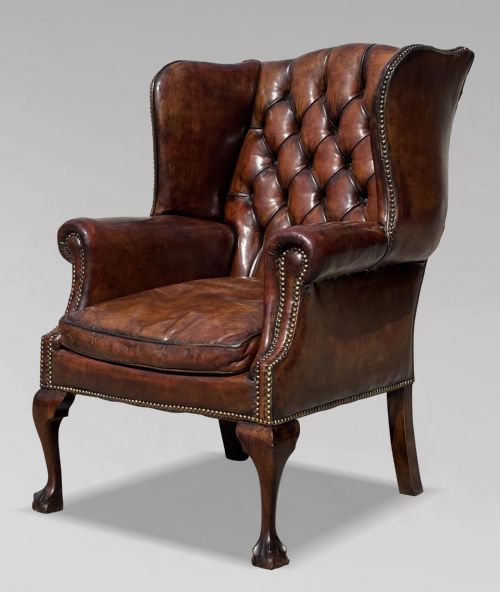
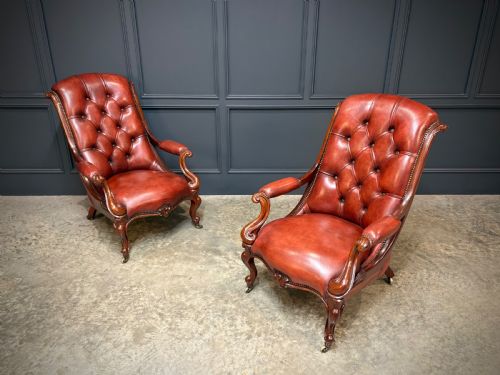
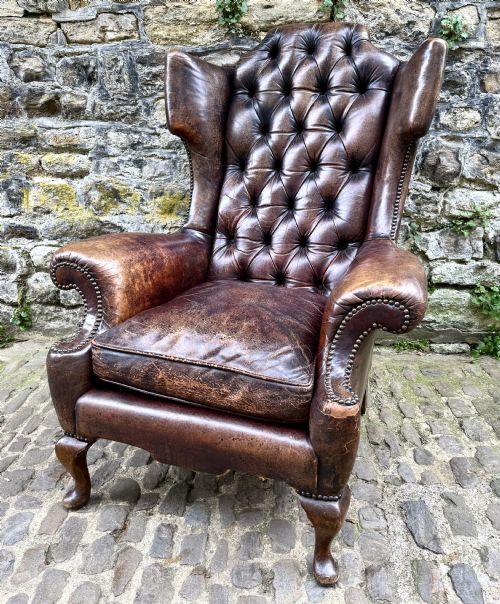
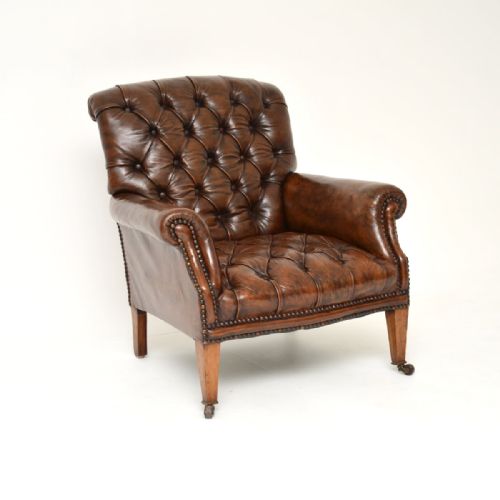
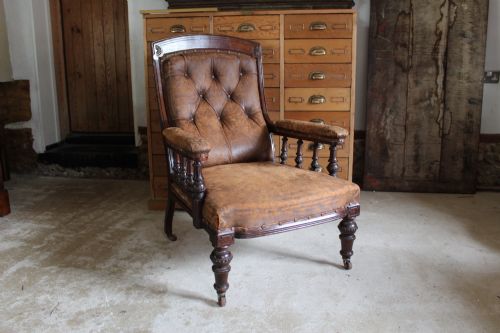
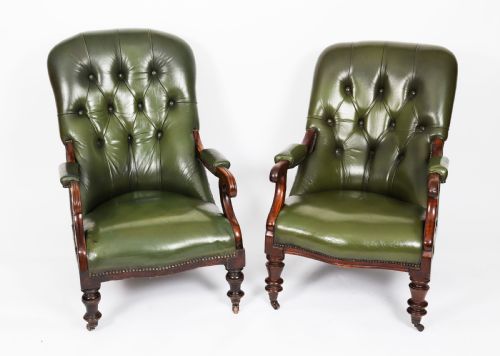
A tufted leather fireside chair offers deep buttoned comfort and historic character, spanning Victorian and Georgian designs.
Construction and materials
Craftsmen built the frames of these chairs using hardwoods such as mahogany, oak, walnut and rosewood, ensuring structural rigidity beneath the upholstery. Joinery relied on traditional methods suited to heavy daily wear in domestic settings.
Upholstery involved stretching supple leather over deep padding secured by tufting and brass nails, sometimes utilising alternative materials like rexine in later twentieth-century interpretations. Leather surfaces were often hand-dyed or finished in shades of brown, tan, green and oxblood.
Evaluating quality and proportion
Quality rests in the integrity of the timber frame and the depth of the buttoning, where tighter, more precise tufting indicates superior craftsmanship. Proportions matter greatly, distinguishing well-balanced George III style wing chairs from heavier, later vernacular pieces.
The choice of hide and the subtlety of hand-dyeing separate standard commercial production from exceptional library and club chairs. Patina accumulated over decades on the leather surface provides a reliable indicator of age and careful preservation.
Certain Victorian armchairs incorporate carved wooden lions on the arm terminals, guarding the sitter from imaginary drawing-room beasts.
Howard & Sons
The Tufted Leather Fireside Chair Glossary
- Wingback
- An armchair with side panels designed to shield the sitter from draughts and retain heat from a fire. These high-backed forms became popular during the Georgian period.
- Chesterfield
- A deep-buttoned upholstered sofa or armchair characterised by arms and back of the same height. This traditional style is frequently upholstered in rich leather.
- Buttoning
- A method of upholstery where recessed buttons are pulled tight into the padding to create a diamond pattern. This technique secures the stuffing and adds structural tension.
- Patina
- The surface sheen and softening developed on wood and leather through decades of handling and use. Collectors value this natural indicator of antiquity.
Tufted Leather Fireside Chair: Frequently Asked Questions
How do I date a leather armchair?
Dating relies upon examining the timber species used in the exposed frame, the style of the cabriole or straight legs, and the method of upholstery construction. Earlier eighteenth-century pieces often feature mahogany frames with distinct regional joinery.
Later Victorian and Edwardian examples show machine-sawn components and standardised brass castors, while nineteenth-century buttoning techniques became denser and more uniform over time.
How should I care for antique leather upholstery?
Maintain antique leather by keeping it away from direct sunlight and heat sources that dry out the hide. Regular dusting with a dry cloth prevents abrasive particles from settling in the creases.
Apply specialist leather creams sparingly to nourish the material and preserve the natural patina without sealing the pores. Avoid modern chemical cleaners that strip historic dyes.
Are these chairs comfortable for daily use?
These seating pieces were engineered for domestic comfort, featuring sprung seats and padded armrests designed for long periods of reading or resting. The deep buttoning provides firm support across the back.
Historic padding materials can settle over decades, so some pieces offer a firmer sit than modern upholstered furniture while retaining exceptional ergonomic proportions.