
Tufted Leather Chesterfield
A tufted leather chesterfield brings deep buttoning and traditional seating into a room, offering the robust comfort of historic English craftsmanship.
Tufted Leather Chesterfield
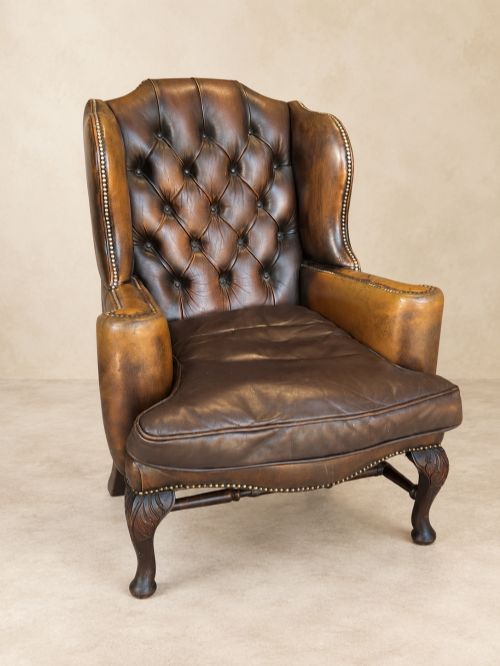
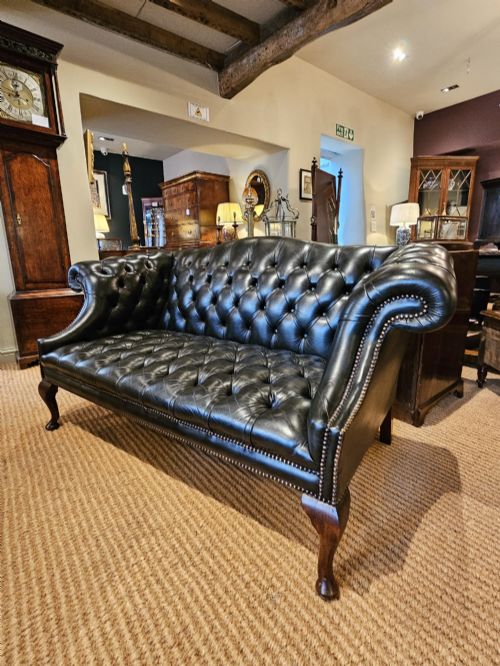
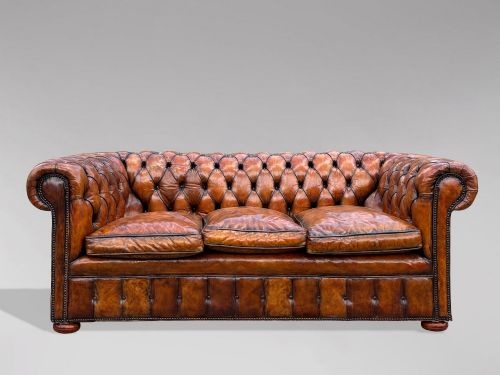
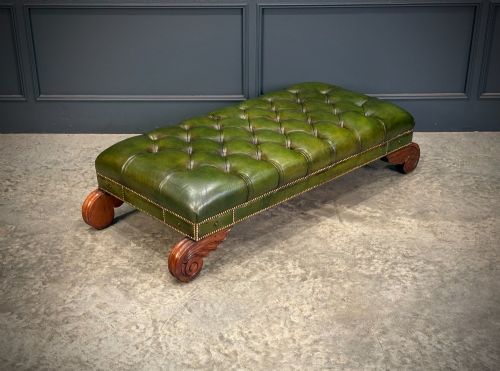
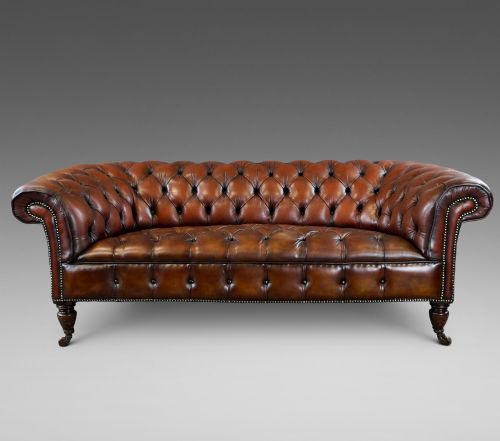
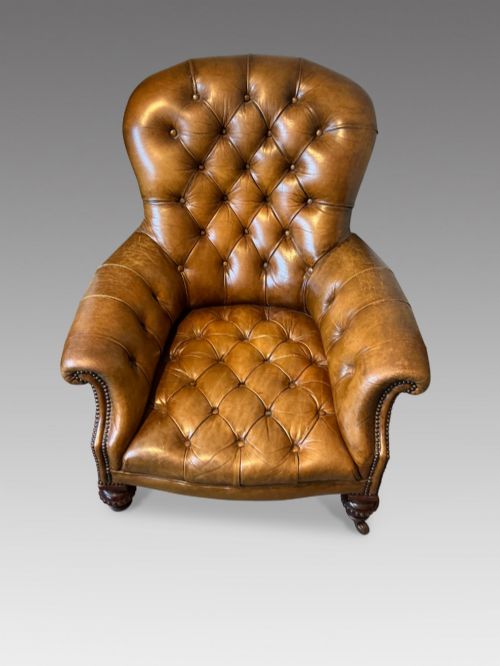
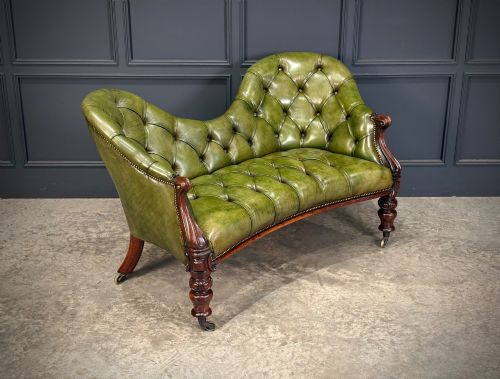
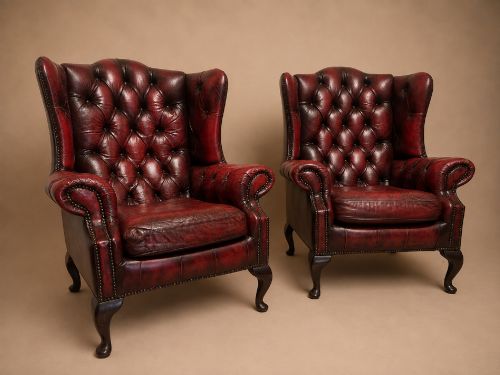
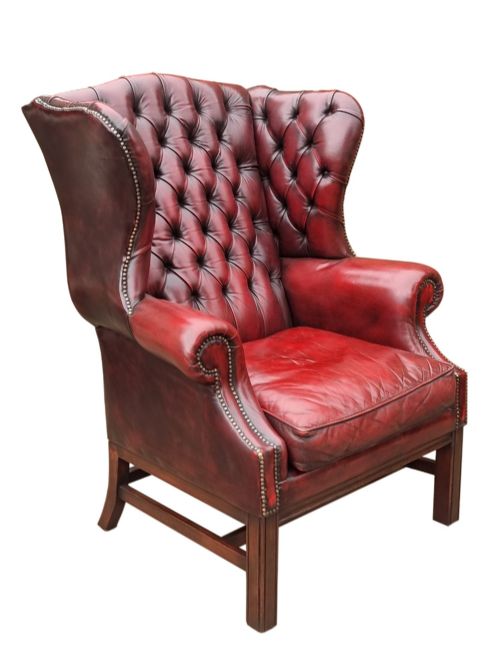
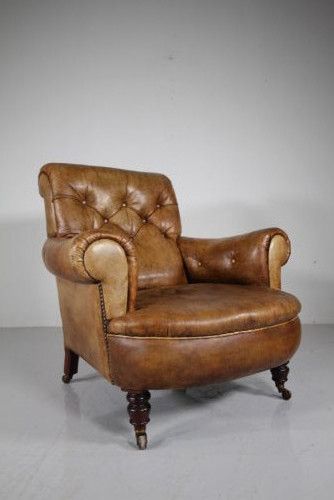
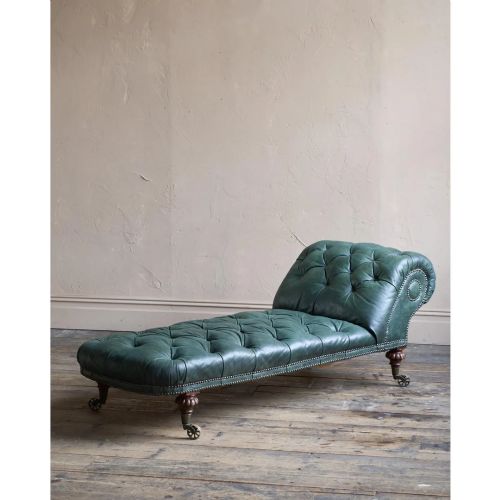
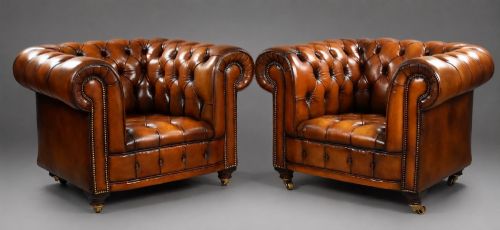
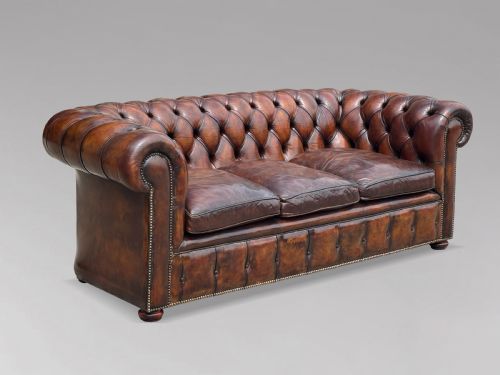
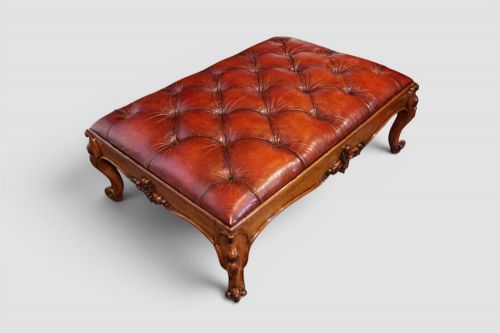
A tufted leather chesterfield encompasses a variety of seating forms, ranging from grand three-seater sofas and club armchairs to wingbacks, footstools, ottomans, and chaise longues. You will frequently encounter nineteenth-century Victorian examples alongside pieces from the Edwardian era and the 1920s.
The selection includes specialised seating such as desk chairs, corner sofas, and double spoon-back settees, reflecting the diverse domestic and library settings these pieces originally inhabited across English history.
Materials and construction
The structural framework relies on sturdy timbers such as mahogany, walnut, and hardwood, providing a solid skeleton beneath the upholstery. Traditional stuffing materials like horsehair support the deep-sprung interiors.
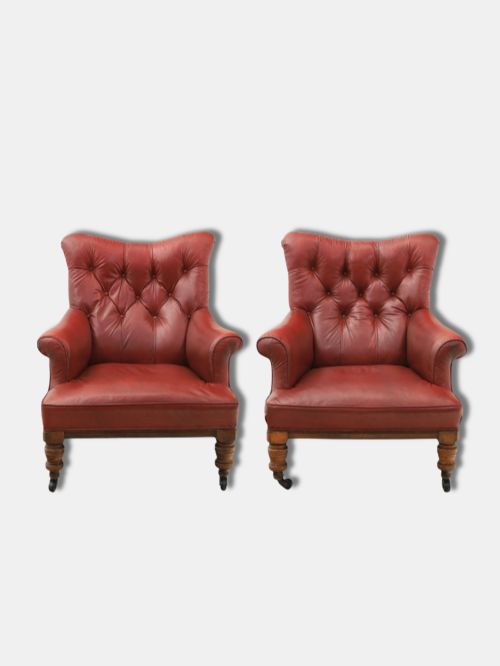
Outer upholstery utilises high-grade leather, sometimes hand-dyed in whiskey brown, oxblood, or green, secured with brass detailing and intricate buttoning techniques.
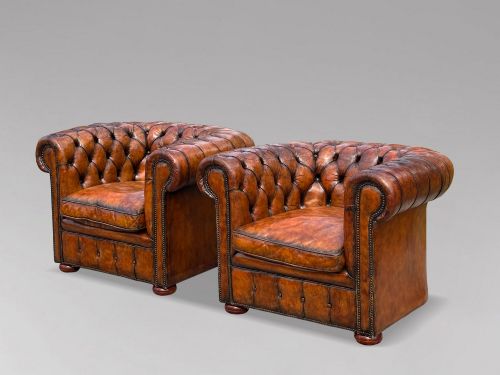
Horsehair stuffing inside these historic armchairs ensures they retain a firm bounce after more than a century of sitting.
Craftsmanship and materials
The distinction between tiers rests upon the integrity of the underlying timber frame and the depth of the traditional stuffing methods used in the springing and coil construction. Hand-dyed finishes and the suppleness of the leather hide further separate standard examples from finer specimens.
Attention to detail in the execution of the deep buttoning and the preservation of original materials indicate superior workshop standards from periods like the Victorian era or the early twentieth century.
Howard & Sons
The Tufted Leather Chesterfield Glossary
- Chesterfield
- A traditional style of upholstered sofa or armchair characterised by deep button tufting and rolled arms of equal height.
- Buttoning
- A method of securing upholstery padding by pulling twine or thread through the material to create a patterned, indented grid.
- Wingback
- An armchair featuring projecting side panels designed to shield the sitter from drafts and retain heat from a fireplace.
- Rexine
- A brand of artificial leather fabric made from cloth coated with nitrocellulose, often utilised on twentieth-century seating.
- Chaise longue
- An upholstered sofa shaped like a chair with a long seat large enough to support the sitter's legs.
Tufted Leather Chesterfield: Frequently Asked Questions
What defines a traditional tufted leather chesterfield?
A traditional chesterfield is distinguished by its uniformly high back and rolled arms, both featuring deep button tufting. The design prioritises robust proportions and formal English seating.
Historically, these pieces served in gentlemen's clubs, libraries, and drawing rooms. They provide upright support combined with the padded comfort characteristic of nineteenth-century upholstery.
How do I identify a Victorian chesterfield?
Victorian examples often display dense hardwood frames, hand-tied coil springing, and heavy leather upholstery in shades of brown, green, or red. They rely on traditional stuffing methods.
Examining the underside and the stitching reveals the age and construction techniques typical of the nineteenth century. The patination of the leather also offers clues to its longevity.
Where should I place a leather ottoman or footstool?
Buttoned leather footstools and ottomans function well as centre tables or auxiliary seating in living spaces and libraries. Their sturdy timber frames provide dual utility.
Matching the leather tone to existing armchairs or sofas creates a cohesive room scheme. Their low profiles maintain open sightlines across larger interiors.
How do I care for antique leather upholstery?
Antique leather benefits from regular dusting and occasional treatment with appropriate leather dressings to maintain suppleness. Keeping pieces away from direct heat sources prevents the hide from drying out.
Preserving the original hand-dyed finish requires gentle cleaning methods rather than harsh chemical agents. This maintenance protects the natural patination built up over decades.