
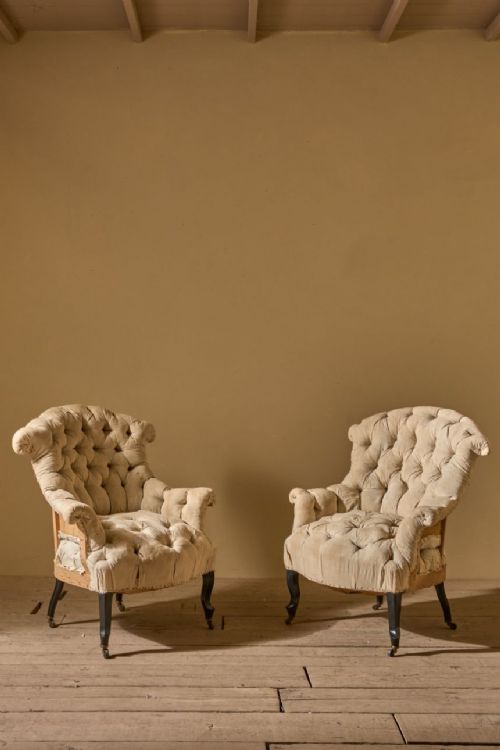
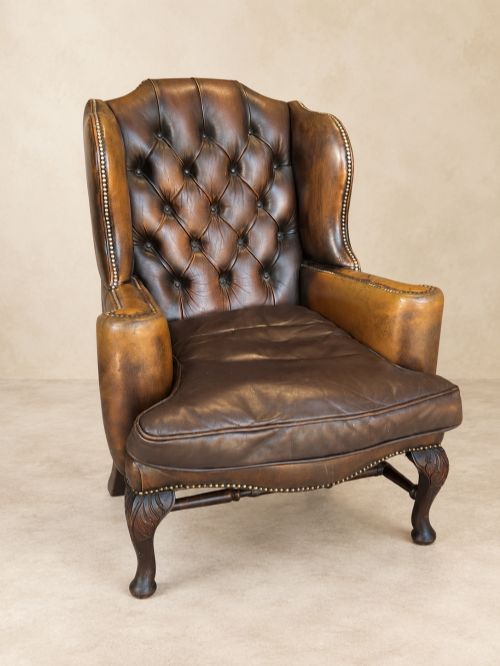
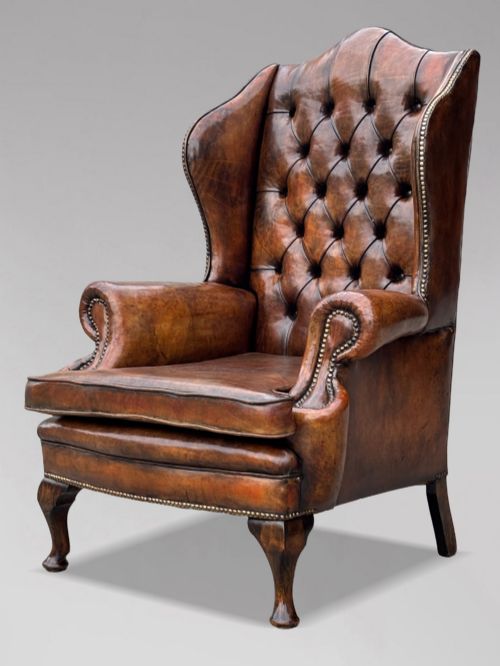
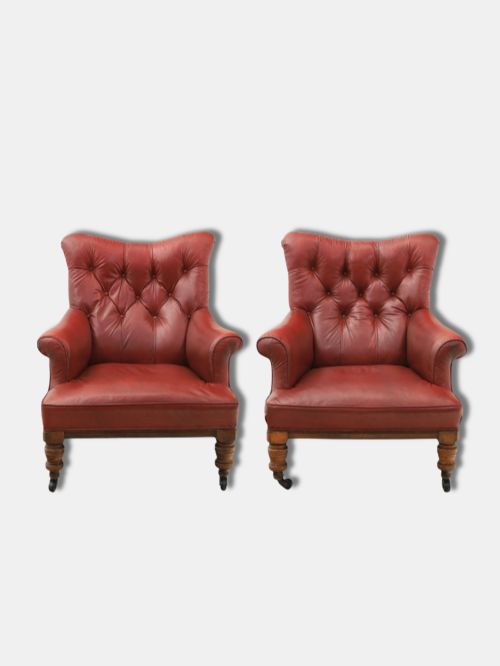
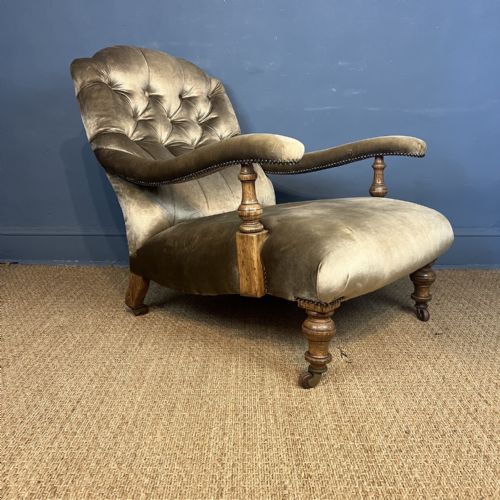
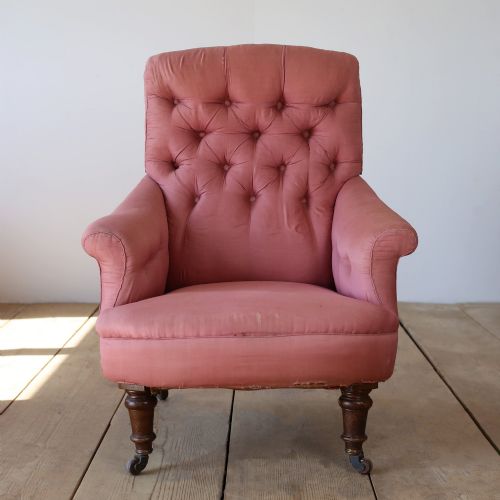
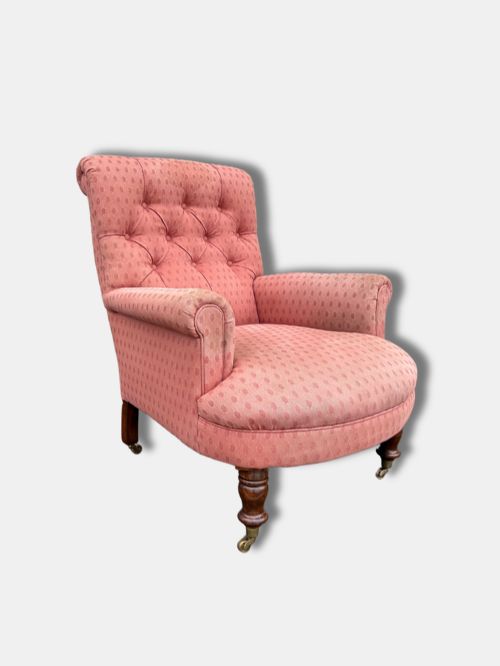
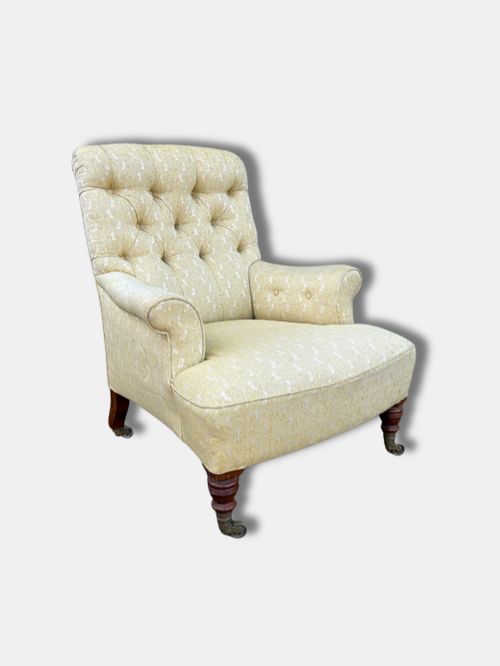
Tufted Fireside Armchair
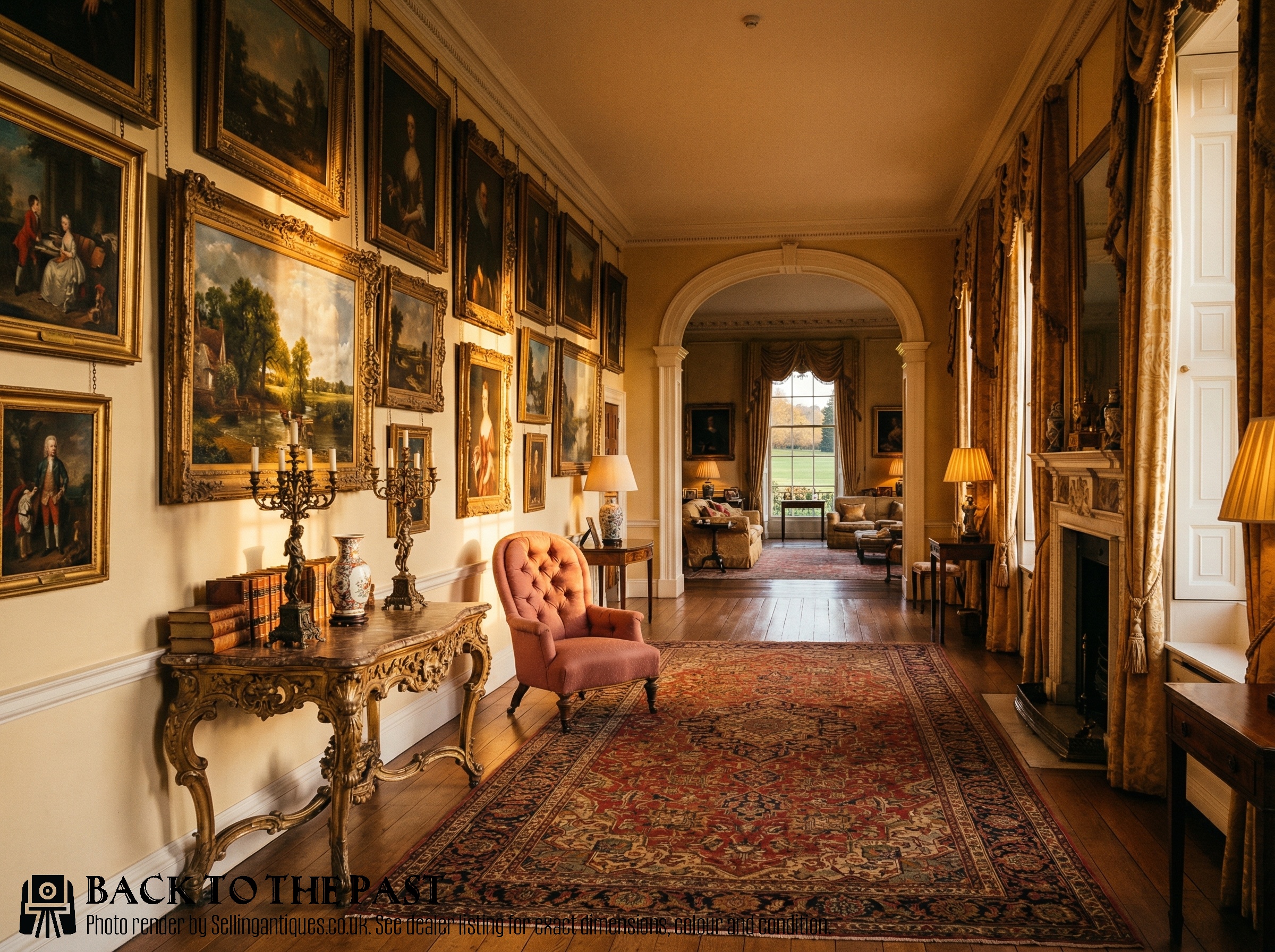
A tufted fireside armchair brings deep comfort and traditional craft to a room, offering robust support through upholstered buttoning and sturdy wooden frames.
Materials and construction methods
Frames rely on sturdy timbers such as mahogany, walnut, oak, and general wood, providing the structural skeleton necessary to support deep upholstery and heavy use. Brass details often appear on castors or nailhead trim, securing the outer edges of the textile or leather coverings.
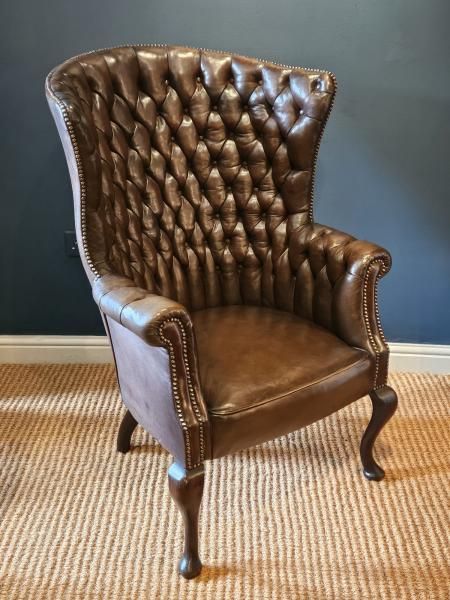
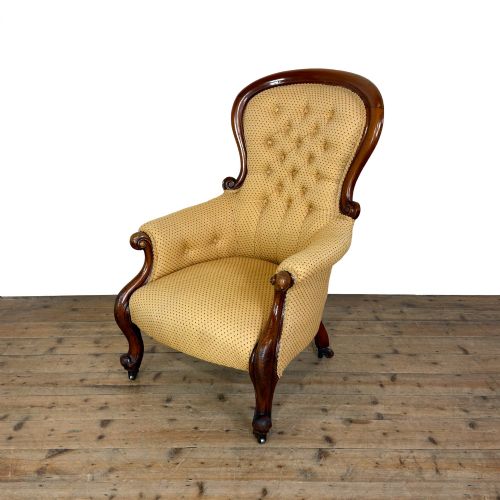
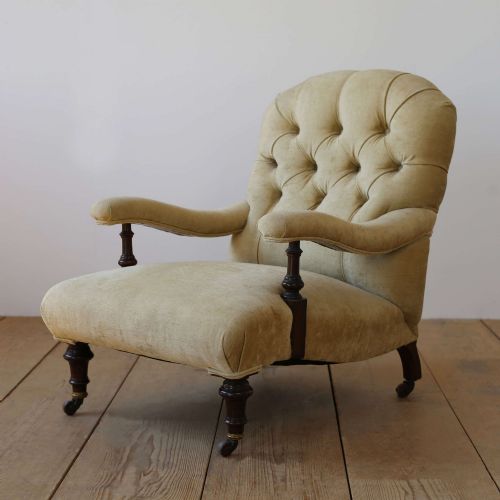
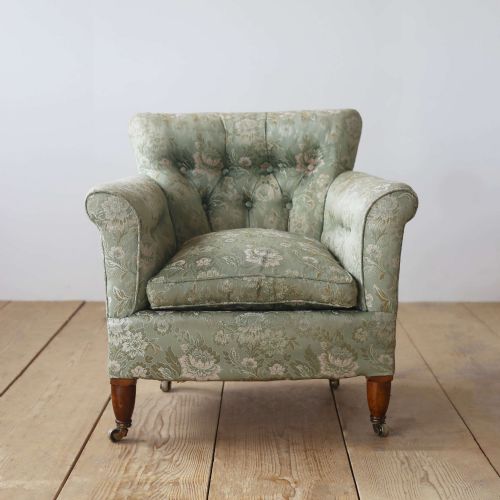
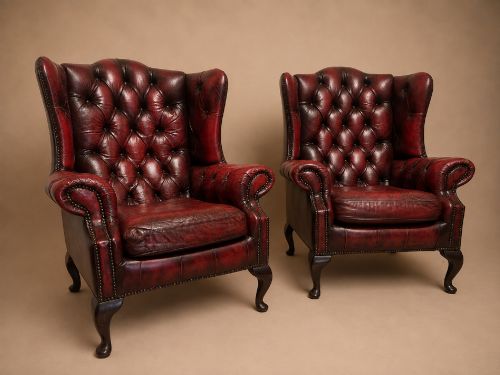
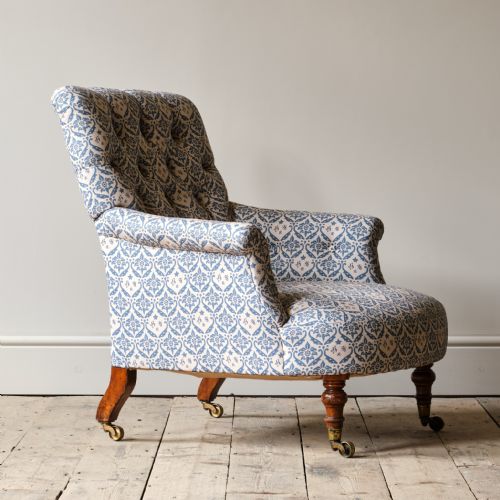
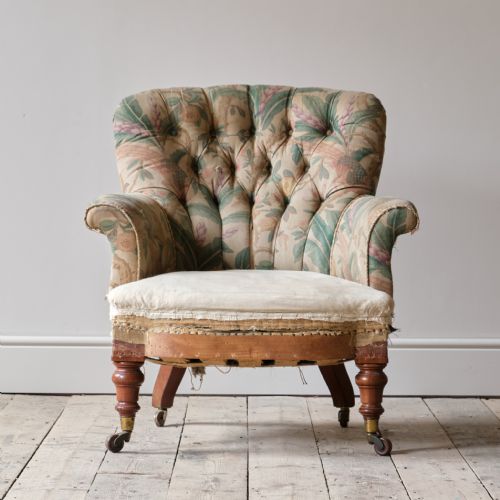
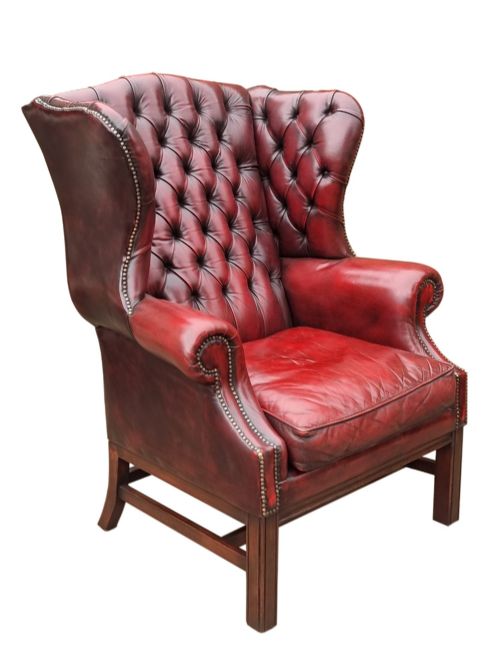
Upholstery techniques involve deep buttoning, also known as tufting, which pulls the leather, velvet, fabric, or rexine tightly over internal stuffing to secure the shape. Artisans shape frames into barley twist supports, carved mahogany details, and sweeping wingbacks using traditional joinery.
Distinctions in craftsmanship
Quality rests in the integrity of the wooden frame and the precision of the buttoning, where tighter tufting and durable leather or velvet indicate superior execution. The sophistication of the carved woodwork, whether simple oak or elaborate mahogany and walnut, separates standard workshop output from finer pieces.
Makers' marks or stylistic lineage, such as pieces in the manner of Howard and Sons or Shoolbred, elevate the standing of an armchair. Proportions also dictate desirability, with larger library chairs and matched pairs commanding greater presence than smaller bedroom or slipper seats.
Listings feature woods like mahogany, walnut, and oak paired with leather, velvet, and textile upholstery across the nineteenth and twentieth centuries.
Howard and Sons·Shoolbred
The Tufted Fireside Armchair Glossary
- Button back
- An upholstery method where tufts of string or twine pull the fabric or leather deep into the padding, secured with covered buttons to create a diamond pattern. This technique maintains the internal stuffing over years of heavy use.
- Wingback
- An armchair featuring protective flaps, or wings, attached to the armrests and angled up to the back to shield the sitter from draughts. This form is common in nineteenth-century leather library and fireside chairs.
- Slipper chair
- A low-seated upholstered chair originally designed for bedrooms to assist with putting on shoes or garments. These pieces often feature compact frames without arms.
- Library chair
- A heavy, comfortable armchair designed for prolonged reading, typically upholstered in dark leather with robust wooden framing. They frequently date to the Victorian and Edwardian eras.
- Rexine
- A durable, leathercloth material made from cotton fabric coated with nitrocellulose, oil, and pigments. It served as a practical alternative to genuine hide on twentieth-century seating.
Tufted Fireside Armchair: Frequently Asked Questions
What defines a tufted fireside armchair?
A tufted fireside armchair is defined by its upholstered, buttoned backrest and a design centred on warmth and comfort near a hearth. These seats often feature supportive wings, low profiles, and durable coverings like leather or velvet.
They appear frequently in nineteenth-century, Victorian, and Edwardian styles, incorporating wooden frames made from mahogany, walnut, or oak. Their sturdy proportions make them practical seating options for studies and living spaces.
How do I date a Victorian buttoned armchair?
Dating relies on examining the timber frame, the upholstery materials, and the style of the legs or castors. Victorian and nineteenth-century pieces often utilise walnut or mahogany with hand-turned legs, while later Edwardian examples may show lighter construction.
Looking closely at the leather or textile helps distinguish early Victorian specimens from later nineteenth-century revivals. Maker associations, such as pieces styled after Howard and Sons, also help anchor a piece to a specific decade.
Were these chairs used only by the fire?
While the wingback and fireside forms were built to block cold draughts near a fireplace, many variations served different domestic rooms. Library chairs were placed among bookshelves for reading, while nursing and slipper chairs belonged in bedrooms.
Their robust construction in leather, velvet, and mahogany allowed them to function equally well in parlours and smoking rooms. The variety of forms on this page reflects their diverse placement in historic homes.