

Tufted Bedroom Chair
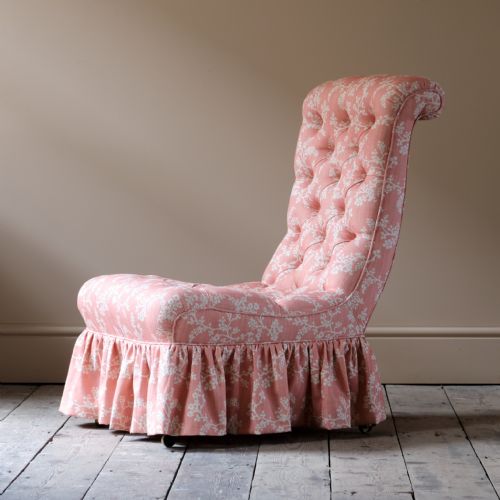
A tufted bedroom chair brings deep buttoning and compact comfort to a dressing room or parlour, combining historic upholstery with intimate proportions.
Tufted Bedroom Chair
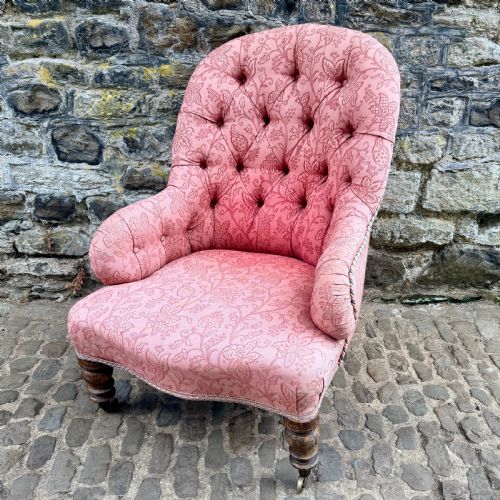
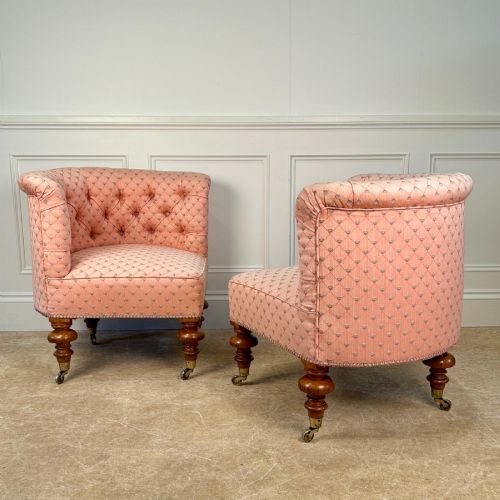
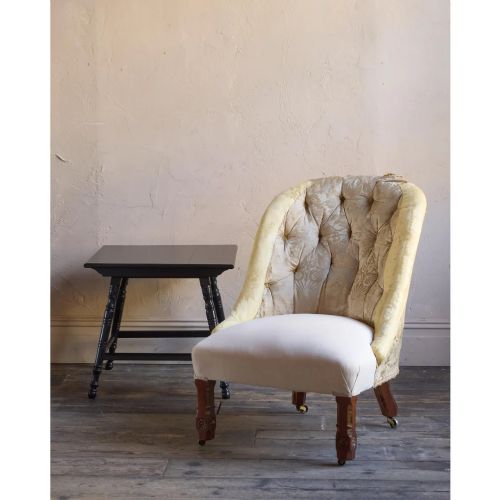
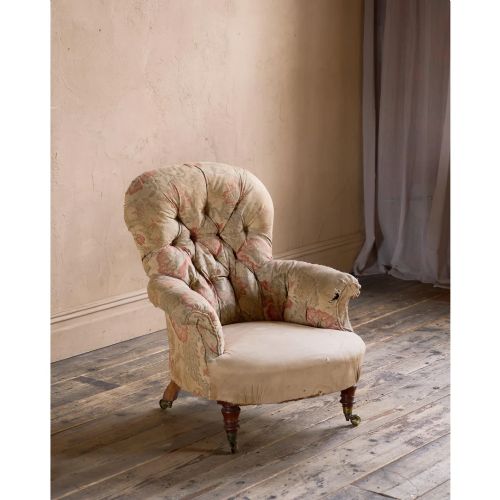
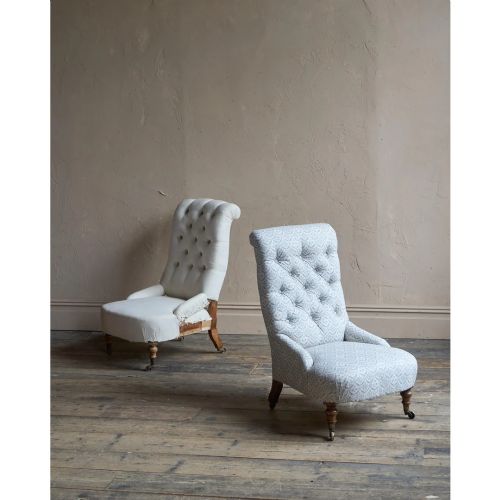
When you search for a tufted bedroom chair, you are looking at upholstered seating designed primarily for nineteenth and early twentieth century private chambers, drawing rooms and boudoirs. These pieces span Victorian, Edwardian and French revival periods, emerging in forms such as slipper chairs, nursing chairs, tub chairs and low armchairs.
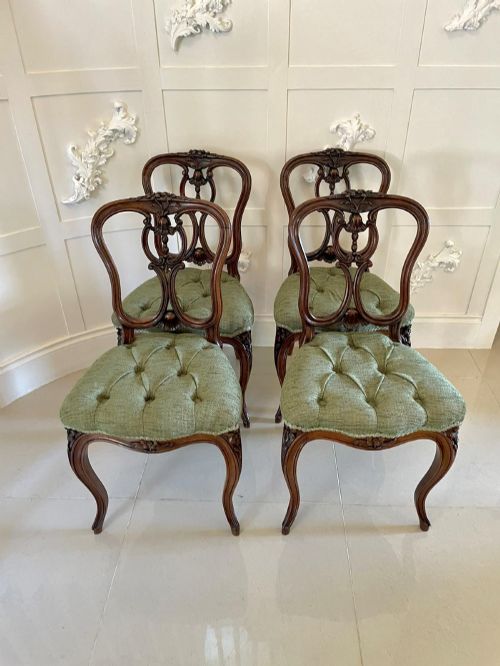
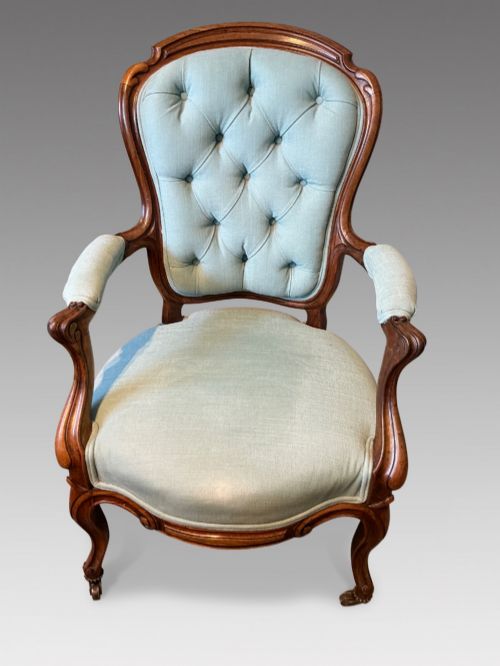
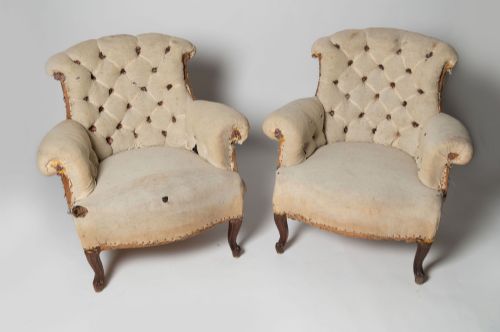
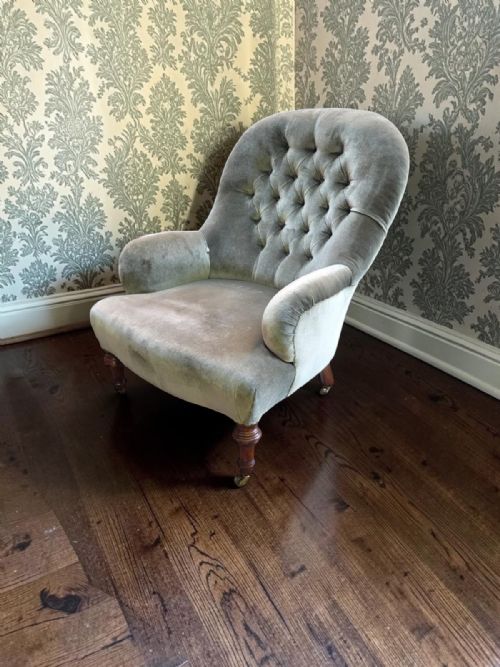
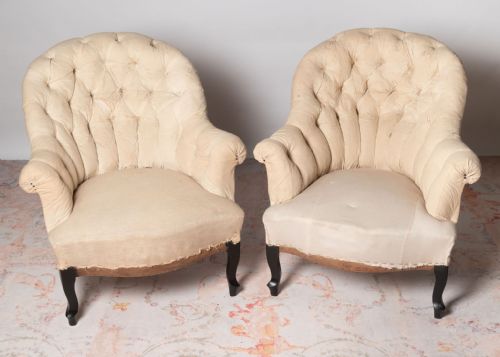
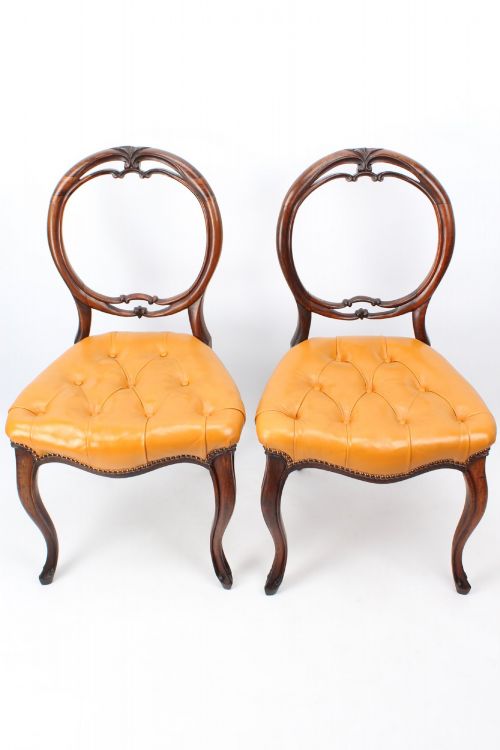
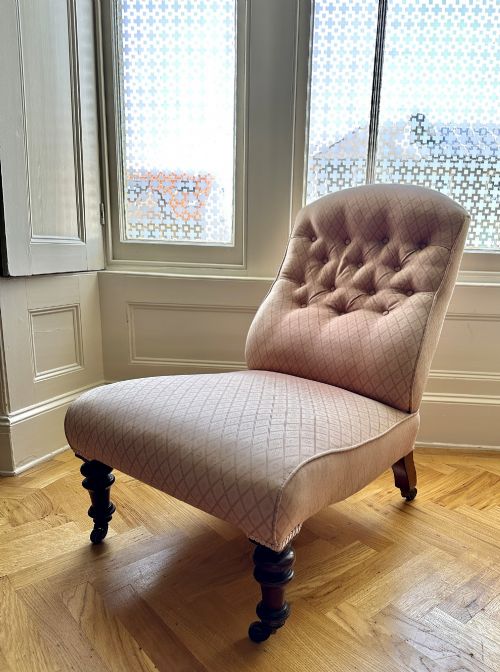
The version you are most likely to meet on this page is a Victorian or nineteenth century French example featuring buttoned upholstery, exposed timber frames in walnut, mahogany or rosewood, and low seats suited to domestic relaxation. Alongside these, occasional chairs, side chairs and occasional small armchairs appear frequently in the listings.
How they were made
Makers constructed the frames using hardwoods like mahogany, walnut, oak and rosewood, often combining timber with brass castors and iron structural elements for mobility and support. Carved detailing, gilt decoration and ebonised finishes appeared on French Napoleon III and revival frames.
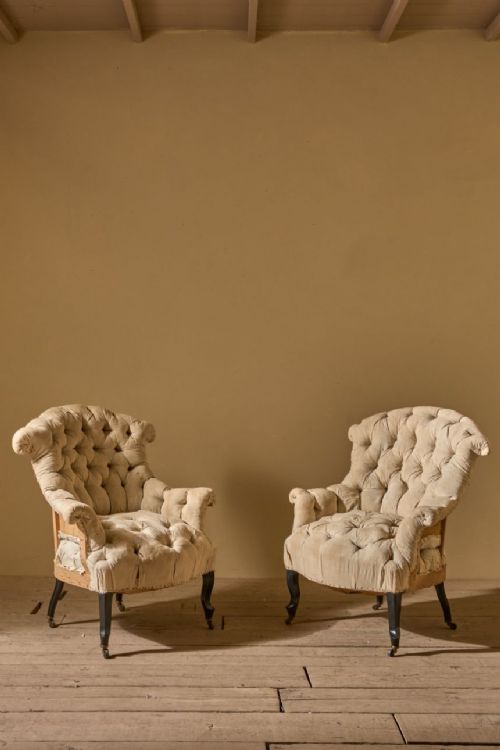
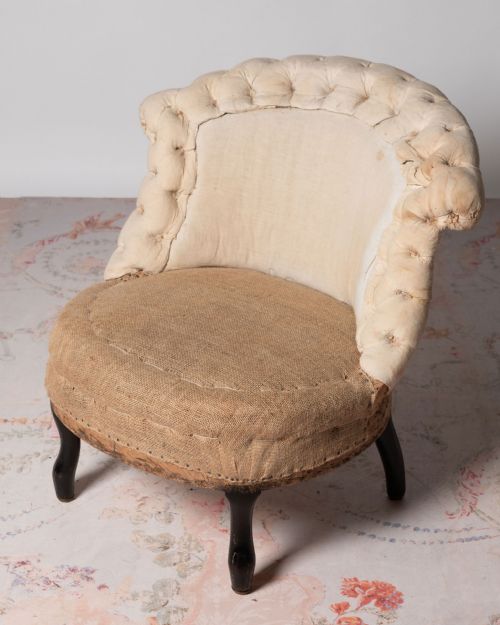
Upholstery involved stuffing with horsehair or natural fibres, secured beneath fabrics such as velvet, calico and patterned textiles, then finished with deep buttoning to hold the interior padding in place.
Some nineteenth century chairs hide clever iron backs and simulated bamboo frames beneath their plush velvet upholstery.
What varies in quality
The refinement of the timber carving and the architectural balance of the frame distinguish standard production from exceptional examples. Cabinetmakers such as Gillows or Howard and Sons applied superior joinery and proportion to their frames.
The integrity of the internal stuffing and the precision of the buttoning dictate the standard of execution. High quality pieces retain tight, responsive cushioning and precise fabric pleating that endures through decades of use.
Holland and Sons·Howard and Sons·Gillows
The Tufted Bedroom Chair Glossary
- Button back
- A method of upholstery where recessed buttons are pulled deep into the padding to create a quilted diamond pattern across the backrest.
- Slipper chair
- A low seated upholstered chair originally designed for bedrooms to allow ladies to dress comfortably without obstruction.
- Nursing chair
- A low armchair traditionally built with a compact seat to facilitate tending to infants or sitting near nursery fires.
- Tub chair
- An armchair featuring a rounded, enclosed backrest that curves continuously into low arms, offering enclosed comfort.
- Napoleon III
- A French revival style spanning the mid to late nineteenth century, known for eclectic ornamentation, gilt highlights and buttoned upholstery.
Tufted Bedroom Chair: Frequently Asked Questions
What is a tufted bedroom chair used for?
These low seats served in private chambers for resting, dressing and quiet reading during the nineteenth and early twentieth centuries.
Today they function effectively as accent seating in modern dressing rooms, bedrooms and compact living spaces.
How do I date a tufted bedroom chair?
Dating relies on the combination of frame timber, upholstery technique and stylistic revival influences visible in the piece.
Victorian and Edwardian examples often display distinct turnings, rosewood or walnut frames, and specific buttoning patterns characteristic of their decade.
Where should I place a bedroom chair?
Their compact proportions make them well suited to corners of bedrooms, dressing areas or beside vanity tables.
They also sit comfortably in studies or small parlours where large armchairs would overwhelm the floor space.
What is the difference between a slipper chair and a nursing chair?
Slipper chairs generally feature low seats and no arms, originally intended for ease of putting on footwear in the bedroom.
Nursing chairs typically include low seats with supportive arms and backs designed for holding infants or sitting close to low hearths.