




Trumeau Style Wall Mirror
A trumeau style wall mirror brings architectural presence and classical painted panels into a room, offering both reflection and fine art.
Trumeau Style Wall Mirror
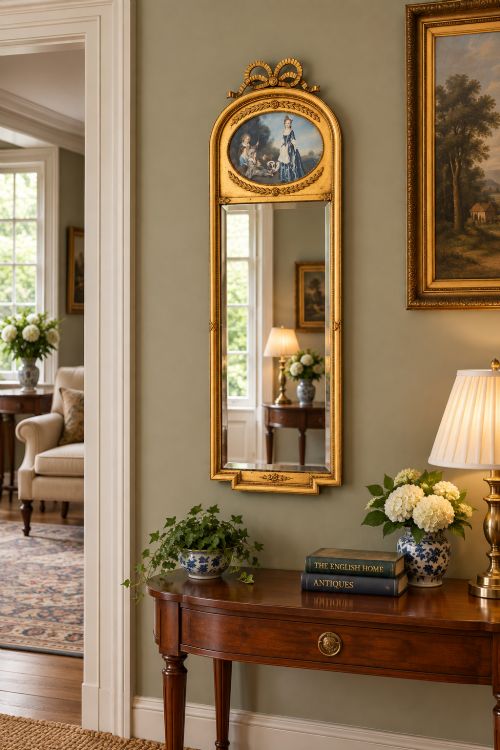
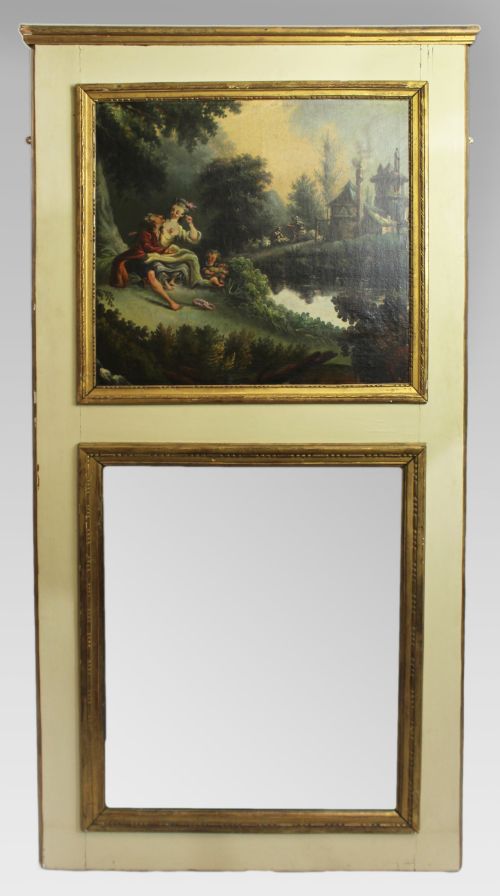
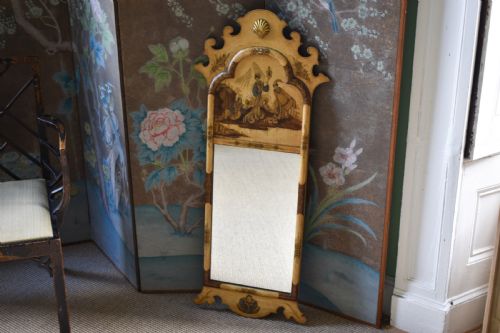
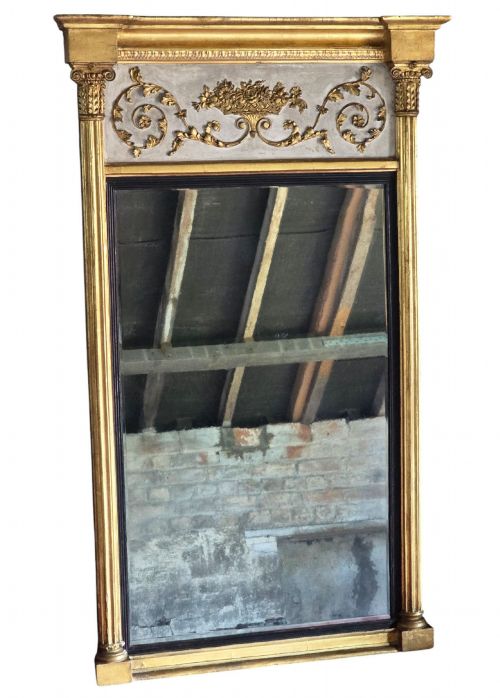
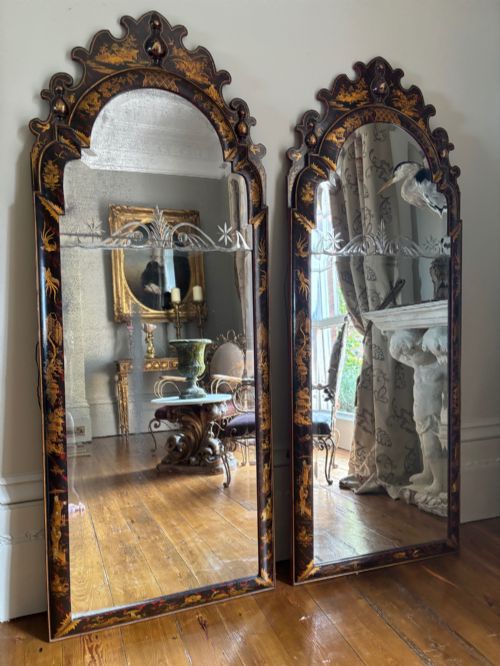
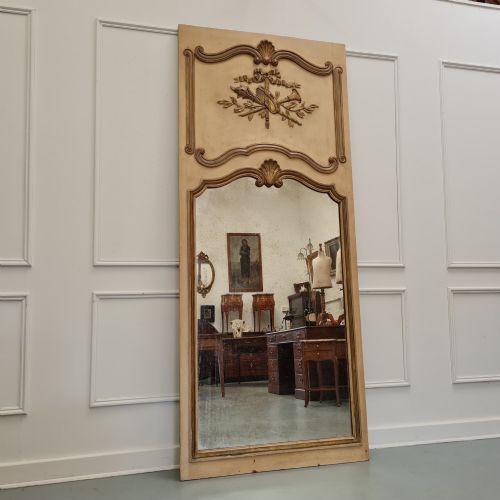
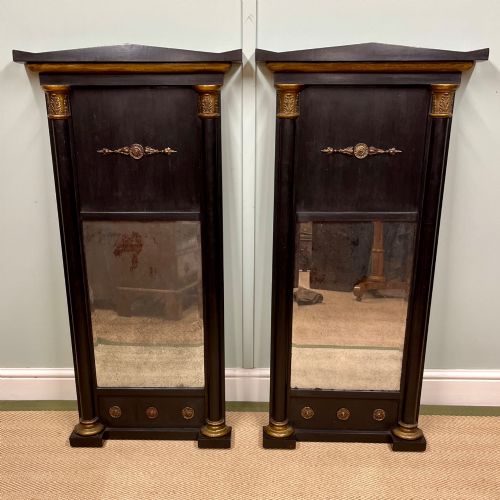
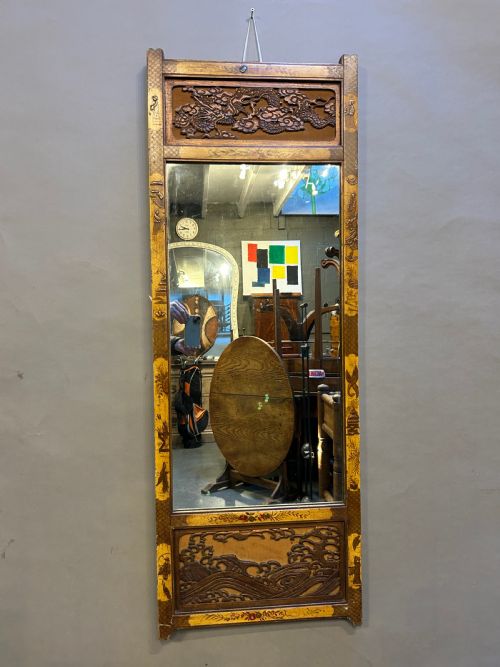
A trumeau style wall mirror combines a vertical looking glass with an inset decorative panel, most commonly positioned above a mantelpiece or between windows. These pieces emerge predominantly in nineteenth-century French designs, alongside related pier mirrors and overmantel formats.
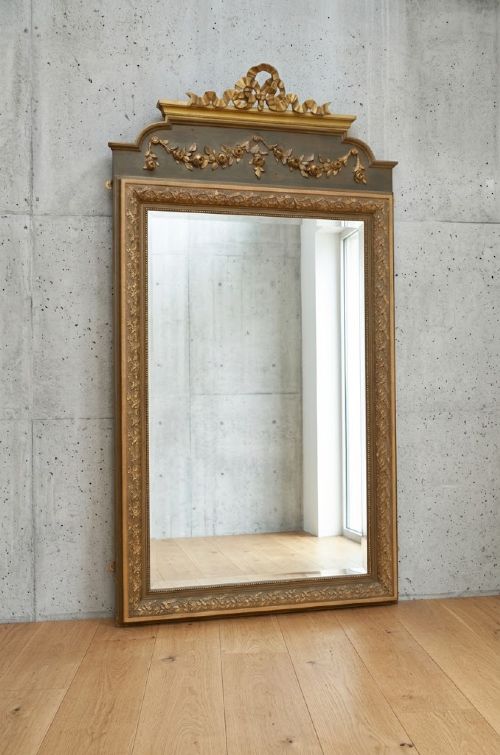
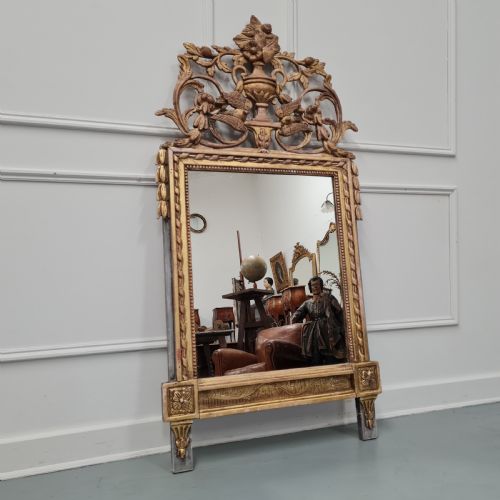
The selections span French Neoclassical, Empire, and Louis XVI aesthetics, often incorporating pastoral oil paintings or carved relief panels above the glass. Buyers frequently encounter nineteenth-century interpretations that merge giltwood frames with painted wood surfaces.
Materials and Construction
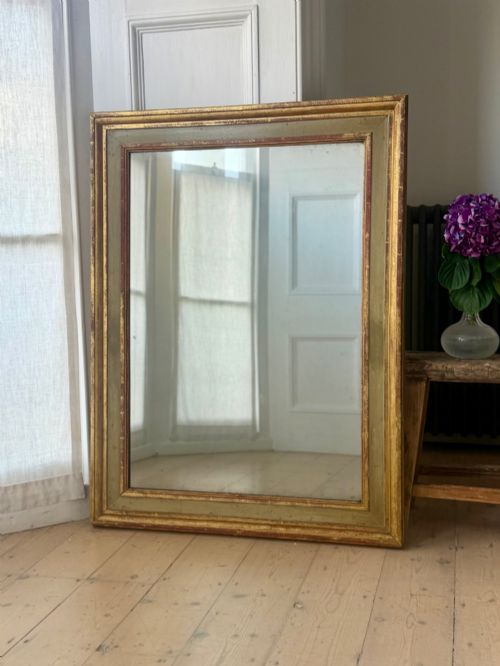
Craftsmen built these frames from wood such as walnut, mahogany, and yew, applying gesso to form intricate moulded details before finishing them with gold leaf, parcel gilding, or paint. Original mercury glass plates frequently appear within the older frames, yielding a characteristic mottled reflection.
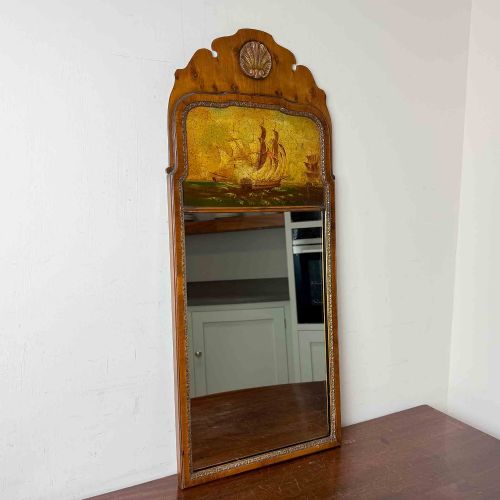
Upper panels often feature hand-painted pastoral scenes, foliate motifs, or carved wooden reliefs depicting classical subjects. Joinery relies on traditional methods suited to supporting tall, heavy glass plates and decorative cornices.
Listings feature eighteenth and nineteenth-century designs alongside revival pieces from the early twentieth century, incorporating glass, giltwood, gesso, and painted wood.
Assessing Craftsmanship
Quality shows in the crispness of the gesso moulding and the depth of the hand-carved wooden details rather than surface wear alone. Superior examples retain their original mercury plates and hand-painted panels executed with artistic dexterity.
The harmony between the upper panel and the lower mirror plate dictates the visual balance of the piece. Masterful proportioning in the frame and genuine period gilding distinguish finer examples from later revival pieces.
The Trumeau Style Wall Mirror Glossary
- Trumeau mirror
- A decorative mirror featuring an integrated upper panel containing a painting, carving, or relief. This architectural form originates from eighteenth and nineteenth-century interior design.
- Mercury glass
- A type of silvered glass produced by pouring a mercury amalgam between double-walled blown glass, creating a distinctive deep and mottled reflection. This technique was largely superseded by safer silver nitrate processes.
- Giltwood
- Wood that has been coated with a thin layer of gold leaf or gold paint. It provides a luminous finish that catches interior light.
- Pier mirror
- A tall mirror designed specifically to hang on the wall space between two windows. They often share proportions with trumeau mirrors.
- Gesso
- A plaster-like mixture applied to wood frames to create a smooth surface for gilding and relief ornamentation. Skilled artisans carve and tool the dried gesso to achieve sharp decorative details.
Trumeau Style Wall Mirror: Frequently Asked Questions
Where should I hang a trumeau mirror?
These mirrors suit placement above a fireplace mantelpiece or on a prominent living room wall where their height can be fully appreciated. They function effectively in hallways to reflect light and expand spatial perception.
Ensure the wall construction safely supports the substantial weight of the wooden frame and glass plate. Position the piece at a height that allows comfortable viewing and balances surrounding furniture.
How do I care for mercury glass?
Clean mercury glass gently using a soft, dry microfibre cloth to remove dust without disturbing the fragile silvered backing. Avoid liquid glass cleaners, as moisture can seep behind the plate and accelerate deterioration.
Keep the mirror away from direct sunlight and damp environments to protect both the wooden frame and the historical glass plate.
What is the difference between a trumeau and an overmantel mirror?
A trumeau mirror specifically incorporates a painted or carved panel situated above the looking glass, often reflecting architectural wall panelling. An overmantel mirror is simply designed to fit the specific proportions of the wall space directly above a fireplace.
While overmantel mirrors focus primarily on an expansive reflective surface, trumeau mirrors incorporate distinct fine art or decorative relief elements within their upper structure.
How can I tell a period piece from a revival?
Examine the construction joints, the backing boards, and the wear patterns on the gilding and paintwork to gauge age. Period pieces often feature hand-carved elements, older fixings, and original mercury plates with natural oxidation.
Revival pieces from later periods typically display machine-cut timber and standardised mouldings, though they still employ traditional motifs derived from earlier French styles.