

Tripod Base Pedestal
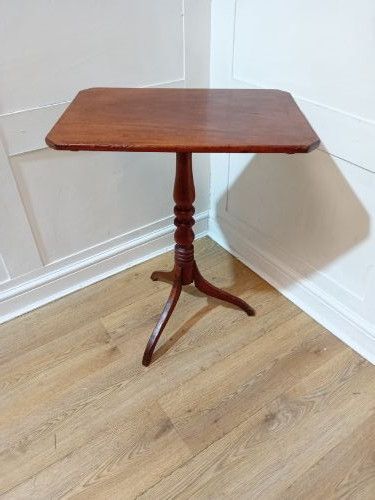
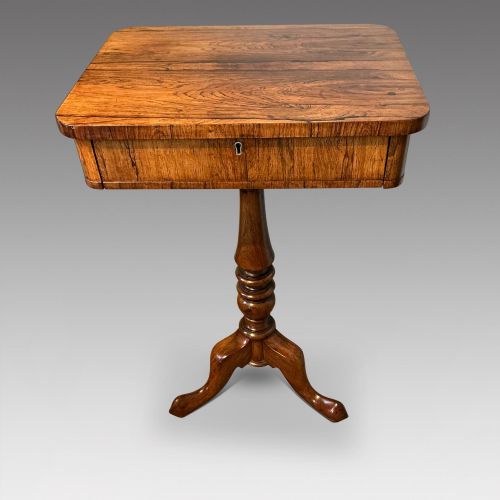
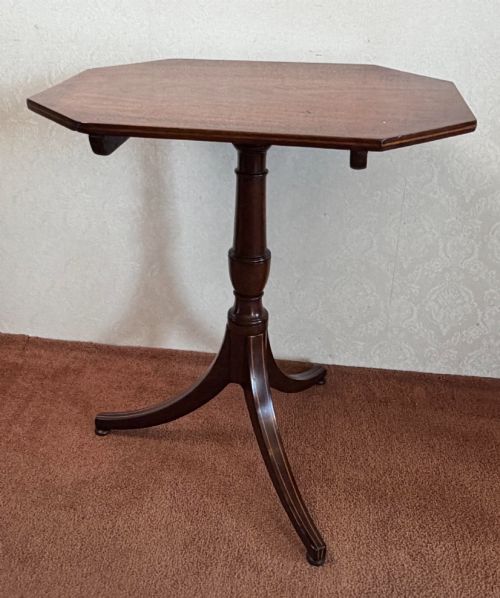
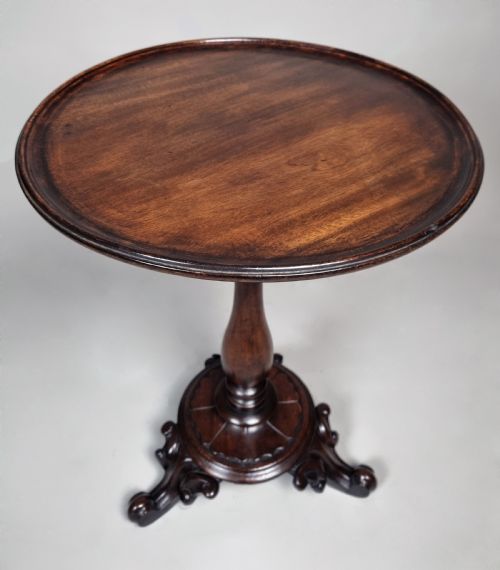
These tripod base pedestal pieces combine practical support with sculptural form, offering a stable surface that anchors a room without crowding the floor.
Tripod Base Pedestal
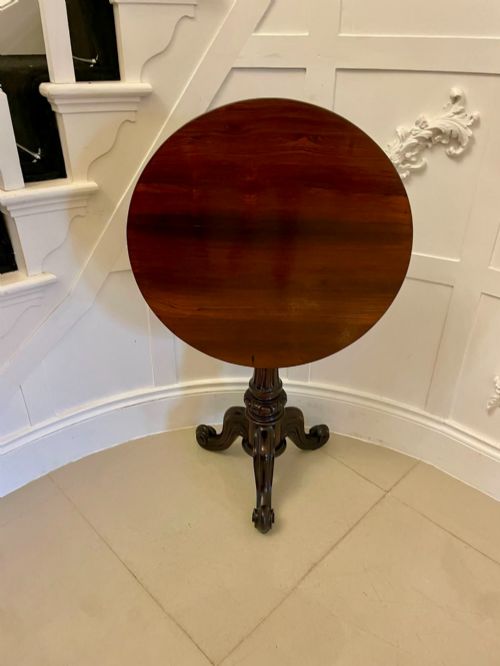
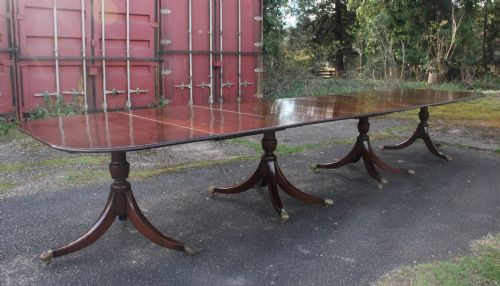
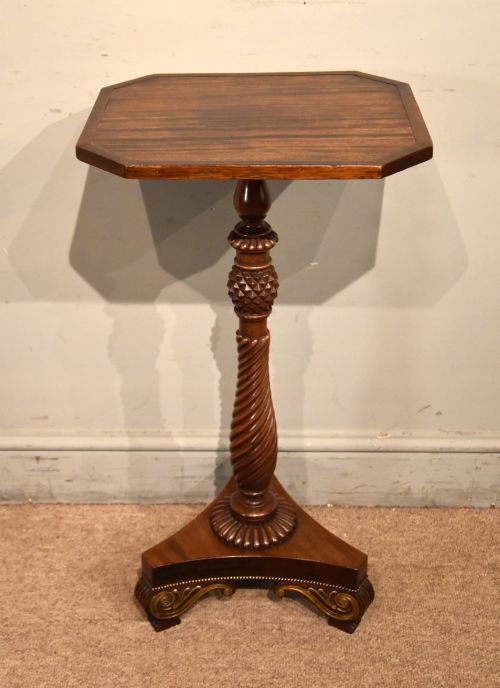
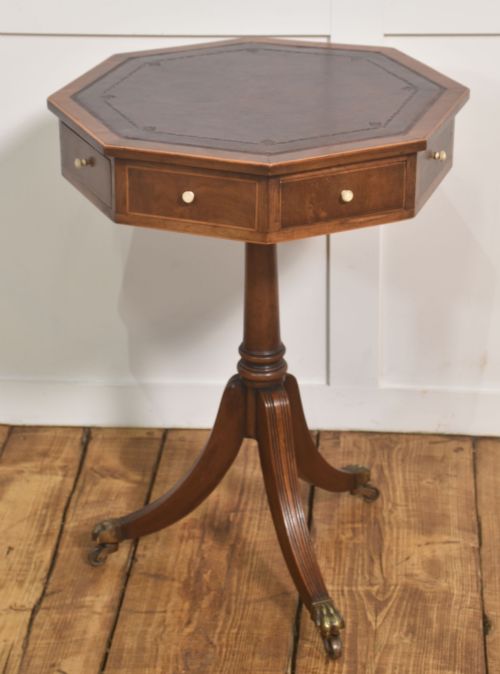
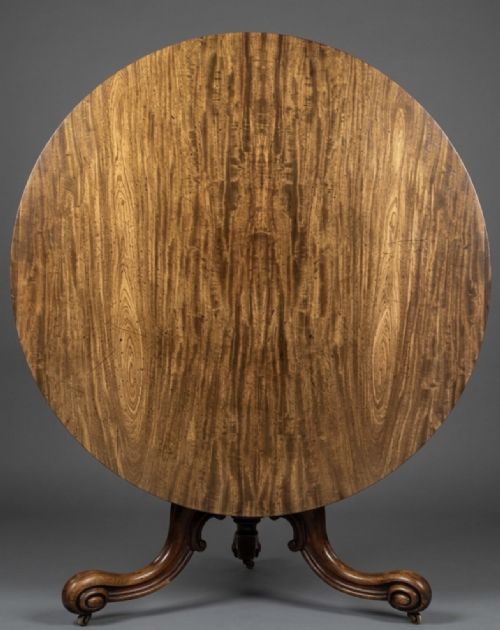
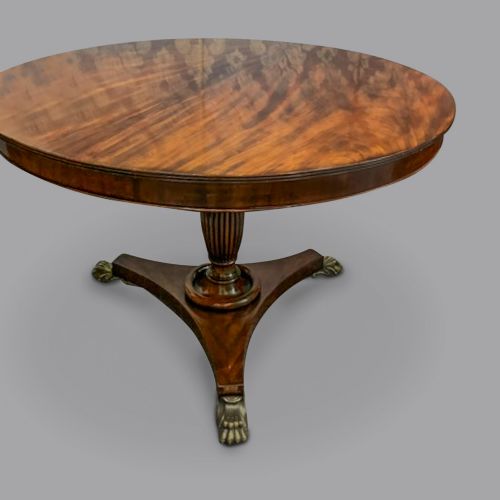
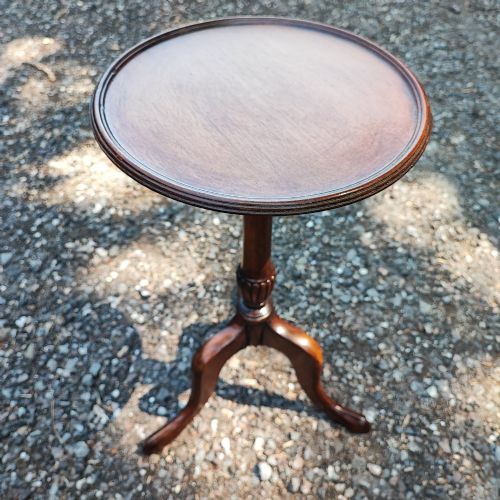
A tripod base pedestal search reveals a wide array of small tables and stands designed for domestic utility and display. Buyers frequently encounter side tables, wine tables, and occasional tables spanning the Georgian, Regency, and Victorian periods.
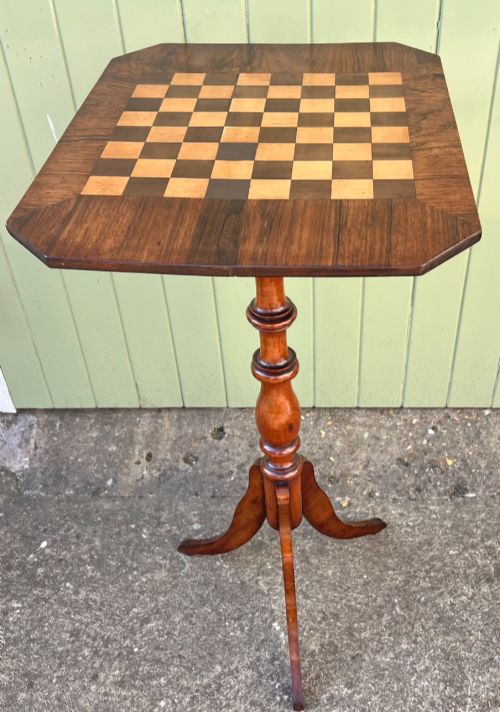
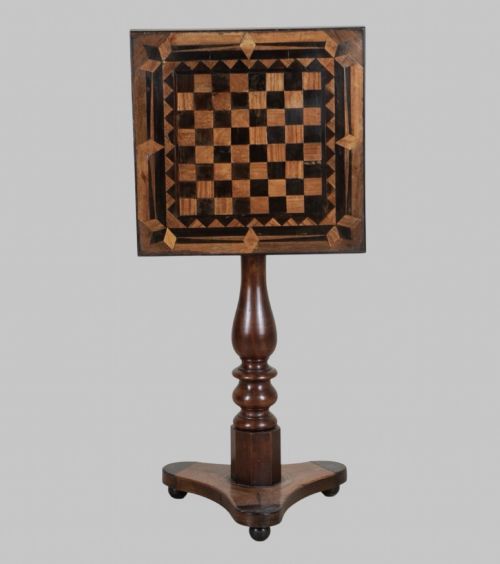
Originating in the eighteenth century and evolving through the nineteenth and early twentieth centuries, these items served specific parlor and dining room functions. Examples include specialised surfaces for chess, tea, reading, and horticulture.
Materials and construction methods
Cabinetmakers relied heavily on dense timbers such as mahogany, rosewood, and walnut, often utilising pollard oak or exotic padouk for decorative impact. Boxwood inlay, brass mounts, and carved details accent the primary woods.
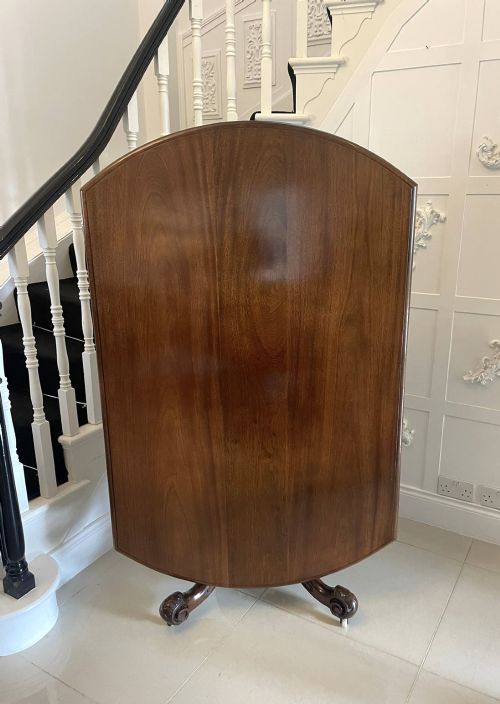
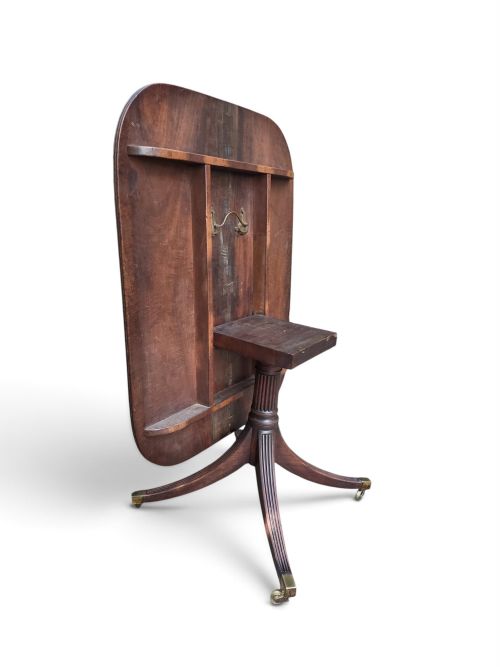
Construction techniques balanced weight distribution on the three-legged support, utilising solid turned pillars and tenoned joints. Tilt-top mechanisms incorporated clever catches and birdcage pivots to allow tabletops to fold away when not in use.
Assessing craftsmanship and execution
The distinction between standard utility items and superior examples lies in the crispness of the carving and the selection of timber veneers. Finely figured mahogany and intricate boxwood stringing elevate a simple support into a polished decorative object.
Structural integrity depends on the stability of the central column connection to the splayed legs, where original joinery determines long-term durability. Proportions also dictate quality, as superior pieces maintain a balanced silhouette between the top and the base.
The Tripod Base Pedestal Glossary
- Tripod base
- A support structure comprising three legs radiating from a central pillar. This configuration ensures three-point contact with the floor to prevent rocking.
- Tilt-top
- A mechanism allowing the tabletop to pivot to a vertical position. This innovation enabled tables to be stored flat against a wall when not in daily use.
- Wine table
- A small occasional table designed to hold a decanter and glasses. These pieces usually feature a raised dished top to prevent items from sliding off.
- Torchere
- A tall decorative stand intended to support a lamp or candleholder. They frequently appear as slender carved wooden columns on three-legged bases.
- Gueridon
- A small French round table on a central column and tripod base. The form gained popularity in various nineteenth-century European revival styles.
Tripod Base Pedestal: Frequently Asked Questions
What were tripod tables used for?
These versatile tables served numerous domestic tasks in sitting rooms and parlors throughout the Georgian and Victorian eras. They held portable items like tea services, lamps, books, and wine decanters.
Because they were lightweight and portable, occupants moved them around the room as daily activities shifted from reading to entertaining.
How do I date a pedestal table?
Dating relies on observing timber choices, leg profiles, and construction techniques characteristic of specific design periods. Georgian and Regency examples often show restrained classical turning, while Victorian pieces lean toward heavier carving and rich rosewood veneers.
Hardware, joint construction, and secondary woods inside drawers also provide reliable clues for establishing the era of manufacture.
Are tilt-top tables structurally stable?
Original tilt-top mechanisms use a wooden catch and block system that secures the top horizontally when lowered for use. While centuries of use can introduce minor play into the pivot joint, properly adjusted examples remain perfectly stable.
Testing the catch reveals whether the mechanism retains its original operating components or has undergone modern restoration.
How do I fit a tripod table into a modern room?
The compact footprint of a three-legged base makes these tables ideal for placing beside armchairs, sofas, or empty corners. Their raised surfaces provide functional space for lighting and drinks without cluttering narrow floor areas.
Mixing period timber tones with contemporary interiors adds warmth and historic texture to a room scheme.