



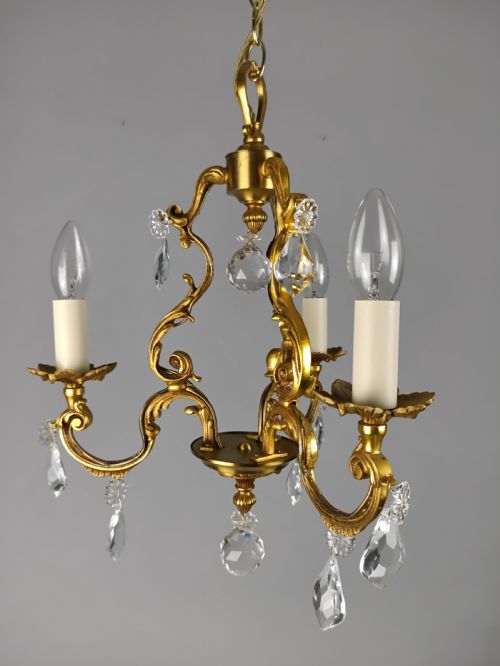
Triple Light Pendant
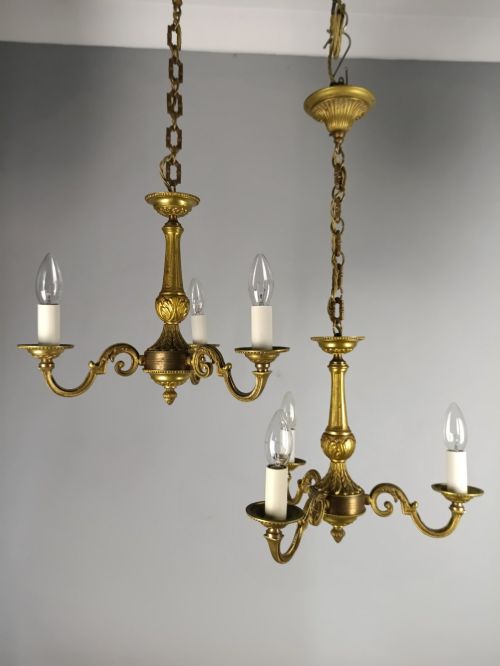
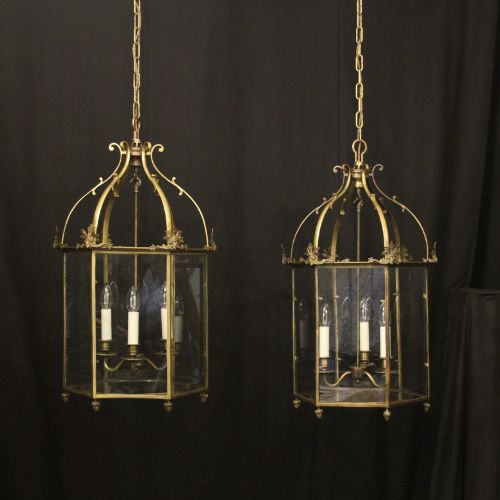
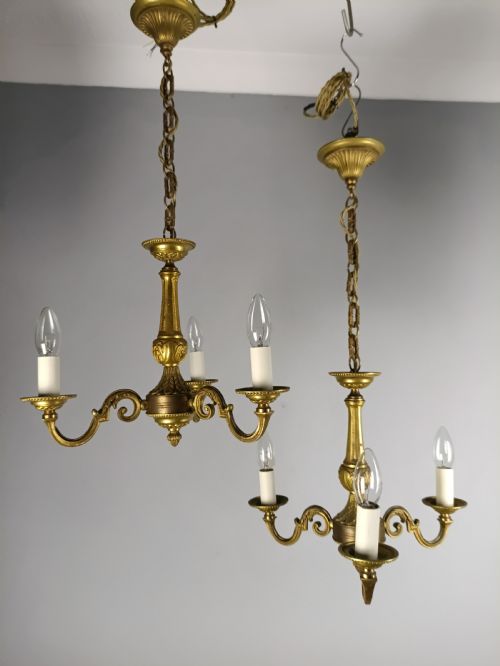
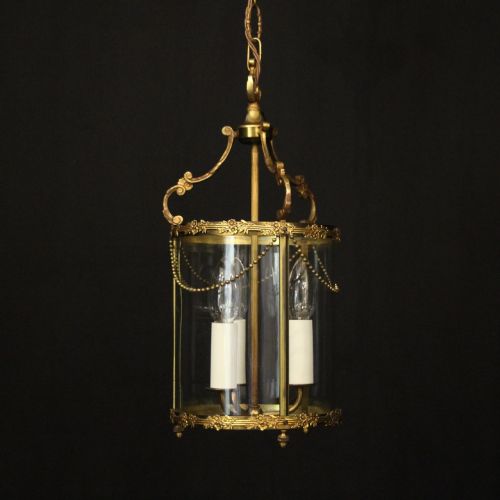
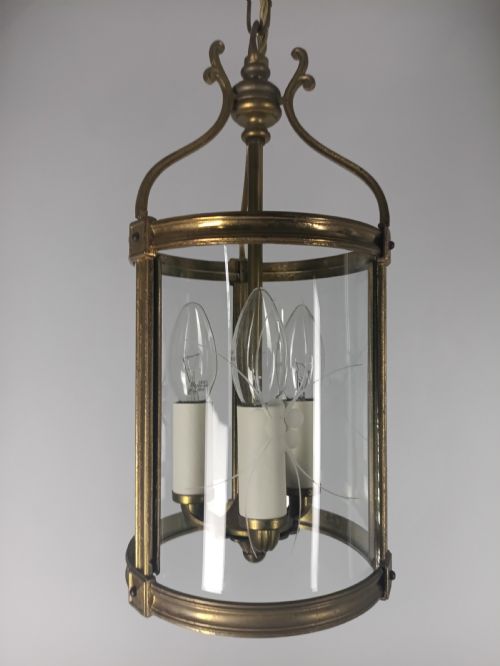
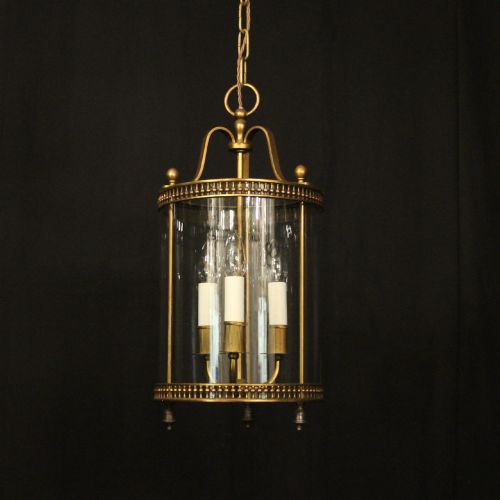
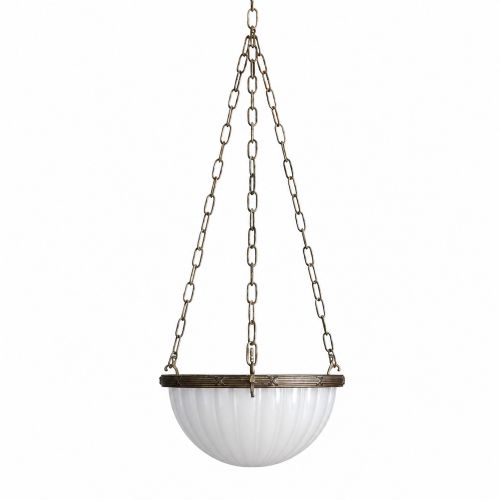
These triple light pendants are refined hanging fixtures that bring architectural presence and warm illumination to an entrance hall.
Triple Light Pendant
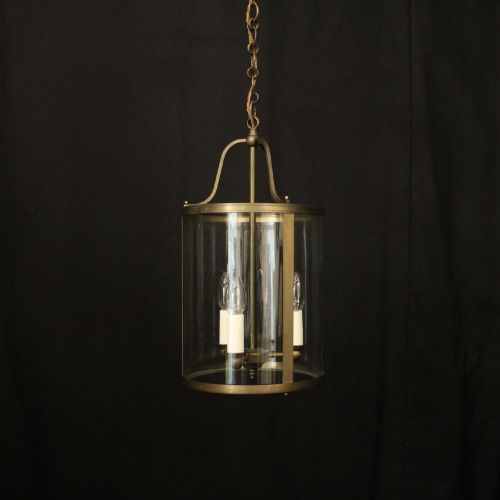
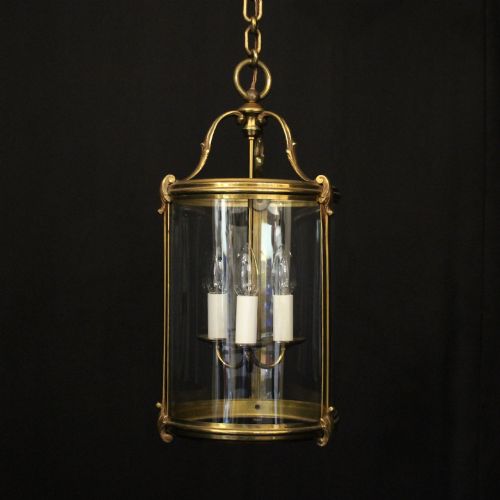
A triple light pendant unites three internal bulb fittings within an enclosed brass and glass housing designed primarily for hanging in hallways. These fixtures bridge the gap between large chandeliers and modest ceiling lights by offering balanced downward illumination without dominating the ceiling height.
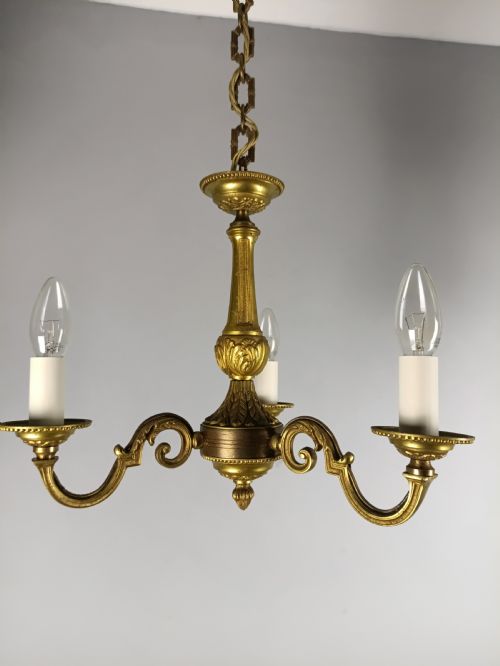
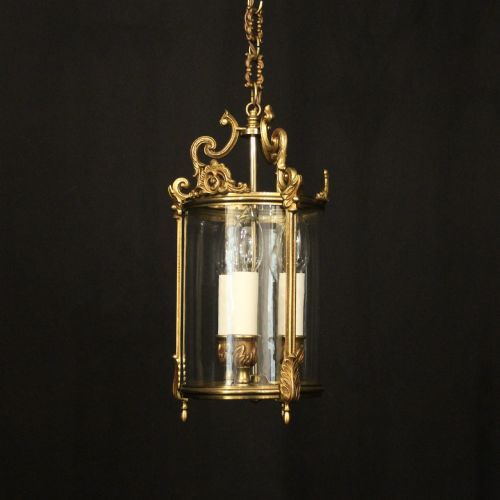
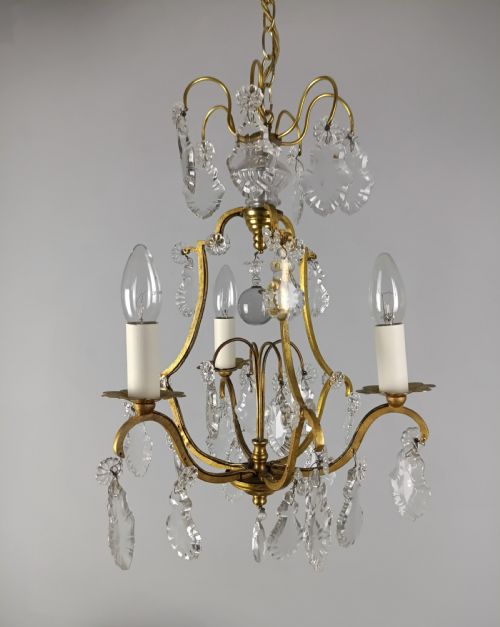
The selections available here stem largely from the nineteen twenties and nineteen thirties, predominantly channelling French classical, neoclassical, and empire design traditions. Forms range from convex lanterns to ornate brass cages adorned with crystal glass.
Makers focused heavily on hall lanterns and ceiling pendants, utilising polished, gilt, and gilded brass alongside bronze frameworks. Such pieces suit period properties and high-ceilinged corridors requiring authentic period character.
Materials and construction methods
Construction relies heavily on cast and formed brass or bronze, finished in gilt, polished brass, or gilded surfaces. Metal frameworks are shaped into structural ribs and decorative mounts that securely hold glass panels in place.
Panels and drops utilise clear or convex glass alongside crystal glass elements to refract the internal illumination. Historic examples often show evidence of rewiring to meet modern safety standards while retaining original metalwork.
Triple Light Pendant Retail Price Guide 2026
Typical asking prices for triple light pendant among the pieces listed under this phrase on Sellingantiques today, from the lower quarter to the upper quarter. They describe what is for sale here now, not the wider market.
Some lanterns were curved quite deliberately so guests catching a glimpse in the hallway mirror looked impressively distorted.
Distinguishing quality across examples
Quality rests in the crispness of the metal casting and the depth of the gilding on the brass or bronze frames. Finer pieces display sharper decorative detailing on neoclassical motifs and French rococo mounts.
The integration of heavy convex or crystal glass rather than thin plain panes separates superior examples from simpler utilitarian alternatives. Superior hardware and well-preserved original patination elevate the visual weight of the fixture.
The Triple Light Pendant Glossary
- Hall lantern
- A hanging light fixture specifically designed to illuminate entrance passages and corridors. These typically feature glazed sides and an enclosed metal frame.
- Gilt brass
- A brass base metal covered with a thin layer of gold leaf or gilt finish. This treatment provides a rich metallic lustre.
- Convex glass
- Curved glass panes that project outward to diffuse light across a wider angle. This technique enhances the visual presence of the lantern.
- Empire style
- A neoclassical design movement drawing inspiration from the ancient Roman and Greek empires. It favours symmetry, martial motifs, and formal classical restraint.
- Crystal glass
- High-clarity glass containing mineral additives to increase brilliance and light refraction. It is often cut into specific shapes for decorative hanging drops.
Triple Light Pendant: Frequently Asked Questions
Where should I hang a triple light pendant?
These fixtures are traditionally suited to entrance halls, grand stairwells, and high-ceilinged corridors where vertical hanging space allows the design to be appreciated.
Ensure there is sufficient clearance beneath the lowest point of the lantern for people to walk underneath comfortably.
How do I date these pendant lights?
Dating relies on stylistic markers from periods such as the nineteen twenties and nineteen thirties, alongside manufacturing techniques visible in the brass frames. French classical and empire motifs offer strong clues to the design era.
Examining the fixings, chain links, and glass curvature also helps establish the approximate age of the piece.
What is the difference between brass and bronze?
Brass is an alloy of copper and zinc, whereas bronze is primarily copper combined with tin. Both metals take gilding and polishing well, which explains their frequent use in historic lighting.
Visual inspection of the metal weight and underlying tone helps distinguish between the two materials.