
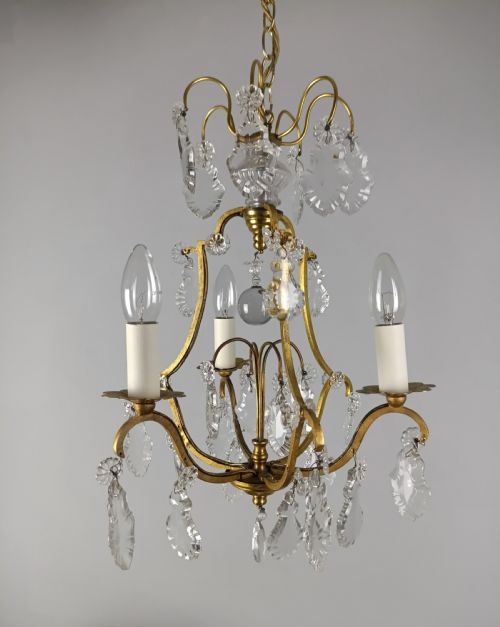
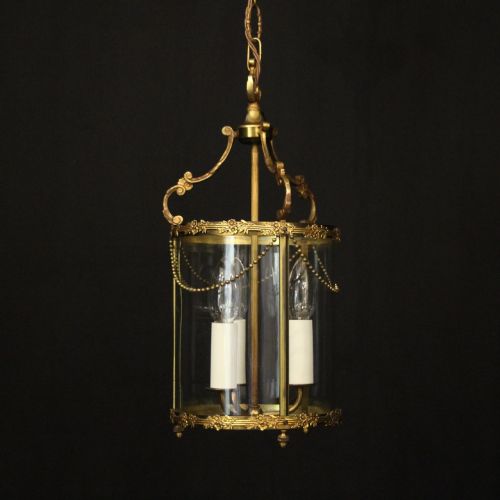
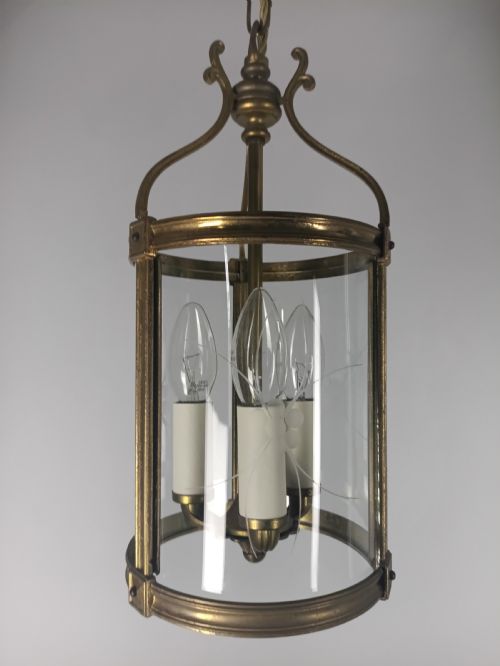
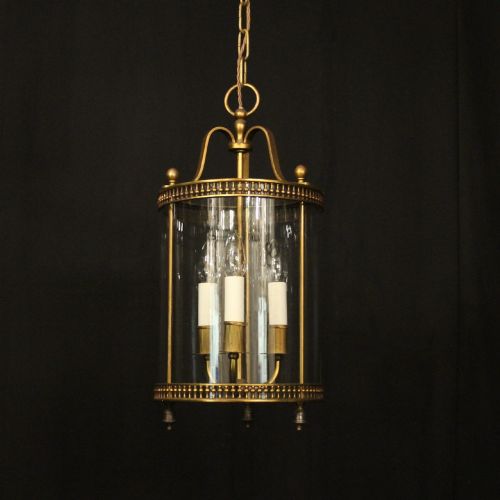
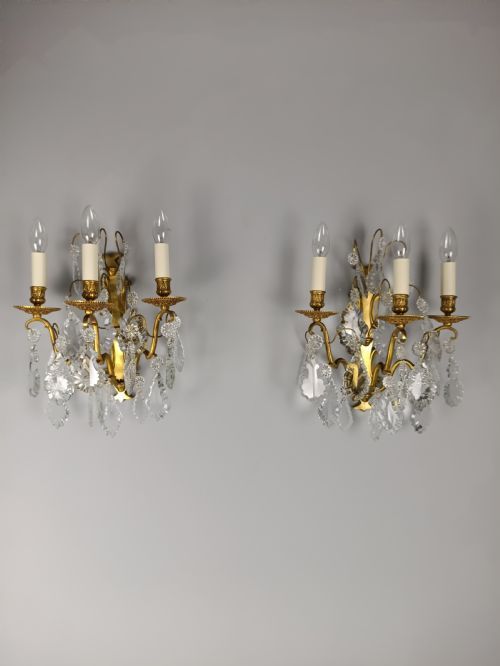


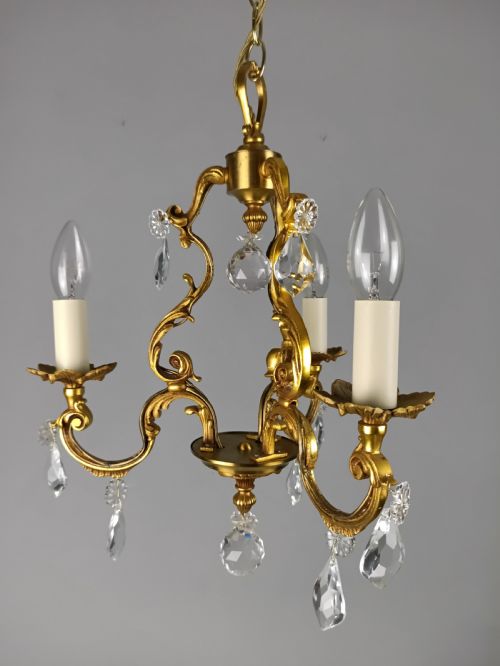

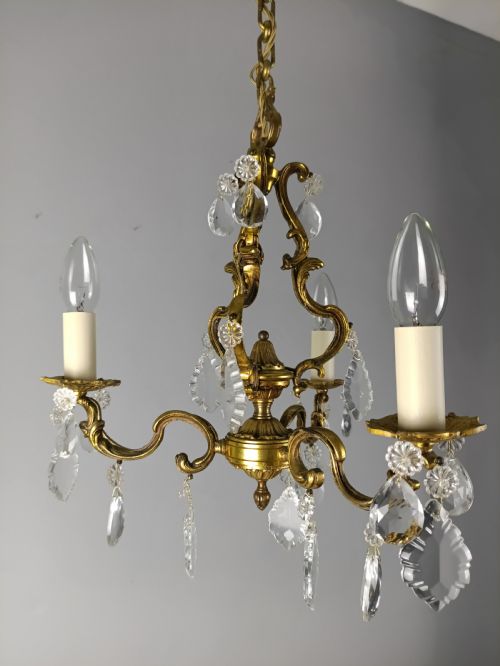


Triple Light Chandelier
These triple light chandelier examples bring distinct illumination, offering period character through traditional forms and metals.
Triple Light Chandelier
A triple light chandelier provides three distinct illumination points arranged across a central frame, often suspended from ceilings in reception rooms or hallways. When seeking a triple light chandelier, buyers encounter pieces primarily originating from French and Florentine workshops spanning the nineteenth century through the early twentieth century.
The format encompasses several variations, ranging from formal crystal-laden chandeliers to enclosed hall lanterns and wall lights. Pieces often display specific regional characteristics, such as the classical motifs of French Empire designs or the carved details of Florentine giltwood and polychrome items.
Materials and Construction
Metals form the structural core, utilising cast bronze, brass, and gilt brass alongside gilded or polychrome wood. Artisans shaped these materials into intricate frames, often applying gold leaf or bronze finishes to the exterior surfaces.
Glass elements enhance the illumination, incorporating cut crystal drops, etched convex glass panels, and specialised formations like tent and waterfall drops. These transparent components refract light from the three internal points to brighten interior spaces.
Several examples feature whimsical birdcage and floral toleware structures alongside conventional crystal arrangements.
Assessing Quality
The refinement of the casting and carving defines the upper tier of these pieces, where metalwork exhibits crisp detail and wooden frames show precise hand-tooling. Superior examples integrate glass and crystal elements that are securely mounted and proportioned harmoniously to the metal armature.
Execution of surface finishes also separates standard items from exceptional ones, particularly in the application of gilding, bronze patination, and hand-painted polychrome details. The integrity of the original assembly and the sophistication of decorative styles, such as Empire or Baroque ornament, dictate the overall standard.
The Triple Light Chandelier Glossary
- Hall lantern
- An enclosed ceiling fixture designed to illuminate entrance spaces and corridors, typically featuring glass panels set within a metal frame.
- Gilt bronze
- Metalwork coated with a thin layer of gold, providing a durable and decorative surface finish often seen on French period pieces.
- Tent and waterfall
- A configuration of crystal drops arranged in a sloping upper tent shape cascading down over the main body of the lighting fixture.
- Polychrome
- Decoration utilising multiple colours, frequently applied to wood or metal components to create painted floral or ornamental effects.
Triple Light Chandelier: Frequently Asked Questions
Where should I hang a triple light chandelier?
These fixtures suit spaces requiring controlled illumination from three distinct points, such as entrance halls, dining areas, or smaller reception rooms. Their scale allows them to function effectively without overwhelming moderate ceiling heights.
Ensure adequate clearance beneath the fixture, particularly in transit areas like hallways, where hall lanterns and pendant versions fit naturally.
How do I identify a French Empire style?
French Empire pieces incorporate neoclassical motifs inspired by ancient Roman and Greek designs, often displaying symmetrical arrangements and formal classical ornament. Look for structured framing in bronze or brass.
These designs frequently integrate specific decorative elements like laurel wreaths, urns, or martial trophies within the metalwork.
What is a Florentine chandelier?
Florentine lighting pieces originate from Italy and typically feature carved wood, giltwood, or polychrome finishes rather than polished brass or bronze. Their aesthetic leans towards organic forms, floral motifs, and painted surfaces.
They offer a distinct visual texture compared to French metalwork, relying on carved details and softer colour palettes.
Are these lights compatible with modern wiring?
Many surviving examples have undergone professional rewiring to meet contemporary electrical standards while preserving their antique frames and components. This adaptation allows safe integration into modern domestic electrical systems.
Buyers should inspect the specific listing details to confirm whether electrical updating has been completed by the seller.