

French Gilt Pendant Light
These pieces known as a french gilt pendant light bring warm, reflective illumination and classic decorative presence to a room.
French Gilt Pendant Light
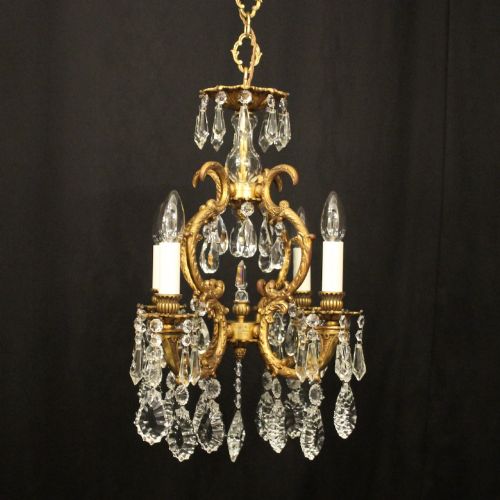
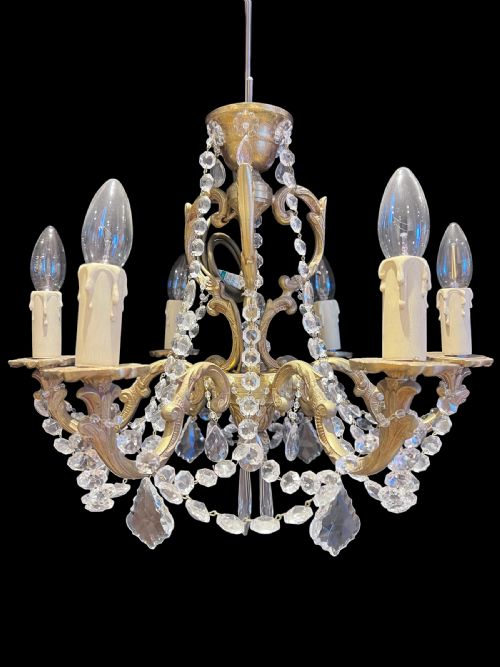
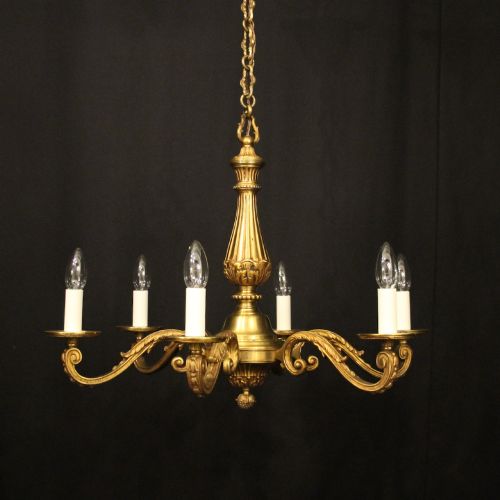
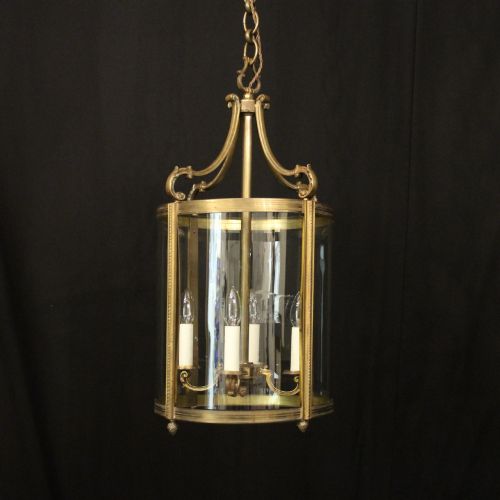
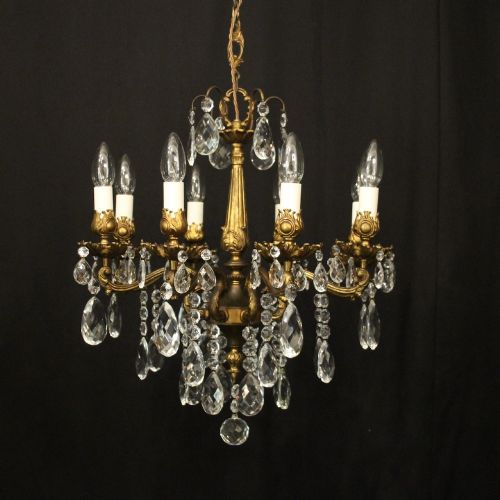
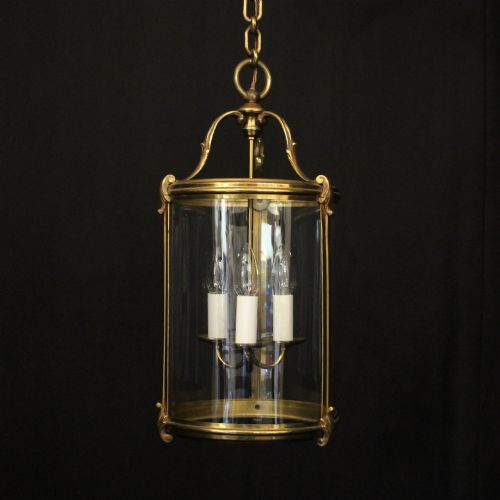
When you search for a french gilt pendant light, you encounter a variety of hanging fixtures originating primarily from nineteenth-century and early twentieth-century periods. These range from elaborate birdcage and tent-and-waterfall chandeliers to single-bulb glass globes and convex hall lanterns.
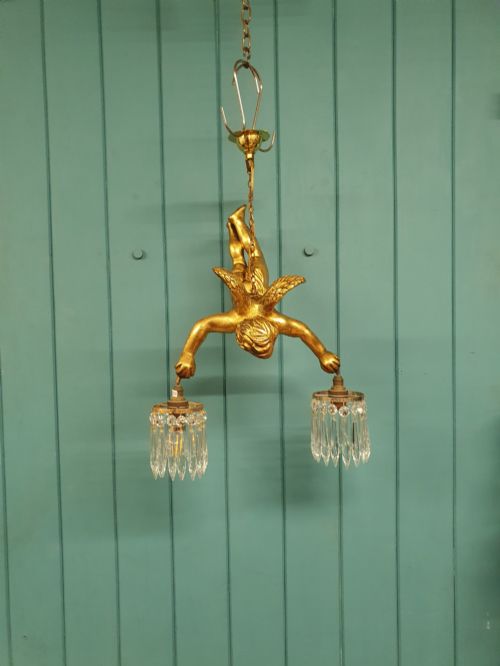
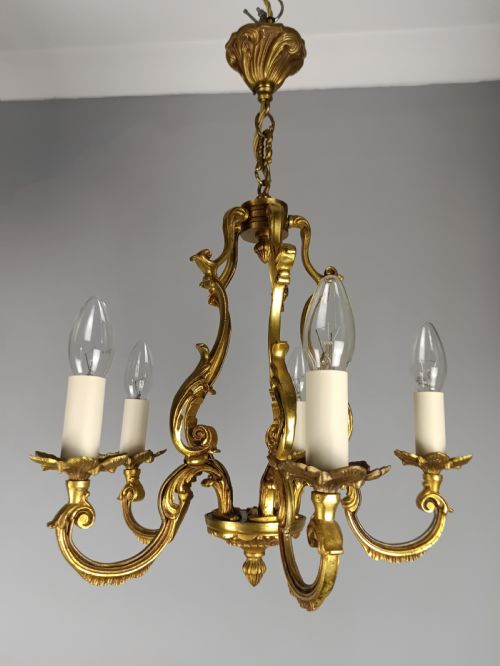
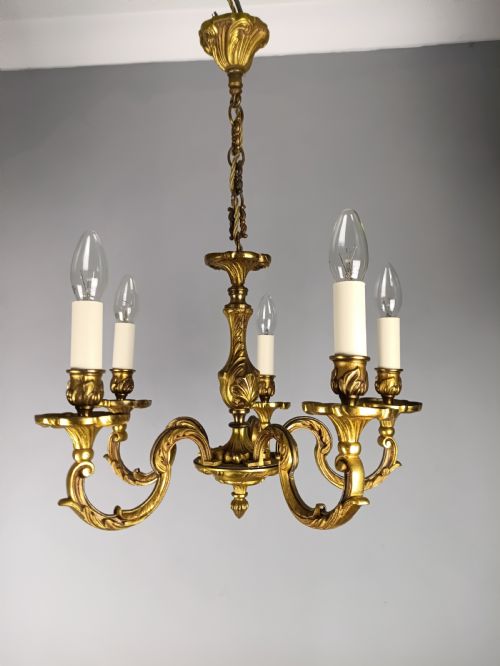
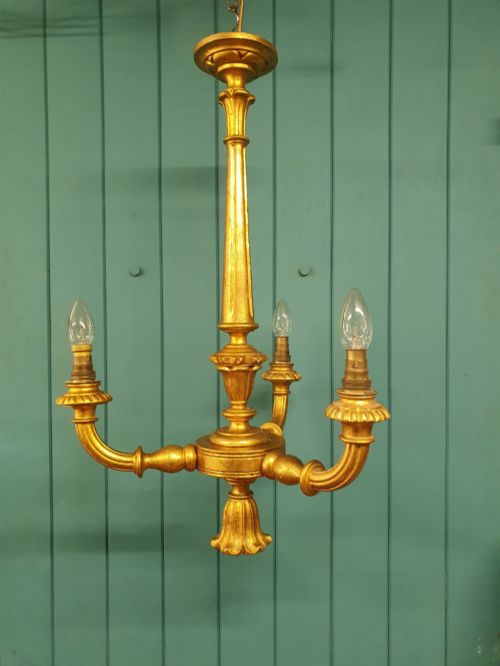
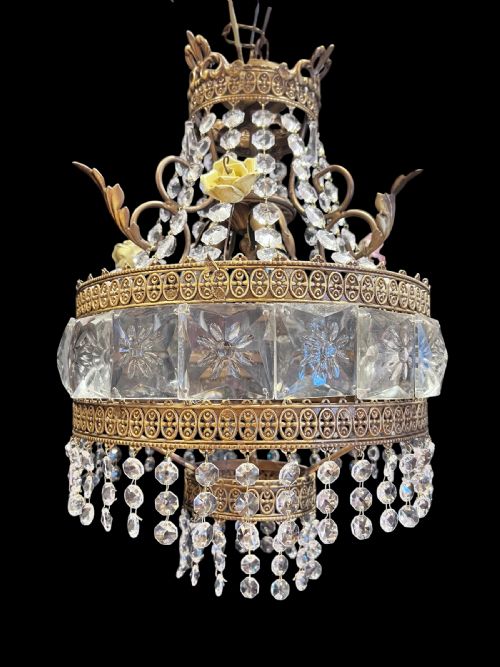
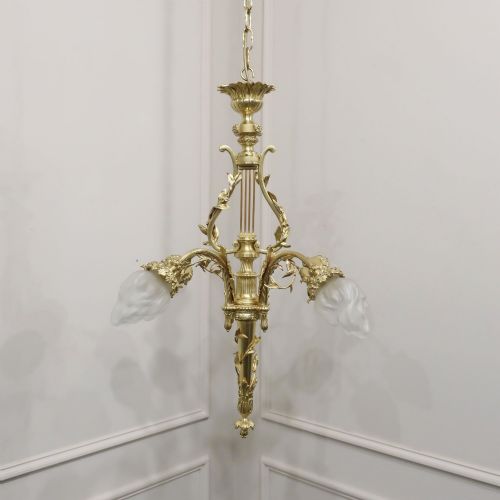
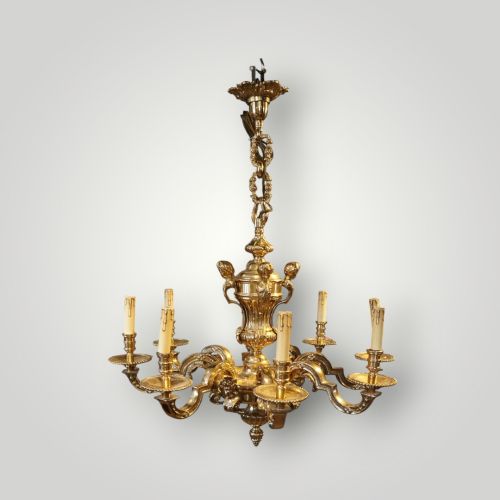
The selection on this page draws heavily on French Chateau, Rococo, Neoclassical and Empire styles, alongside Italian Florentine interpretations. Forms span from multi-arm brass and crystal fixtures to ornate gilt bronze lanterns adorned with winged cherubs or floral ceramic details.
How they were made
Maker workshops utilised metals such as brass, bronze, spelter and gilt metal as foundational armatures, applying gold leaf or gilding for a reflective surface finish. Structural components were cast, chased and assembled to support intricate arrangements of arms and decorative coronets.
Lighting assemblies incorporated transparent glass, etched glass, cut glass crystal spikes and coffin prisms to refract and amplify the light emitted by bulbs or candles. Additional elements such as porcelain flowers, toleware and carved giltwood were integrated to enrich the decorative scheme.
What varies in quality
The distinction between tiers of quality rests upon the precision of metal casting and the depth of hand-chasing on bronze and brass frames. Superior examples display crisp definition in floral motifs, cherubs and scrollwork rather than soft, industrial casting lines.
The grade of the hanging elements also defines the piece, where high-lead cut glass crystals and heavy etched glass panels offer superior light refraction compared to plain pressed glass. Structural integrity in the linkage of arms and lanterns ensures the heavy metal and crystal components remain secure.
The French Gilt Pendant Light Glossary
- Gilt Bronze
- An alloy of copper and zinc finished with a layer of gold leaf or mercury gilding. This technique provides a durable, luminous surface that resists tarnishing over decades.
- Hall Lantern
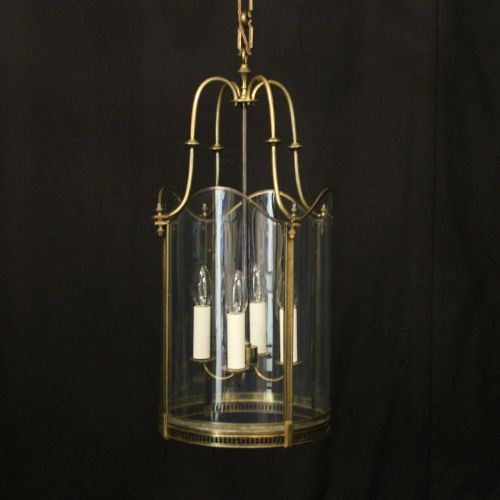
- A closed or semi-enclosed hanging light designed specifically for entryways and corridors. They often feature glass panels held within a metal frame.
- Tent and Waterfall Chandelier
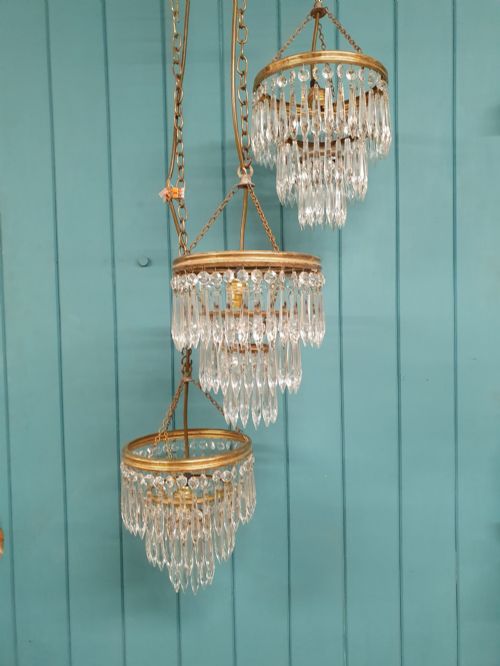
- A lighting configuration featuring strings of beads draped in a tent shape at the top, cascading down into a wider circle of arms. This design maximises crystal surface area for light dispersion.
- Spike Chandelier
- A fixture incorporating elongated, pointed crystal prisms arranged around the frame. These elements refract light in sharp, directional patterns.
- Toleware
- Painted sheet metal used to create decorative elements such as floral clusters and leaves. It introduces colourful painted details alongside gilded metalwork.
French Gilt Pendant Light: Frequently Asked Questions
Where were these lights hung?
These fixtures were traditionally installed in principal reception rooms, dining spaces and high-ceilinged entrance halls. Grand multi-arm chandeliers suited larger entertaining spaces, while lantern forms provided focused illumination in narrow corridors.
Domestic architecture of the nineteenth and early twentieth centuries relied on these hanging heights to distribute ambient light evenly across formal interiors.
How do I identify a French Empire style fixture?
Empire style pieces draw on classical Roman and Greek motifs, often featuring symmetrical arrangements, laurel wreaths, and tent-and-waterfall crystal formations. The metalwork tends to display structured geometric lines combined with rich gilding.
These designs emerged during the early nineteenth century and prioritise architectural dignity over the asymmetrical curves typical of earlier Rococo work.
What is the difference between a lantern and a chandelier?
Chandeliers consist of an open framework of multiple arms radiating outwards to hold individual light sources, often dripping with crystal garlands. Lanterns are enclosed or semi-enclosed within a glass-sided metal cage designed to protect the flame or bulb from drafts.
Lanterns typically hang closer to the ceiling or within transitional spaces, whereas chandeliers function as central room centerpieces.
How do I care for antique gilt metal?
Dust these fixtures gently using a soft, dry ostrich feather duster or microfiber cloth to prevent accumulation on the delicate gilding and crystal prisms. Avoid harsh chemical cleaners or abrasive polishes that can strip the gold leaf or damage the underlying bronze and brass.
Professional restoration is recommended for rewiring or deep cleaning complex crystal structures to maintain structural safety.