




Tribal Woven Carpet
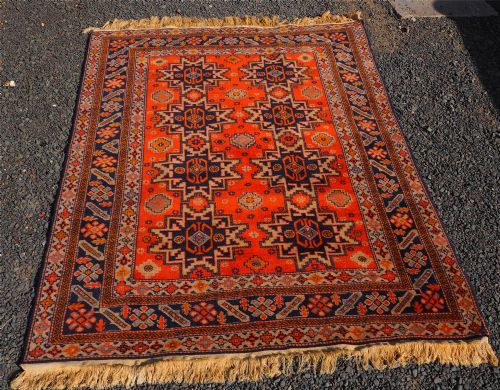
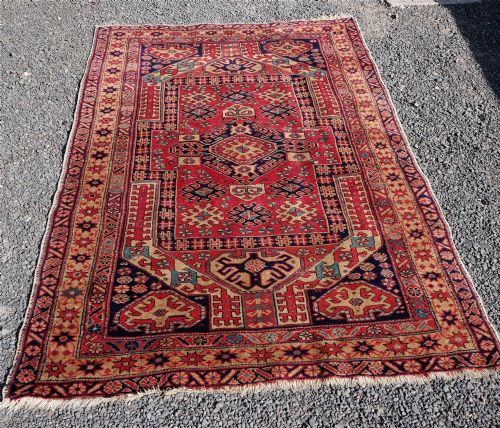
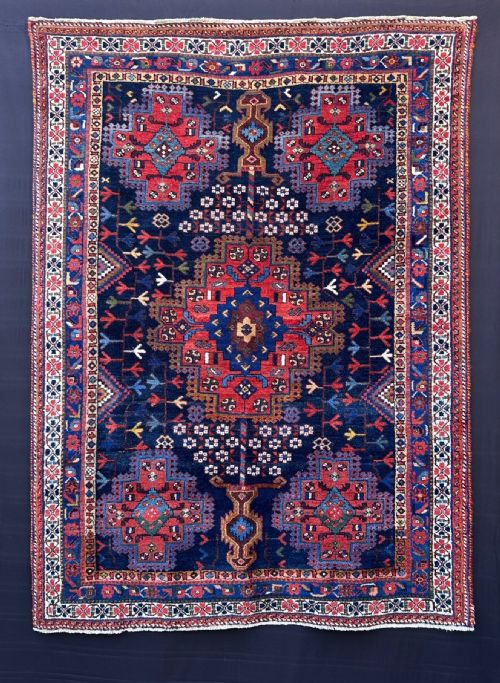
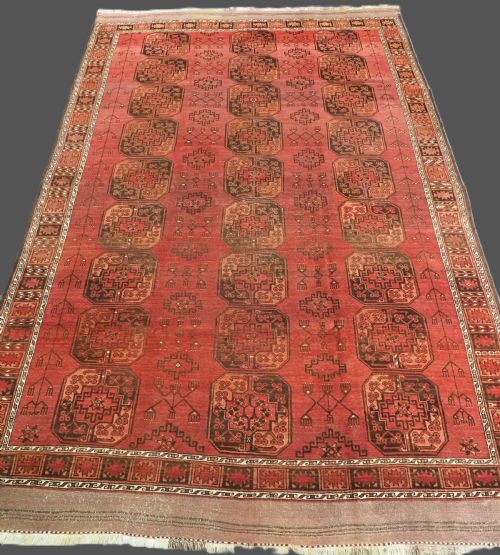
These tribal woven carpet examples bring the rich geometries of nomadic and village weaving directly into your rooms.
Tribal Woven Carpet
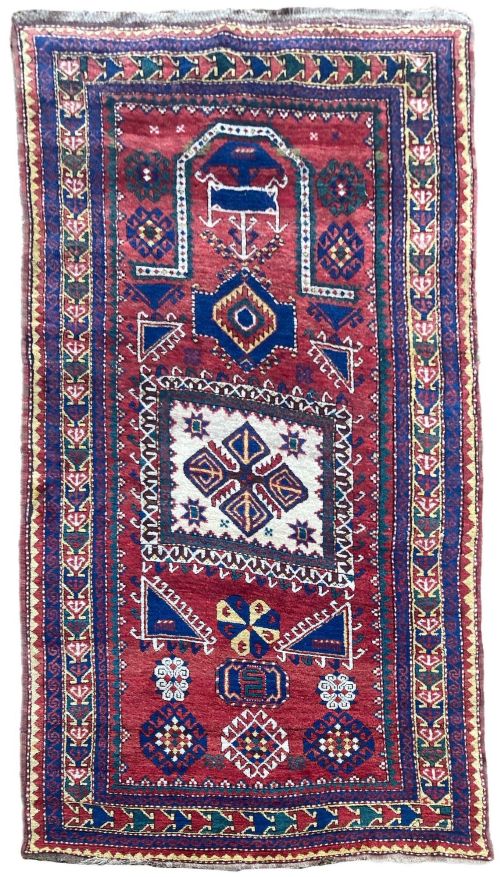
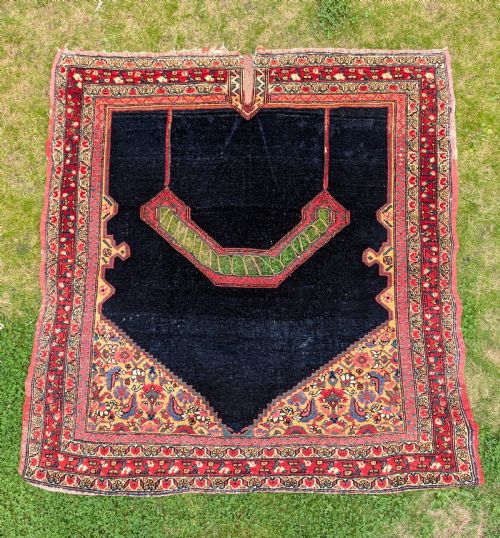
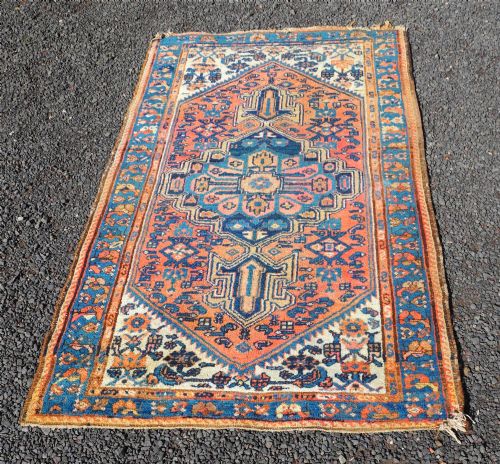
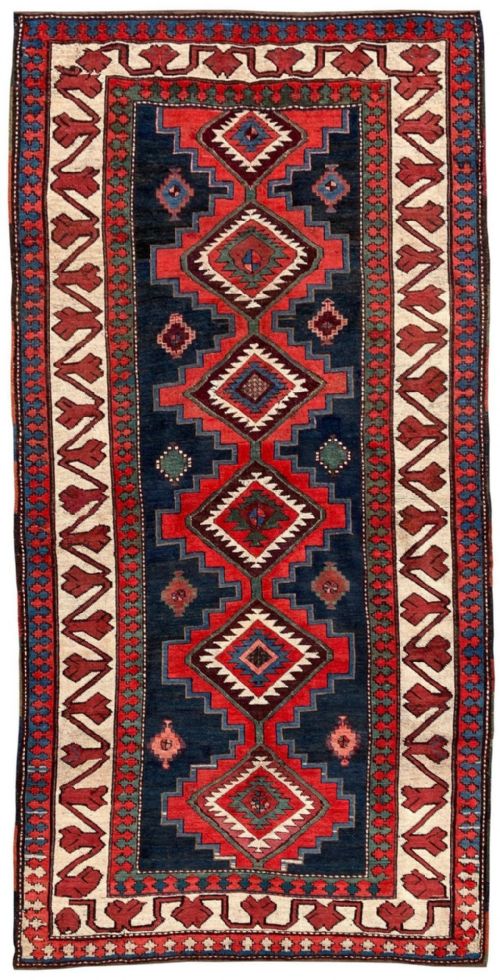
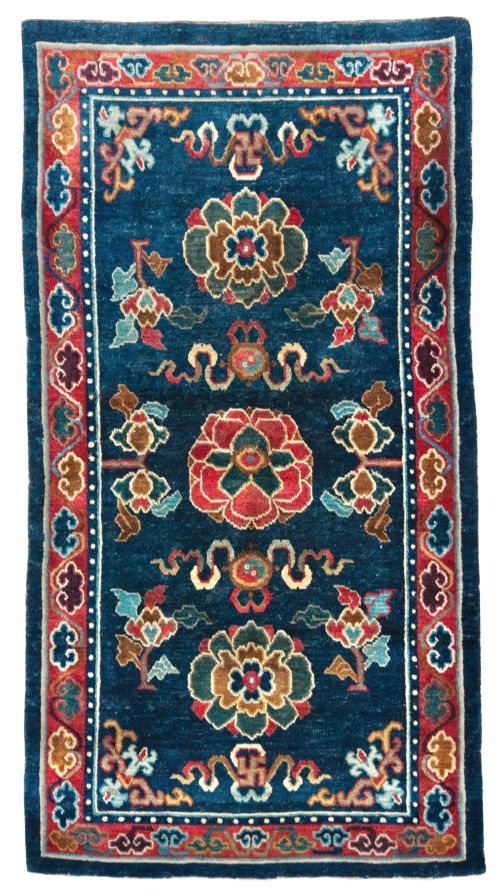
A tribal woven carpet represents the traditional textile output of nomadic and village weavers from regions including Persia, the Caucasus, Anatolia, and Turkmenistan. When exploring this selection, buyers frequently encounter formats ranging from full room-sized carpets down to runners, saddle covers, bags, and prayer rugs produced across the nineteenth and early twentieth centuries.
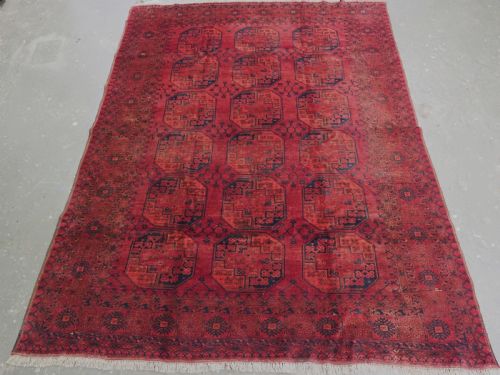
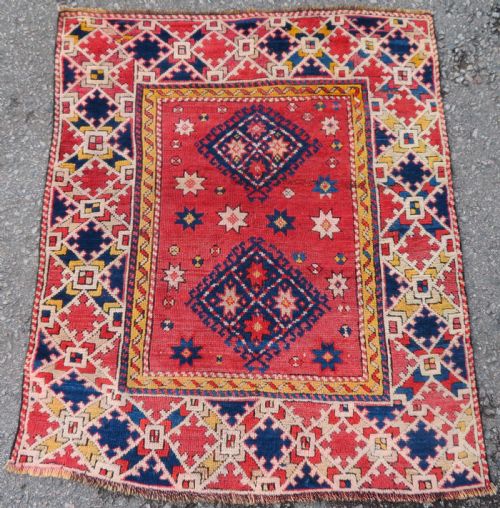
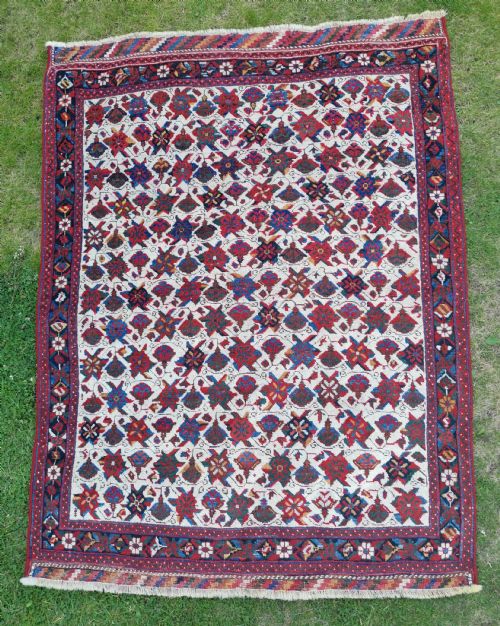
The aesthetic is defined by regional motifs, geometric medallions, and tribal patterns passed down through generations of weavers rather than dictated by urban workshops. Pieces originating from specific groups such as the Kazak, Afshar, Ersari, and Bakhtiar show distinct palettes and structural habits that link them to their specific geographic roots.
How they were made
Production relies heavily on natural materials, predominantly wool for the pile and cotton or wool for the foundations, manipulated by hand-spinning techniques that give each textile a tangible weight and resilience. Weavers utilised natural dyes derived from plants and minerals, creating deep reds, earthy browns, and mellow tones that soften gracefully over decades of exposure and use.
Construction methods vary between knotted pile weaves and flatweave kilims, where the pattern is built directly through the interweaving of warp and weft threads. Dense knotting secures the structural integrity of carpets designed originally for daily domestic life in tents or village houses.
Listings feature wool and cotton materials shaped into rugs, runners, and saddle bags spanning the nineteenth and early twentieth centuries.
What varies in quality
The distinction between ordinary and exceptional examples rests in the handling of colour and the precision of the tribal design. Rich, saturated natural dyes and complex, well-balanced geometric compositions indicate a weaver with a sure eye and mastery of their materials.
Structural integrity also dictates worth, where even knotting density and secure selvages preserve the integrity of the textile. Age brings natural wear, but the overall harmony of the surviving pattern determines the standing of an individual piece within its type.
The Tribal Woven Carpet Glossary
- Pile
- The vertical tufts of wool that form the plush surface of a knotted rug. This layer takes the brunt of foot traffic and shows the dyed pattern.
- Warp
- The stationary longitudinal threads stretched tightly on the loom before weaving begins. These form the foundational skeleton of the textile.
- Weft
- The horizontal threads passed across the warp strands to lock the knots or flatweave rows in place. Together with the warp, they create the foundational grid.
- Kilim
- A flatweave textile produced without a pile by tightly interweaving warp and weft threads. These are lightweight and traditionally used as floor coverings or covers.
- Medallion
- A central ornamental motif dominating the field of a carpet. It often anchors the geometric symmetry characteristic of village and nomadic weaving.
Tribal Woven Carpet: Frequently Asked Questions
What is a tribal woven carpet?
A tribal woven carpet is a hand-knotted or flatwoven textile made by nomadic or village populations for practical daily use, shelter, or transport.
These pieces feature traditional motifs and regional patterns unique to the weaving groups of Persia, the Caucasus, and Central Asia.
How do I care for my rug?
Gentle vacuuming without a rotating brush helps remove embedded dust without damaging the wool pile or fragile antique foundations.
Keep the textile out of direct, harsh sunlight to protect the natural dyes from fading unevenly over the years.
Where were these carpets made?
The pieces originate from tribal confederations, villages, and nomadic groups across regions such as the Caucasus, Anatolia, Persia, and Turkmenistan.
Specific areas like the Kazak region or the Kerman province yielded distinct styles that help identify their geographic roots.
How do I tell different tribes apart?
Distinguishing tribes relies on observing the specific colour palettes, border designs, and geometric emblem structures unique to each group.
For instance, Ersari carpets often display warm red tones, while Kazak pieces favour bold, primary geometric medallions.