



Tribal Wool Rug Panel
When choosing a tribal wool rug panel, you select an authentic fragment of nomadic heritage intended for domestic display.
Tribal Wool Rug Panel
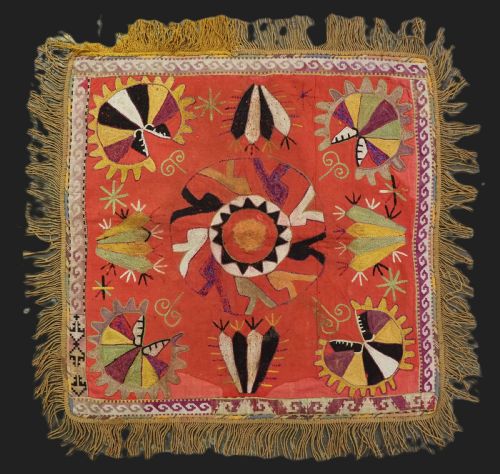
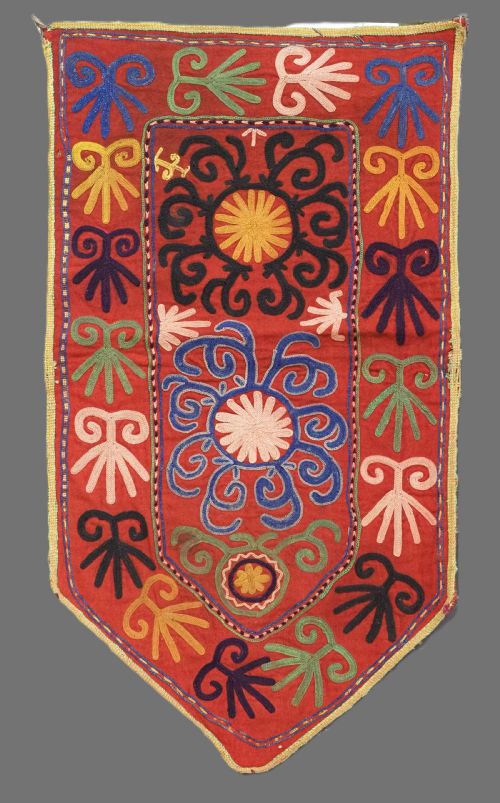
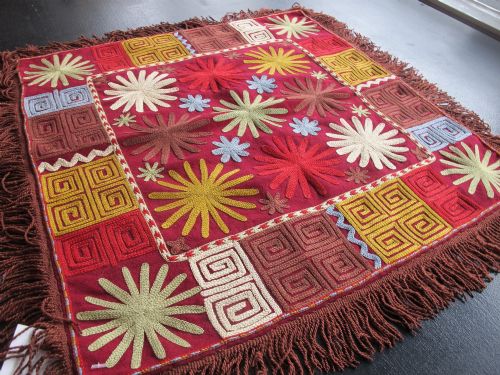
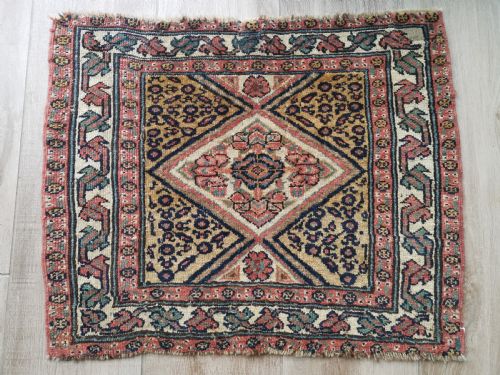
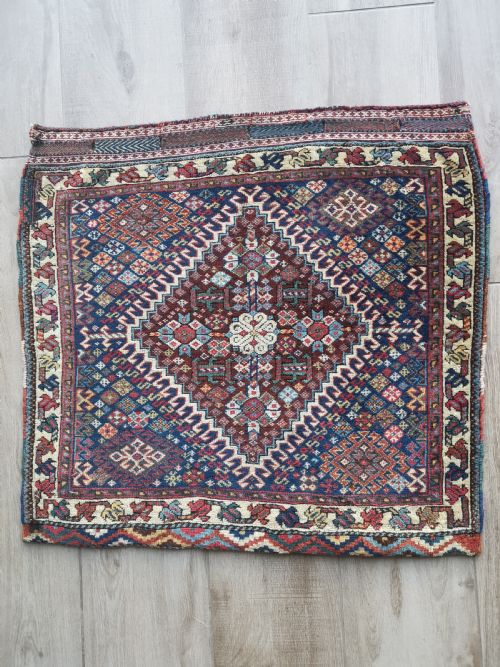
A tribal wool rug panel represents functional woven or embroidered items originating from nomadic and village cultures across Central Asia and Persia. These fragments typically derive from larger utilitarian objects such as storage bags, saddle covers, tent hangings, and dowry pieces.
Buyers encountering this selection regularly find examples attributed to Turkmen tribes, Uzbek groups, and Persian nomadic confederations dating from the nineteenth and early twentieth centuries. The pieces function primarily as wall hangings or decorative textiles rather than floor coverings.
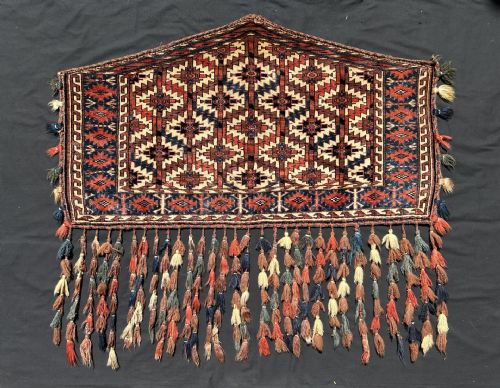
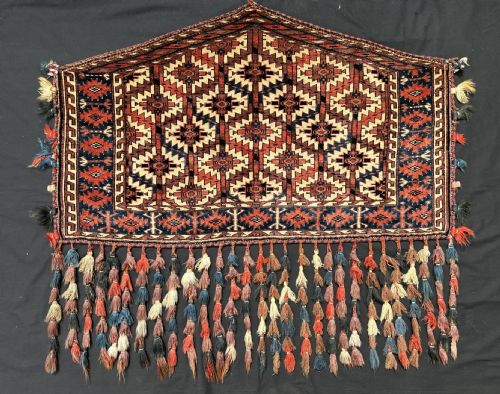
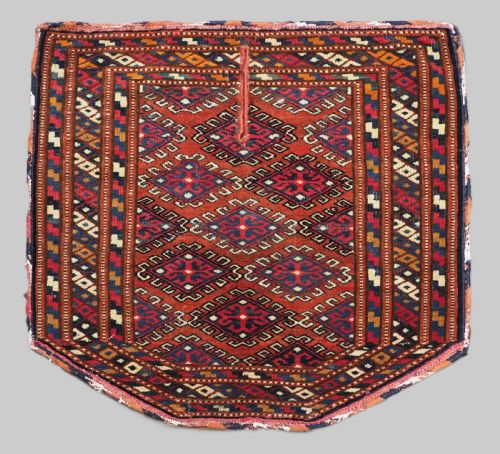
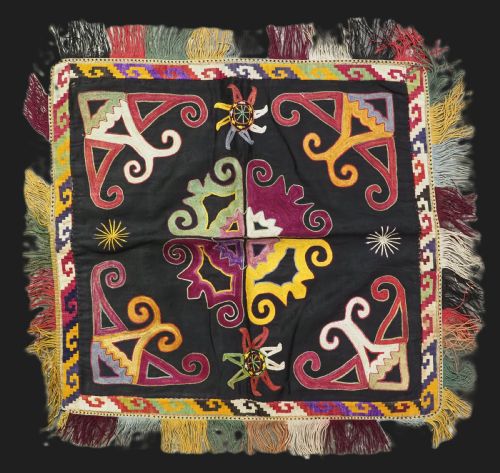
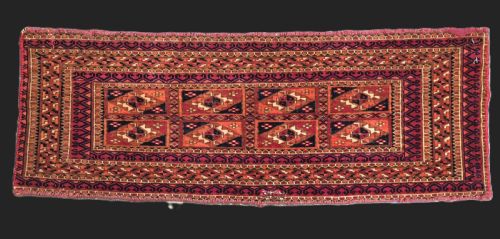
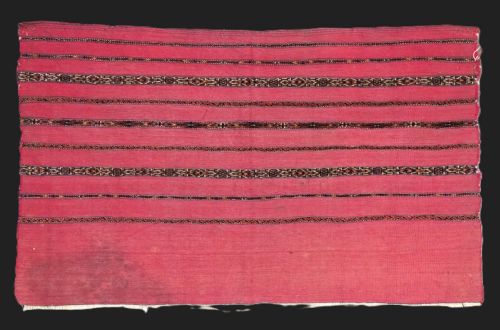
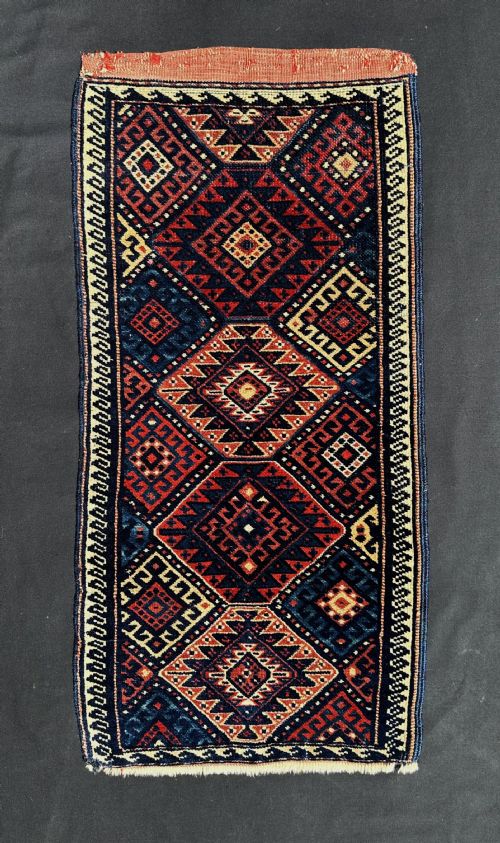
Forms include torba faces, asmalyks, and embroidered felt panels created by makers working within traditional regional designs. Each textile exhibits distinct tribal motifs handed down through generations of weavers.
How they were made
The construction relies predominantly on hand-spun wool and cotton foundations worked with natural dyes derived from local plants and minerals. Artisans combined pile weaving, flatweave techniques, and silk or wool embroidery to produce dense, durable surfaces.
Nomadic makers utilised local materials including felted wool and leather reinforcements to withstand rigorous daily use within portable dwellings. The application of vegetable colourants yielded deep madder reds, indigos, and yellows that soften gradually over time.
Camels wore finer textiles than their owners.
What varies in quality
Quality depends upon the precision of the weave, the clarity of the tribal motifs, and the richness of the natural dye palette. Finer knotting and tightly packed structures distinguish superior examples produced for internal tribal use.
The integrity of the remaining textile structure and the survival of original borders or fringes influence the overall character of each panel. Untouched surfaces retaining vibrant, unblemished colour combinations stand apart from heavily restored specimens.
The Tribal Wool Rug Panel Glossary
- Torba
- A small storage bag produced by Turkmen tribes, often displayed as a decorative wall hanging. These pieces typically display traditional gul designs.
- Asmalyk
- A large, pentagonal trapping hung on the flanks of a camel during Turkmen wedding processions. They represent some of the most elaborate weaving from the region.
- Chuval
- A large storage bag used within nomadic tents for household possessions. The face of the bag is frequently preserved as a panel.
- Gul
- A repeated primary medallion or octagonal motif used in Turkmen rug weaving. Each design often identifies a specific tribe or clan.
- Ilgich
- An embroidered dowry hanging produced by Uzbek Lakai groups. These textiles utilise vibrant silk thread on wool grounds.
Tribal Wool Rug Panel: Frequently Asked Questions
What is a tribal wool rug panel?
A tribal wool rug panel is a decorative fragment or face salvaged from a larger nomadic textile, such as a storage bag or tent hanging.
These pieces showcase traditional tribal weaving and embroidery methods developed by Central Asian and Persian nomads.
How were these panels used originally?
Nomadic communities utilised the original bags for household storage inside tents or as animal trappings during ceremonies.
Over time, worn or surplus items were separated into panels to preserve the decorative face for display.
How do I hang a textile panel?
Textile panels are commonly mounted by attaching a fabric sleeve to the reverse and sliding a flat wooden batten or metal rod through it.
This method distributes the weight evenly across the top edge without damaging the historical wool structure.
How can I tell which tribe made a panel?
Attribution relies on identifying specific geometric motifs, such as guls, and recognising regional colour palettes unique to groups like the Yomut or Tekke.
Structural details and embroidery styles also point toward specific geographic origins in Central Asia or Persia.