


Tribal Wool Hall Carpet
These long woven floor coverings bring distinct pattern and warmth to corridors, bridging traditional craftsmanship and narrow spaces.
Tribal Wool Hall Carpet
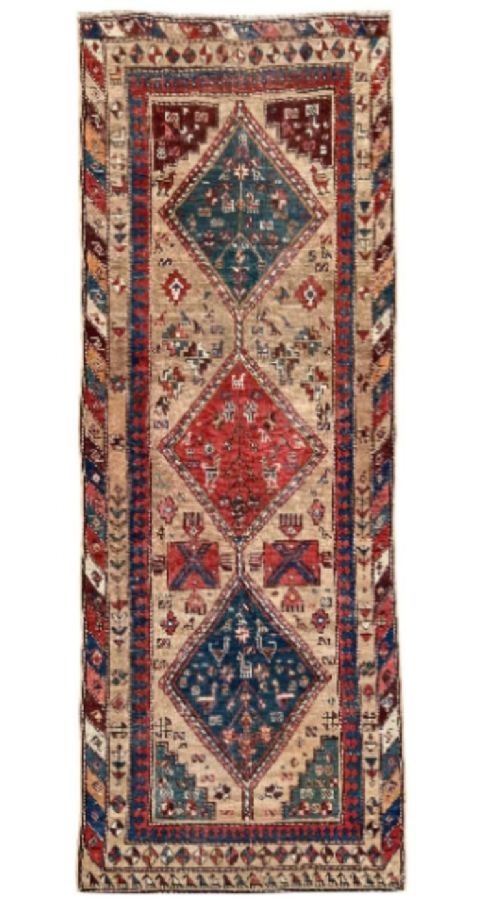
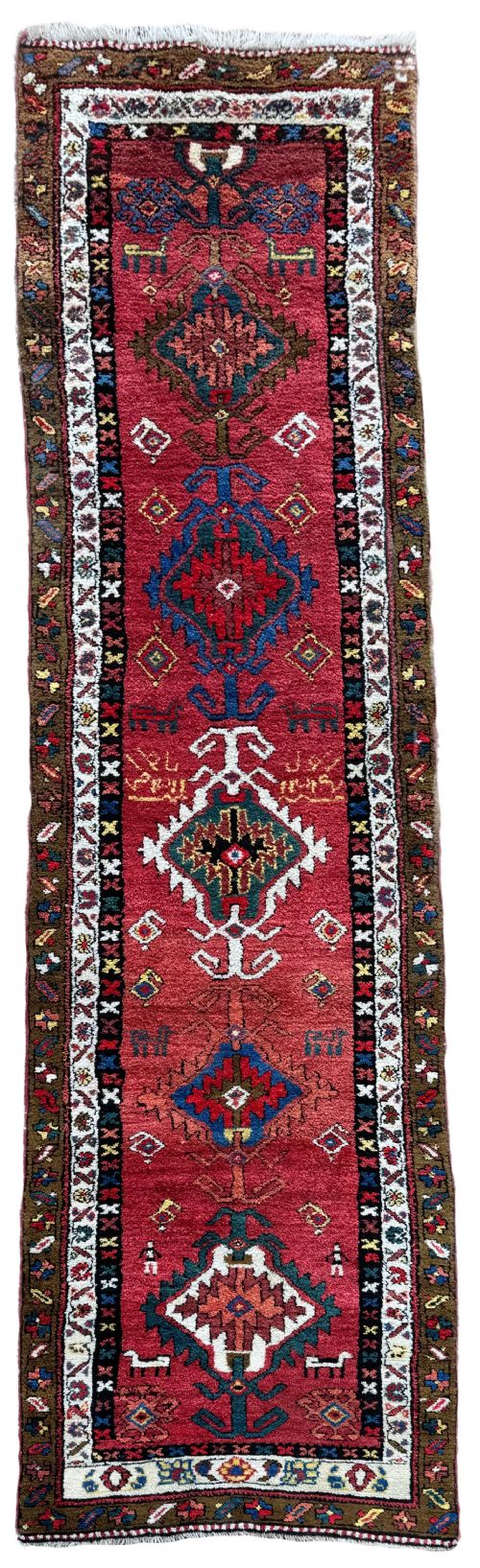
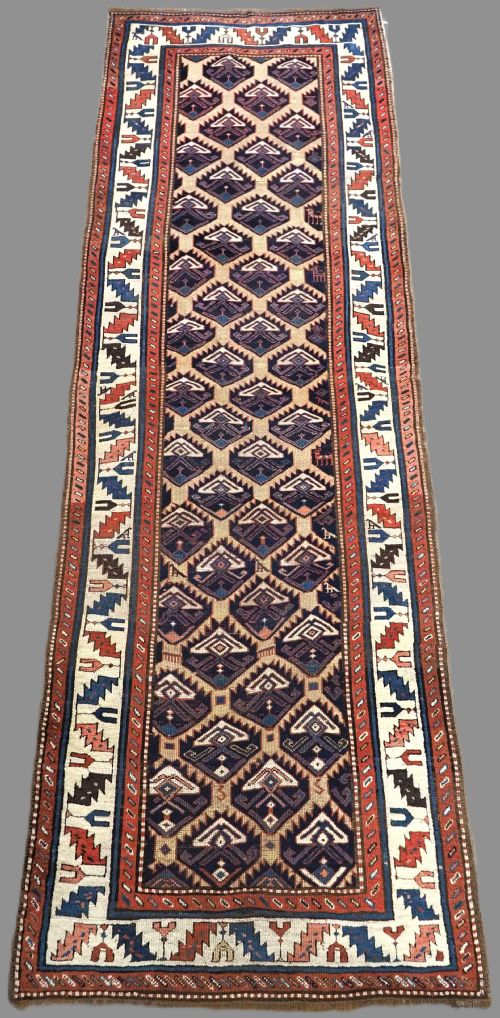
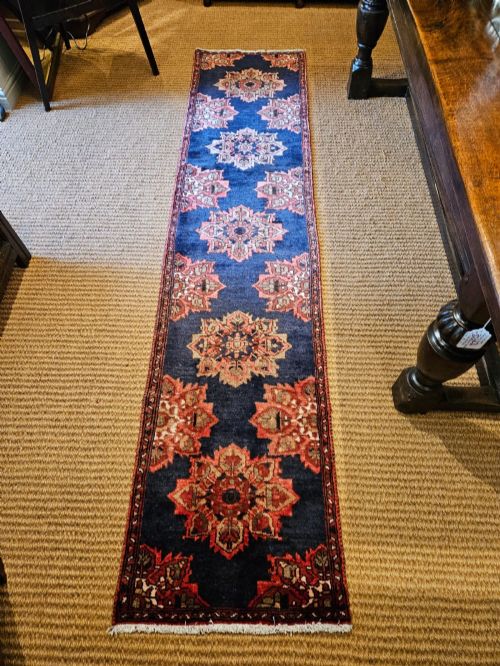
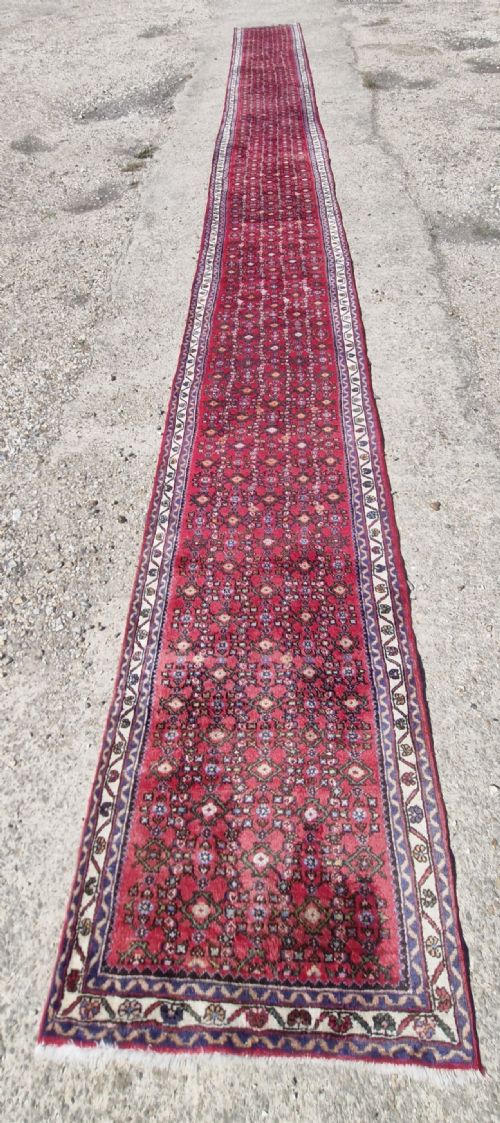
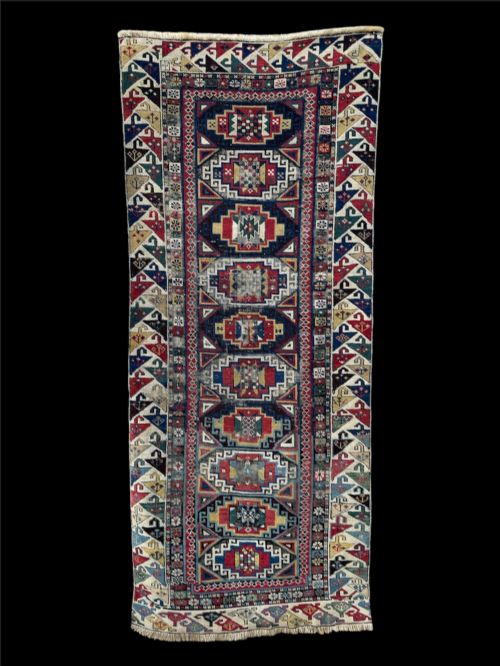
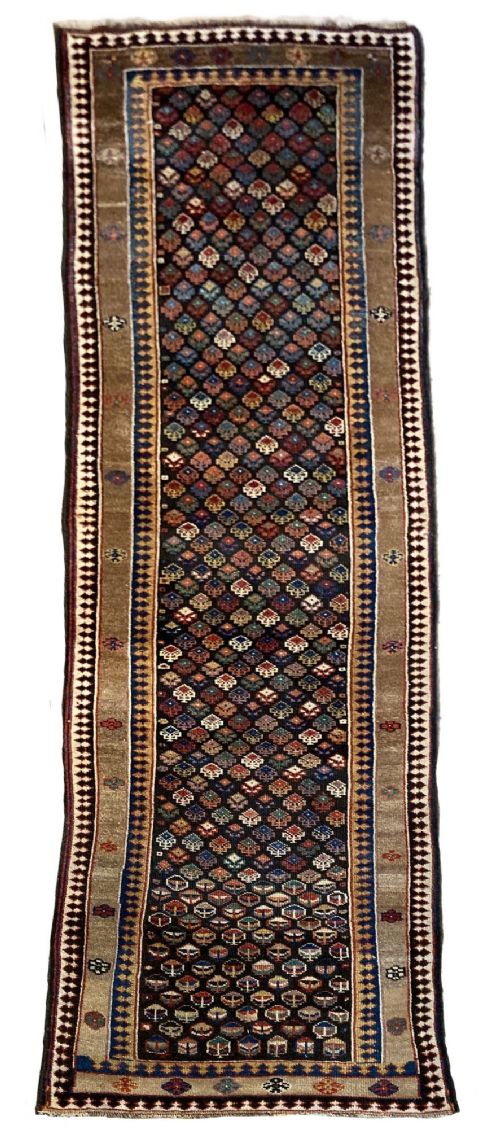
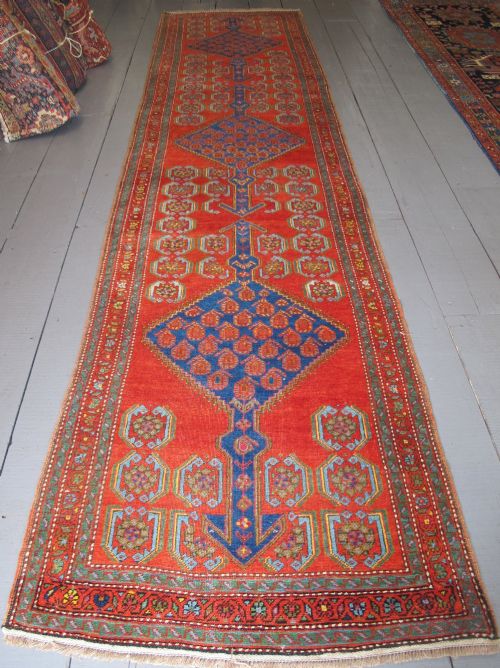
A tribal wool hall carpet provides long, narrow formatting designed specifically for corridors, landings, and hallways. When searching for a tribal wool hall carpet, buyers encounter elongated rugs featuring traditional geometric patterns, repeating motifs, and tribal village weaving styles.
The selections span various regional types originating from Persian, Caucasian, and Anatolian workshops. Pieces frequently appear as runner rugs, corridor rugs, or long narrow carpets dating from the nineteenth and early twentieth centuries.
Makers utilised traditional formats suited for transit spaces, resulting in surviving examples that retain durable wool construction. These carpets range from modest lengths to exceptional spans exceeding thirty feet.
What varies in quality
Quality depends upon the fineness of the hand-spun wool and the tightness of the knotting across the foundation. Denser knot structures maintain structural integrity under heavy hallway foot traffic.
Consistency in natural dye saturation and clarity of geometric patterns distinguish finer weaving traditions from standard utilitarian productions. The precision of design execution in regional motifs like boteh or lattice work indicates the weaver's skill.
Listings feature wool, cotton, natural dyes, and camel hair across regional styles from Persian Heriz, Kurdish, and Caucasian traditions.
The Tribal Wool Hall Carpet Glossary
- Runner
- A long, narrow carpet format designed primarily for hallways, corridors, and staircases. These pieces measure significantly longer than they are wide.
- Boteh
- A traditional teardrop or almond-shaped motif with a curved upper end, frequently repeated across regional pile carpets. This pattern appears widely in Caucasian and Persian weaving traditions.
- Natural Dyes
- Colourants derived from plant, insect, or mineral sources utilised before the widespread introduction of synthetic alternatives. They impart nuanced, shifting tones to the wool pile over time.
- Hand-Spun Wool
- Wool yarn processed manually on a drop spindle or spinning wheel rather than by industrial machinery. This method creates variable yarn thickness and texture, contributing to the tactile quality of antique rugs.
- Lattice Design
- A repeating grid network enclosing geometric ornaments or floral motifs across the field of the carpet. This structured layout guides the viewer's eye along the length of a narrow runner.
Tribal Wool Hall Carpet: Frequently Asked Questions
Where do these long hall carpets work best?
These narrow formats suit hallways, corridors, and long landings where standard rectangular rugs do not fit. Their elongated dimensions guide foot traffic and add visual warmth to transitional spaces.
Positioning a long runner in a narrow entryway protects underlying flooring while establishing a strong decorative focal point. The repeating geometric patterns help visually shorten overly long corridors.
How do I identify different regional styles?
Regional styles appear through distinct colour palettes, border arrangements, and motif structures such as the teardrop boteh or geometric lattice. Persian, Caucasian, and Anatolian pieces each employ characteristic colour combinations and drawing styles.
Examining the weave density and edge finishes provides further clues to the specific origin, whether from Kurdish, Heriz, or Shirvan weaving traditions.
Are these runners durable enough for daily use?
Hand-spun wool pile combined with sturdy cotton or wool foundations provides natural resilience against heavy foot traffic. The dense material construction handles hallway wear effectively when paired with an appropriate underlay.
Regular rotation and gentle cleaning ensure these historic textiles maintain their structural integrity in active home environments.
What periods do these pieces date from?
The available pieces date primarily from the nineteenth century through the early decades of the twentieth century. This era encompasses traditional hand-weaving practices executed before modern industrial production methods became widespread.
Examples span from Victorian-era import periods up to mid-century tribal village output.