




Tribal Wooden Artifacts
These tribal wooden artefacts are historic functional objects and sculptures, offering authentic cultural presence and tactile connection to diverse global traditions.
Tribal Wooden Artifacts
When you search for tribal wooden artefacts, you encounter an array of historical material culture spanning utilitarian items, ceremonial regalia, and figurative sculpture. The selection here predominantly comprises pieces originating from the nineteenth century, reflecting global traditions across Africa, Oceania, and Indigenous Australia.
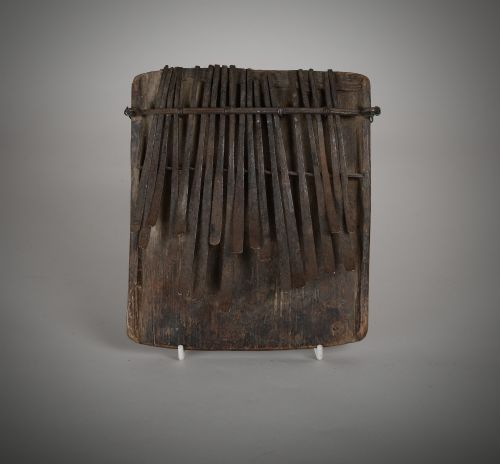
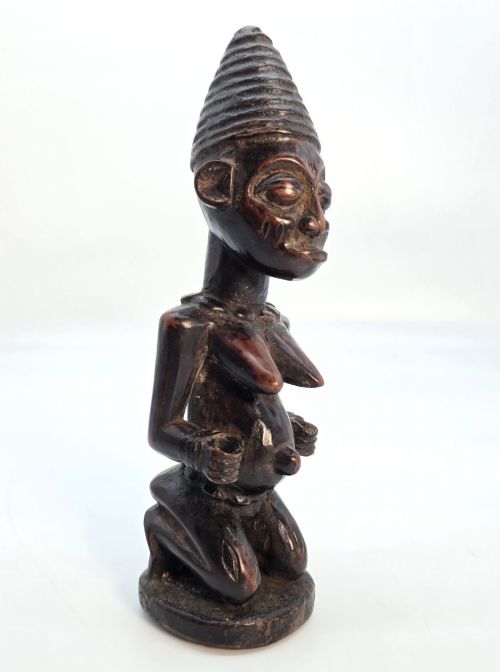
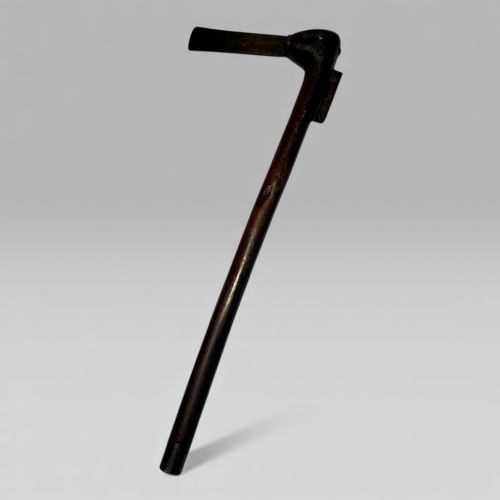
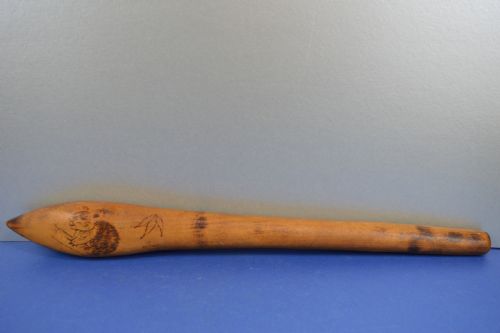
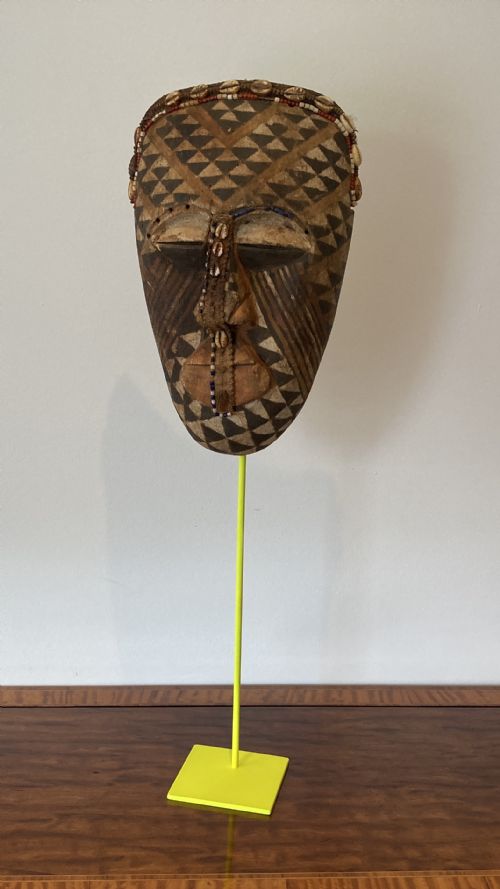
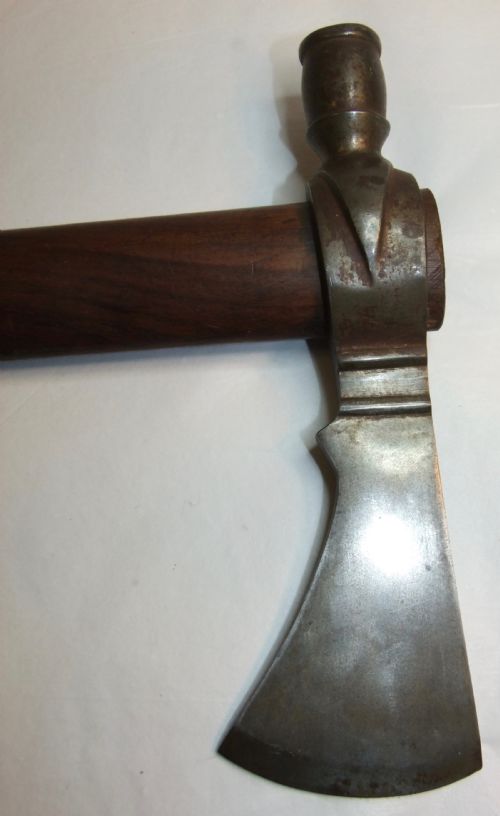
Buyers frequently find functional objects transformed by cultural use, such as throwing clubs, war clubs, woomeras, and musical instruments like thumb pianos. Alongside these utility pieces, ritual items such as dance masks, fertility figures, and ceremonial axes form a substantial portion of the objects available.
Geographic diversity remains a defining characteristic of this category, encompassing items from the Zulu and Baule traditions, New Caledonian Kanak pieces, and Himalayan folk art. These items represent discrete cultural practices rather than a single unified aesthetic, making each object a specific historical document.
Materials and Techniques
Maker communities relied predominantly on indigenous hardwood and general wood stocks, shaping these dense materials with iron tools to achieve durable functional forms and detailed figurative carvings. The physical resilience of these woods allowed objects like throwing clubs and paddles to withstand practical use in conflict or daily labour.
Surfaces frequently show the addition of pigment, natural resin, and plant fibre to enhance ritual or aesthetic functions on masks, headdresses, and figures. Extended handling and environmental exposure over decades have produced deep surface patinas across many items, recording their age and history of use.
Materials documented across the inventory include hardwood, iron, pigment, plant fibre, and natural resin.
Assessing Quality
Quality rests primarily on the integrity of the carving and the depth of the surface patina accumulated through genuine cultural use. Pieces that retain their original form without extensive structural intervention display the direct skill of the maker.
The sophistication of regional form distinguishes standard utility items from masterworks of ritual sculpture. Proportions in figurative works and the crispness of geometric incisions on clubs indicate the maker's mastery within their specific tradition.
The Tribal Wooden Artifacts Glossary
- Patina
- The surface sheen and coloration developed through handling, ageing, and exposure to elements over long periods. This textural layer provides vital evidence of an object's history.
- Woomera
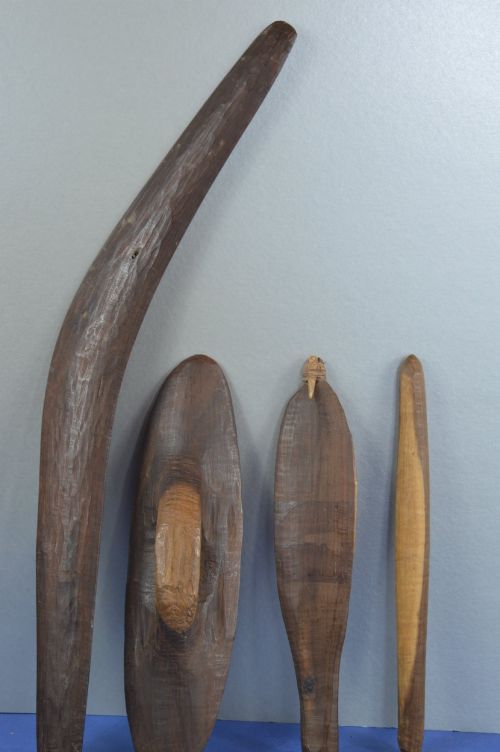
- An Australian Aboriginal spear-throwing device designed to increase the leverage and velocity of a thrown spear. These wooden implements often double as carrying vessels or display fine surface carving.
- Knobkerrie
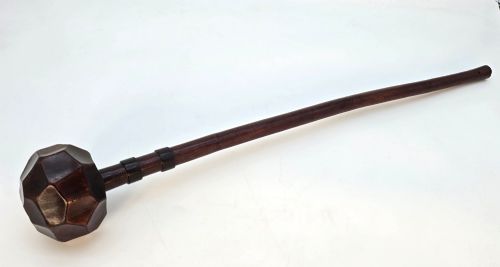
- A traditional African club featuring a heavy bulbous head mounted on a wooden shaft. These were utilised for hunting, warfare, and as status symbols.
- Récade
- A ceremonial axe associated with the royal court of Dahomey in West Africa. These objects served as symbols of royal authority and messenger credentials.
- Plant Fibre
- Vegetative material utilised for binding, suspension, or decorative elements on masks and implements. Its presence often indicates the original method of assembly or wear.
Tribal Wooden Artifacts: Frequently Asked Questions
How do I care for tribal wooden artifacts?
Keep wooden objects away from direct sunlight and dramatic fluctuations in relative humidity to prevent cracking or warping. Dust gently with a dry, soft cloth and avoid applying modern polishes or oils to historic patinas.
Stable indoor environments help preserve the structural integrity of dense hardwoods and delicate surface attachments like plant fibres and pigments. Professional conservation advice should be sought before attempting any structural repairs.
What is the difference between a war club and a throwing club?
War clubs are typically heavier, close-quarters combat implements designed for striking an opponent directly during engagement. Examples include the Fijian Vunikau or New Caledonian war clubs found in nineteenth-century collections.
Throwing clubs, such as the Australian Aboriginal nulla-nulla or Zulu knobkerrie, are balanced for kinetic flight towards a target at a distance. Their weights and shaft lengths reflect this aerodynamic purpose rather than hand-to-hand combat requirements.
Are these objects authentic?
Authenticity in these pieces is determined by consistent wear patterns, traditional tool marks, appropriate material selection, and historical provenance matching known cultural styles. Nineteenth-century objects exhibit the specific oxidation and handling marks expected from active use.
Evaluating the wood density, pigment adhesion, and construction techniques helps distinguish authentic ethnographic material from later reproductions. Specialist dealer descriptions document these physical characteristics to support attribution.
Why do some pieces feature pigment and others do not?
Pigments were applied to ceremonial objects such as masks, headdresses, and sculptures to impart symbolic meaning or spiritual power during rituals. The presence of natural pigments often correlates with the sacred or public performance function of the piece.
Utilitarian items like paddles, bowls, and clubs more commonly relied on the natural grain and polished finish of indigenous hardwoods. Loss of pigment over time is a natural result of age and handling rather than an intentional design choice.