





Tribal West Persian Carpet
When you search for a tribal west persian carpet, you enter a world of village woolwork woven by distinct regional confederacies.
Tribal West Persian Carpet
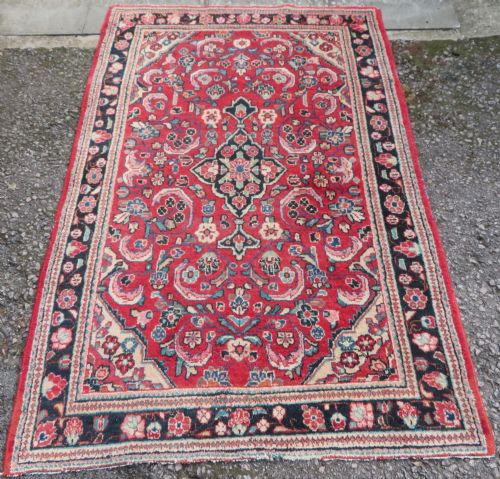
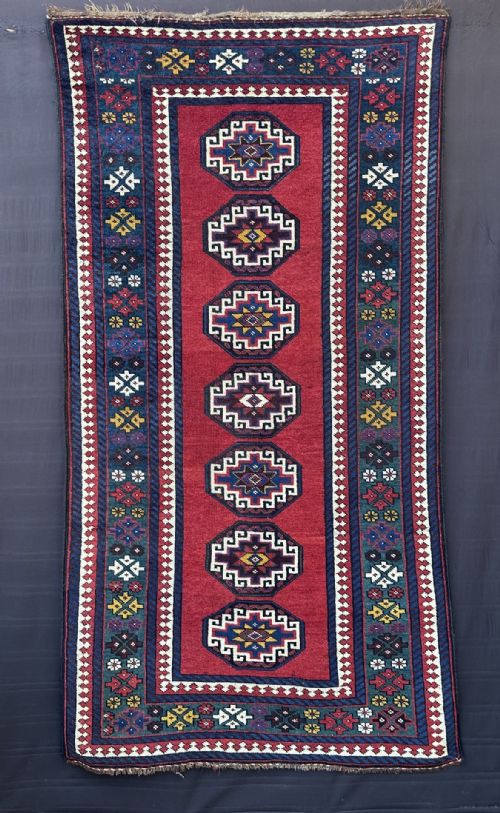
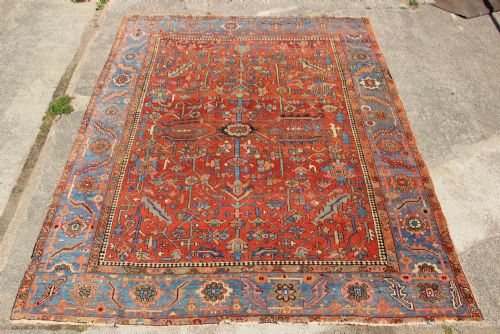
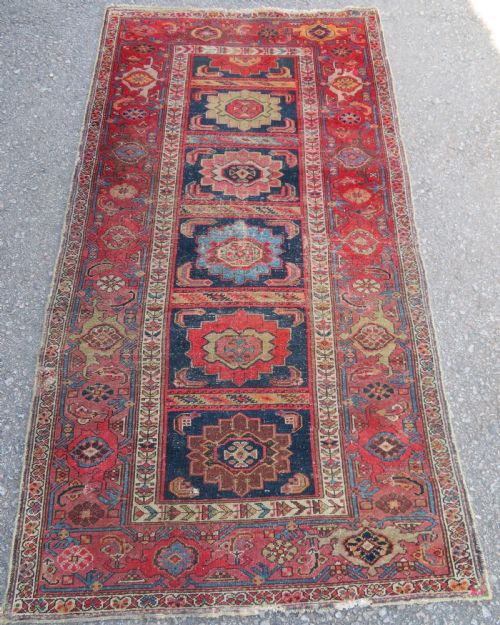
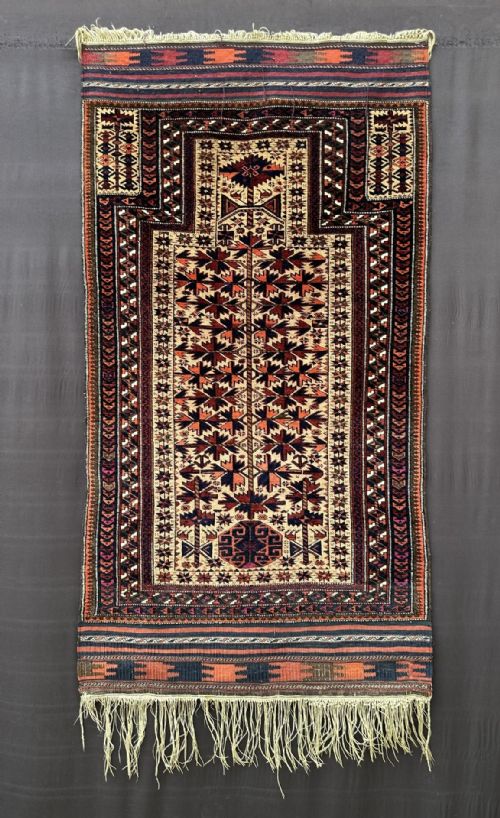
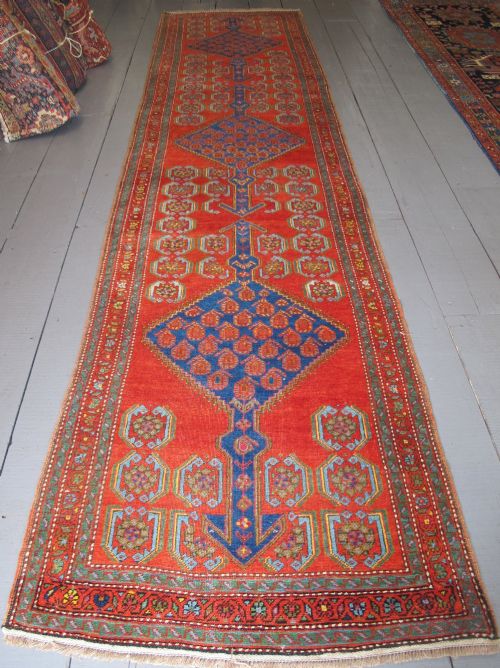
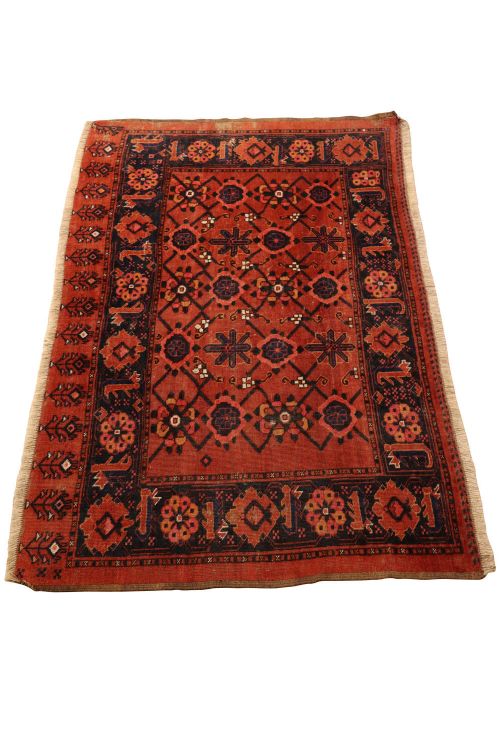
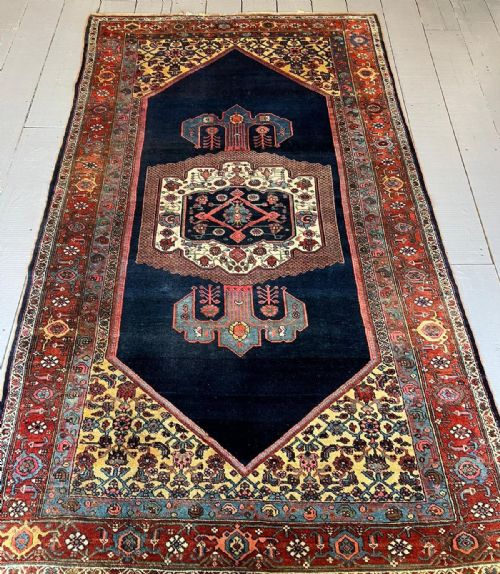
A tribal west persian carpet encompasses hand-knotted floor coverings created by village weavers and nomadic groups across the region. The examples seen on this page range from compact village rugs to long corridor runners and expansive tribal carpets.
Most pieces date from the nineteenth and early twentieth centuries, spanning periods from the 1870s through to the 1930s. Regional attribution connects them to specific groups such as the Khamseh, Kurdish tribes, Bakhtiari, and Qashqai weavers.
Forms vary from wide area rugs and prayer formats to narrow hallway runners and saddle bag faces. These textiles served practical household functions in nomadic camps and village homes before reaching the antique market.
How They Were Made
The foundation relies on hand-knotted wool and cotton, utilising sturdy warps and wefts to build a dense textile structure. Artisans tied the knots by hand, embedding the soft wool pile firmly into the supporting grid.
Natural dyes provide the characteristic palette across these village and tribal pieces, derived from regional plant and mineral sources. Camel hair also appears un-dyed in various fields and borders, adding a subtle natural tone to the composition.
Listings feature wool, cotton, and camel hair materials formed into rugs, runners, and large carpets spanning the nineteenth and early twentieth centuries.
What Varies in Quality
Knot density and handling of the material determine the structural refinement of a weave, separating everyday utility work from finer tribal expressions. A tighter, more deliberate knotting style yields a crisper graphic rendering of traditional geometric motifs and border patterns.
The depth and variation of natural dye lots influence the visual richness of the surface across different pieces. Well-preserved wool pile and balanced colour saturation elevate an example above heavily worn or flat counterparts.
Waring and Gillow
The Tribal West Persian Carpet Glossary
- Kelleh
- A large rectangular format traditionally used as a long room rug in Persian households. These formats offer elongated proportions distinct from standard square carpets.
- Boteh
- A recurring teardrop or almond-shaped motif representing a stylized floral spray or cypress tree. This pattern appears frequently across village and tribal carpets.
- Medallion
- A central ornamental design element placed in the middle of the carpet field. It serves as the focal point for the surrounding geometric or floral layout.
- Runner
- An elongated narrow carpet format designed specifically for hallways and corridors. Their proportions accommodate restricted architectural spaces.
- Camel hair
- Un-dyed fleece taken from camels, utilised in its natural golden-brown shade for fields and outlines. It lends a soft, earthy texture to the weave.
Tribal West Persian Carpet: Frequently Asked Questions
How do I identify a tribal west persian carpet?
Look for characteristic geometric motifs, tribal symbols, and regional colour palettes rooted in nineteenth-century village weaving traditions. Structural markers such as hand-knotted wool on a cotton or wool foundation help confirm the origin.
Examining the border designs and the specific tribe or village associated with the piece provides further confirmation. Many examples feature repeating tribal patterns linked to confederacies like the Khamseh or Bakhtiari.
Where were these carpets originally used?
Nomadic tribes and village communities used these textiles daily as floor coverings, tent furnishings, and sleeping rugs. Their robust construction suited practical domestic life.
Narrow runners served corridors, while larger formats anchored main living spaces in village homes. Their durable wool pile withstood heavy foot traffic over generations.
How should I care for an antique wool rug?
Protect the textile by placing it in a low-moisture area away from direct, harsh sunlight to preserve the natural dyes. Gentle vacuuming without a rotating brush roll keeps the wool pile clean.
Professional antique rug cleaning is recommended for deep maintenance. Using a quality underlay prevents slipping and reduces wear on the foundation.
What is the difference between a village rug and a tribal rug?
Village rugs are typically produced in settled communities with established local workshops, featuring structured geometric or floral layouts. Tribal pieces originate from nomadic or semi-nomadic groups working from memory with more spontaneous tribal motifs.
Both categories share hand-knotted construction methods and natural dye usage. Regional attributions often help distinguish the specific group or valley of origin.