






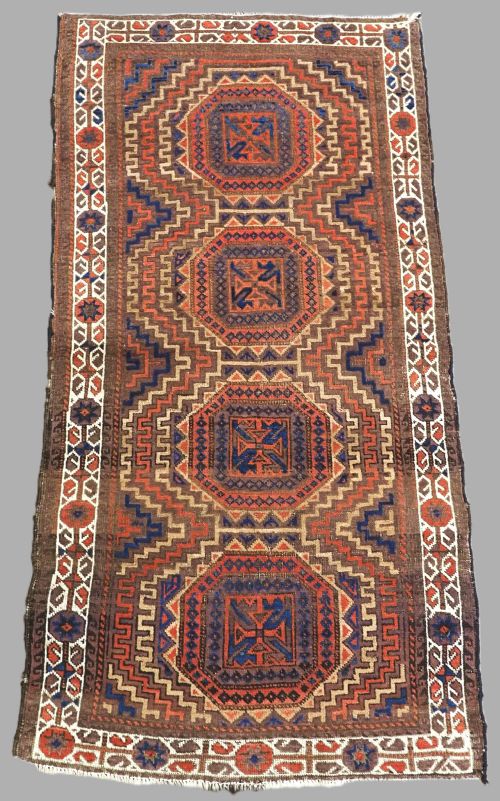
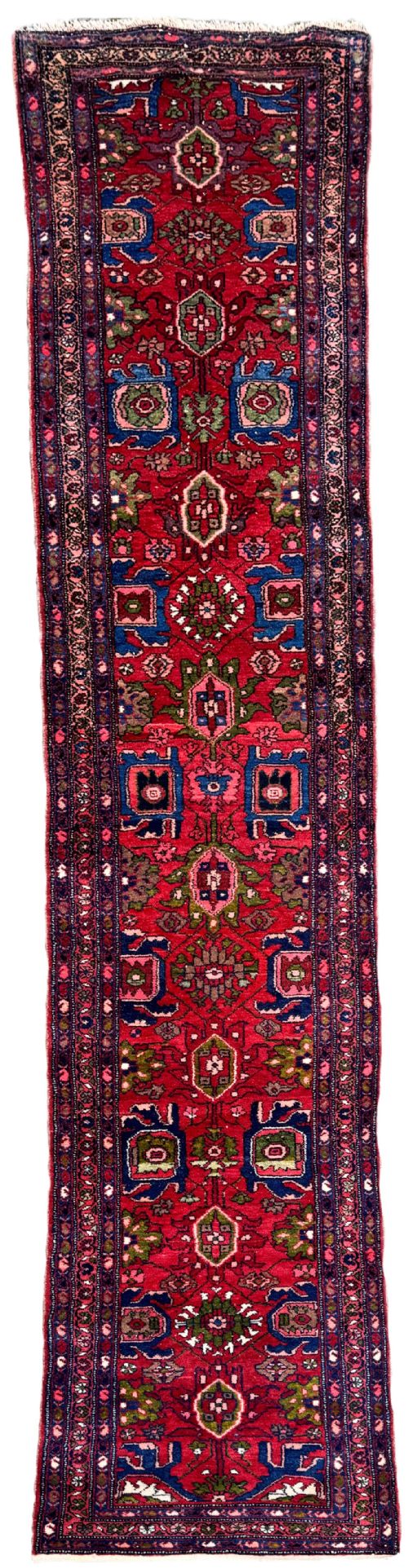
Tribal Geometric Runner Carpet
A tribal geometric runner carpet brings linear structure and deep cultural storytelling to long hallways, utilising traditional motifs passed down through generations.
Tribal Geometric Runner Carpet
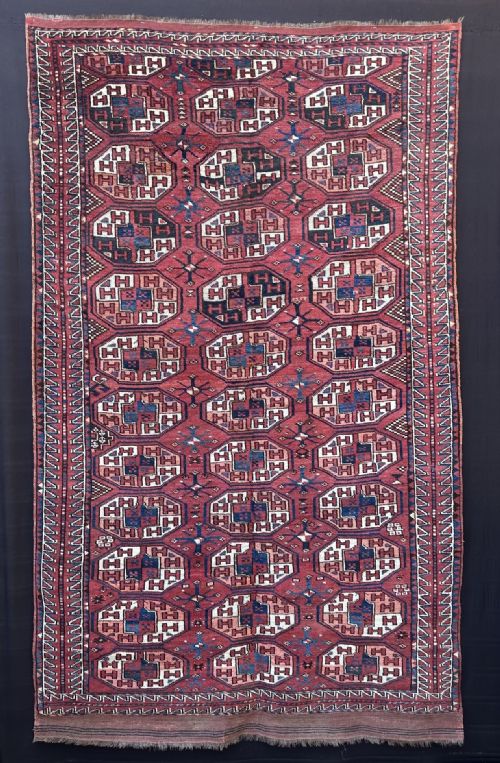
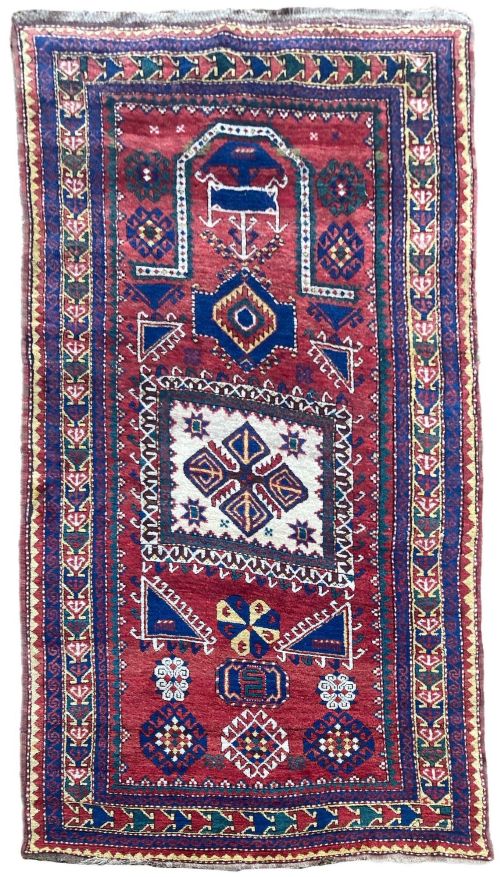
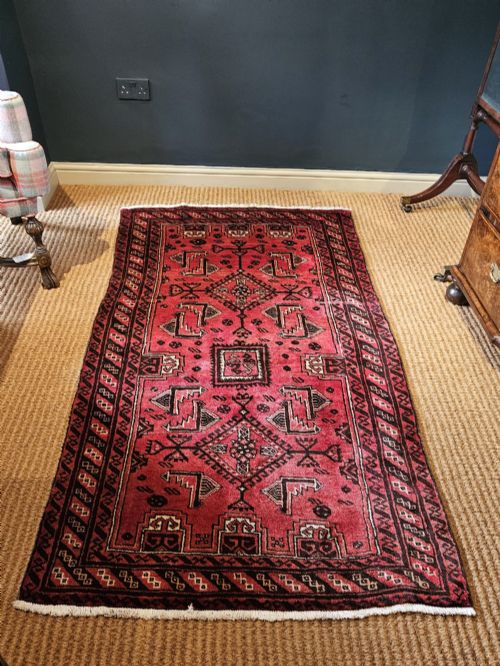
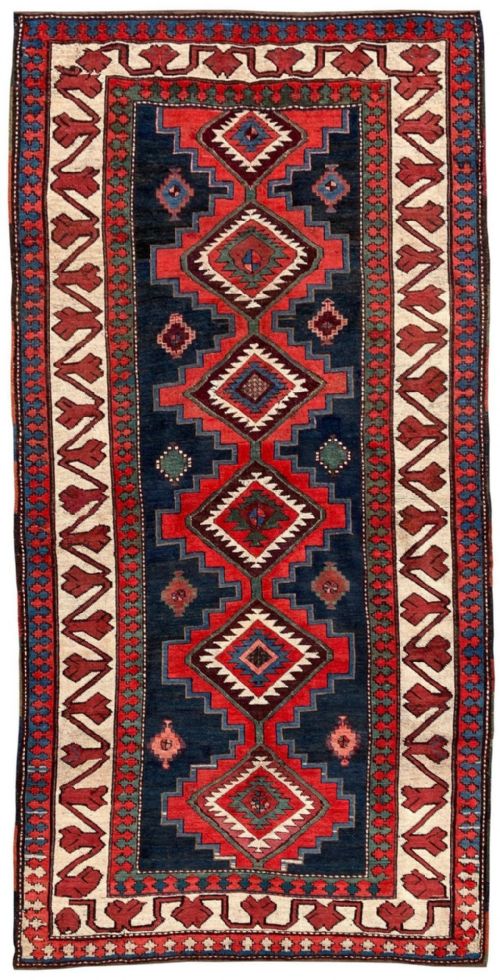
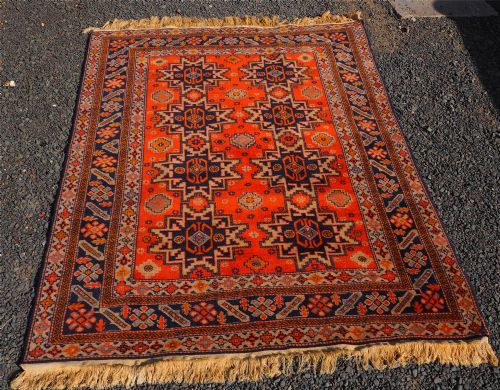
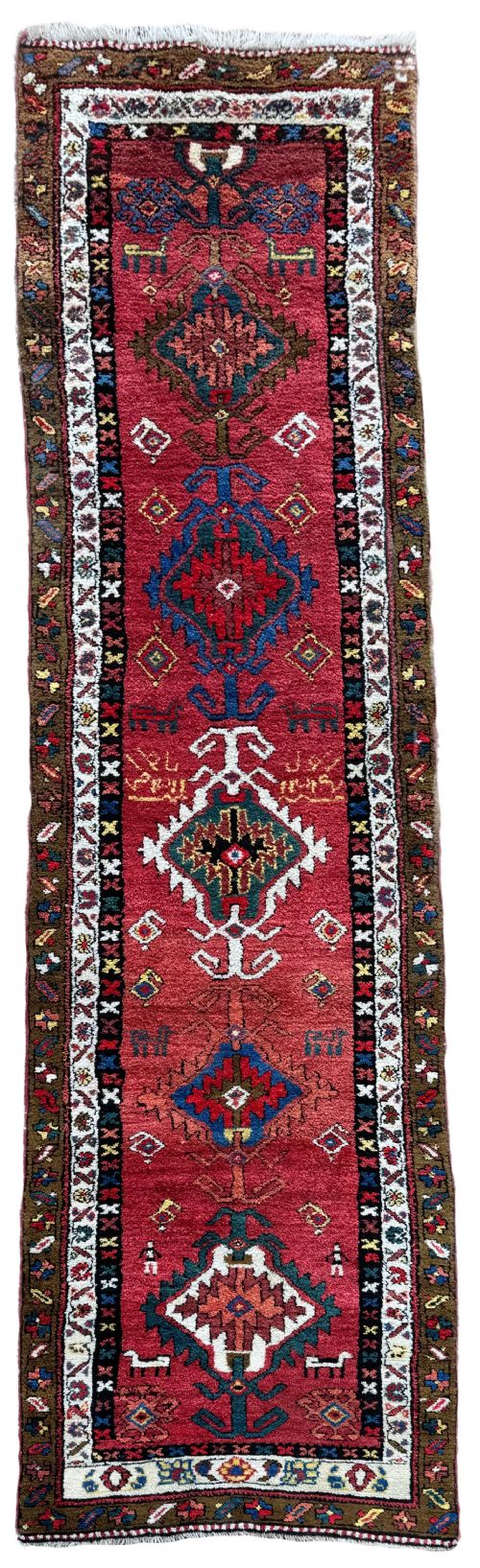
A tribal geometric runner carpet is an elongated textile featuring repeating angular motifs, hooked medallions, and lattice patterns woven by nomadic or village weavers. When exploring these listings, buyers encounter long corridor carpets originating from Persian, Caucasian, and Anatolian regions.
The selections span from the late nineteenth century through to the early decades of the twentieth century. Traditional formats include specific village or confederacy pieces such as Kurdish, Kazak, Heriz, and Hamadan runners designed to fit narrow spaces.
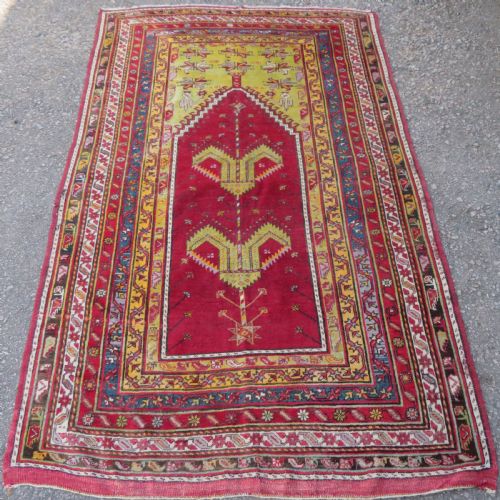
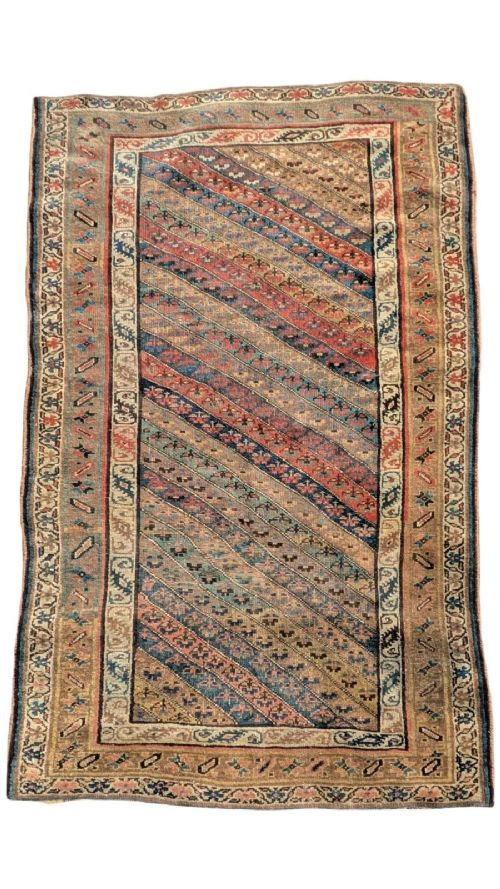
These floor coverings utilise distinct regional layouts, often incorporating repeated guls, directional prayer niches, or diagonal borders. The most common format met on this page is the narrow, elongated runner suited for halls and landings.
Materials and construction methods
The foundation and pile rely primarily on natural animal fibres, specifically hand-spun wool and occasionally camel hair, which provide robust durability. Cotton frequently serves as the warp and weft base for many Persian and Anatolian village pieces.
Colouring is achieved through natural dyes derived from plants and minerals, resulting in rich, mellow tones that age gracefully over decades. Certain specialised variants incorporate alternative regional fibres such as cactus silk or sabra fibre.
Weavers knot the wool densely by hand onto vertical looms, utilising symmetrical or asymmetrical knotting techniques specific to each tribe or region. This traditional construction ensures the dense pile withstands heavy foot traffic while retaining flexibility.
Listings feature traditional runner carpets produced across Persia, the Caucasus, and Anatolia utilising natural wool and plant-based dyes.
Factors determining quality
The quality of a tribal geometric runner carpet rests upon the fineness of the knot density and the precision of the geometric layout. Tightly packed knots allow intricate linear patterns to remain sharp and well-defined.
The integrity and depth of the natural dyes dictate visual richness, as superior plant-based colourants develop a complex abrash over time. Variations in wool quality also matter, with hand-spun wool offering a lustrous handle compared to stiff modern substitutes.
The Tribal Geometric Runner Carpet Glossary
- Abrash
- Subtle colour variations within a single field of tone caused by batches of hand-dyed wool. This phenomenon is a hallmark of traditional dyeing methods.
- Gul
- A repeating medallion or octagonal design element often found in Turkmen and Baluch weaving. These motifs serve as tribal signatures.
- Mihrab
- A arched niche design incorporated into prayer rugs, pointing the worshipper towards Mecca. It directs the visual flow of the composition.
- Warp
- The vertical foundation threads stretched lengthwise on the loom before weaving begins. The pile knots are tied directly around these structural elements.
- Weft
- The horizontal threads passed alternately over and under the warp strings to lock the rows of knots in place. This ensures the structural stability of the carpet.
Tribal Geometric Runner Carpet: Frequently Asked Questions
Where should I place a runner carpet?
These elongated floor coverings are traditionally suited for narrow spaces such as hallways, corridors, and grand staircases. Their linear dimensions guide the eye along architectural pathways.
Beyond corridors, they work effectively in galley kitchens or alongside large beds. The repeating geometric patterns add warmth and visual length to otherwise understated transitional areas.
How do I identify a tribal design?
Tribal designs are characterised by uninhibited geometric motifs, hooked polygons, diamonds, and stylized animal forms rather than curved floral court styles. Weavers relied on memory and tribal tradition.
These patterns often feature repeating borders and symbolic markers unique to specific regional groups or nomadic confederacies. The resulting aesthetic feels more rustic and direct than formal workshop carpets.
What are natural dyes?
Natural dyes are colourants extracted from botanical sources, roots, insects, and minerals before the advent of synthetic aniline dyes. They produce harmonious, earthy tones.
Over decades of exposure to light and wear, these organic colours mellow and interact, creating the distinctive abrash quality prized by collectors. This ageing process cannot be replicated artificially.
How do I care for antique wool runners?
Regular gentle vacuuming without a rotating brush roll prevents dust from settling deep into the wool pile. Professional cleaning by a specialist in antique textiles is recommended.
Using a quality underlay prevents slipping and cushions the foundation fibres against hard floors. Keeping the carpet out of direct, harsh sunlight preserves the natural dyes.