

Tribal Embroidery Hanging
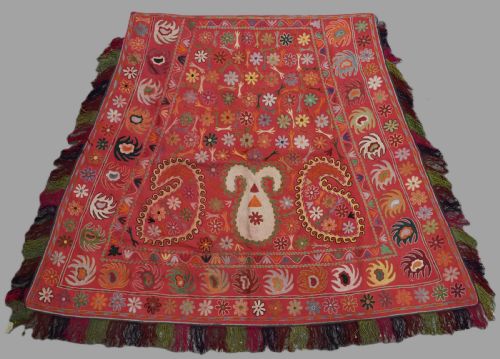
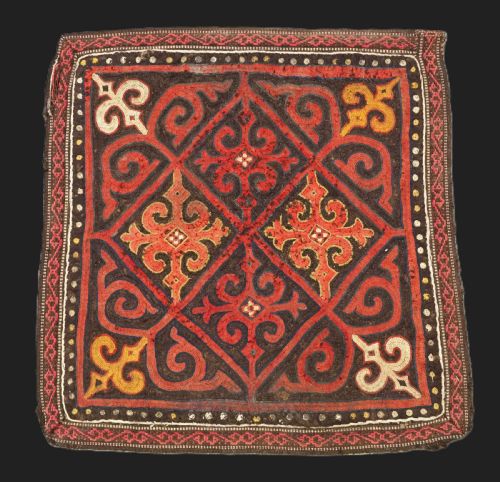
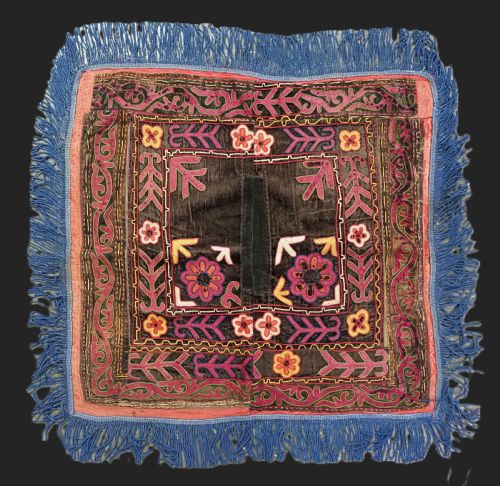
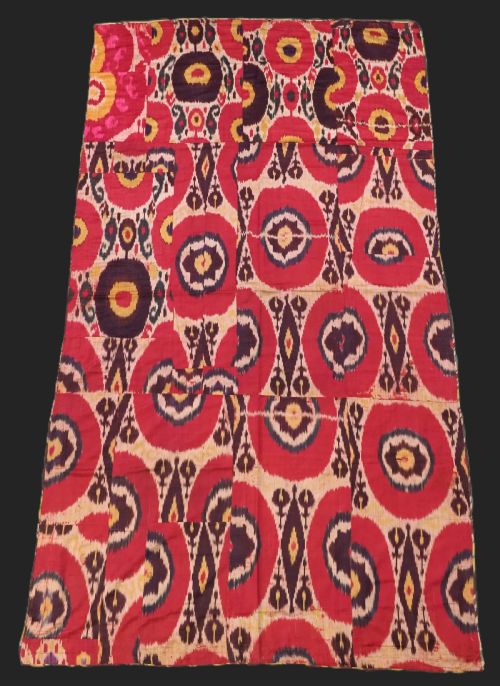
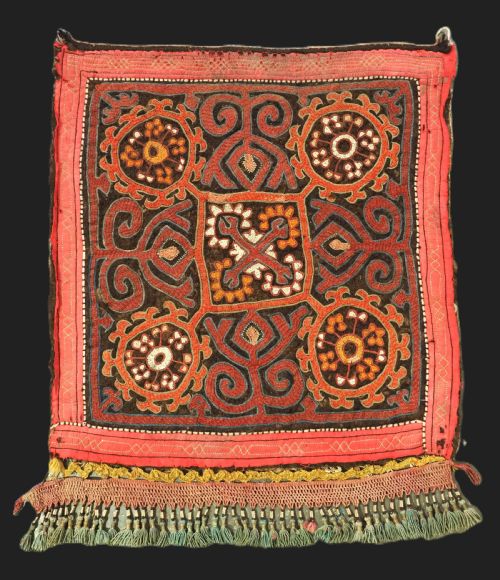
When you look for a tribal embroidery hanging, you find Central Asian dowry pieces, wall panels and saddle covers made across the nineteenth and early twentieth centuries.
Tribal Embroidery Hanging
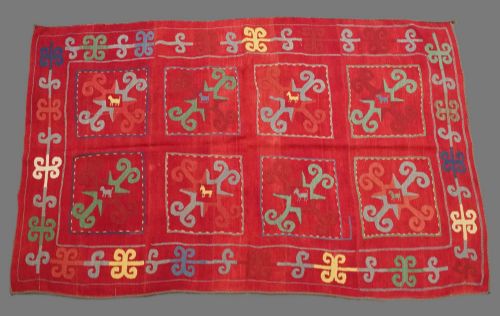
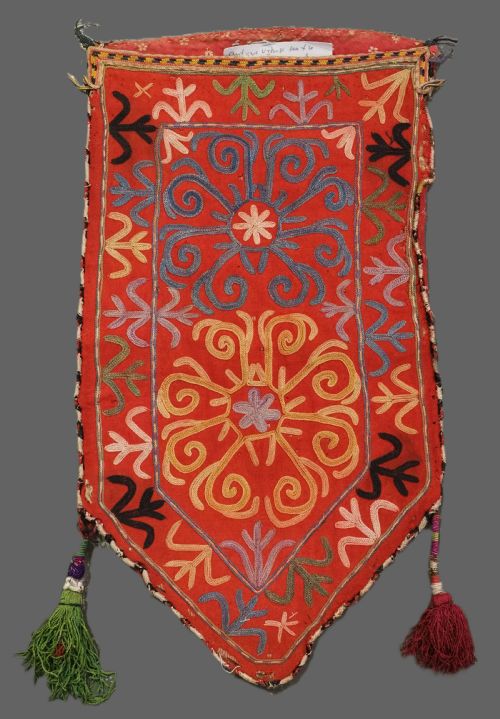
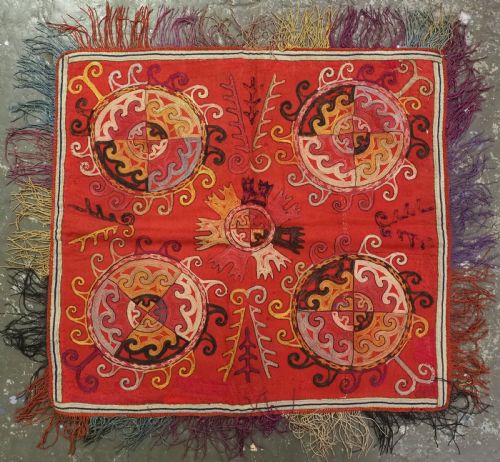
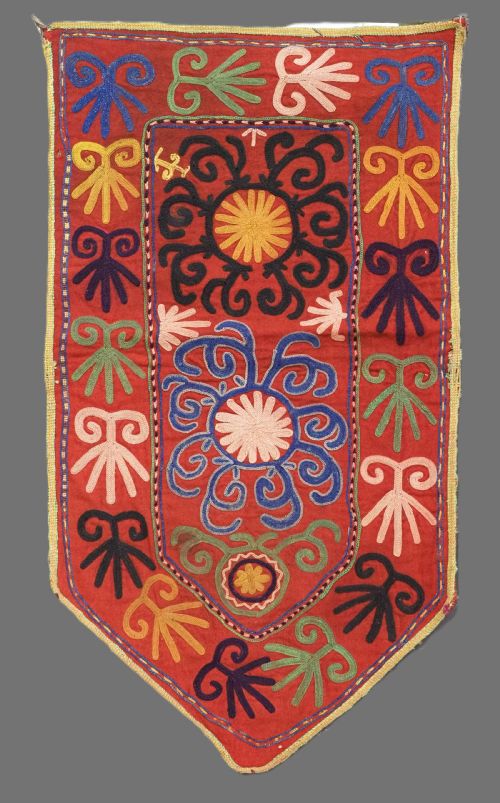
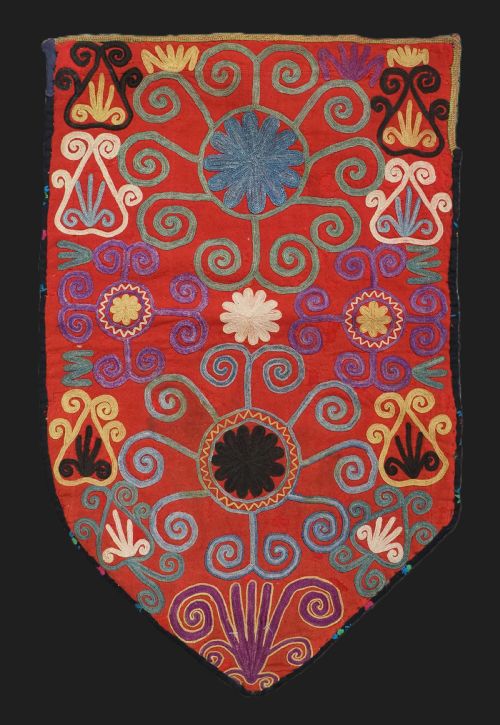
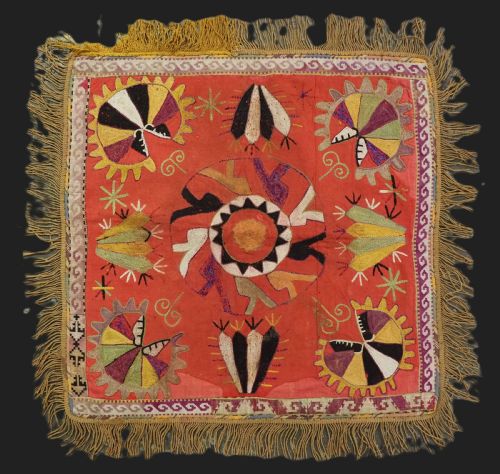
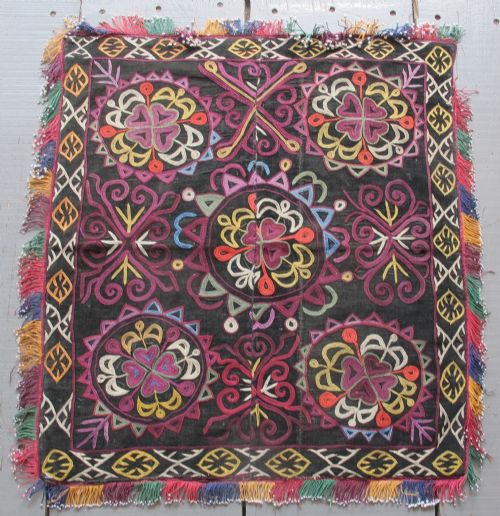
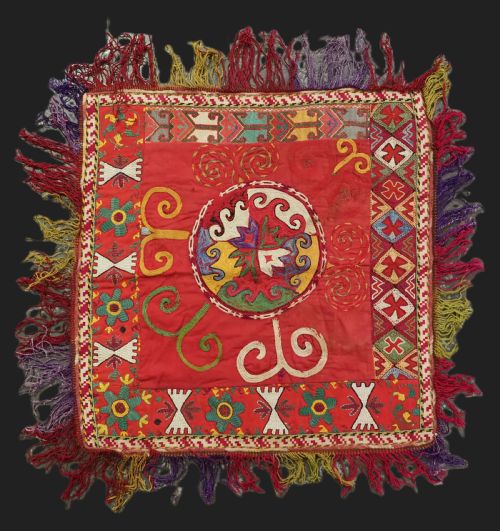
A tribal embroidery hanging encompasses traditional textile panels, wall hangings, and household trappings originating primarily from Central Asian nomadic and settled communities. Buyers encounter specific regional formats such as Uzbek Lakai ilgich pieces, Kyrgyz tush kyiz yurt decorations, and larger suzani panels.
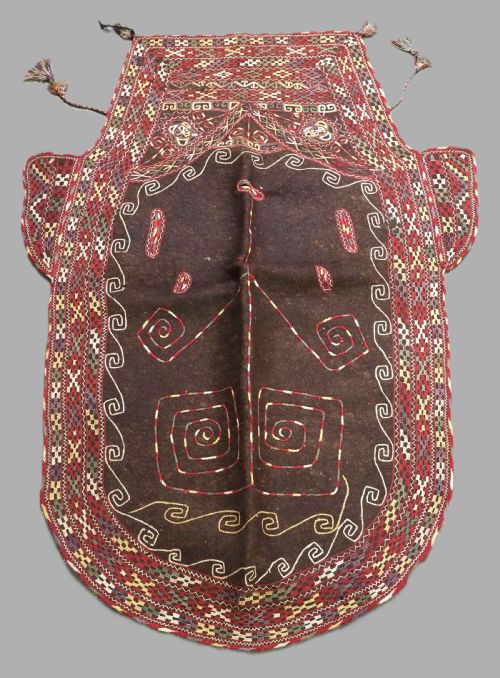
The items span dates from the early nineteenth century through to the early twentieth century, reflecting domestic textile traditions, wedding dowries, and ceremonial use. Forms range from compact square dowry bags and mirror covers to expansive wall textiles and horse covers.
Most examples hail from Uzbekistan, Kyrgyzstan, and Turkmenistan, showcasing the distinct aesthetic traditions of tribes including the Lakai, Yomut, and Ersari. These works served functional roles within nomadic dwellings and traditional homes before entering the decorative market.
How they were made
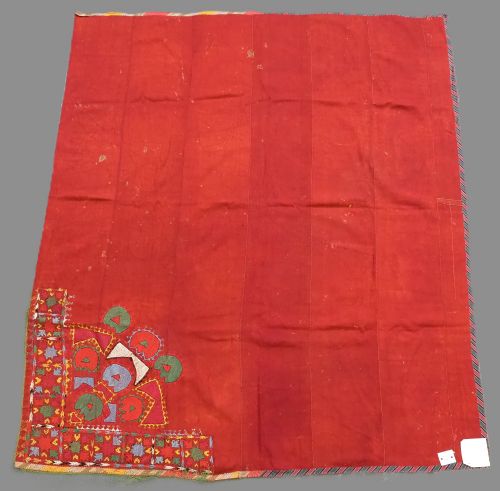
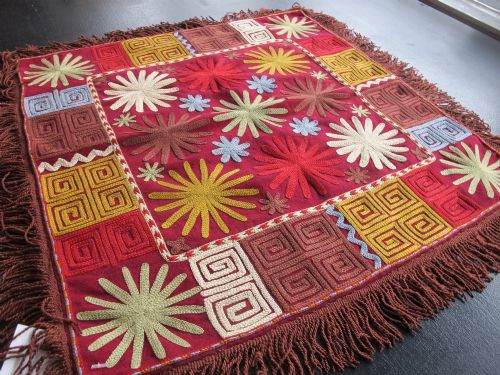
Makers utilised natural foundation materials, predominantly cotton, wool, and felted wool, upon which they laid detailed needlework. Grounds frequently consist of woven cotton or wool fabric, sometimes dyed in striking hues like Mogul red or black.
Needleworkers applied vibrant silk thread and cotton thread to build intricate geometric and floral motifs, often employing chain stitch and couching techniques. Selected pieces incorporate additional textures through applied fringe, glass beads, and horse hair tassels.
Tribal Embroidery Hanging Retail Price Guide 2026
Typical asking prices for tribal embroidery hanging among the pieces listed under this phrase on Sellingantiques today, from the lower quarter to the upper quarter. They describe what is for sale here now, not the wider market.
Ceremonial horse blankets reveal that nomadic makers cared just as much about dressing their mounts for weddings as they did their brides.
What varies in quality
The refinement of the needlework and the complexity of the design layout distinguish superior examples from standard ones. Dense silk thread application and precise execution of traditional motifs indicate a higher level of maker skill.
The integrity of the base material and the vibrancy of surviving natural dye colours also influence the standard of an item. Greater visual harmony and balanced composition across the textile panel elevate its artistic merit.
The Tribal Embroidery Hanging Glossary
- Ilgich
- A Central Asian hanging or dowry embroidery piece, often created by Lakai Uzbek makers for domestic display. These textiles frequently feature dynamic geometric patterns.
- Tush kyiz
- A large, elaborately embroidered yurt wall hanging from Kyrgyzstan. Makers designed these pieces to celebrate the marriage of a son or daughter.
- Torba
- A small storage bag or trapping produced by Turkmen and related tribal groups. They often feature detailed face embroidery with silk highlights.
- Chyrpy
- A traditional ladies ceremonial coat heavily embroidered in silk, originating from Turkmenistan. These garments served both status and ritual functions.
Tribal Embroidery Hanging: Frequently Asked Questions
What is a tribal embroidery hanging used for?
Nomadic and village communities utilised these textiles as wall decorations, yurt furnishings, dowry items, and ceremonial horse covers. They brought colour and status to domestic interiors.
Today, collectors mount these panels on walls as decorative art pieces or display them on furniture surfaces to introduce texture and historic pattern.
How do I tell different regional styles apart?
Uzbek Lakai pieces often display energetic, abstract geometric motifs stitched heavily in floss silk on red or dark grounds. Kyrgyz tush kyiz hangings focus on large floral and botanical symbolism celebrating local landscapes.
Turkmen torba and animal trappings incorporate strict tribal gul motifs and disciplined geometric arrangements. Examining the background cloth and thread type clarifies the origin.
How should I care for an antique textile?
Protect antique embroideries from direct sunlight to prevent the natural silk and wool threads from fading. Keep them away from damp environments to preserve the integrity of organic fibres.
Consult a professional textile conservator for cleaning rather than attempting domestic washing. When hanging, use a padded support to distribute the weight evenly.