




Tribal Central Medallion Rug
A tribal central medallion rug brings centuries of village craftsmanship and geometric symmetry into a room through rich wool and natural dyes.
Tribal Central Medallion Rug
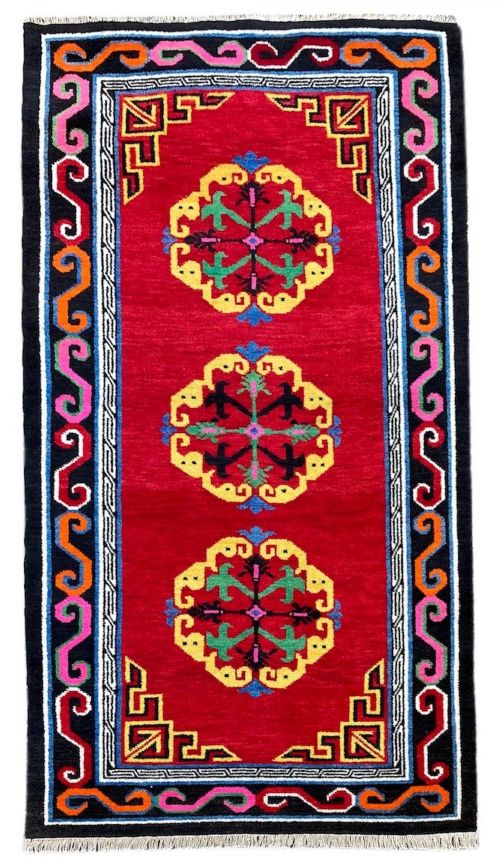
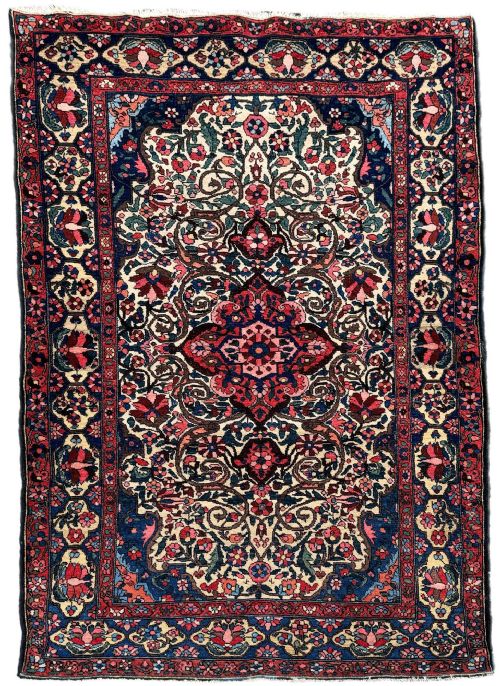
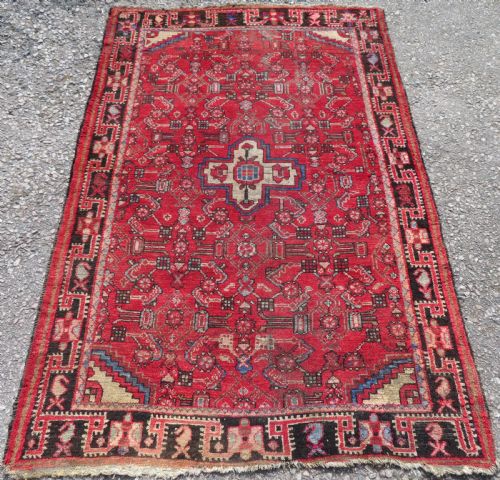
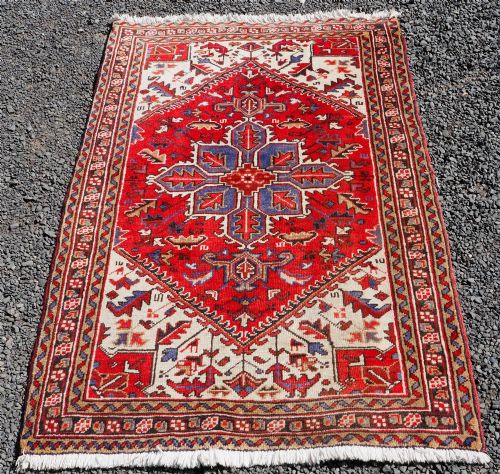
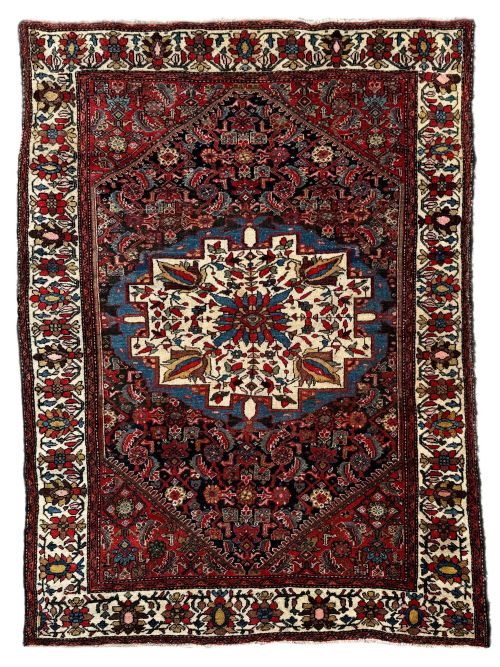
A tribal central medallion rug is a hand-knotted textile originating from village and nomadic traditions across Persia, Anatolia, and Central Asia. These pieces are defined by a prominent focal motif set against patterned fields, drawing the eye directly to the heart of the composition. Buyers searching for a tribal central medallion rug encounter regional variants such as Qashqai, Bakhtiar, Bidjar, and Kirsehir examples.
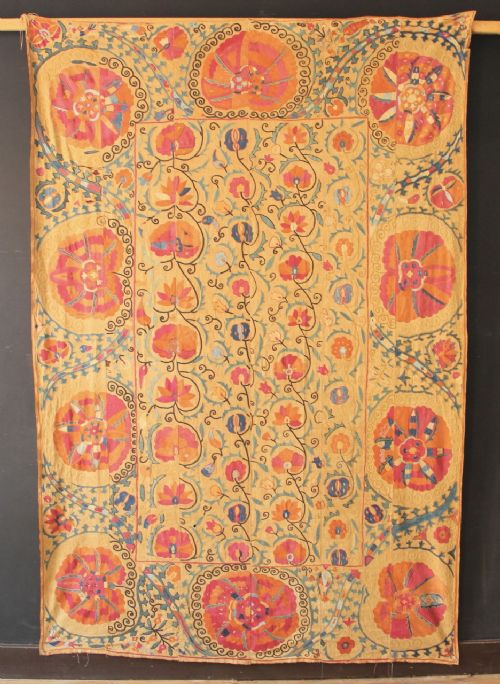
The selections span from the nineteenth century into the twentieth century, capturing periods from eighteen eighty to nineteen thirty. Forms range from compact area rugs and square bag faces to large Kelleh carpets and embroidered suzanis. These textiles function as durable floor coverings and wall displays that anchor a space with historical depth.
Materials and Construction
The foundation of these textiles relies predominantly on hand-spun wool and cotton, occasionally utilising silk and camel hair for specific highlights or ground materials. Artisans knotted the piles by hand onto sturdy warps, creating dense structures designed to endure generations of use. Natural dyes provide the palette, yielding stable, deep tones that mature gracefully over decades.
Embroidery techniques appear in specific textile forms, such as silk needlework on cotton grounds found in Suzanis. Village weavers applied traditional geometric and floral motifs from memory or localized pattern sticks, ensuring each creation retained distinct regional character.
One remarkably specific Qashqai rug depicts the ancient pillars of Persepolis woven right into the village wool.
Evaluating Quality and Execution
Knot density and structural tightness dictate the crispness of the central medallion and the overall durability of the textile. Tighter knotting allows complex geometric curves and sharp outlines to endure heavy foot traffic without losing definition.
The purity and complexity of the natural dye palette separate standard village weaving from superior artistic output. Subtle tonal shifts within the wool pile indicate skilled dyeing methods that enhance the visual depth of the design.
The Tribal Central Medallion Rug Glossary
- Medallion
- A central ornamental motif, typically geometric or floral, placed in the middle of the rug field.
- Bag face
- The front panel of a nomadic storage bag, woven with intricate pile knots and preserved as a small square rug.
- Kelleh
- A large, elongated format of carpet traditionally used in Middle Eastern reception rooms.
- Suzani
- A decorative embroidered textile created with silk or wool threads on a cotton or linen ground.
- Warp
- The vertical threads stretched tightly on the loom that carry the tension and form the fringe of the rug.
Tribal Central Medallion Rug: Frequently Asked Questions
Where were these rugs made?
These textiles originate from village and tribal workshops across Persia, Anatolia, and Central Asia, including regions like the Chahar Mahal valley and Central Anatolia.
Local nomadic groups and village weavers produced them using traditional patterns passed down through generations.
How do I care for an antique rug?
Protect the wool and natural dyes by vacuuming gently without a rotating brush and keeping the textile out of direct sunlight.
Professional specialist cleaning ensures the pile remains secure and the natural fibres stay conditioned over time.
What is a bag face?
A bag face is the decorative front portion of a nomadic storage sack that was repurposed or preserved as a small, square rug.
These pieces often display particularly dense knotting and concentrated tribal symbolism due to their original utilitarian function.
How do I date an antique rug?
Dating relies on stylistic analysis of the central medallion, structural materials, and the chemical composition of the natural dyes used in the pile.
Nineteenth-century examples often display softer wool patination and specific regional palettes compared to early twentieth-century pieces.