





Tribal Art Artefact
A tribal art artefact carries the material culture of indigenous communities, offering collectors tangible connections to diverse global traditions spanning centuries.
Tribal Art Artefact
A tribal art artefact encompasses diverse cultural objects originating from African, Oceanic, Indigenous Australian, Asian, and American communities. When you search for tribal art artefact, you encounter an array of objects ranging from functional implements to sacred sculptures. The selection includes items spanning the eighteenth, nineteenth, and early twentieth centuries.
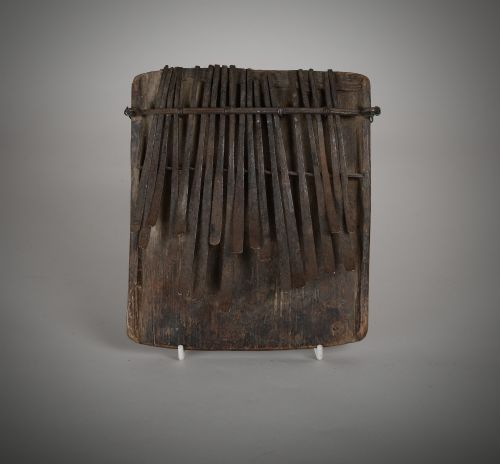
Most examples appearing here reflect specific regional styles such as African Tribal Art, Oceanic Tribal Art, and Indigenous Australian forms. Common material manifestations include weapons like throwing clubs and daggers, alongside masks, figures, and domestic items.
Materials and construction
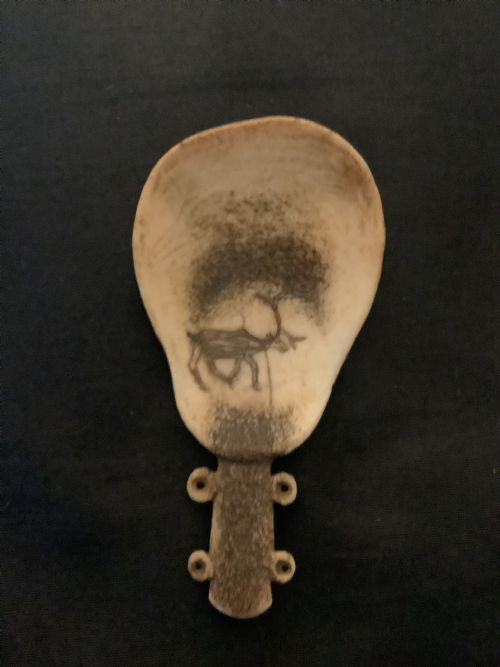
Makers utilised local natural resources, predominantly shaping various hardwoods into sculptures, war clubs, and ceremonial tables. Bone, antler, and whalebone frequently appear in carved utensils, spoons, and detailed figural works.
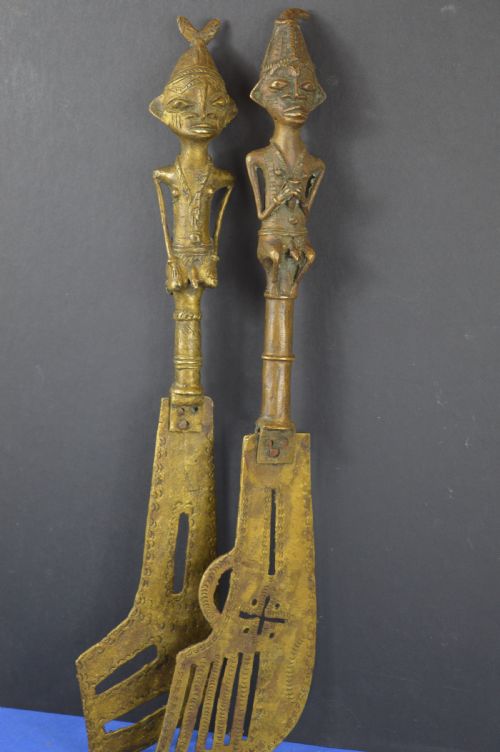
Metals such as bronze, iron, brass, and silver provide durable components for staffs, busts, and framed dagger ornamentation. Pigment and fibre often finish these pieces, adding surface colour and functional attachments.
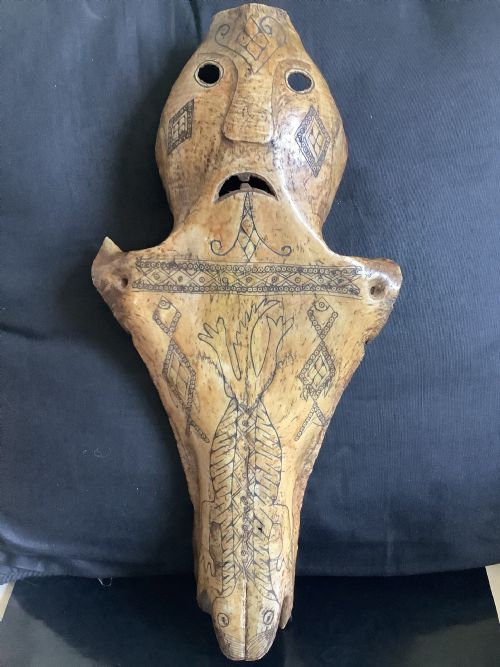
Whalebone and antler occasionally substituted for wood in remote regions, resulting in remarkably enduring sculptures of marine life.
Assessing quality and character
Quality rests upon the depth of carving, the authenticity of tribal use wear, and the proportional balance of the form. Pieces exhibiting confident handling of tough hardwoods or detailed bone show superior sculptural ability.
The integrity of surface patination and original pigment application distinguishes standard utility items from masterworks. Condition remains important, though gentle signs of historical handling often enhance the authenticity of an object.
The Tribal Art Artefact Glossary
- Knobkerrie
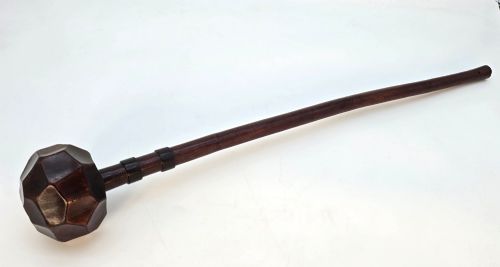
- A traditional African wooden throwing club featuring a heavy bulbous end. It served as both a hunting tool and a weapon.
- Woomera
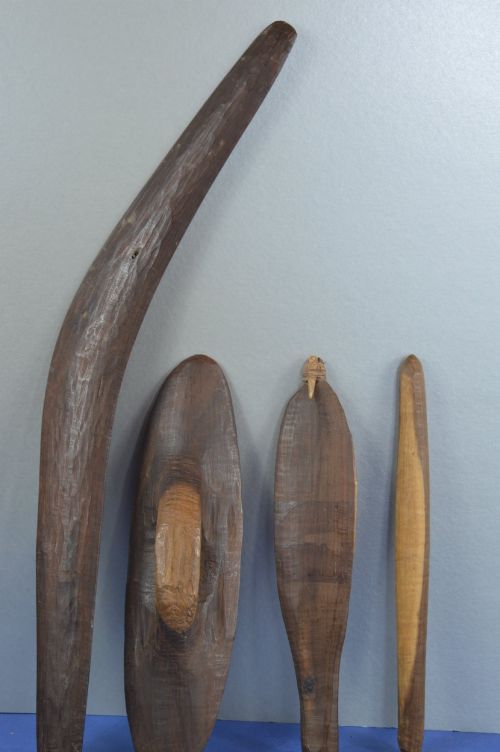
- An Australian Aboriginal spear-thrower that increases the velocity and force of a launched spear. It often doubles as a carrying vessel or fire-starting tool.
- Récade
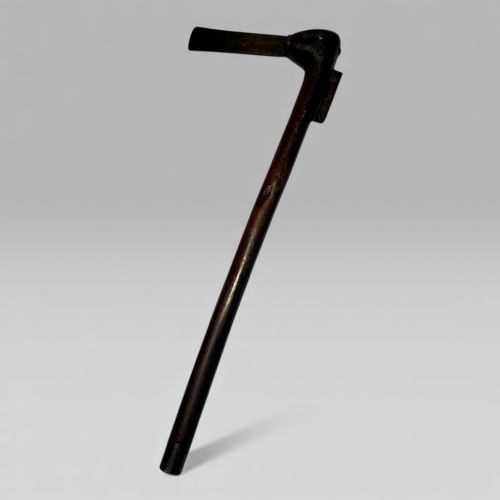
- A ceremonial axe associated with the royal court of Dahomey in West Africa. It functioned as a symbol of authority and a messenger's badge.
- Jambiya
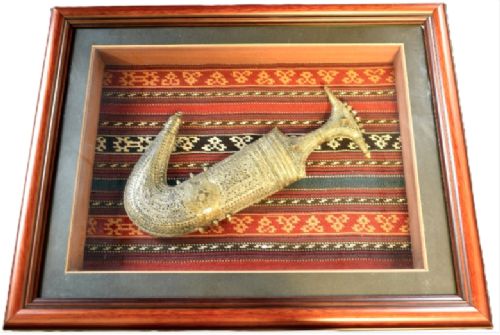
- A traditional short dagger with a curved blade worn by men in regions like Yemen. Silver repoussé work frequently adorns the scabbard and frame.
- Vunikau
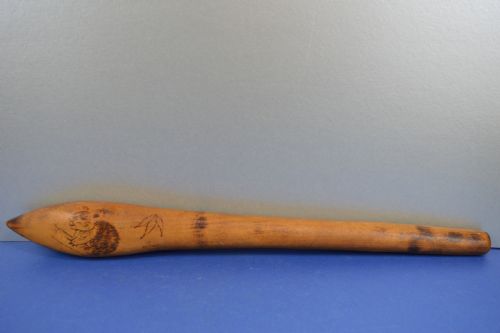
- A traditional Fijian war club carved from the rootstock of a tree. This construction provides exceptional weight and striking durability.
Tribal Art Artefact: Frequently Asked Questions
What is a tribal art artefact?
A tribal art artefact is an object created by indigenous or traditional societies for utilitarian, ceremonial, or decorative purposes. These pieces embody the cultural practices and artistic traditions of their makers.
Items range from everyday tools and weapons to sacred masks and sculptural figures carved from wood, bone, and metal.
How do I care for wooden tribal artefacts?
Wooden artefacts require stable environmental conditions away from direct sunlight and extreme humidity fluctuations. Maintaining consistent indoor temperatures prevents the wood from drying out or splitting.
Dusting should be done gently with a soft, dry cloth without applying modern polishes or oils that might alter the historic surface.
How are different regional styles identified?
Regional styles are identified through distinctive carving techniques, specific motifs, and traditional forms unique to particular communities or islands. Examining the materials used often points directly to geographic origins.
Consulting cultural markers and comparative examples helps establish whether a piece originates from African, Oceanic, or Indigenous Australian traditions.
Were these objects used ceremonially?
Many tribal objects served active roles in rituals, dances, warfare, or governance rather than sitting purely as decorative items. Ceremonial masks, headdresses, and royal staffs held deep spiritual or social significance.
Signs of historical handling and wear often reflect their active participation in community life before entering collections.