


Tribal Accent Rug
A tribal accent rug brings warmth and historic pattern to a room, offering genuine hand-woven character from village workshops and nomadic camps.
Tribal Accent Rug
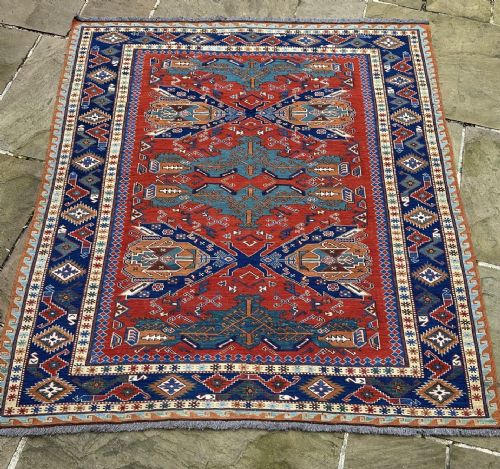
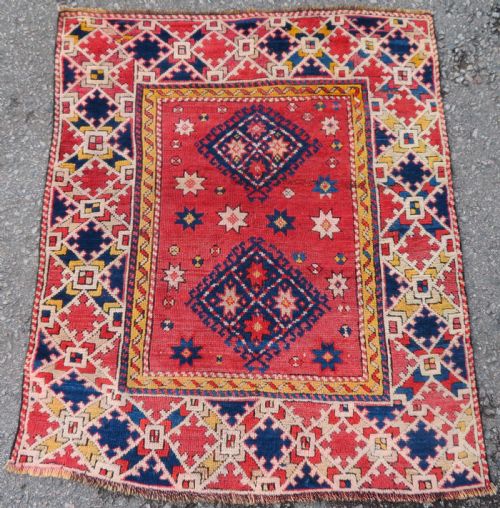
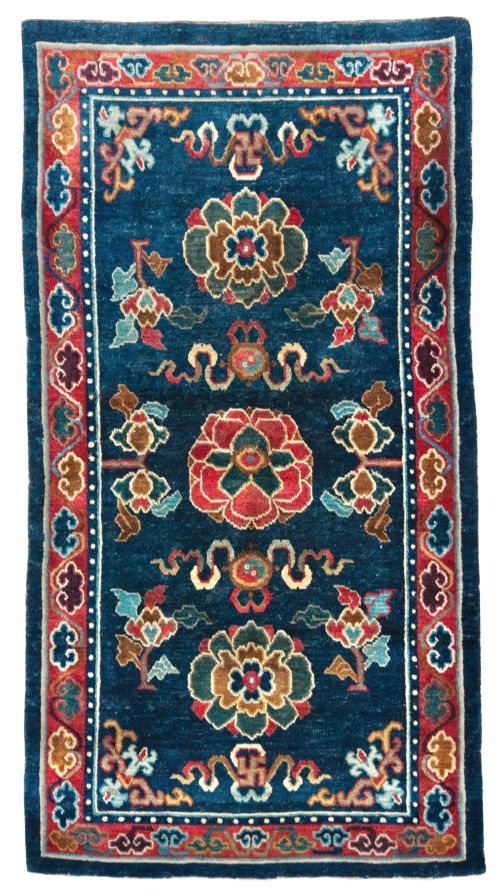
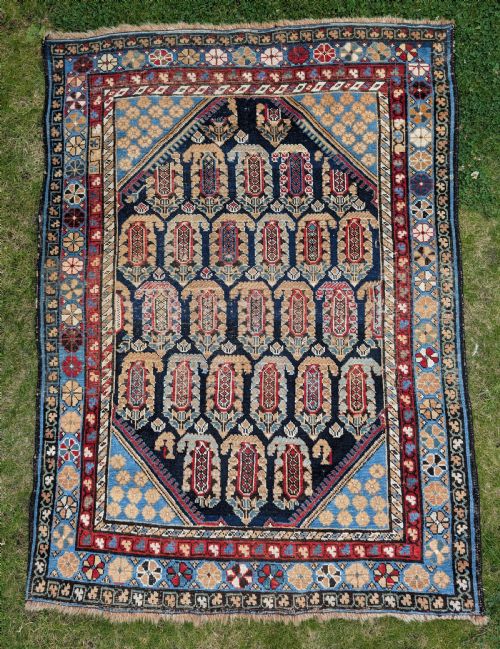
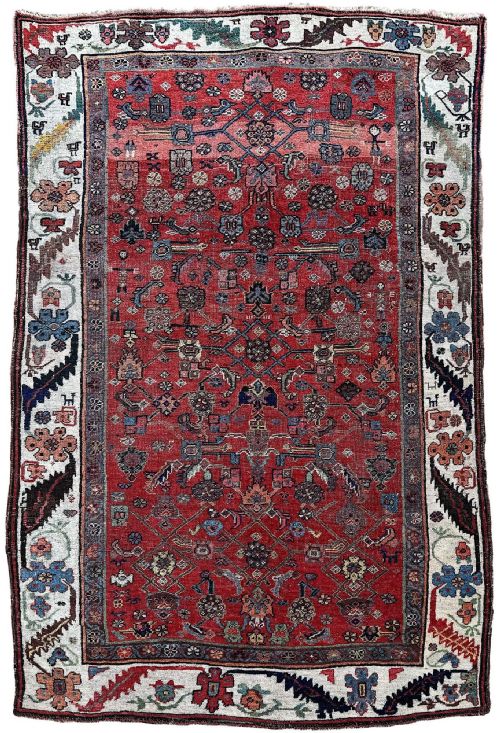
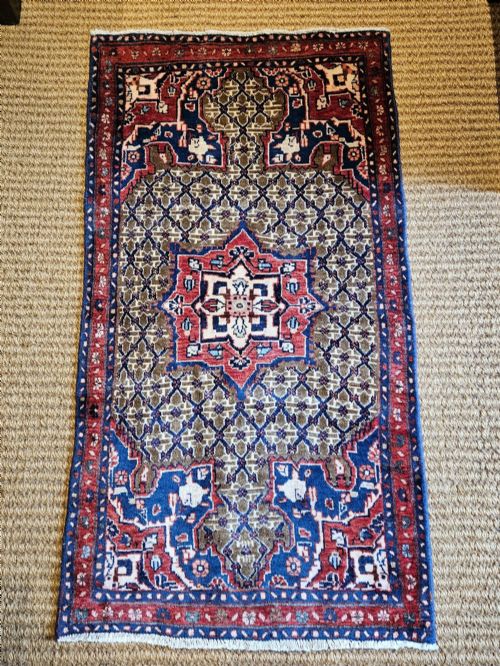
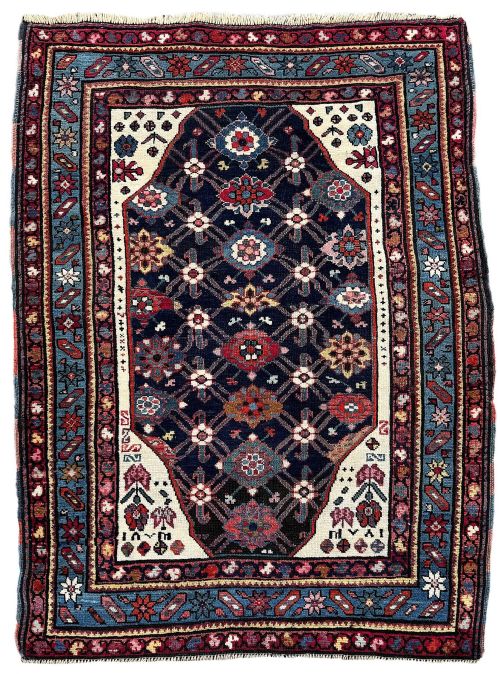
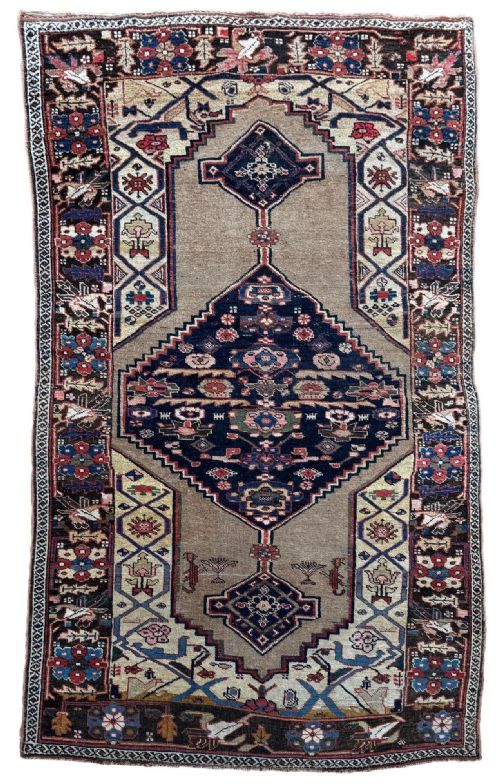
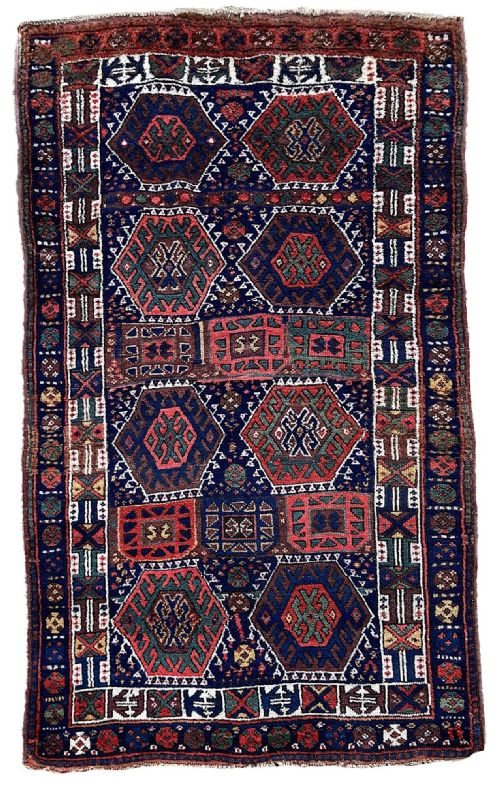
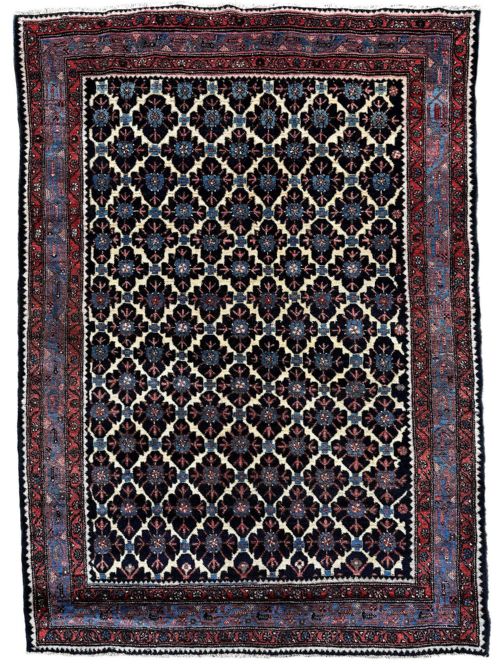
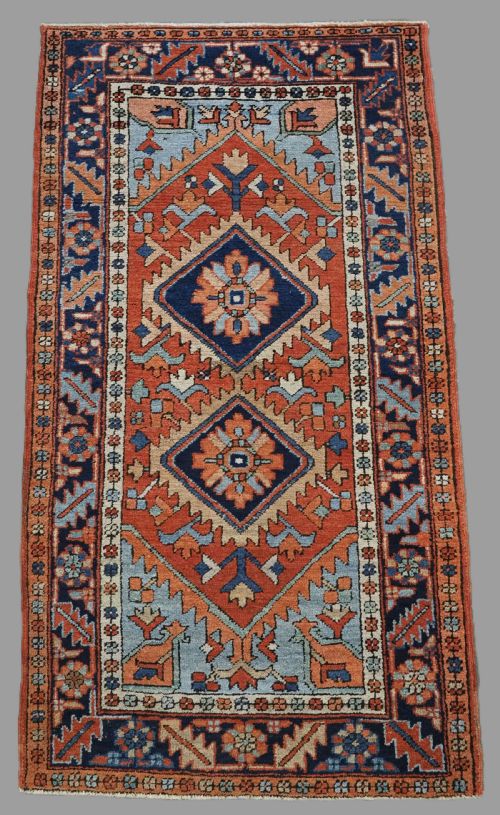
A tribal accent rug is a smaller format floor covering or hearth-sized piece originating from village and nomadic weavers across Persia, the Caucasus, Anatolia, and Central Asia. These pieces are chosen for compact spaces where concentrated colour and geometric or medallion motifs can anchor a room without dominating the floor space.
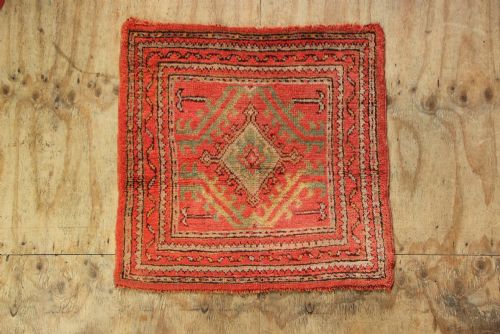
The selections available include scatter rugs, hearth rugs, square formats, and prayer rugs alongside functional cushions made from carpet fragments. Dating from the nineteenth century into the early decades of the twentieth century, they showcase regional traditions that prioritise robust utility and symbolic design.
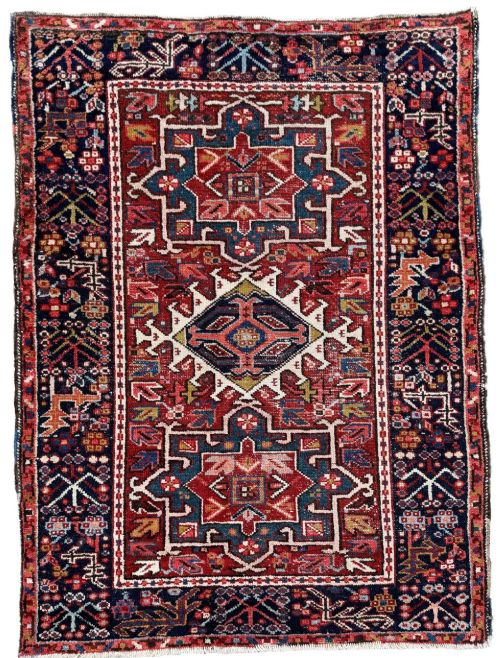
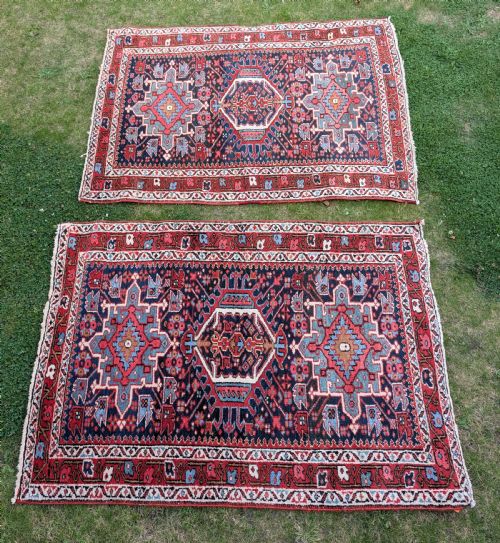
Buyers will frequently encounter regional types such as Karaja, Heriz, Afshar, Baluch, and Afghan village pieces. Each variety displays distinct local palettes and knotting traits passed down through generations of weavers.
Materials and construction
These textiles rely primarily on wool, hand-spun wool, and sometimes camel hair, secured by cotton warps or all-wool foundations. The natural fibres provide resilience and a tactile depth that responds well to decades of use.
Weavers utilised natural dyes to achieve rich, enduring shades of indigo, madder, and earthy tones that soften gracefully over time. Hand-weaving techniques ensure each piece carries individual variations in tension and geometry.
The listings span the nineteenth century through the 1930s, featuring wool, cotton, camel hair, and natural dyes across diverse Persian, Caucasian, and Anatolian styles.
Quality variations
Quality rests in the integrity of the weave, the clarity of the design, and the vibrancy of the dye palette. Tighter knotting and secure edges distinguish pieces that retain their structural form after heavy domestic service.
The choice of natural dyestuffs dictates how the colours age over time, with superior examples developing a rich, harmonious patina rather than flat fading. Design execution also plays a part, where confident, well-proportioned motifs elevate an individual weaving above standard workshop output.
The Tribal Accent Rug Glossary
- Soumak
- A flat-weaving technique where the decorativeweft threads are wrapped over and under the warp threads. This creates a distinctive ribbed texture on the face and loose threads on the reverse.
- Mihrab
- A niche design element found on prayer rugs, representing the direction of prayer. It typically forms an arched shape at one end of the field.
- Medallion
- A central ornamental motif set in the middle of the rug field. Regional weavers often use geometric or star-shaped versions to anchor the composition.
- Warp
- The vertical foundation threads stretched tightly on the loom before weaving begins. The horizontal weft threads and pile knots are built upon this framework.
Tribal Accent Rug: Frequently Asked Questions
Where should I place a tribal accent rug?
These compact rugs work well in entryways, beside beds, or as hearth rugs where their smaller dimensions fit naturally. They add concentrated colour and texture to high-traffic areas without overwhelming the surrounding floor space.
Because many were originally woven for practical domestic use, they handle everyday foot traffic comfortably while providing a distinct historical focal point in smaller rooms.
How do I care for an antique wool rug?
Regular gentle vacuuming without the beater bar helps remove grit that settles deep within the wool pile. Professional cleaning by a specialist familiar with antique textiles is recommended every few years.
Keep the rug out of direct, harsh sunlight to protect the natural dyes from premature fading. Using a quality underlay also prevents slipping and reduces friction between the floor and the fibres.
What is the difference between a prayer rug and a scatter rug?
Prayer rugs feature a distinct architectural niche, known as a mihrab, at one end which directs the user during daily devotions. Their designs are typically focused around this directional motif.
Scatter rugs and area formats feature all-over patterns or central medallions designed to be viewed from multiple angles. They serve general decorative and floor-covering purposes rather than devotional ones.
How can I tell which region a rug comes from?
Regional attribution relies on specific combinations of knotting structure, colour palettes, and characteristic geometric or floral motifs. For instance, Heriz and Karaja pieces often display bold central medallions and sturdy wool, while Baluch rugs favour darker tones and camel hair.
Examining the selvedges, fringe construction, and secondary colours provides further clues to the specific village or nomadic tribe responsible for the weaving.