



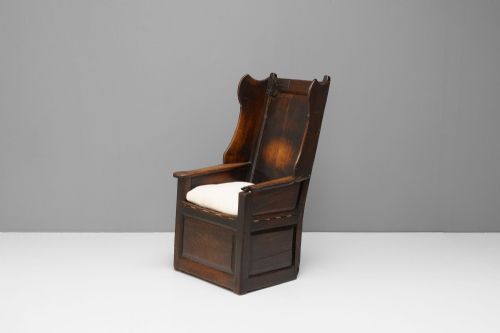

Traditional Yorkshire Oak Chair
A traditional yorkshire oak chair brings solid vernacular character and centuries of regional craftsmanship straight into a modern interior.
Traditional Yorkshire Oak Chair
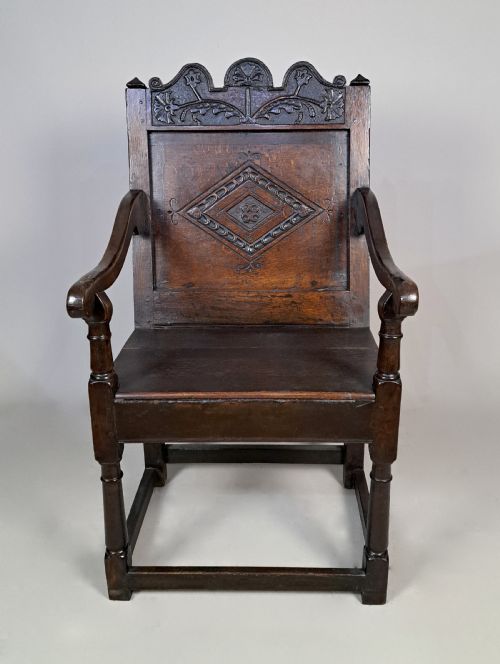
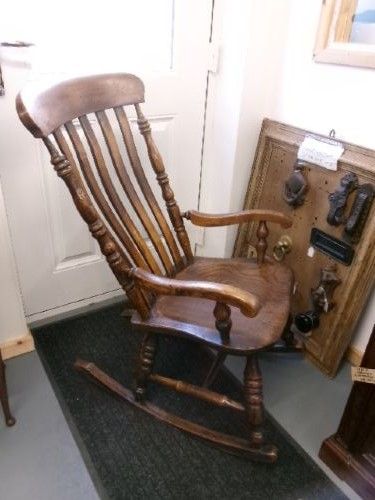
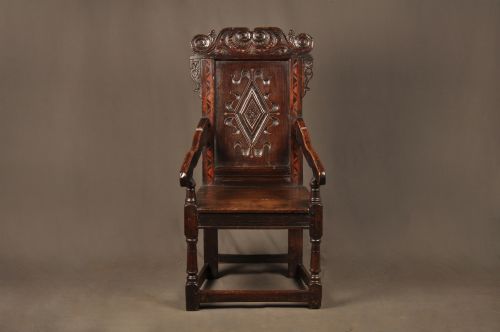
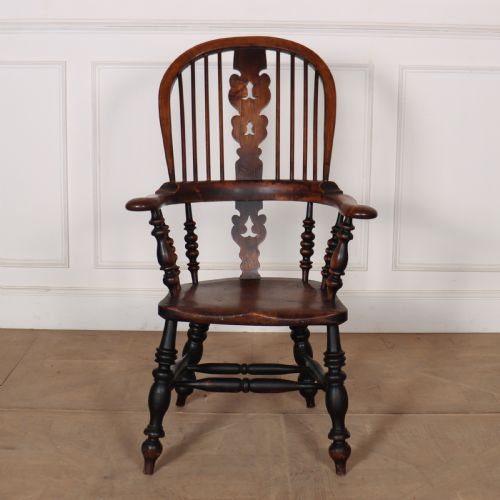
A traditional yorkshire oak chair encompasses robust country seating from periods spanning the seventeenth century through to the early twentieth century. Buyers encounter forms such as wainscot armchairs, farmhouse rocking chairs, dining chairs, and broad arm Windsor chairs.
The regional origins of these pieces connect directly to vernacular English traditions, often displaying stylistic links to Derbyshire alongside primary Yorkshire designs. Workshops produced these sturdy seats for everyday utility in country houses and farmhouses.
How they were made
Joiners built these traditional yorkshire oak chair examples using sturdy native timbers, predominantly oak alongside elm, ash, and yew. Construction methods relied on traditional joinery techniques suited to heavy regional use.
Makers shaped seats and spindles with hand tools, combining turned components with solid plank construction to ensure long-lasting structural integrity.
Traditional Yorkshire Oak Chair Retail Price Guide 2026
Typical asking prices for traditional yorkshire oak chair among the pieces listed under this phrase on Sellingantiques today, from the lower quarter to the upper quarter. They describe what is for sale here now, not the wider market.
Listings feature oak, elm, ash, and yew across periods from the seventeenth century to the nineteen-twenties.
What varies in quality
The distinction between standard vernacular pieces and superior examples lies in the crispness of turned details and the integrity of the original timber. Early seventeenth-century wainscot chairs display deeper carving and more substantial proportions than later revival pieces.
Surface patination and the survival of original wood surfaces significantly influence the character of a traditional yorkshire oak chair. Pieces that retain their honest, untouched finish carry greater historical weight than those heavily restored.
The Traditional Yorkshire Oak Chair Glossary
- Wainscot chair
- A heavy wooden armchair of sixteenth or seventeenth-century origin, featuring panelled backs and solid wooden seats. These early forms represent the height of regional joinery.
- Windsor chair
- A chair built with a wooden seat into which the legs and back spindles are separately bored and wedged. Regional variations include broad arms and vernacular profiles.
- Vernacular
- Objects designed by local craftsmen for practical utility rather than following high-style metropolitan fashions. This tradition defines much of country furniture.
- Patina
- The surface sheen and colour developed by wood over centuries through handling, waxing, and ageing. A desirable finish shows authentic handling marks.
- Derbyshire chair
- A regional type of turned chair closely related to Yorkshire equivalents, typically featuring carved back rails and open framework.
Traditional Yorkshire Oak Chair: Frequently Asked Questions
What periods do these chairs cover?
The selection spans from seventeenth-century originals through nineteenth-century Victorian interpretations up to nineteen-twenties revival pieces. Each era reflects its own local woodworking traditions.
Early pieces often feature solid wainscot construction, while later nineteenth-century examples include Windsor and farmhouse rocking variants.
Which woods were used?
Makers relied heavily on native British timbers suited to robust country furniture construction. Oak forms the primary material, frequently supplemented by elm, ash, and yew.
Different timbers were often combined within a single frame, using harder woods for structural legs and spindles.
How do I use them at home?
These robust chairs suit placement in hallways, studies, or around farmhouse dining tables as statement seating. Their solid timber construction handles daily use well.
Pairing an antique wainscot or Windsor chair with modern interiors adds historic warmth and tactile contrast to a room.
How are Yorkshire and Derbyshire chairs related?
Both styles emerge from adjacent northern English counties with shared vernacular woodworking traditions. They often feature similar turned elements and regional framing.
Distinguishing between them depends on subtle variations in the carved crest rails and spindle arrangements.