


Traditional Yew High Chair
A traditional yew high chair brings the warmth of country timber and Windsor craft directly to the room.
Traditional Yew High Chair
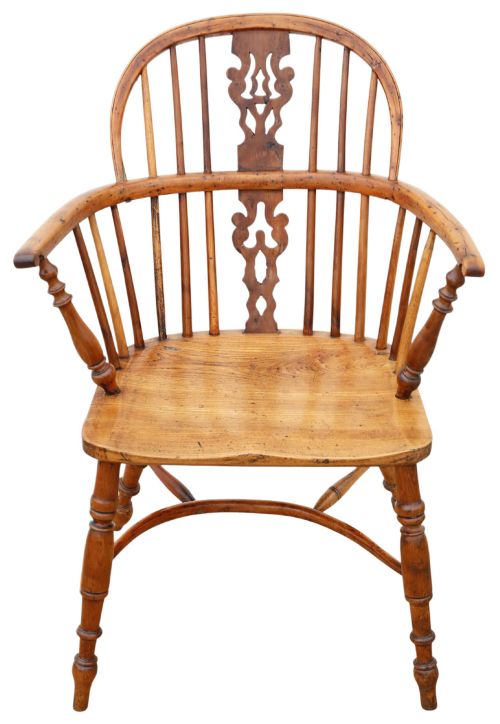
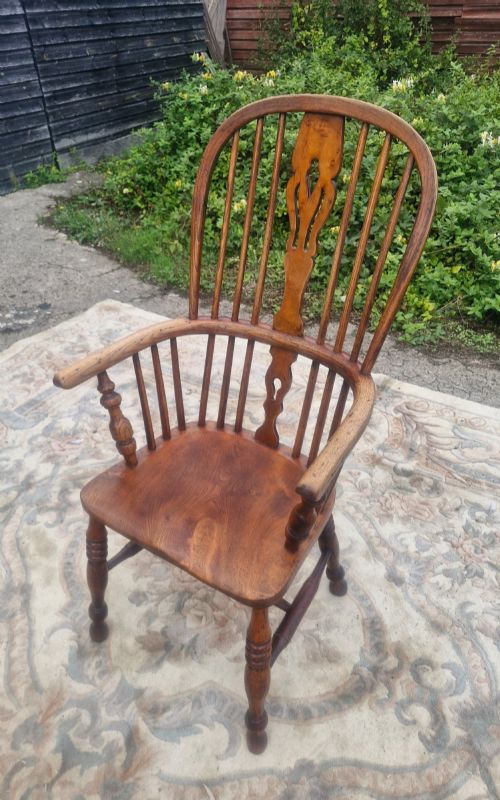
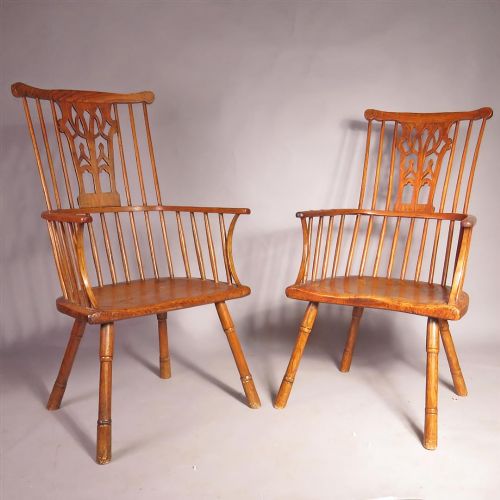
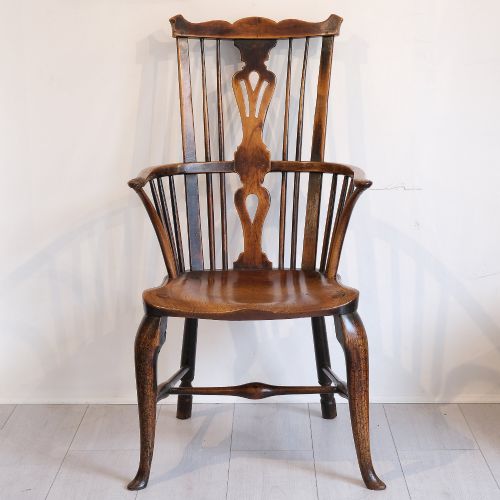
A traditional yew high chair typically manifests as a regional Windsor form adapted for children or constructed with an elevated stance, drawing on English country vernacular traditions. The listings here present these sturdy domestic seats emerging primarily across the eighteenth and nineteenth centuries, often alongside related armchair and high-back variants.
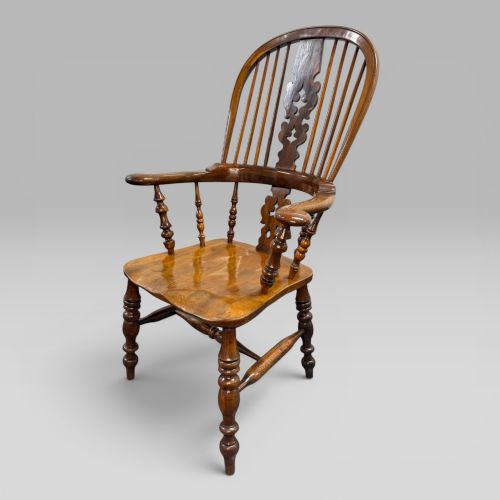
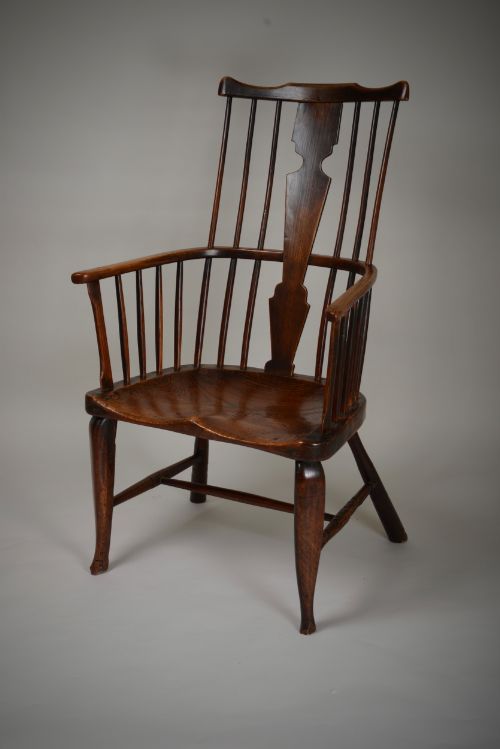
Makers shaped these utilitarian seats using resilient local timbers, combining sturdy yew with elm, ash, beech, and oak. Collectors encounter regional expressions such as broadarm types and comb-back designs originating from traditional English workshops.
How they were made
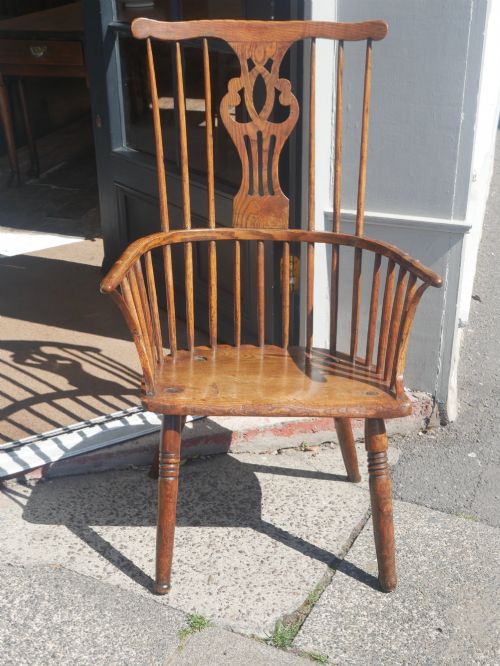
Constructed using traditional Windsor techniques, these chairs rely on a central plank seat drilled to receive turned legs and slender spindle backs. Craftsmen frequently paired a figured yew wood upper framework with a dense elm seat to ensure structural endurance.
Regional joiners shaped solid hardwood components using drawknives and pole lathes, securing joints with wedges and pins rather than metal fastenings. This method allowed the timber to settle naturally while maintaining rigidity under daily domestic use.
Several chairs bear nineteenth-century maker stamps from Worksop workshops, proving that local joiners liked to sign their handiwork.
What varies in quality
The visual appeal of the timber grain largely dictates the standing of an individual piece, with richly figured yew commanding greater attention. Grain contrast and depth across the spindle back and bentwood hoop reveal the original selection of the wood.
Proportion and structural balance separate standard workshop output from finer regional examples. Subtle refinements in the turning of the legs and the shaping of the arms reflect the skill of the local turner.
Gabbitass of Worksop·Rockley·Allsop Worksop·Benjamin Gilling
The Traditional Yew High Chair Glossary
- Windsor chair
- A chair built with a solid wooden seat into which the legs and back spindles are directly fitted. This construction method defines the vernacular seating traditions seen across English regional workshops.
- Comb back
- A Windsor chair design where the top rail resembles the spine of a comb, often featuring vertical spindles rising through a horizontal crest. This style frequently appears on eighteenth-century examples.
- Broadarm
- An armchair featuring wide, flattened wooden armrests shaped from a single piece of timber. These substantial arms provide an ergonomic rest and add visual weight to regional Windsor chairs.
- Pad arm
- An armchair where the wooden armrest terminates in a rounded, padded shape carved directly from the timber. This detail denotes specific regional manufacturing traits.
- Hoop back
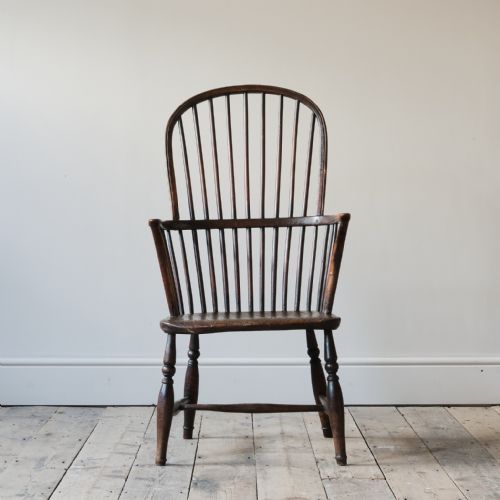
- A Windsor chair back formed by a single continuous piece of bentwood steam-bent to create the main support arch. This technique distributes weight efficiently across the frame.
Traditional Yew High Chair: Frequently Asked Questions
What is a traditional yew high chair?
A traditional yew high chair is a child-sized or elevated seating form constructed using Windsor framing techniques. These pieces utilise native English hardwoods like yew and elm.
They reflect regional vernacular designs from the eighteenth and nineteenth centuries, prized for their expressive timber grain and robust joinery.
How were Windsor high chairs used?
These chairs served utilitarian domestic purposes in country homes, providing secure elevated seating for young children at family tables. Their sturdy construction withstood the daily demands of domestic life.
Over generations, many transitioned from functional nursery items into decorative collector pieces displayed within traditional interiors.
How do I care for yew wood furniture?
Maintain yew wood furniture by keeping pieces away from direct heat sources and sudden humidity shifts. Regular dusting with a soft cloth preserves the natural finish of the timber.
Apply traditional beeswax sparingly to nourish the grain and protect the historical surface without sealing the wood.
How do I date an antique Windsor chair?
Dating relies on examining construction methods, tool marks, and wood combinations within the seat and undercarriage. Eighteenth-century examples often display simpler comb-back profiles, while nineteenth-century pieces show varied regional turnings.
Maker stamps or workshop attributions, when present, provide a direct link to specific makers recorded in Nottinghamshire and surrounding regions.