






Warm Brown High Chair
A warm brown high chair brings centuries of vernacular craft into a room, offering robust timber construction designed for everyday use.
Warm Brown High Chair
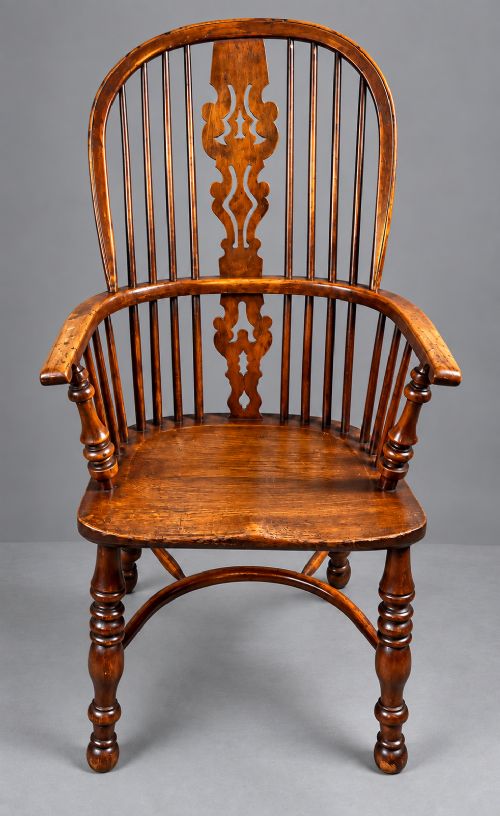
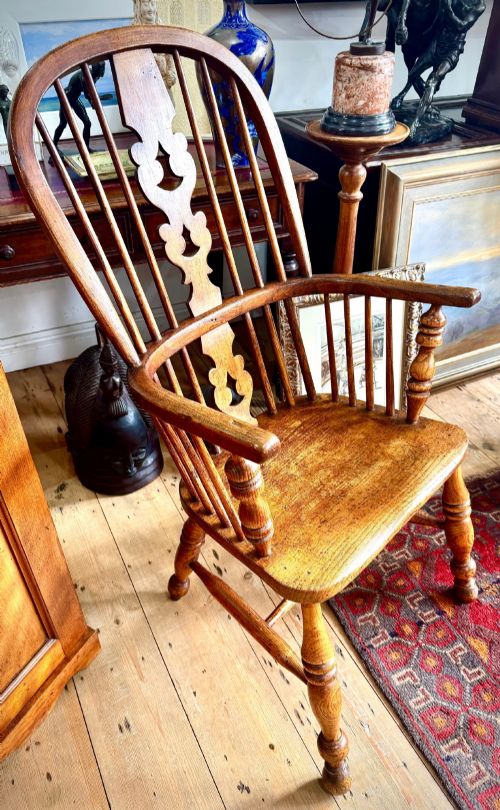
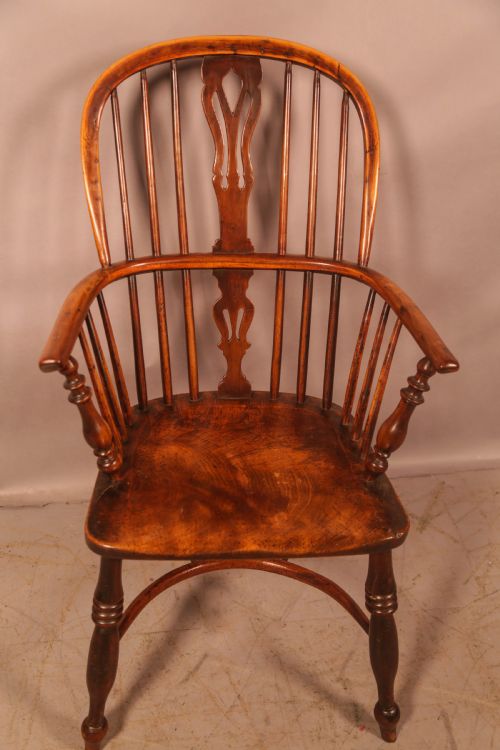
When you search for a warm brown high chair, you encounter sturdy vernacular seating from the eighteenth and nineteenth centuries, including utilitarian children's seating alongside robust adult Windsor armchairs.
The pieces on this page span styles such as English Country, Victorian Country, and Georgian Country, reflecting domestic rural life across various British regions.
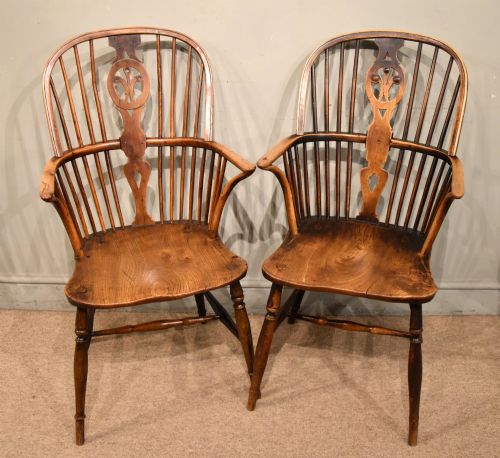
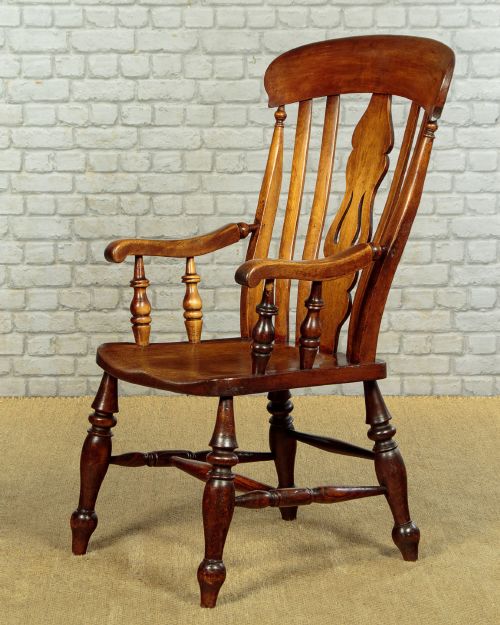
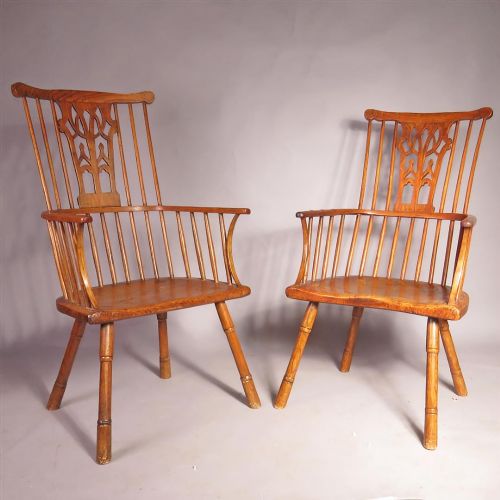
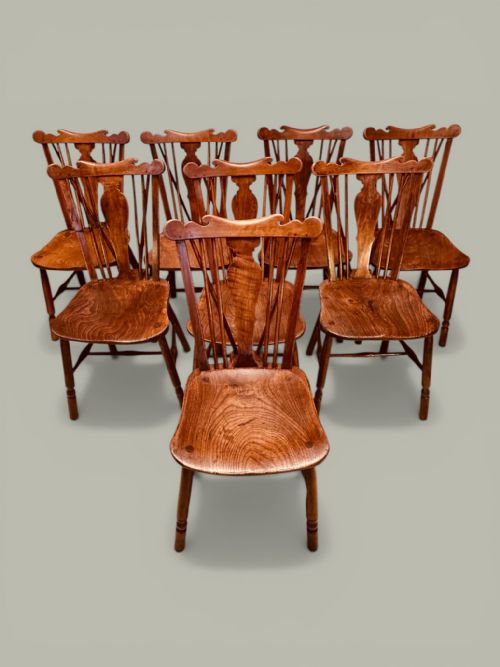
You meet solid timber forms like comb back side chairs, ladderback high chairs, and broad arm Windsor chairs constructed primarily in domestic hardwoods.
Materials and construction
Maker-wrights selected contrasting domestic timbers, frequently pairing resilient elm for scooped seats with ash, beech, fruitwood, or yew for spindles, legs, and bentwood bows.
Joinery relied on traditional pegging and wedged tenons, securing turned components into thick plank seats designed to withstand constant household movement.
Warm Brown High Chair Retail Price Guide 2026
Typical asking prices for warm brown high chair among the pieces listed under this phrase on Sellingantiques today, from the lower quarter to the upper quarter. They describe what is for sale here now, not the wider market.
Listings span the eighteenth, nineteenth, and early twentieth centuries, featuring regional variants from Nottinghamshire, High Wycombe, and the Thames Valley.
Judging quality in country seating
Excellence lies in the depth of timber figure, patination, and the balance of the turned spindles against the sculptural sweep of the arm bows and crest rails.
Superior examples display crisp lathe work, minimal replacement parts, and generous proportions in the saddle seats rather than heavy restoration or sanded surfaces.
Rockley·Darvil
The Warm Brown High Chair Glossary
- Windsor chair
- A chair built with a solid wooden seat into which the legs and back spindles are direct-tenoned. This construction method creates a sturdy, resilient frame typical of rural production.
- Comb back
- A chair back featuring an upper headrest rail supported by vertical spindles, resembling the teeth of a comb. This style provides structural rigidity while keeping the upper frame light.
- Broad arm
- An armchair featuring widened, flat wooden armrests shaped from a single piece of timber or thick plank. These generous rests offer a distinctive sculptural quality.
- Vernacular
- Objects built by regional craftsmen following local traditions rather than strict academic pattern books. These pieces prioritise utility and local timber availability.
Warm Brown High Chair: Frequently Asked Questions
How do I identify an eighteenth century Windsor?
Look for deep saddling in the elm seat, generous proportions, and distinctive tool marks left by coopers and chair bodgers.
Early pieces often feature multi-piece bent bows and distinct regional turning patterns that differ markedly from later Victorian production.
Were these children's chairs used daily?
These small seats served domestic nurseries and farm kitchens alike, enduring generations of active family life.
Their survival in solid timber reflects robust joinery rather than purely decorative manufacture.
What is Thames Valley style?
Thames Valley seating typically incorporates rich yew wood combined with elm seats, displaying refined turning and expressive comb or high back profiles.
Craftsmen working along the river valley utilised accessible local woodlands to produce distinctive regional variations.
How should I clean yew and elm?
Maintain the surface with traditional beeswax applied sparingly, buffing gently with a soft cloth to preserve the historical patina.
Avoid modern solvents or excessive moisture which can lift the grain and dry out aged hardwood.